
What the Orcas Taught Me About Being Alive

What the Orcas Taught Me About Being Alive

Written by Adelina Persa, Images by Chris Jimenez

PUBLISHED MARCH 2026, 12 MIN READ

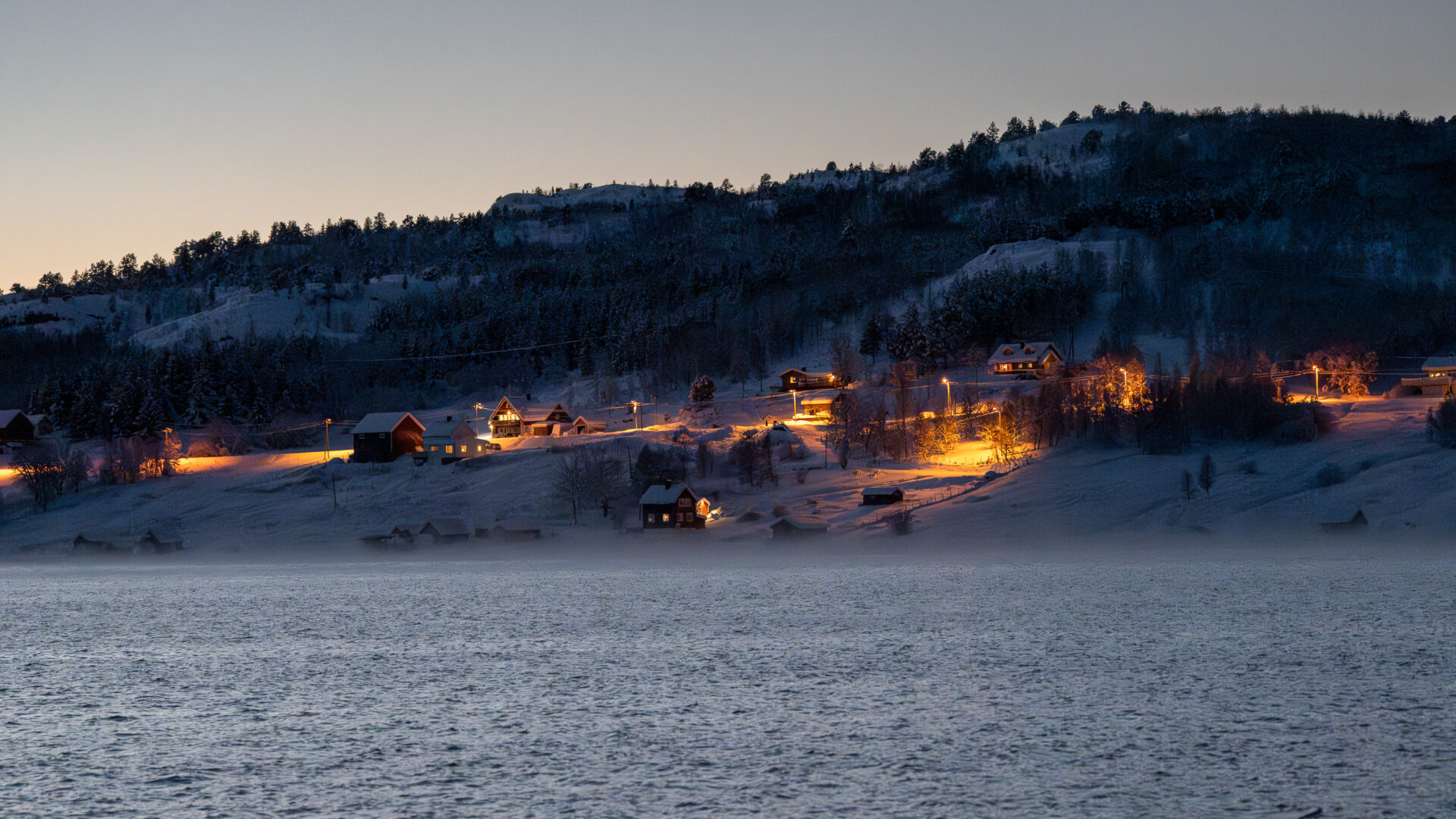
The room is spare. There is a kettle on a desk, humming in the corner. Outside the window, the light barely rises above the mountains. It’s early winter above the Artic Circle, and soon the sun will disappear for weeks.

I pour hot water over another tea bag and wrap my hands around the cup, waiting to get warm. My throat burns. My body aches, wanting the familiarity of my own bed, my own pillow. Instead, I’m here, in Alta, minus fifteen outside. I imagined arriving here full of energy, ready to face the cold, not hunched over a hotel kettle, wondering if I’ve a mistake coming here while still sick. But I am here.

Every year, starting in late November and lasting until January, schools of herring are coming into the northern fjords of Norway. And the orcas come here to feed on them. They arrive in pods, working together to bring the herring into a tight ball near the surface, then strike with their tails, a hunting technique passed down through generations. It is a great wildlife spectacle, and it happens here, in the dark Arctic waters, for only a few weeks each year.

That is why we are here, to get into the water with them, to be close enough to hear and see them. I came here last year for the same reason. But the weather was rough and we never made it into the water with them. We saw them from the boat, but only from the distance. I went home with the feeling of something unfinished, so we came back.

Now, as I am sitting in the hotel room, the thought that this could happen again, coming all this way, twice, and still not get in the water, is worse than my sickness. We are supposed to be getting on a boat tomorrow, and I am definitely not well. But I’m already here. So I go anyway.

The next day, after an hour’s bus ride through heavy snow, we arrive at the harbour, and board our boat. We get a small room with bunk beds, and set up our equipment for the following day: dry suit, hood, gloves, fins, snorkel, mask.
That night, I barely sleep. I lie in the bed listening to all of the unfamiliar sounds, and thinking I didn’t come all this way to lie in a bunk bed, while my body tells me that I should rest.
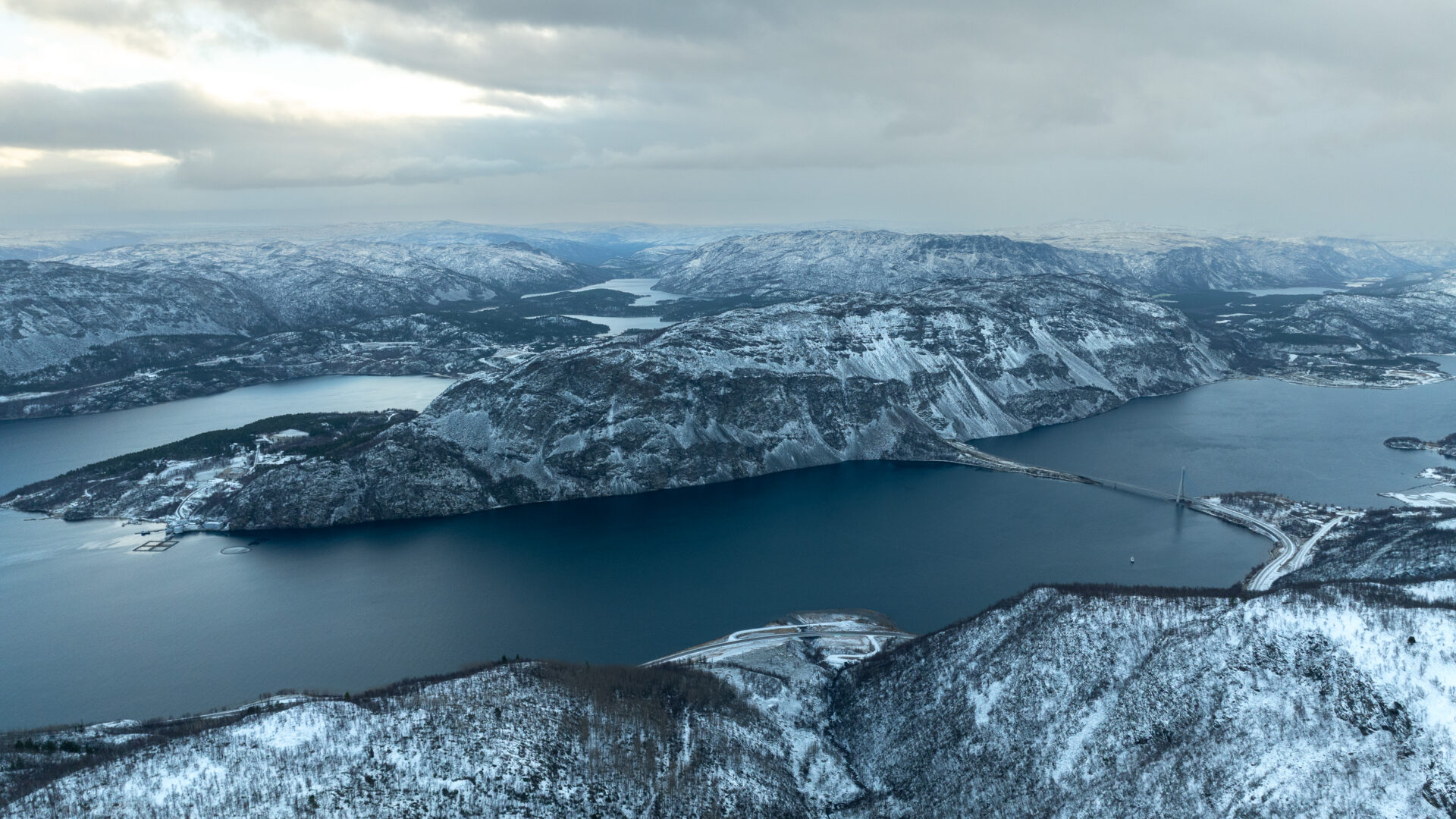
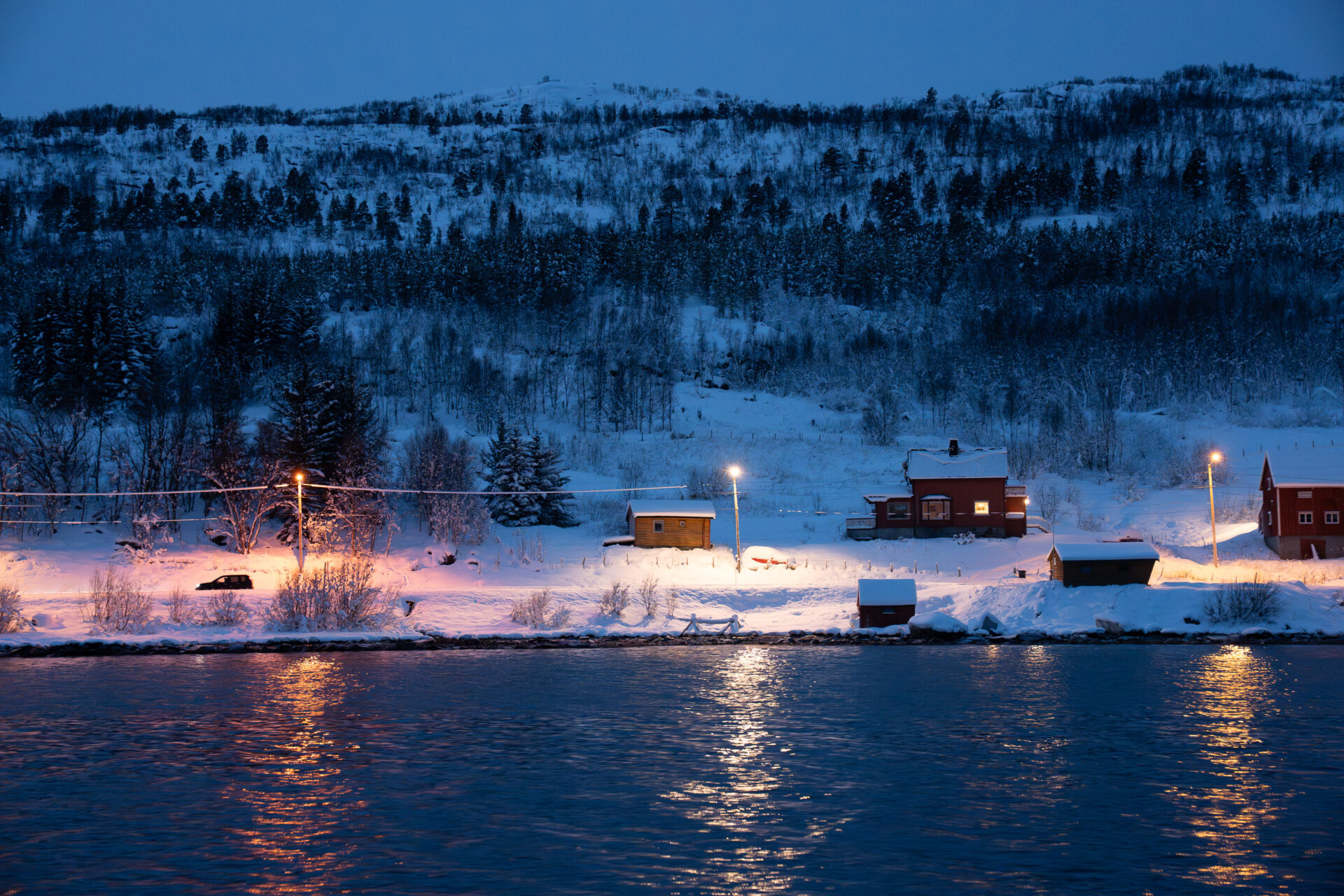
Alta in early winter. The light barely rises above the mountains. Soon the sun will disappear for weeks, and the orcas will arrive.

The following morning everything looks different. It is still cold, still -15 degrees Celsius, but the sky is clear and the wind has disappeared. This, I am told by one of the freediving guides, is perfect weather to go into the water.

Perfect, that is, if you are willing to accept the cold. I am still sick, but in that moment it does not seem to matter. Maybe it’s the adrenaline, maybe it’s the environment, maybe it’s the other people’s energy. Whatever it is, just staying on the boat feels wrong. I didn’t come all this way to be only an observer.
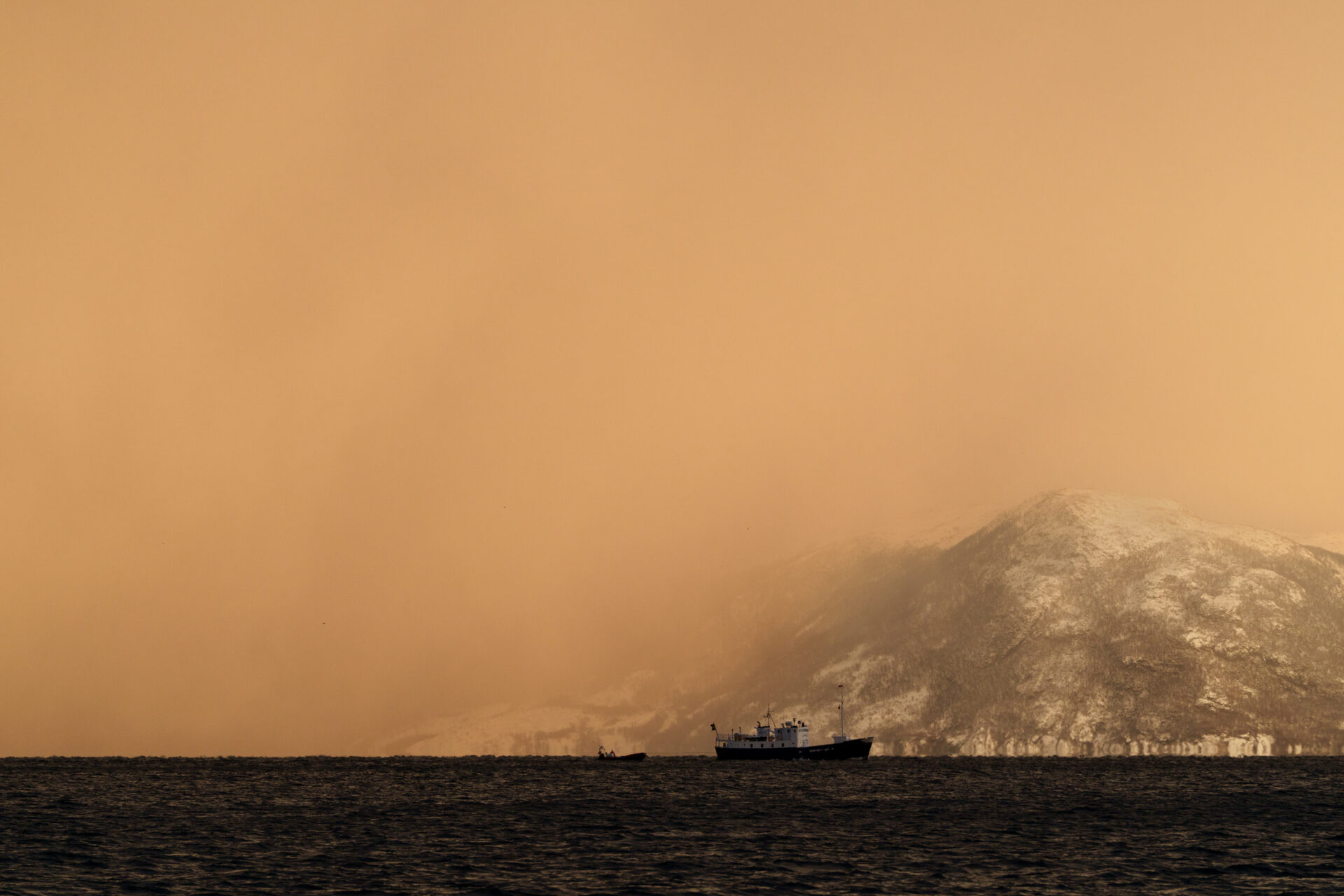
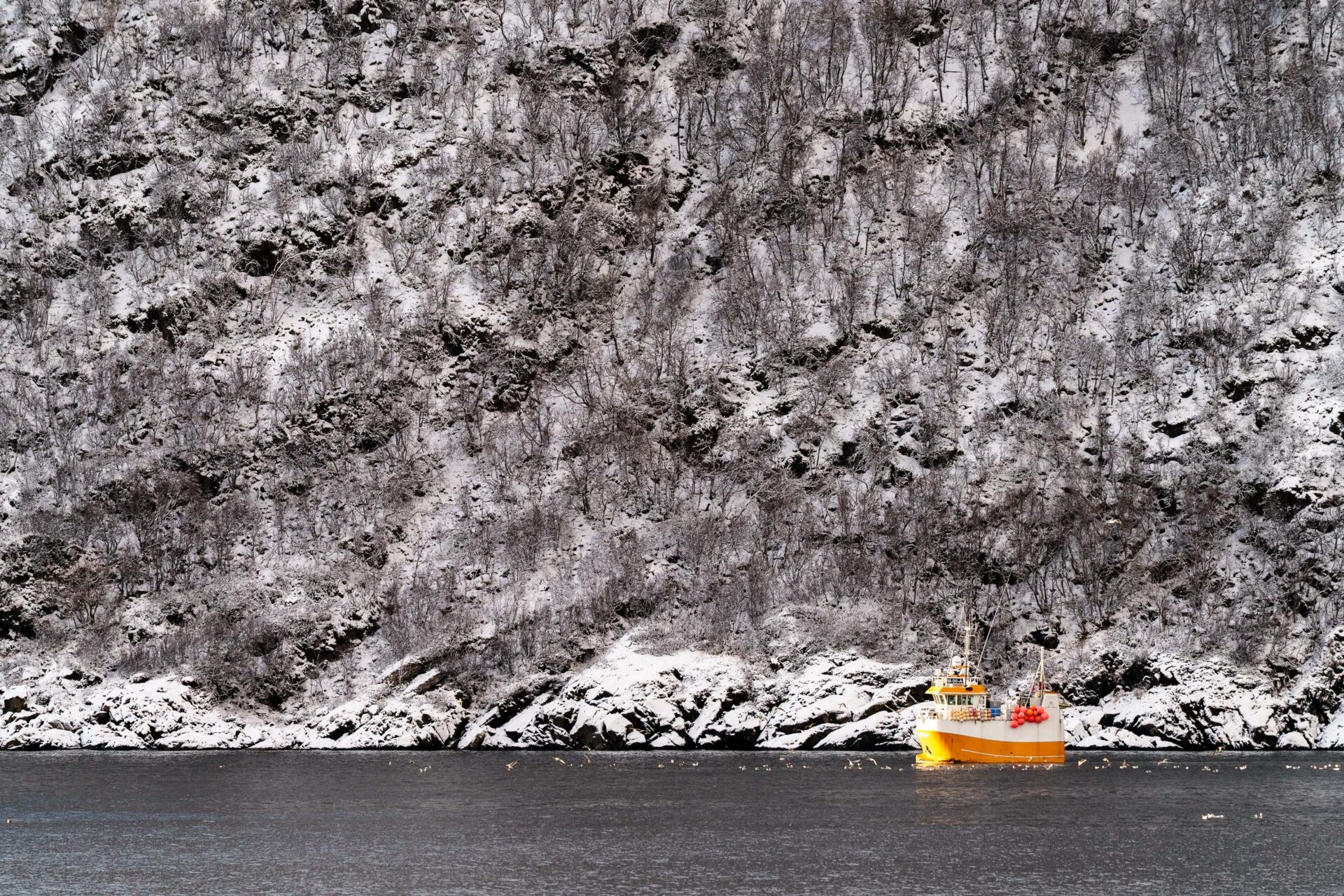
Our boat, anchored in the fjord. Somewhere beneath that dark water, pods are hunting together, moving through territories they’ve known for generations.
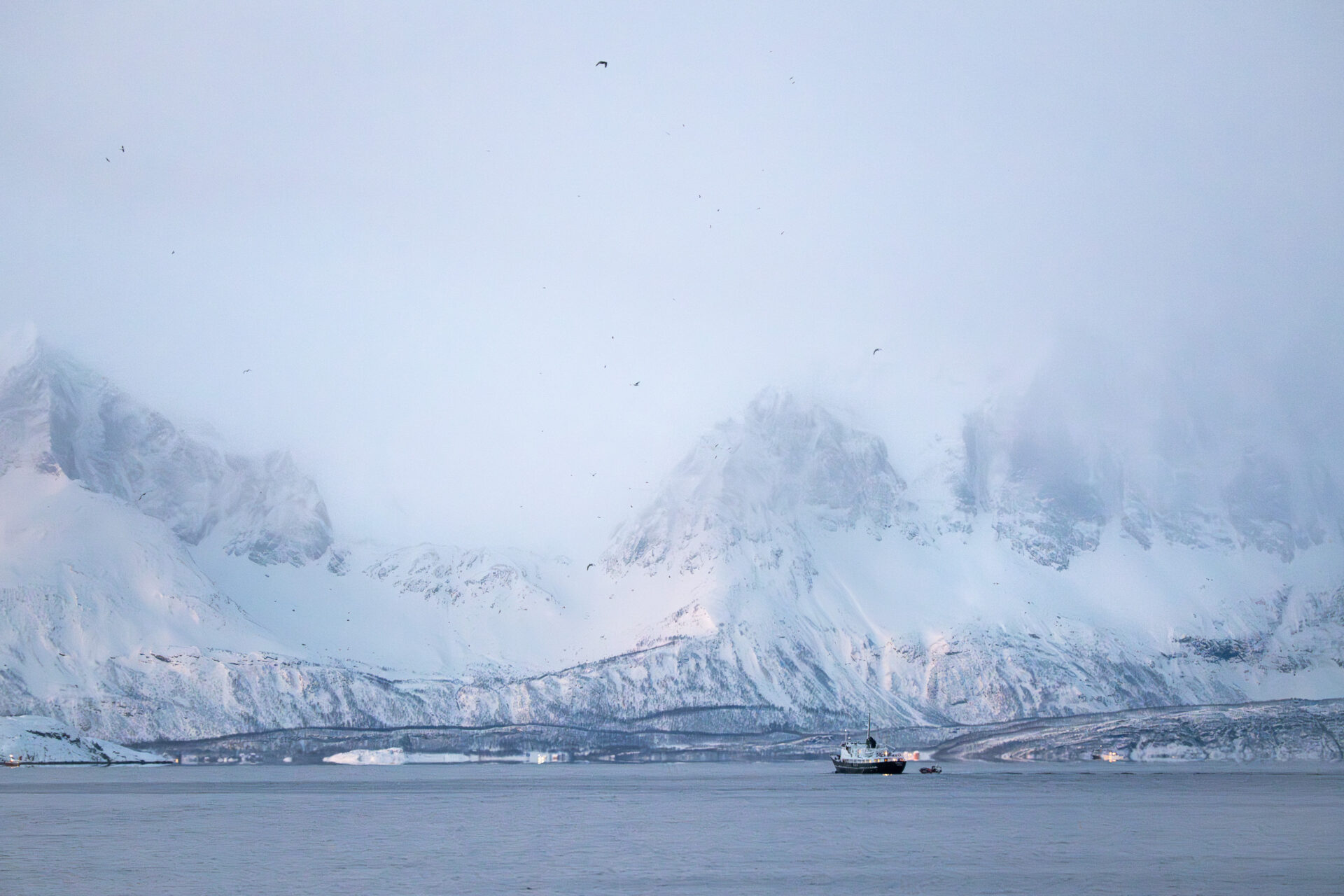
The mountains rise on both sides, white against a strange sky. Everything looks both close and impossibly far. We scan the water, waiting.
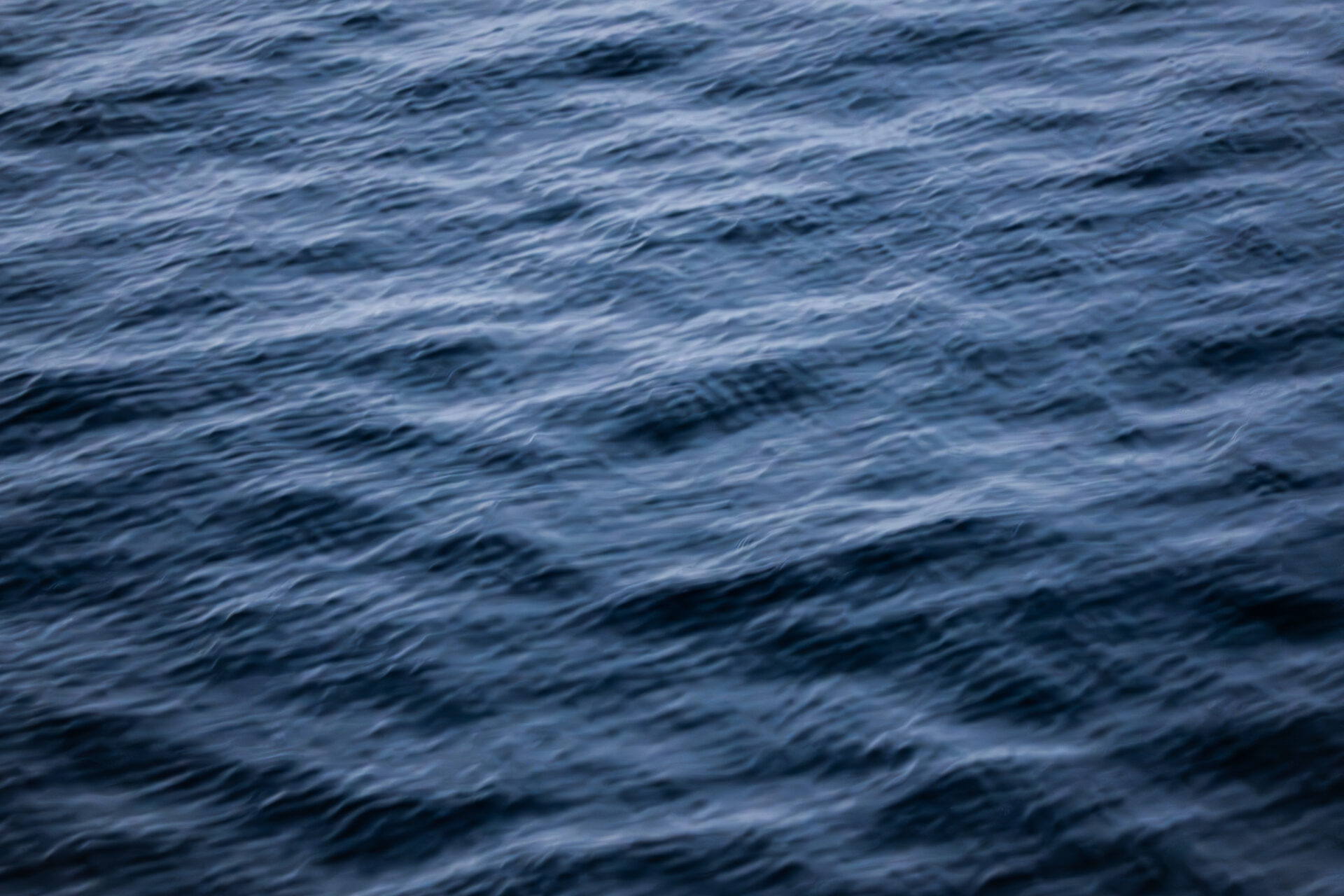
The fjord water in winter. Dark, cold, and alive with herring. The reason the orcas travel here every year.
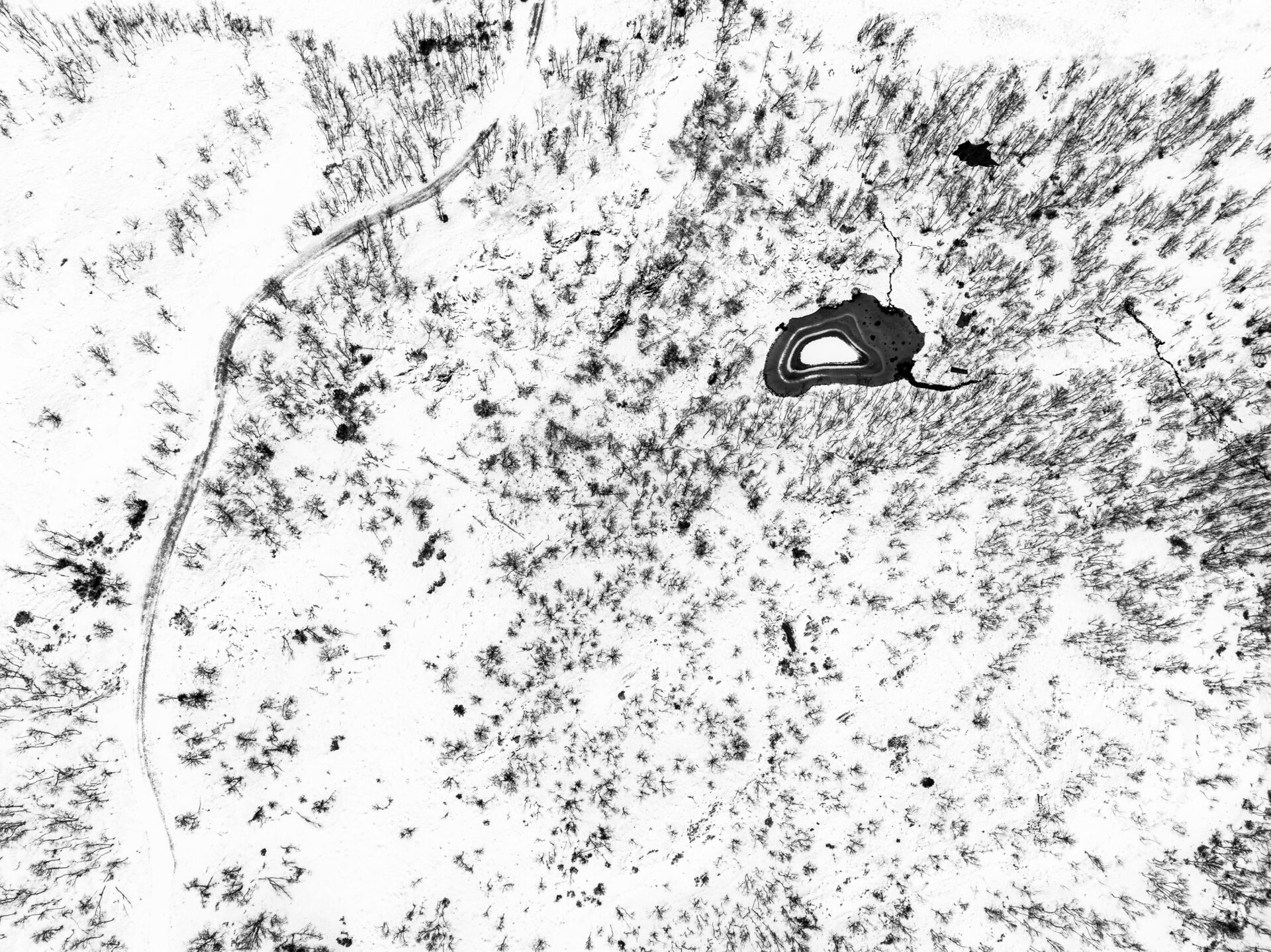
Arctic winter. Sparse vegetation fighting through snow, shaped by wind and cold. This is the landscape above the water where orcas hunt below.
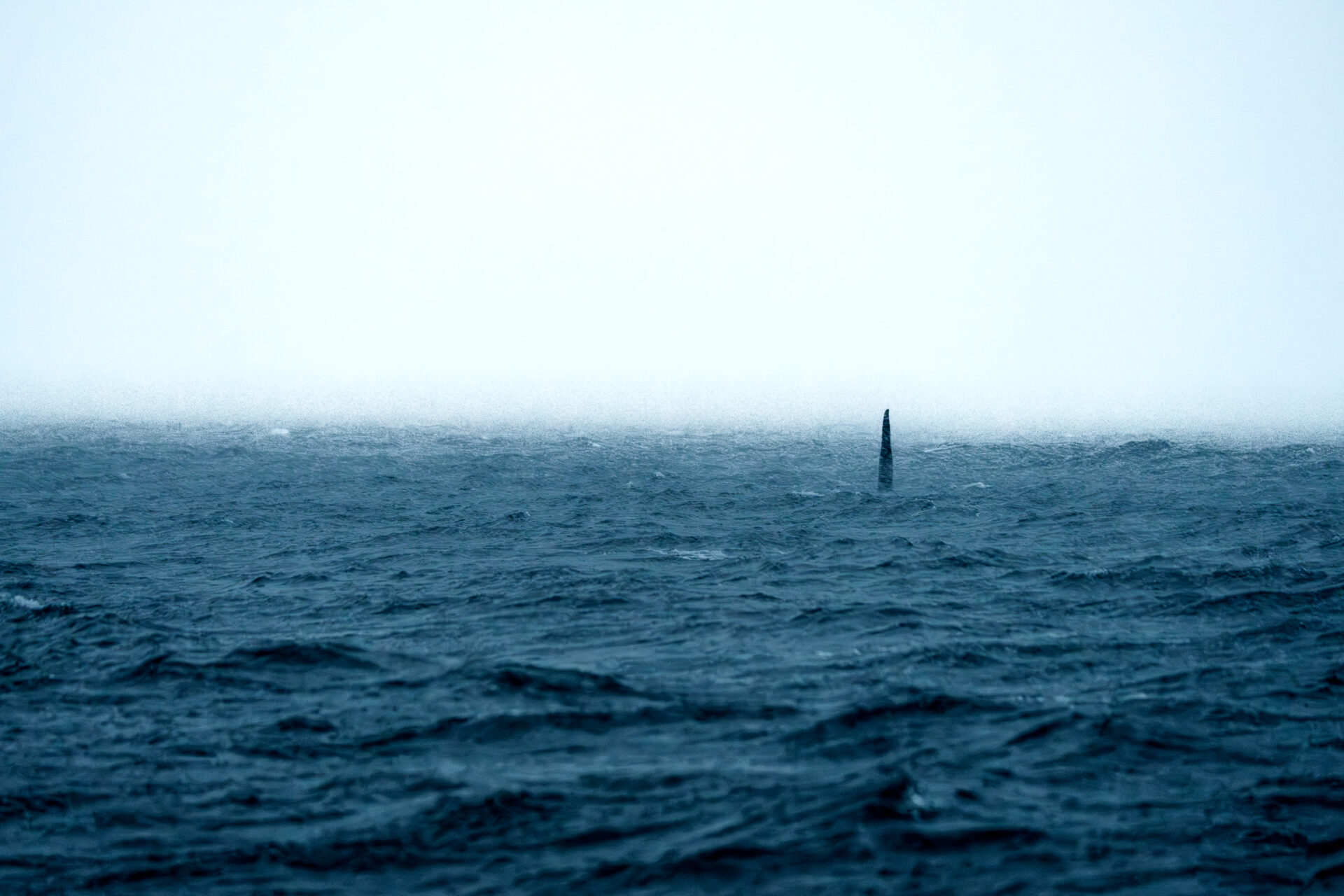
A tall dorsal fin cuts the surface. The sharp exhale of breath. Everything else falls away.

To enter the water this time of the year, there are no shortcuts, no hacks. I take the dry suit I picked the previous day and started to get dressed. Pulling on the dry suit doesn’t feel like getting dressed at all. It feels like preparing for a special mission, a descent into another world. The suit seals around you, tight and uncomfortable, and with it comes a clear message: you don’t belong where you are about to go. You are being allowed in, temporarily.

The modern world has trained me well for comfort, for temperature control and predictable outcomes. This is none of that. This is deliberate discomfort, a chosen one.

Once the suit is on, everything else follows: the hood, the gloves, the mask and snorkel. I am comfortable in the water, I dive, I enjoy swimming, the sea is not the thing that frightens me, the cold is. Last year, wearing this same type of suit tought me that I should put an extra wool layer underneath. I move slowly. We all do. In fact, we move like astronauts, stiff, with our legs wide. We look slightly ridiculous. And like that, we step over the side of the boat and onto the zodiac.

The water is almost black as our zodiac cuts across the fjords. The mountains rise on both sides, white against a strange sky, everything look both close and impossibly far. No one speaks much, we all scan the water. Then we hear them, the sharp exhale of an orca’s breath. Then, the tall dorsal fins cuts the surface. I don’t even notice the cold against my face anymore.

At the captain’s signal, we slide into the freezing water.
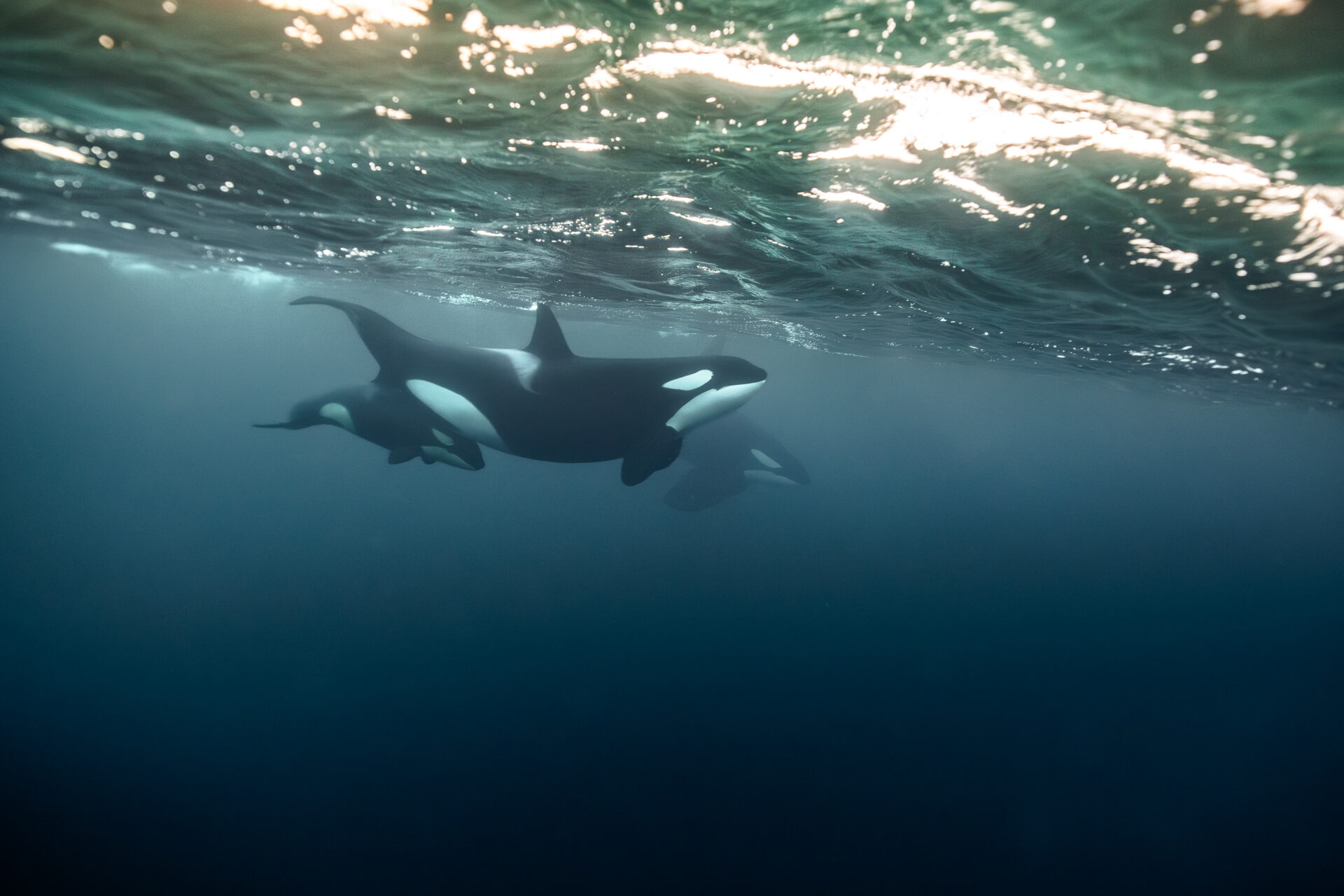
Mother and calf moving together. Sons never leave their mothers, daughters return with calves of their own. This is a family at work.
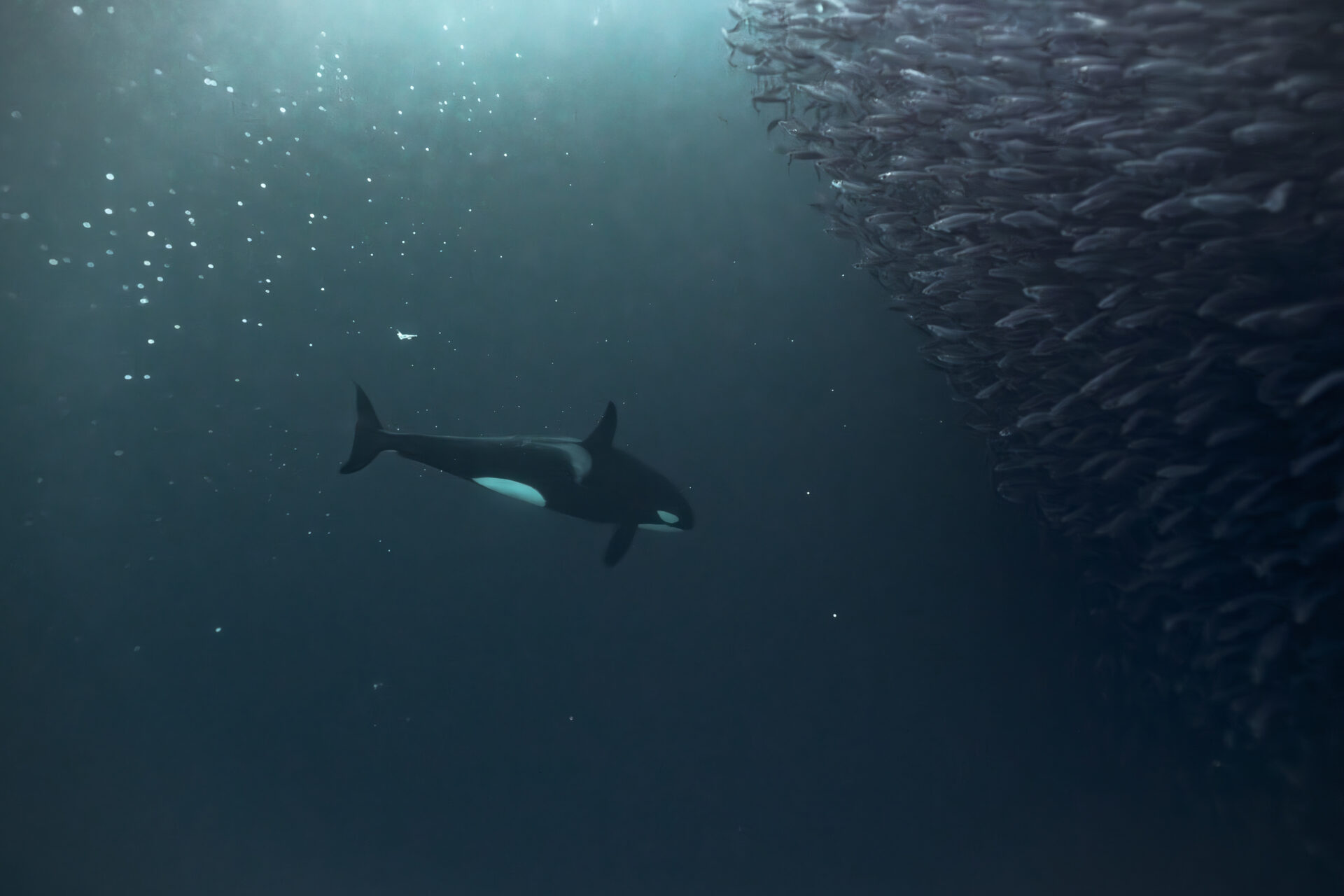
Working the bait ball. The herring school tight and dark, the orcas circling with precision learned over generations.
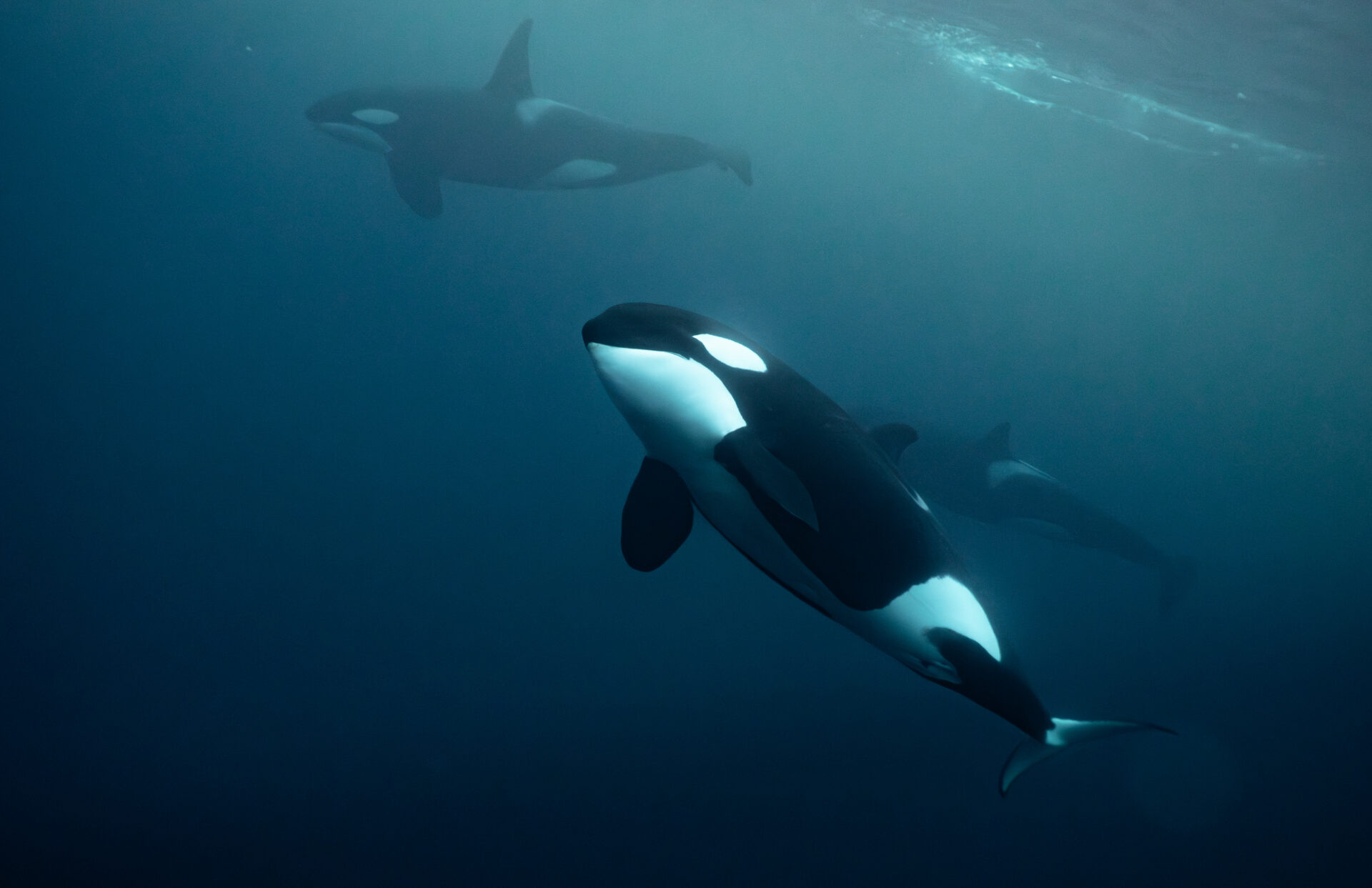
A young orca pauses, turns. They register us but don’t change course. Acknowledged and dismissed in almost the same moment.

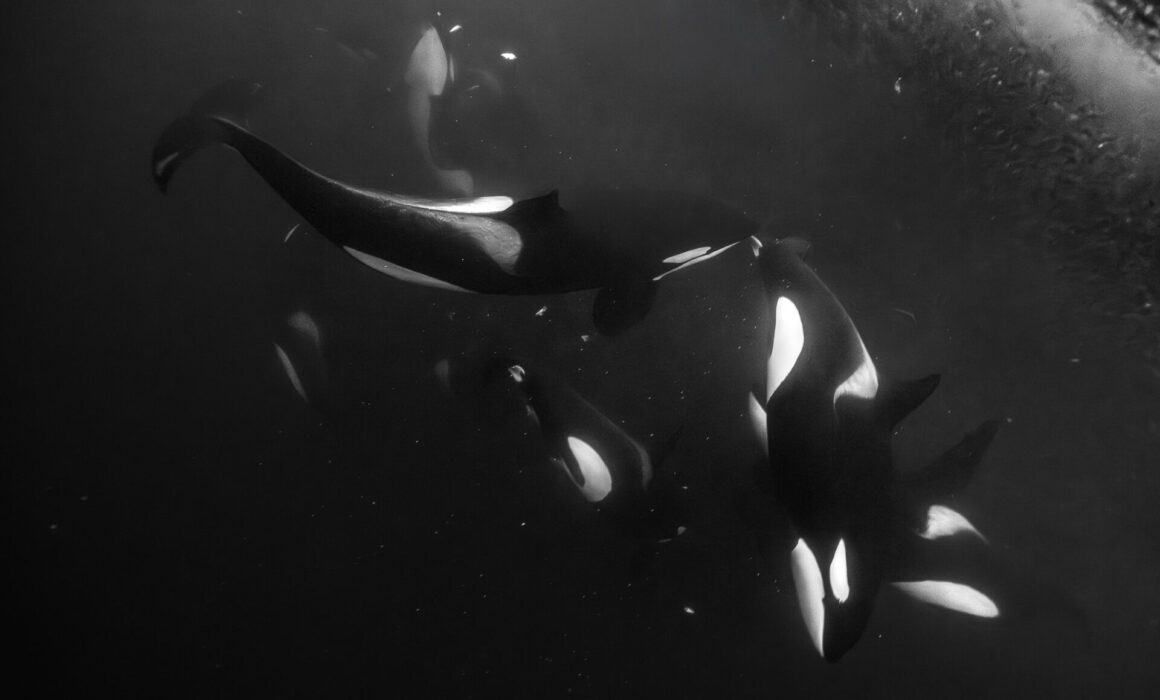
The cold hits all at once, and the fear disappears. Below the surface, the darkness softens. From the zodiac we saw the dorsal fins, now we see them whole. Shapes materialise, black and white, moving through the water with a coordination that feels rehearsed. Their bodies weave in and out of an enormous school of herring, working the bait ball with precision. They move without visible effort, gliding as if the water offers them no resistance at all. They register us, but they don’t change course or come close enough to feel intrusive. We are acknowledged and dismissed in almost the same moment. I forget about the cold entirely. All of my focus is to their space, the space they allow us to briefly share.

I feel no fear, no cold, only the strong sensation of being profoundly alive.

They are there to feed, not to waste energy on something else. They are clearly uninterested in us. And here is what strikes me: despite being called killer whales, a name that says more about us than then, there are no documented cases of orcas attacking humans in the wild. Yet they hunt penguins, seals, sharks, even blue whales. They are apex predators, perfectly aware of their power. But they don’t need to prove anything, an idea that feels almost radical in a human world obsessed with dominance and display.

Watching them, I can see this is a family at work. They stay together all of their life, sons never leave their mothers and daughters may go, but then return with calves of their own. Everything they know, they’ve taught each other through sound, movement, repetition and shared experience. What I’m witnessing is memory in motion, a strategy refined over generations.

They disappear into the dark water as quickly as they arrived, as if they were never there at all.

And just like that, the cold returns.

As I climb back onto the zodiac, it comes back even stronger, reminding me of my limits and and my limited time in this place. Even as my fingers get numb and I start shaking, I want more. Another moment. The discomfort feels irrelevant in this moment, almost annoying, an interruption to something unfinished. I will trade warmth for that feeling again, even for a few moments.

But my body had other plans. That evening, the illness hit harder than before. Whatever adrenaline had been driving me was gone. I spent most of the night awake , coughing, aching, knowing I’ve pushed my body past what was sensible. There is a cost to ignoring your own limits, and I was paying it.

But lying in bed, exhausted, unable to sleep, something catches me by surprise. A couple a days ago, this same body felt like an obstacle. In the water, it endured. I used to believe that I had to feel strong and prepared before stepping into something difficult. That being ready was a prerequisite. But I was wrong. I can do more than I think.

The orcas enter my mind. They are out there, moving through the dark with their families, doing what they’d done for thousands of years, whether anyone is watching or not.

The ocean holds animals the size of dinosaurs, communicating in frequencies we barely comprehend. Entire ecosystems and complex social structures unfold beneath the surface of our daily lives, indifferent to whether we notice them or not. They do not wait for us to pay attention. To enter that world, even briefly, requires something simple: curiosity and the willingness to be uncomfortable.
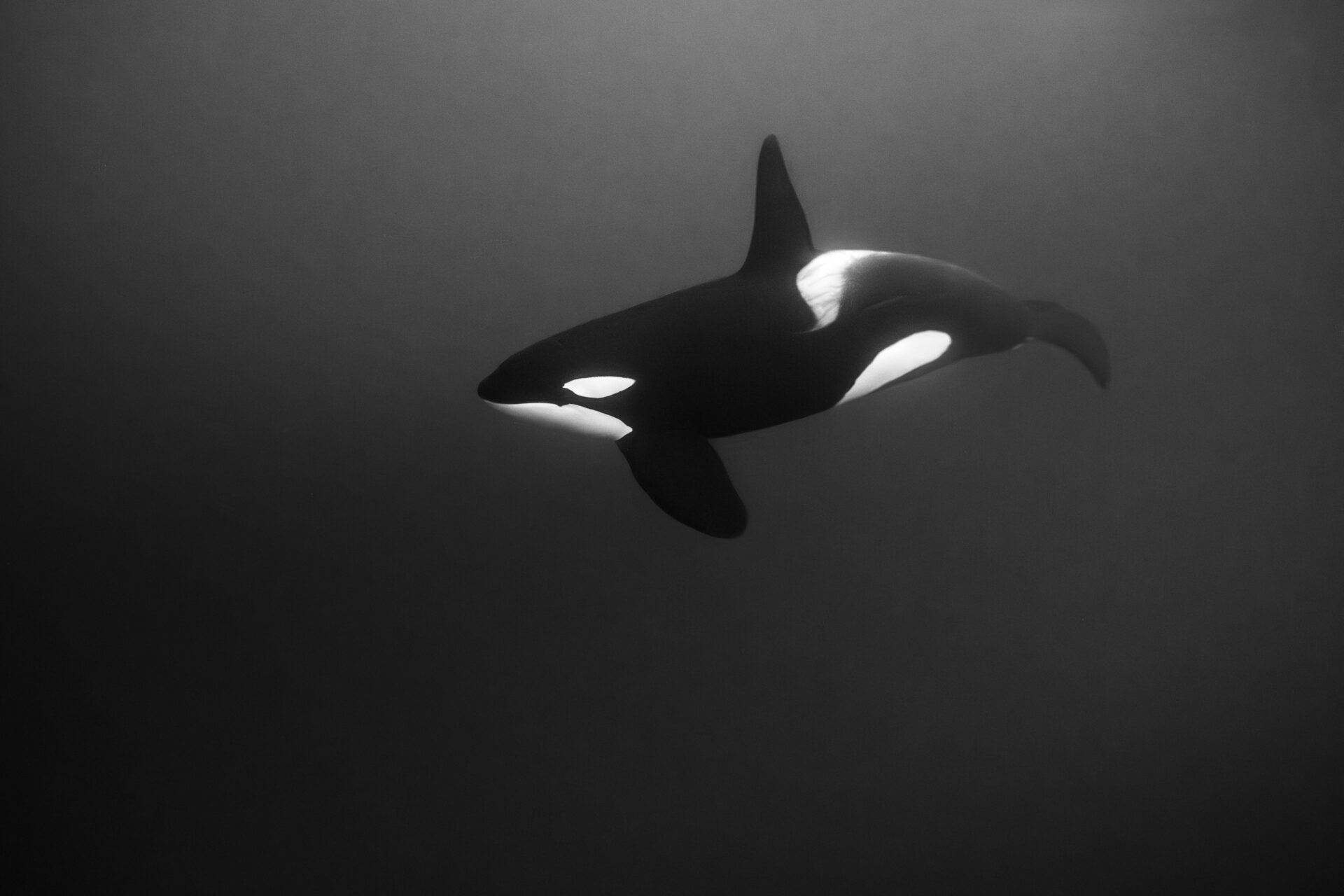
 

They move without visible effort, gliding as if the water offers no resistance at all. Apex predators perfectly aware of their power.
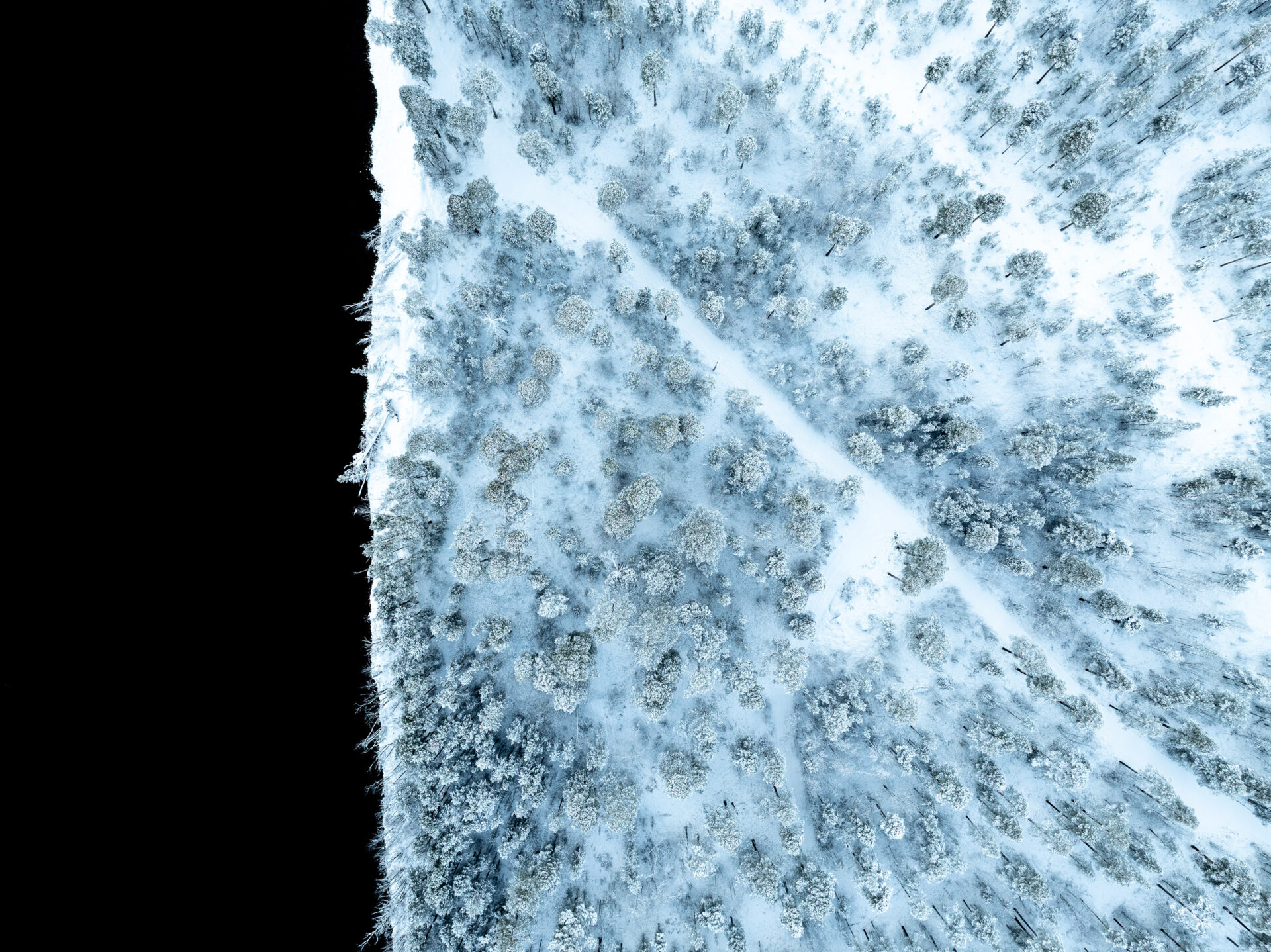
Snow-covered forest meeting dark water. The edge where two worlds touch. Above the ice, silence. Below, orcas hunt.
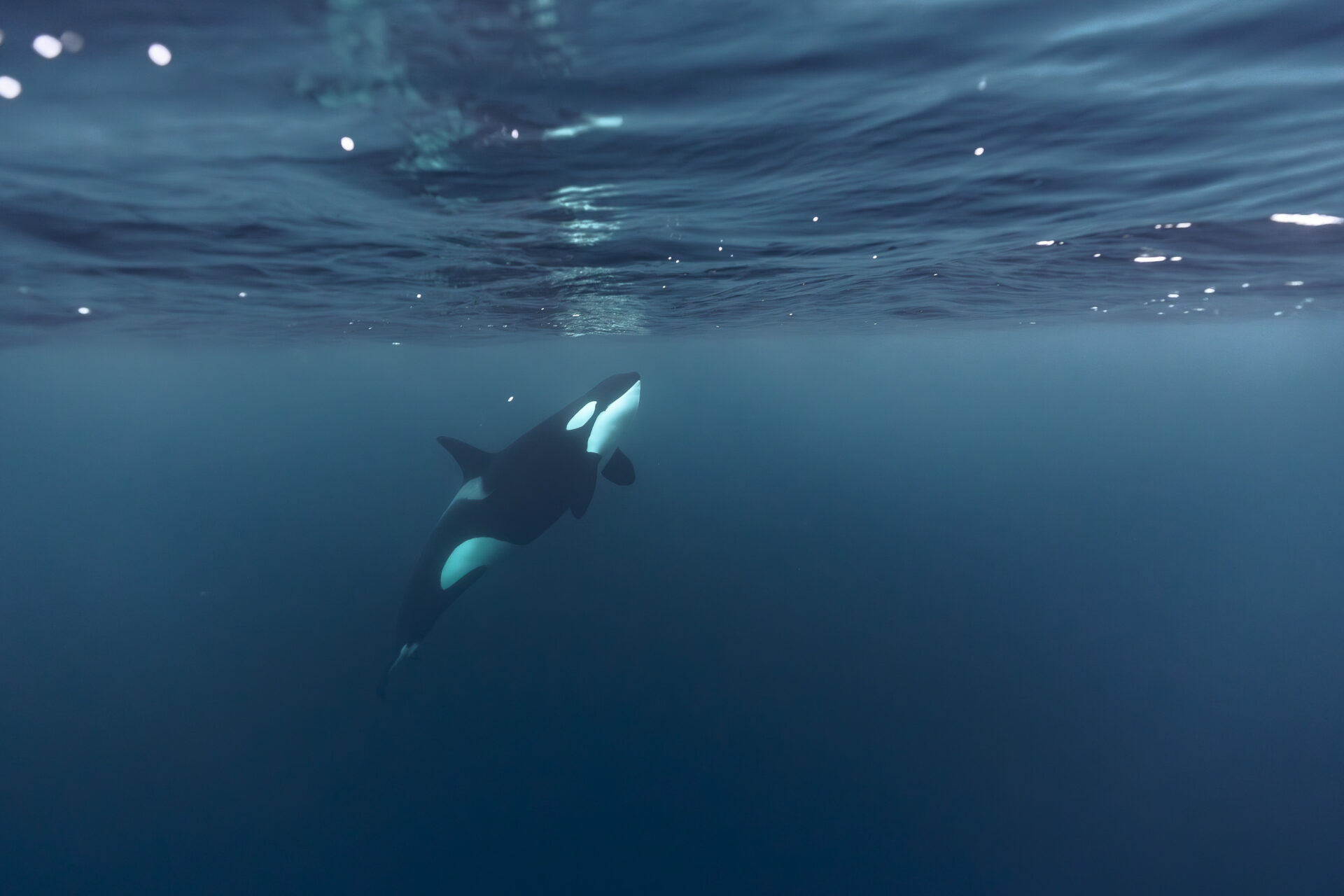
A curious calf pauses to look. Learning from the pod how to hunt, how to communicate, how to navigate vast territories.
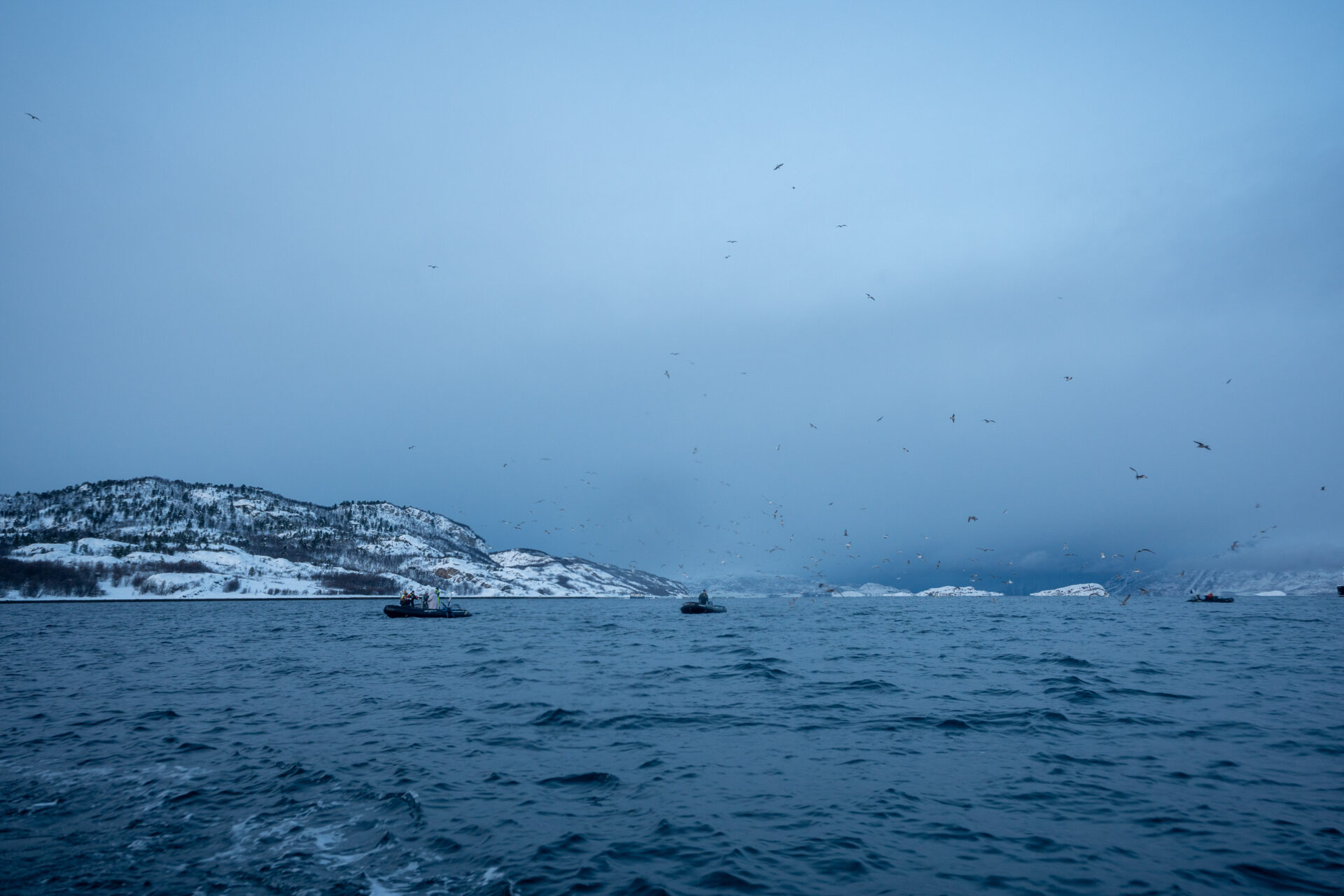
Birds scatter above the fjord as orcas work the bait ball below. The herring run draws everyone. Life feeding on life.
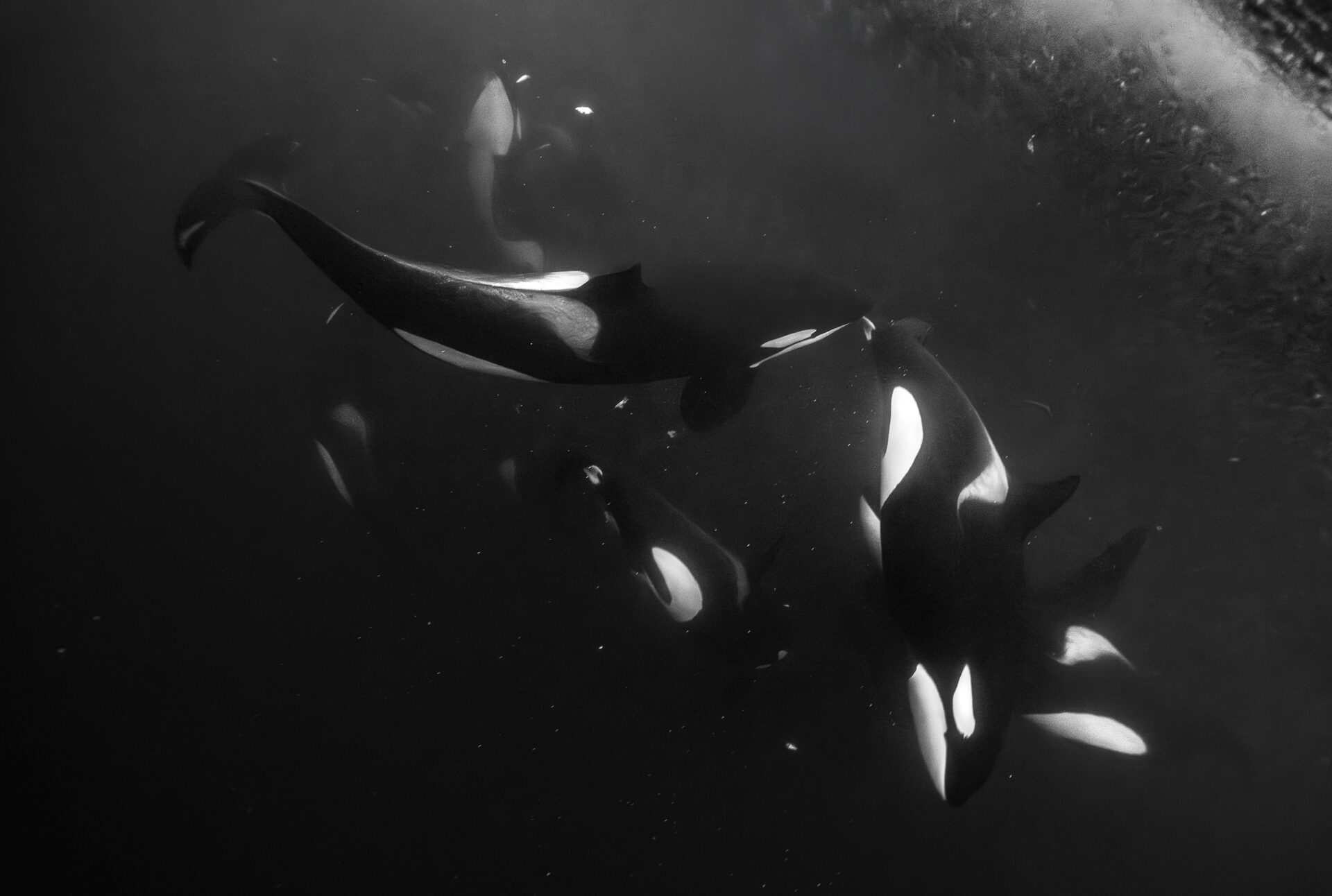
The pod moving together through darkness. Memory in motion, a hunting strategy refined over generations.
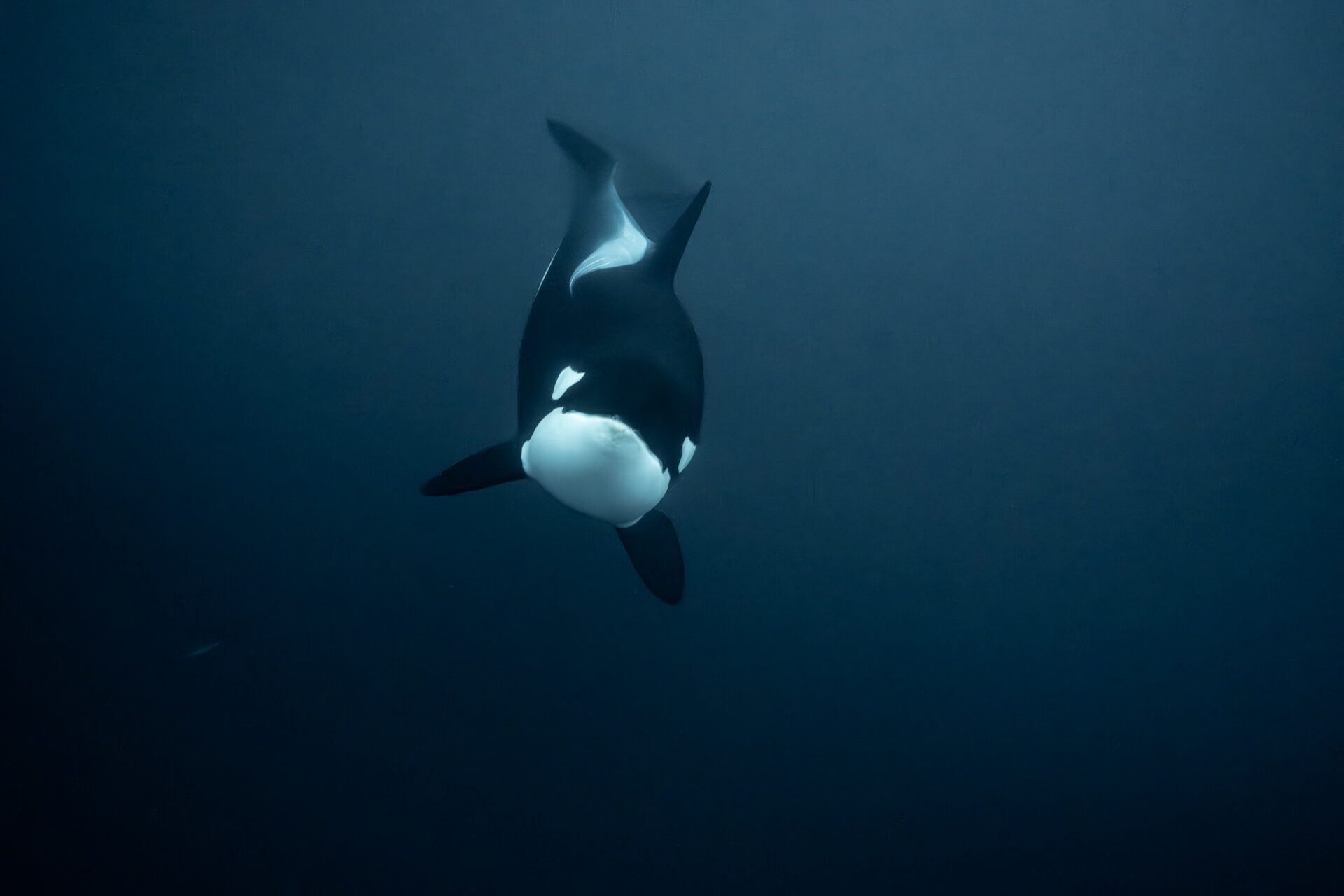
I’ve noticed something in my own life: when things become too comfortable, I stop paying attention. Out here, nothing lets you do that. Everything here demands presence.

I’m sick and tired and I can’t feel two of my fingers properly. But i’m not the same person who sat in that hotel room in Alta, wondering if I’d made a mistake. That person hadn’t been in the water yet.

Maybe that’s why this matters, not just the cold, or the sickness, or the act of stepping beyond what’s known. It’s what’s waiting on the other side. Because somewhere beneath the surface, right now, a pod is hunting together, teaching their young, moving through water they’ve known for generations. They don’t need us to notice. But once you’ve been in the water with them, once you’ve felt that aliveness, surrounded by a world so much larger and older than yourself, you will care.

Written with BlueTip 🦋

GEAR

The photography gear used in this story. Click on the items for more details.
CAMERAS

Sony Alpha 7R V

DJI Mavic 3 Pro

LENSES

Sony FE 16-35mm f/2.8 GM

Sony FE 20mm f/1.8 G

ACCESORIES

Peak Design Travel Tripod

F-stop 50L Mountain Series Tilopa Backpack

SeaFrog Housing


The Baird’s Tapir: The guardian of the cloud forest

The Baird’s Tapir: The guardian of the cloud forest

Story by Adelina Persa, Images by Chris Jimenez

PUBLISHED APRIL 2025, 15 MIN READ

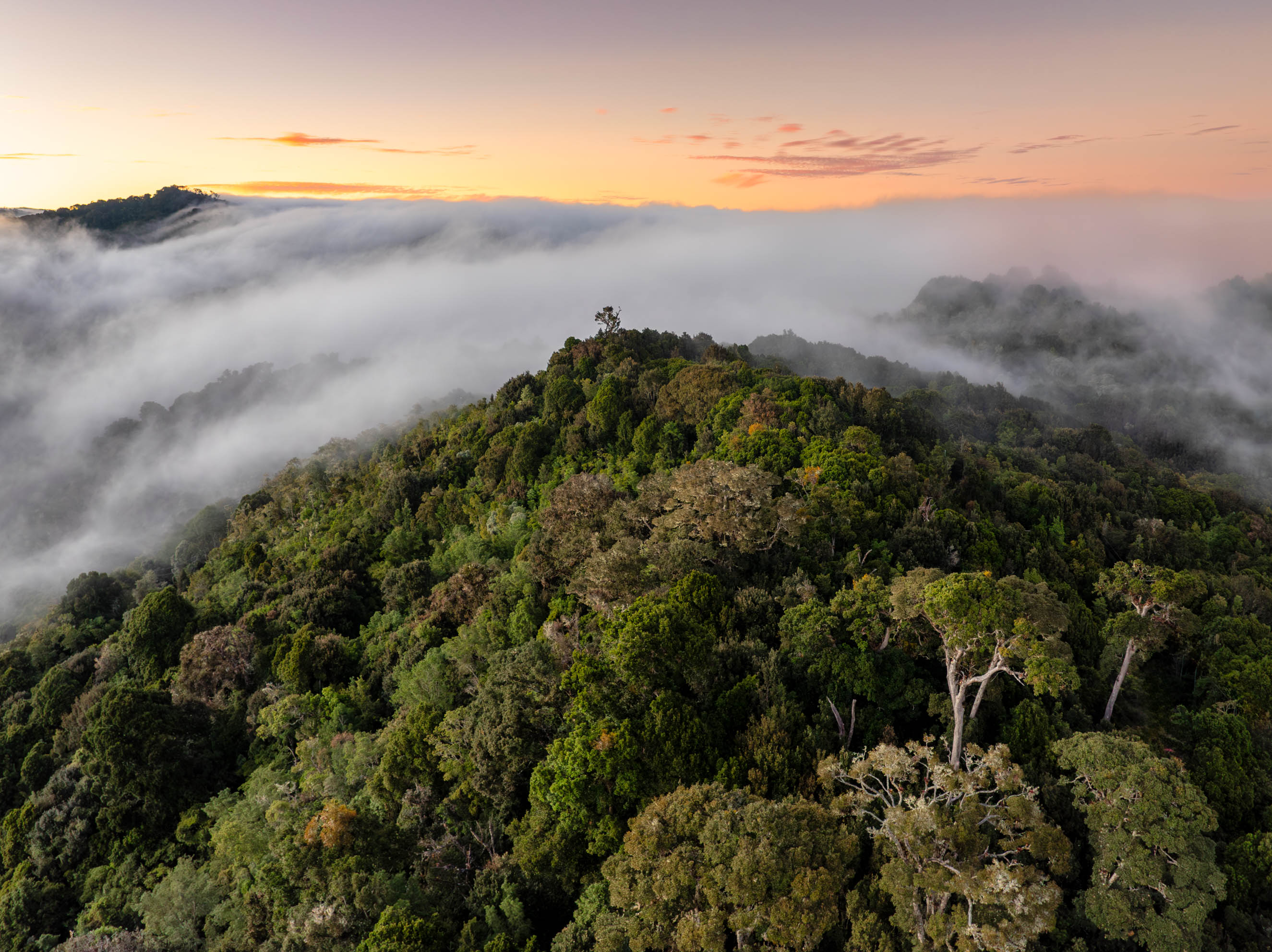
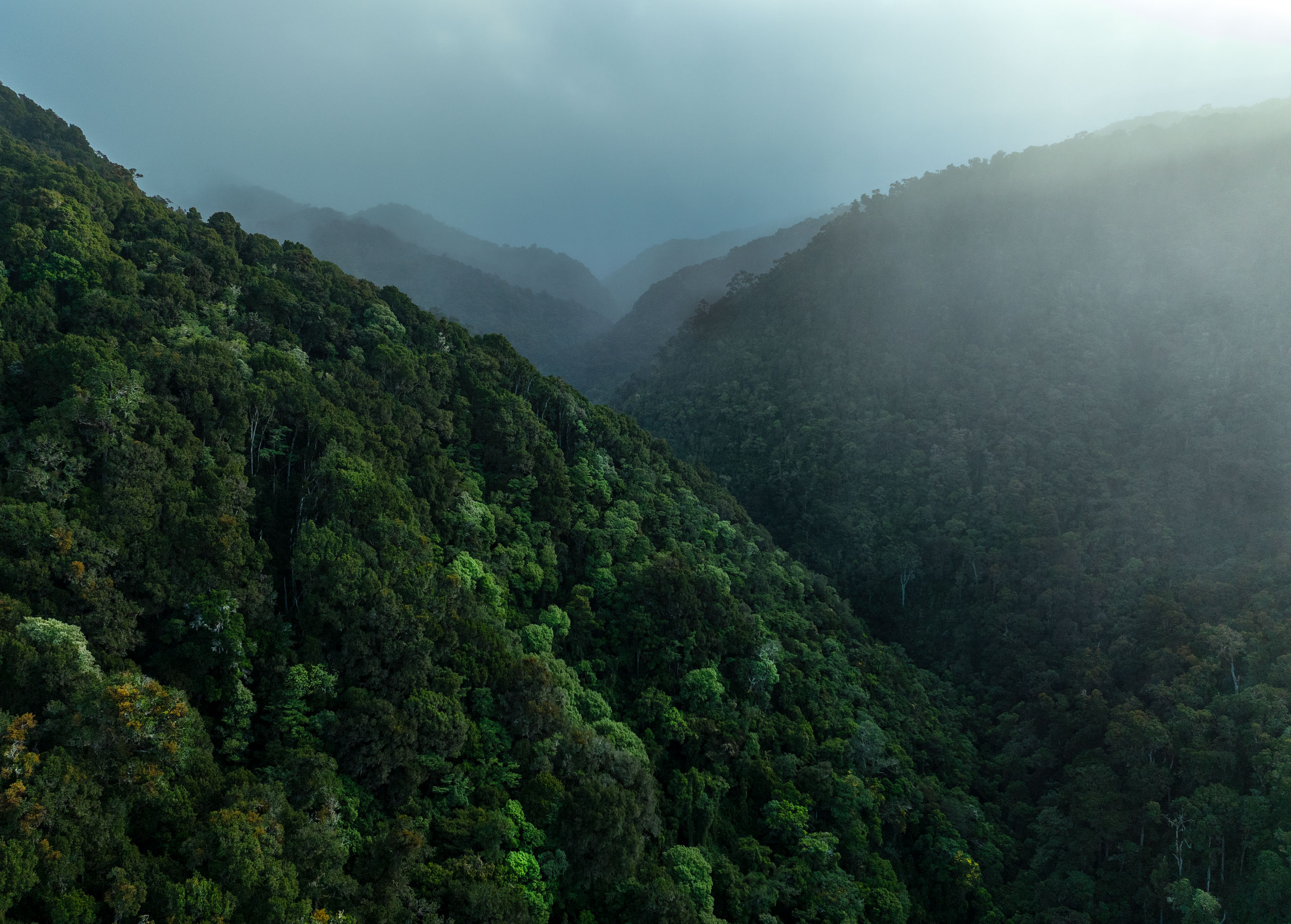
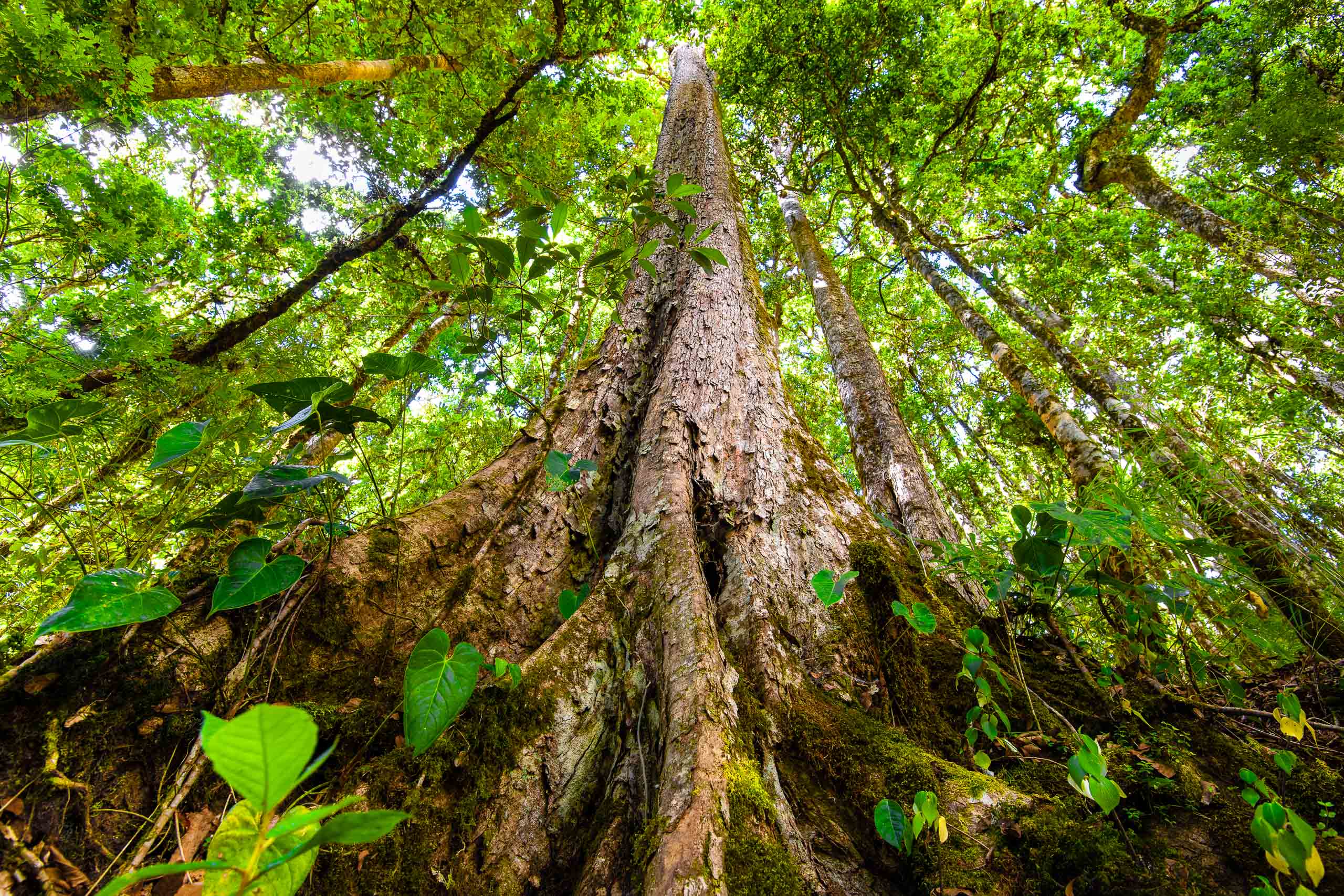
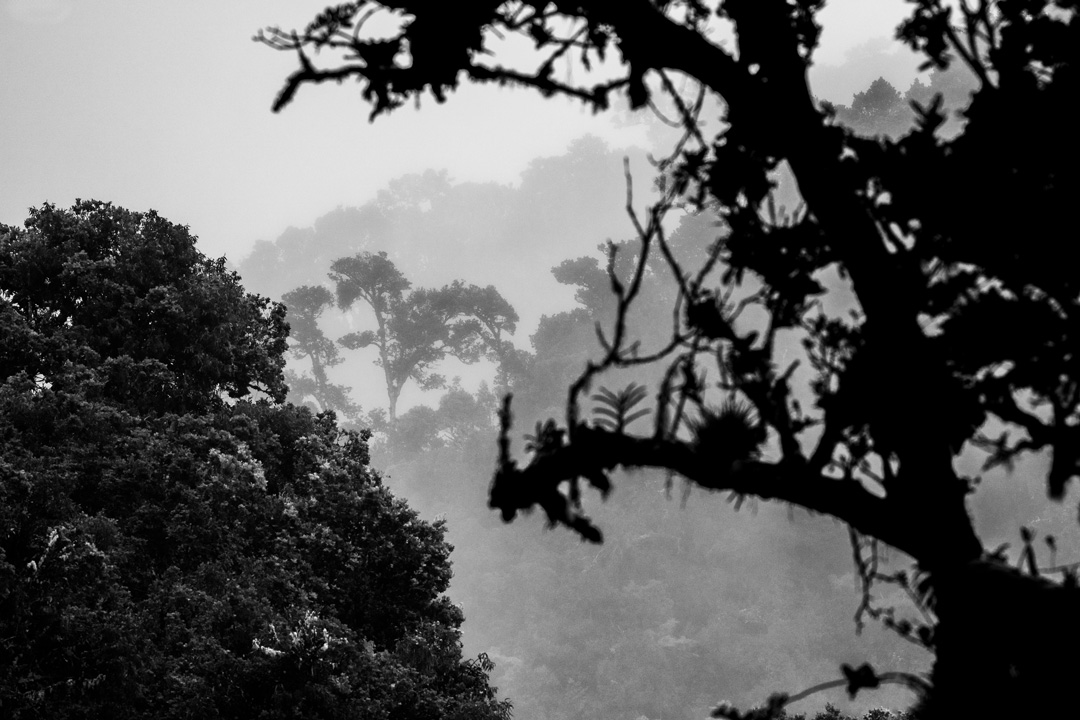
High in the Talamanca Mountains of Costa Rica, Los Quetzales National Park is the home of one of the planet’s most enchanting ecosystems: the cloud forest. Here, the air is thin and cool, with an earthy perfume of wet moss, wild orchids, and the realm of ancient trees. Moisture clings to every surface, nourishing a forest suspended in mist, a world where time feels slower and softer. Here ancient oak trees stand tall with their branches loaded with mosses, ferns, and bromeliads that sip water straight from the clouds, and you can hear birds call through the fog.

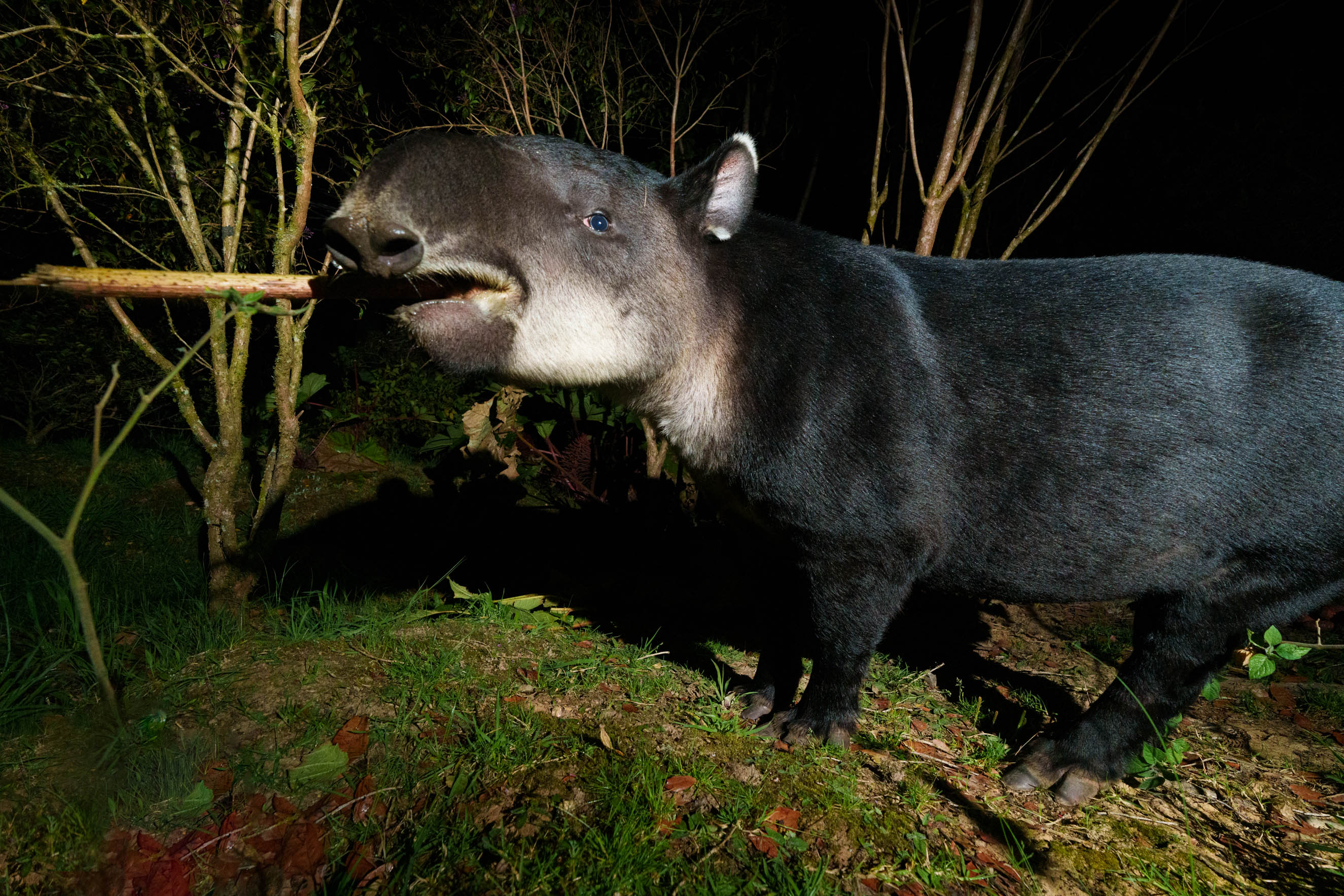
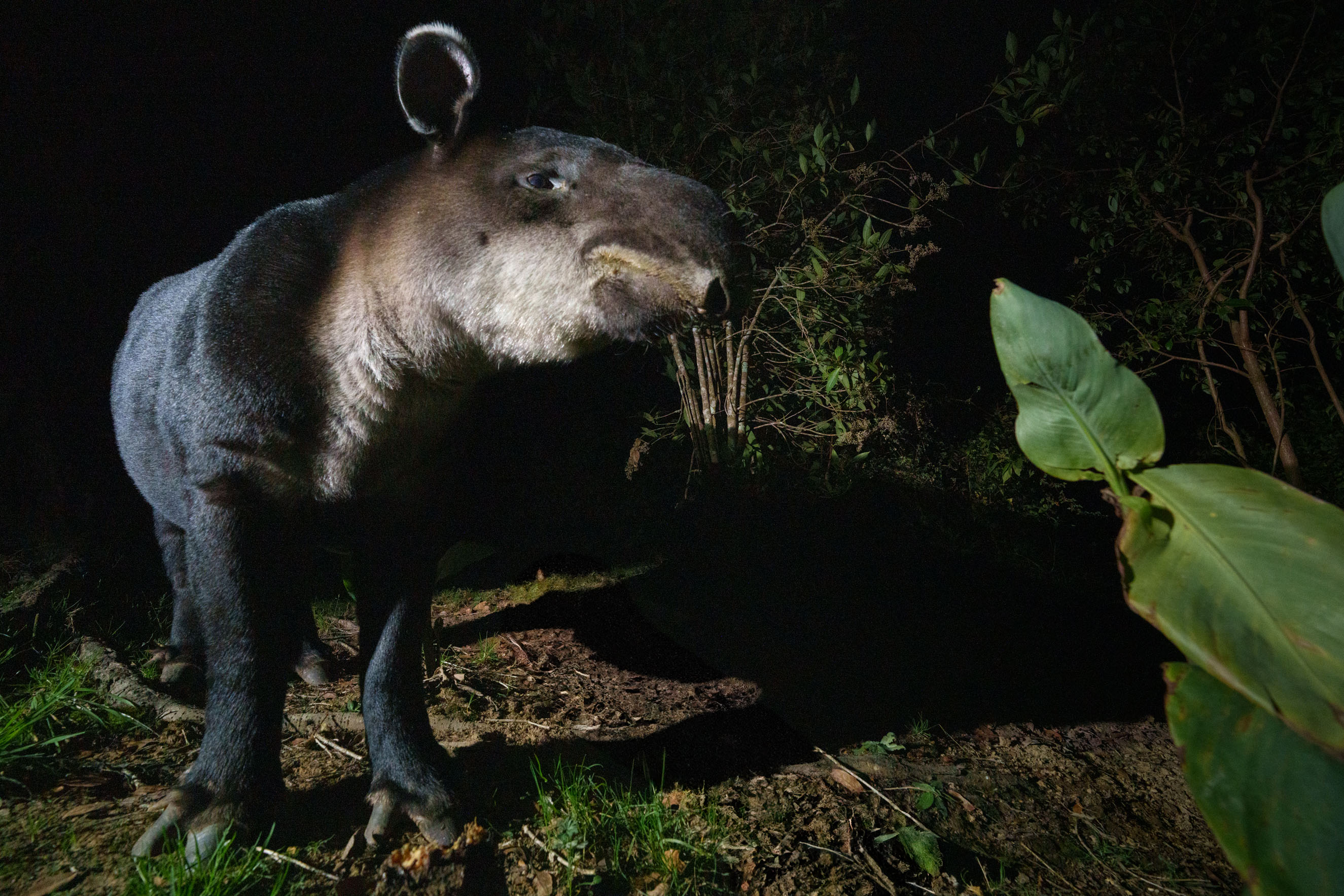
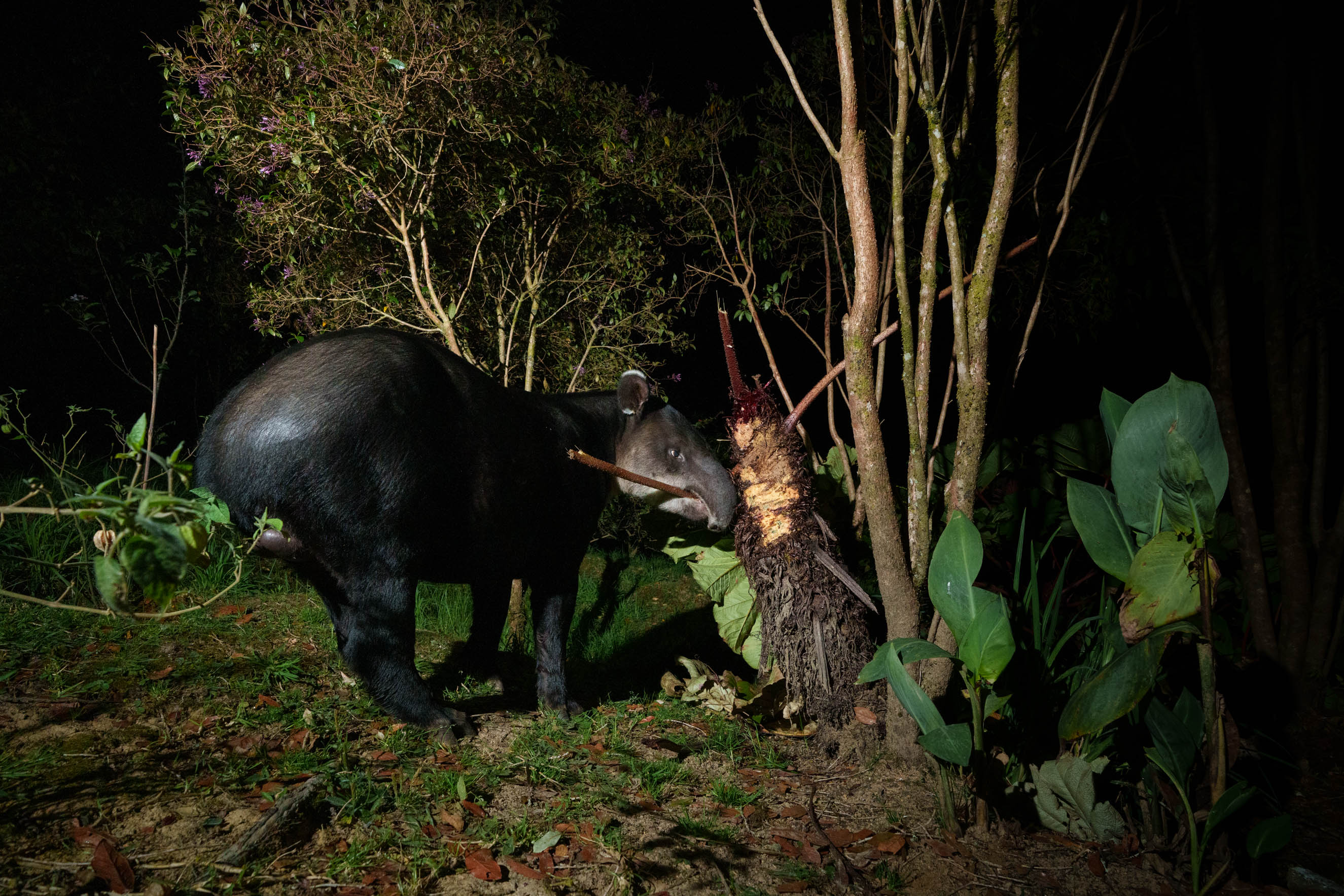
Among the most enigmatic inhabitants of this wonderful world is the Baird’s tapir, a creature as ancient as the forest itself, and Costa Rica’s largest land mammal. I didn’t truly understand what that meant until the night I saw one with my own eyes. It was late , in the heart of the forest, when a shape emerged from the shadows. At first, I wasn’t sure it was real, a quiet figure moving slowly, nibbling on leafs.

With its sturdy, barrel-like body, short legs, and long, flexible snout, it looked unusual at first glance, almost prehistoric. But what struck me most was its movements. Despite its big size, growing up to 1.5 meters in length and weighting as much as 250 kilograms, the tapir moves with surprising grace, stepping softly through the forest undergrowth, as if careful not to disturb the forest it helps shape.

Shy, solitary, and mostly nocturnal, the Baird’s tapir rarely reveals itself to human eyes.

That night was a rare gift. To encounter one is to witness something deeply primal, a glimpse into the ancient gentle soul of the forest. It’s no surprise that it holds such deep spiritual meaning for many indigenous communities across Central America. In their stories, the tapir is not simply an animal, but a guardian of the forest, a quiet keeper of balance and renewal, walking softly through the same trails its ancestors have walked for thousands of years.

The Baird’s tapir delicately forages on sombrilla de pobre leaves, fulfilling its vital role as the cloud forest’s master gardener.

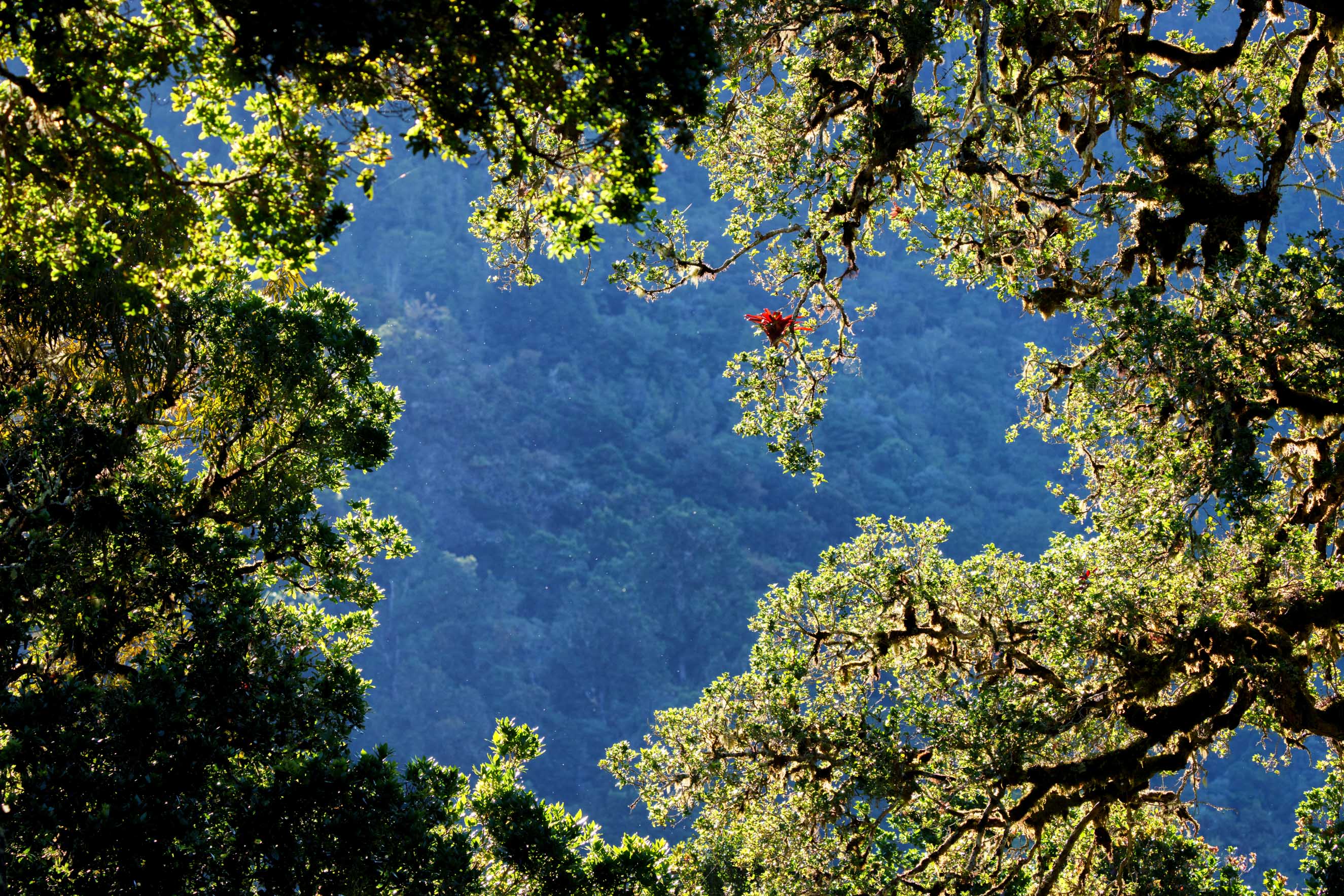
Morning light illuminates a vibrant red bromeliad nestled in the ancient oak forest, capturing moisture from the cloud forest’s ethereal mist.

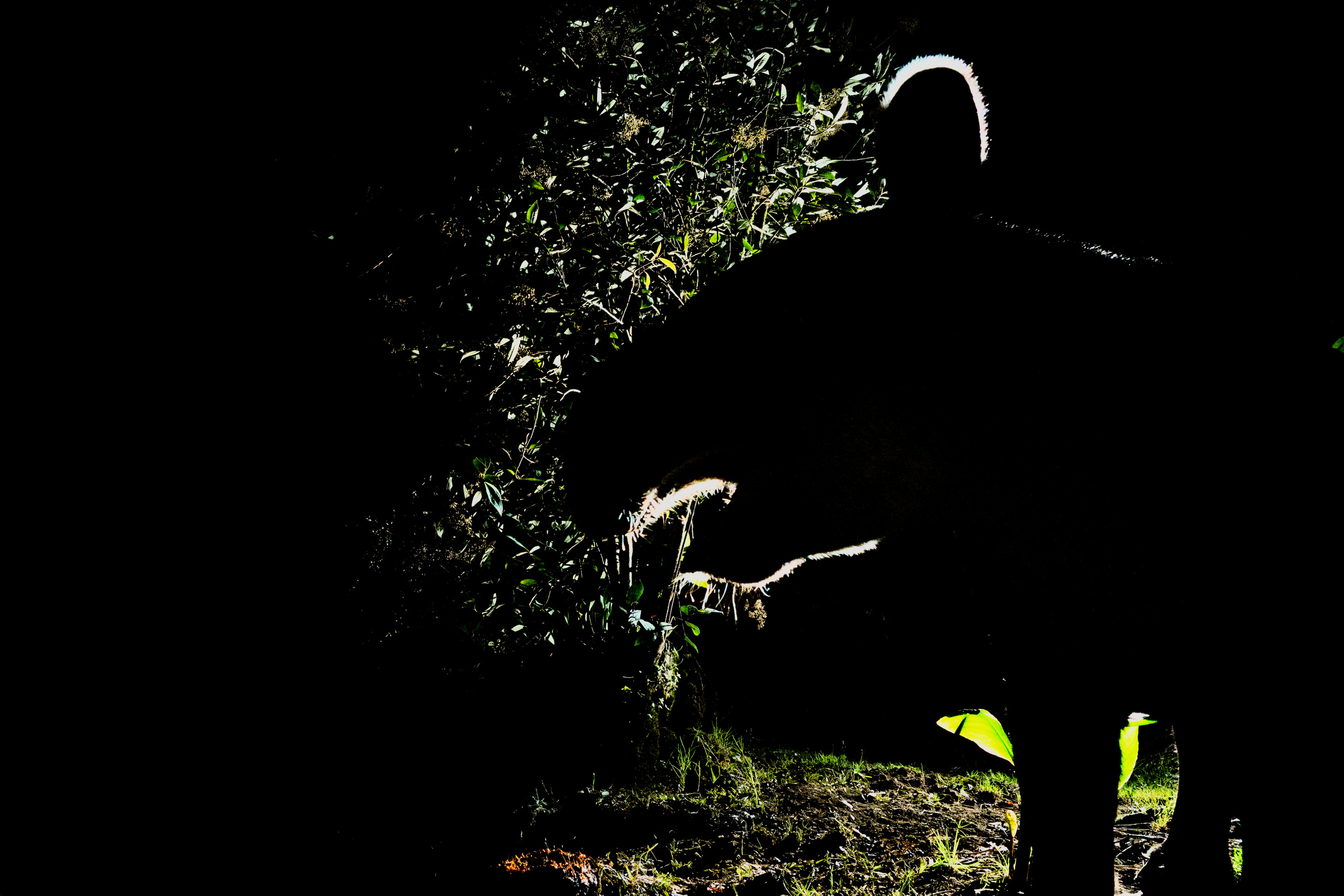
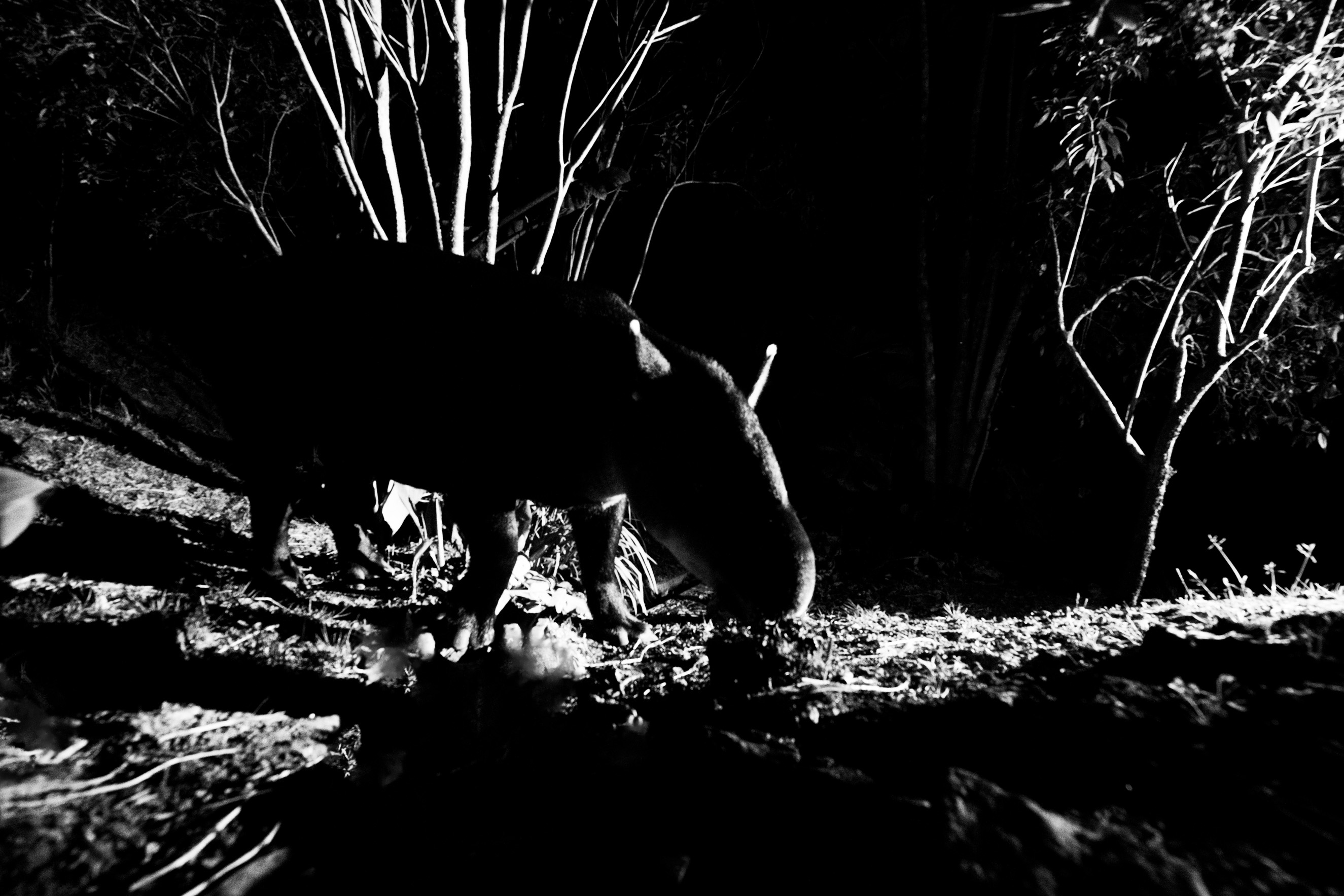
A tapir’s silhouette emerges from the darkness, a ghostly guardian moving through its nocturnal realm in the misty highland forest.

This role is more than symbolic. As dusk falls, the tapir sets out on its journey, foraging for leaves, twigs and fallen fruits. With each step, it carries the forest’s future within it. Seeds from more than a hundred plant species pass through its digestive system and are scattered across the forest floor, a quiet act of regeneration that helps shape the landscape it walks through.

For this, the tapir has earned the title “gardener of the forest.” Ecologists consider it a keystone species, one whose presence is essential to the health, diversity, and resilience of the ecosystem. In every way, it fulfils its ancient role: nurturing life in silence, step by step, season after season.


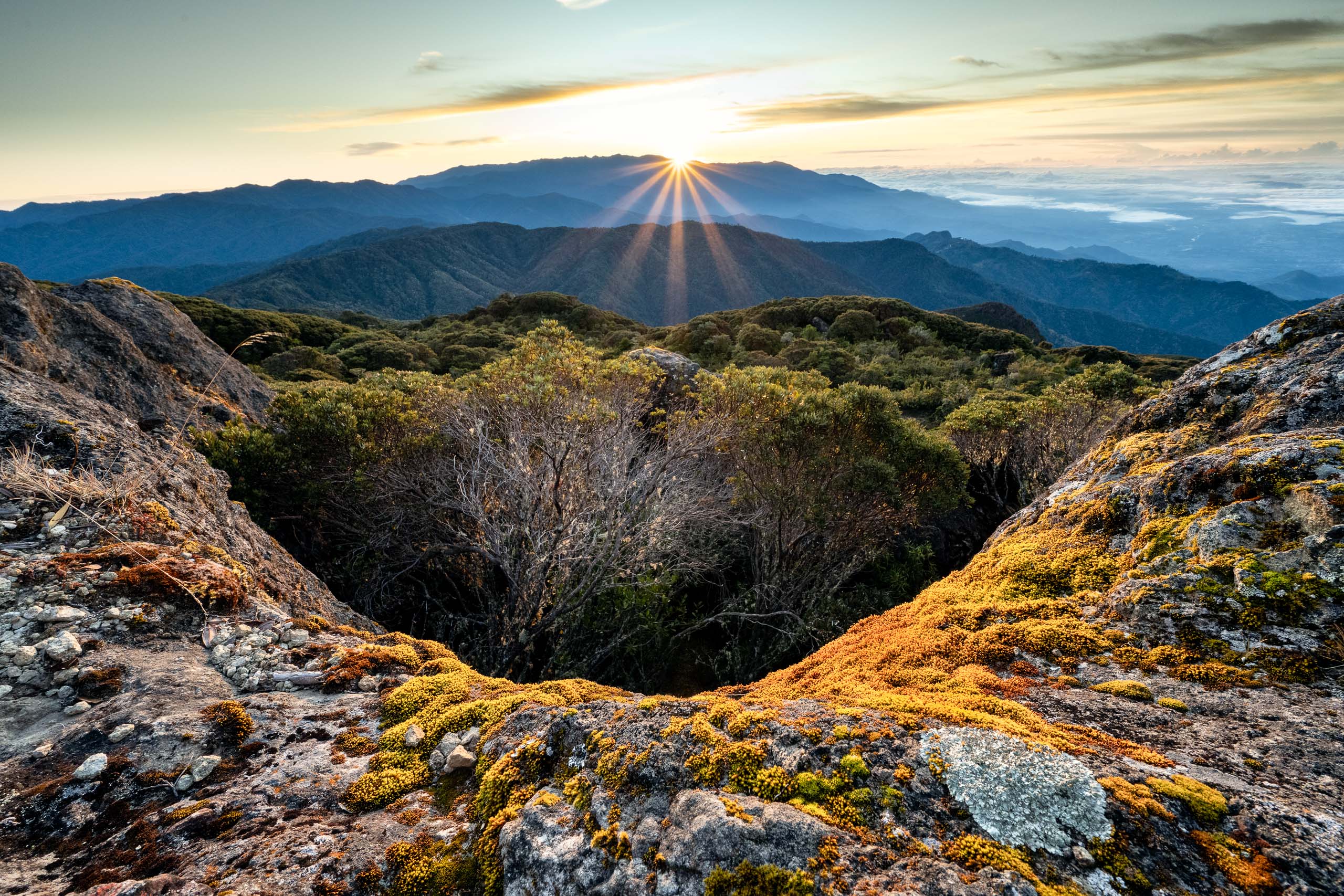
Cerro the la Muerte, Los Quetzales National Park and Parque Nacional Chirripo. The Realm of the Tapir

The Human impact

Despite their ecological importance, Baird’s tapirs face a tough future. Once widespread across Central America, their populations have plummeted in recent decades. Habitat loss is the primary threat, driven by deforestation for cattle ranching, agriculture, and the expansion of roads and settlements. Even in the protected areas like Los Quetzales National Park, high in the Talamanca Mountains, the tapir is not safe. As the boundaries of human development come closer, roads now cut through critical habitats, forcing tapirs to navigate dangerous crossings in search of food and mates. In Costa Rica alone, dozens of tapirs are killed each year by vehicles, their slow movements and their poor eyesight, are no match for the speed and carelessness of reckless drivers, whose impatience turns roads into death traps for these gentle creatures. These collisions are now one of the leading causes of tapir deaths in the region.

Baird’s tapirs are long-distance travelers, wandering through big stretches of forest in search of food, mates, and shelter. As roads, farms, and development continue to fragment the land, these natural pathways are breaking apart. In the Talamanca Mountains and beyond, the future of the tapir depends on reconnecting what has been divided and rebuilding these connections is one the most important steps we can take.

And then, there is the biggest threat of all, the slow shift of climate change. Cloud forests are home to the tapir, sensitive ecosystems, that exist in a delicate equilibrium, finely tuned to a narrow band of temperature and humidity. As the planet warms, clouds that once wrapped these forests in moisture, begin to form higher in the atmosphere, starving these highland forests. For the tapir, this shift is more than atmospheric, it alters everything: the timing of fruiting trees, the growth of plants, the rhythms of reproduction. The cool, wet refuge that sustained them begins to retreat uphill, until there’s nowhere left to go. And in a forest built on mist, even a few missing clouds can tip the balance between survival and silence.

We may not see the vanishing clouds from our cities, but for the tapir, the loss means a narrow window for survival. If their world fades into silence, a part of ours goes with it too.

Today, less than 4,500 Baird’s tapirs remain in the wild, scattered across fragmented populations from southern Mexico to northwestern Colombia. The IUCN lists them as Endangered, with Costa Rica considered one of their last strongholds.

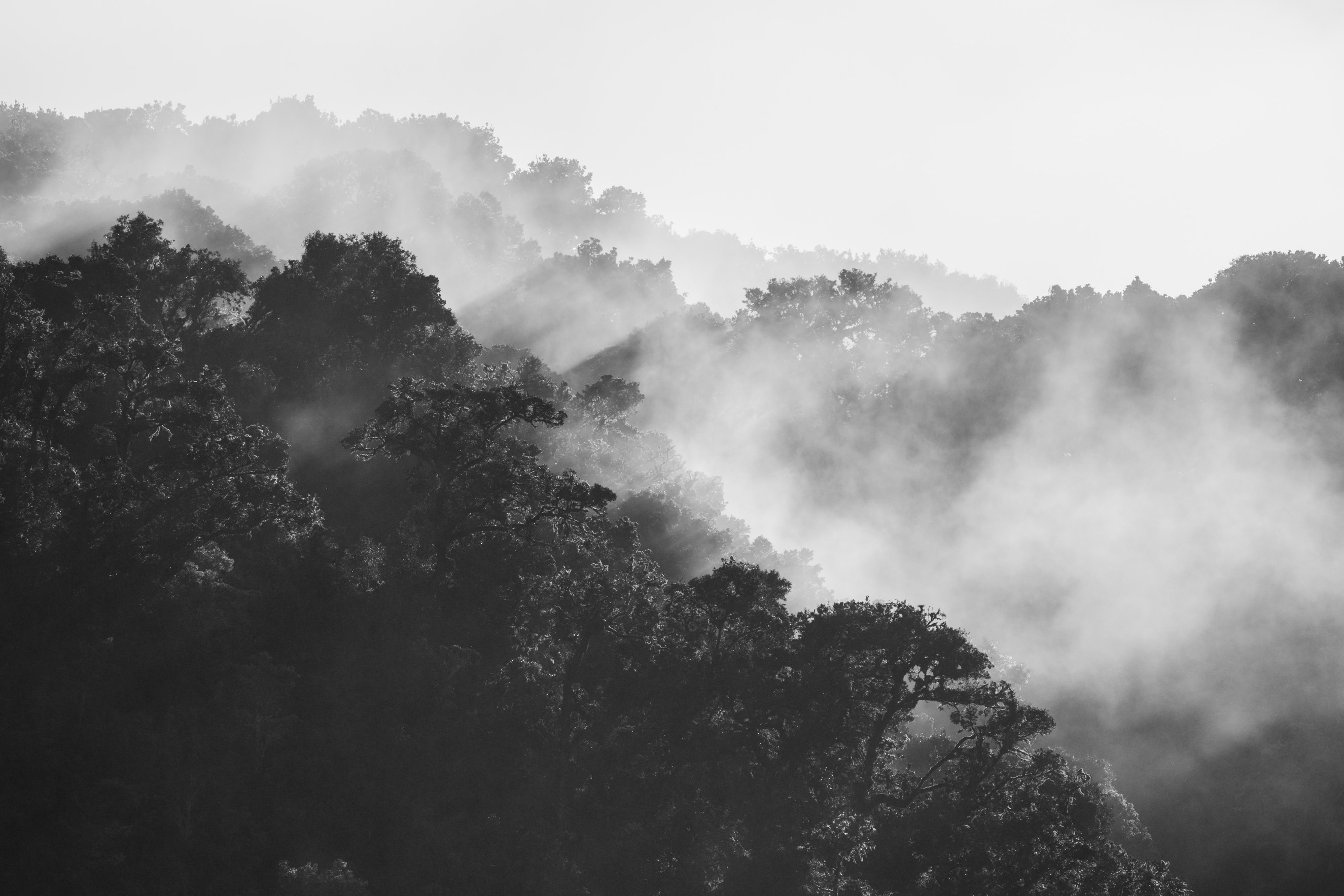
Ethereal clouds roll through the ancient oak forest, delivering life-giving moisture that sustains this delicate highland ecosystem.

The imposing silhouette of a Baird’s tapir looms against the night sky, a gentle giant navigating its cloud forest kingdom under the cover of darkness.

The cloud forest transforms at dusk, shrouded in deepening mist as day surrenders to night—the hour when the secretive tapir begins its ancient ritual of forest renewal.

Projects like the Baird’s Tapir Survival Alliance, are bringing together scientists, conservationists and communities across borders to confront threats with a unified, holistic approach. Their efforts include everything from habitat restoration, community-driven ecotourism and perhaps one of the most powerful tools is environmental education. In Costa Rica children are learning to recognise tapir tracks before they’ve ever seen the animal itself. The early lessons are not only biology lessons, but they help cultivate a sense of wonder, connection and responsibility. By inspiring young minds to care for the animals that share their forests, so that the next generation will carry the torch for these ancient guardians for the wild. This kind of environmental education is a necessity. It should be a priority not just in Costa Rica, but across all of Latin America. It’s striking that many children here can describe an elephant, an animal from across the ocean, yet have never seen or even hear of a tapir, a species that has quietly roamed their own forests for so many years.

Reconnecting young people and local communities with the wild heritage of their own land may be one of the most important step we can take, not just to save the tapir, but to awaken our relationship with the natural world.

The cloud forest’s shifting moods throughout the day: dawn’s golden light pierces the mist, midday’s ethereal haze envelops the canopy, afternoon’s muted shadows deepen among ancient oaks, and twilight’s mysterious veil descends—each transition revealing different rhythms of this living highland sanctuary.

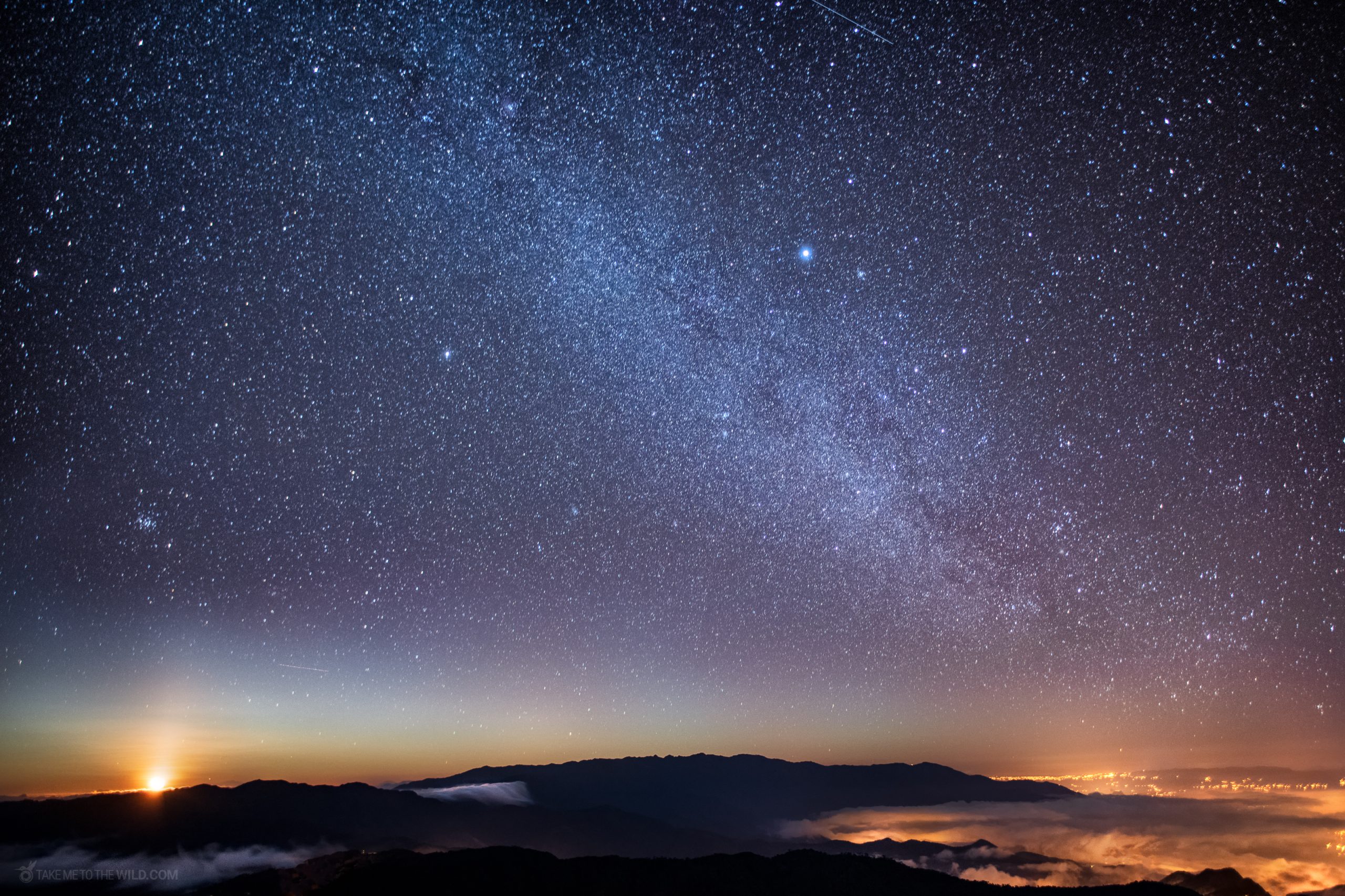
The Milky Way above Chirripó’s cloud forest realm, a cosmic canopy watching over the dance between tapirs and the misty highlands they help sustain.

Conservation

Hope for Baird’s tapir is not lost, but relies on urgent, coordinated action. Across Central America, a growing network of researchers, conservationists, and local communities is working to protect this gentle giant and the intricate forest web it helps sustain.

In Costa Rica, camera traps and GPS collars are providing glimpses into the tapir’s secretive life. With this data researchers can map movement corridors, detect danger zones where roads and wildlife paths collide and and identify critical habitats for protection.

Moonlight illuminates clouds rolling through the nocturnal forest, creating a stage where tapirs roam unseen beneath this celestial theater of mist and shadow.

Hope

There’s something deeply humbling about seeing a Baird’s tapir in the wild, not behind glass or in a Zoo, but on its environment, in the forest, under the ancient trees. In that moment your are not just observing an animal, your are witnessing something truly special, like nature just gave you an incredible gift. You’re reminded that you belong to something greater, that you are not outside of nature, but within it. This sense of wonder, of connection, is something that we need to rekindle in ourselves. Nature, in its most raw and unfiltered form, offers us some of life’s most powerful gifts, not only beauty, but lessons in patience, balance, resilience and humility.

We should step outside of the bubbles we’ve built and return to the places that shaped us, the rivers, the ocean, the woods, the mountains. When we walk these trails, feel the cool air of a forest, or catch a glimpse of animals tracks pressed into the mud, we begin to understand, we begin to care. I wish everyone could feel what I felt that night, a deep, wordless sense of awe, standing in the presence of a wild creature simply living its life. That kind of moment doesn’t just change how you see the animal, but how you see the world, and your place in it.

There is still time, and we are all invited to be part of the tapir’s story. Let this story be a seed, let it grow into a curiosity to see the world with new eyes, to step outside and listen, not to the noises of people or cars, but to the wind through leaves and birdcalls. To visit nature not as tourists, but as part of it. To teach your children not just names of animals from faraway lands, but to introduce them to the ones next to you. We are all part of something vast, beautiful and worth fighting for.

In stark black and white, the ancient silhouette of a Baird’s tapir emerges from darkness — moving through the misty forest, its presence as essential to these highlands as the clouds themselves.

The Oak and the Stars

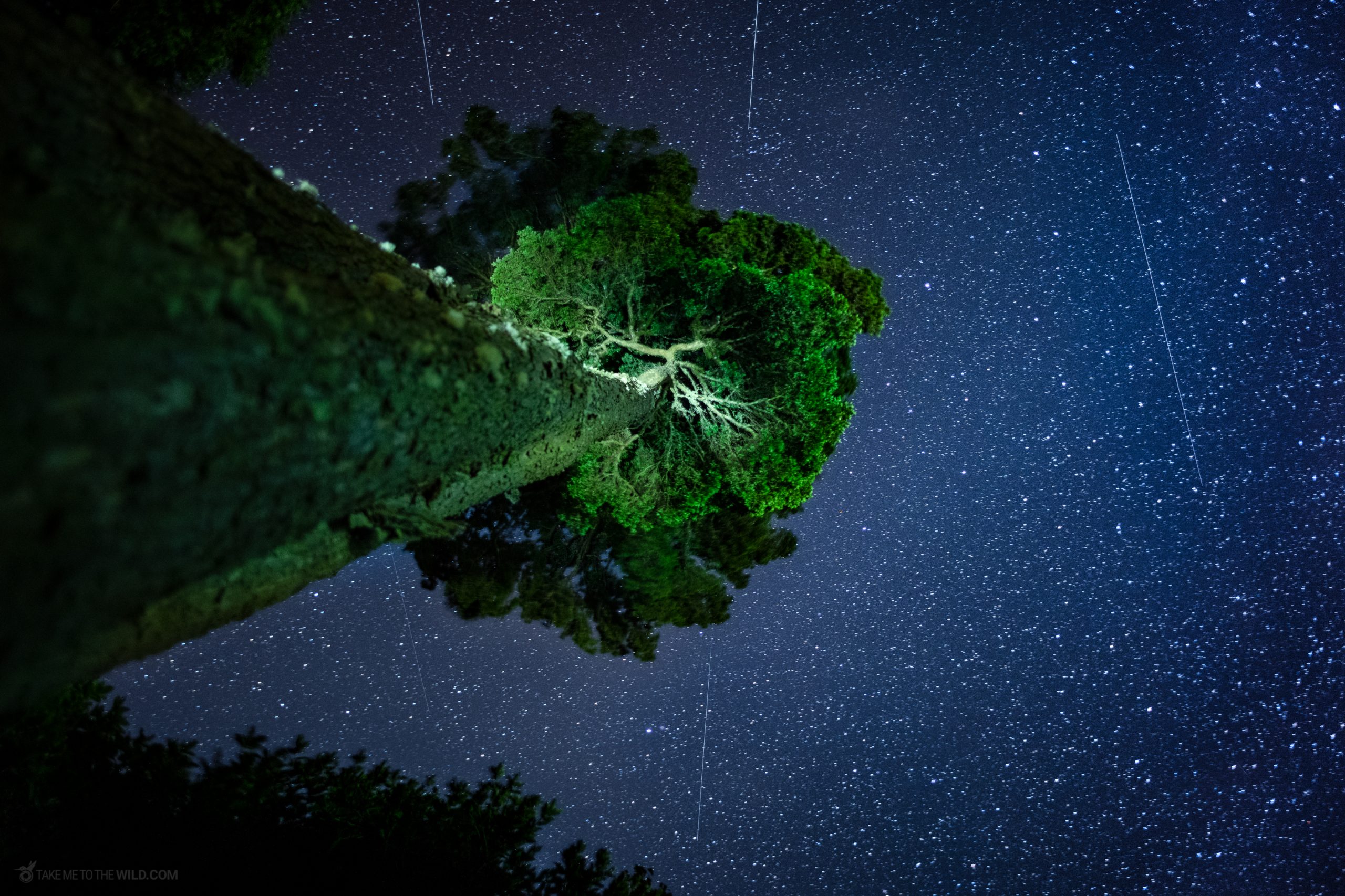
A venerable oak stands sentinel against a canvas of stars, shooting meteors streaking overhead—this ancient tree and the night sky form a alliance that has witnessed countless generations of tapirs shaping the forest below.

In the gentle darkness, a Baird’s tapir’s soulful gaze reveals its calm, contemplative nature—a quiet wisdom earned through millennia as the forest’s most devoted cultivator.


All images in this website and any other source like Instagram, 500px, are © Copyright of Chris Jiménez & TakeMeToTheWild and available for license use. Excerpts and links may be used, provided that full and clear credit is given to Chris Jimenez and TakeMeToTheWild® with appropriate and specific direction to the original content. 

All images of this website are also Free to use for education or conservation purposes license. My images are free to use for any conservation and education purposes. You qualify if for example, you are an NGO or NPO, if you would like to use my pictures on your presentation or conservation website or in your school project. Please contact us explaining your use case.

Have a project in mind?

Get In Touch

GEAR

The photography gear used in this story. Click on the items for more details.
CAMERAS

Sony Alpha 7R V

DJI Mavic 3 Pro

LENSES

Sony FE 16-35mm f/2.8 GM

Sony FE 40-70mm f/2.5 G

Sony FE 20mm f/1.8 G

ACCESORIES

Peak Design Travel Tripod

F-stop 50L Mountain Series Tilopa Backpack


Lights Out: The Crucial Role of Dark Beaches in Sea Turtle Survival

Lights Out: The Crucial Role of Dark Beaches in Sea Turtle Survival

Photography and Writing by Chris Jimenez

PUBLISHED AUGUST 2023, 15 MIN READ

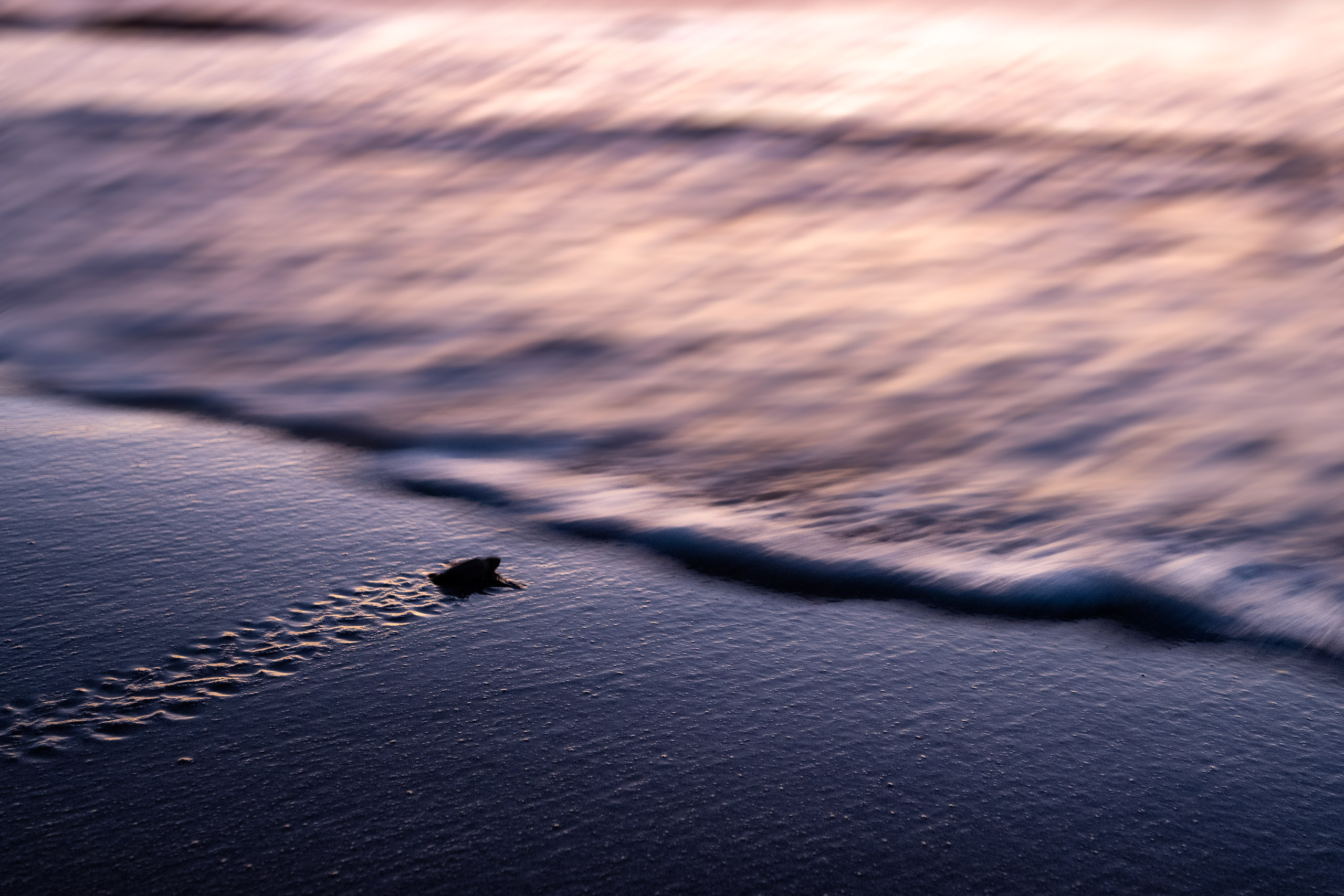
The coasts of Costa Rica are caressed by two seas, the Pacific Ocean on the west, the Caribbean Sea to the east, and these stretch out in long, unbroken swaths of sand that dance with the rhythm of the waves. Here, between the rush of the ocean and the whisper of the beach, the stage is set.

Read More