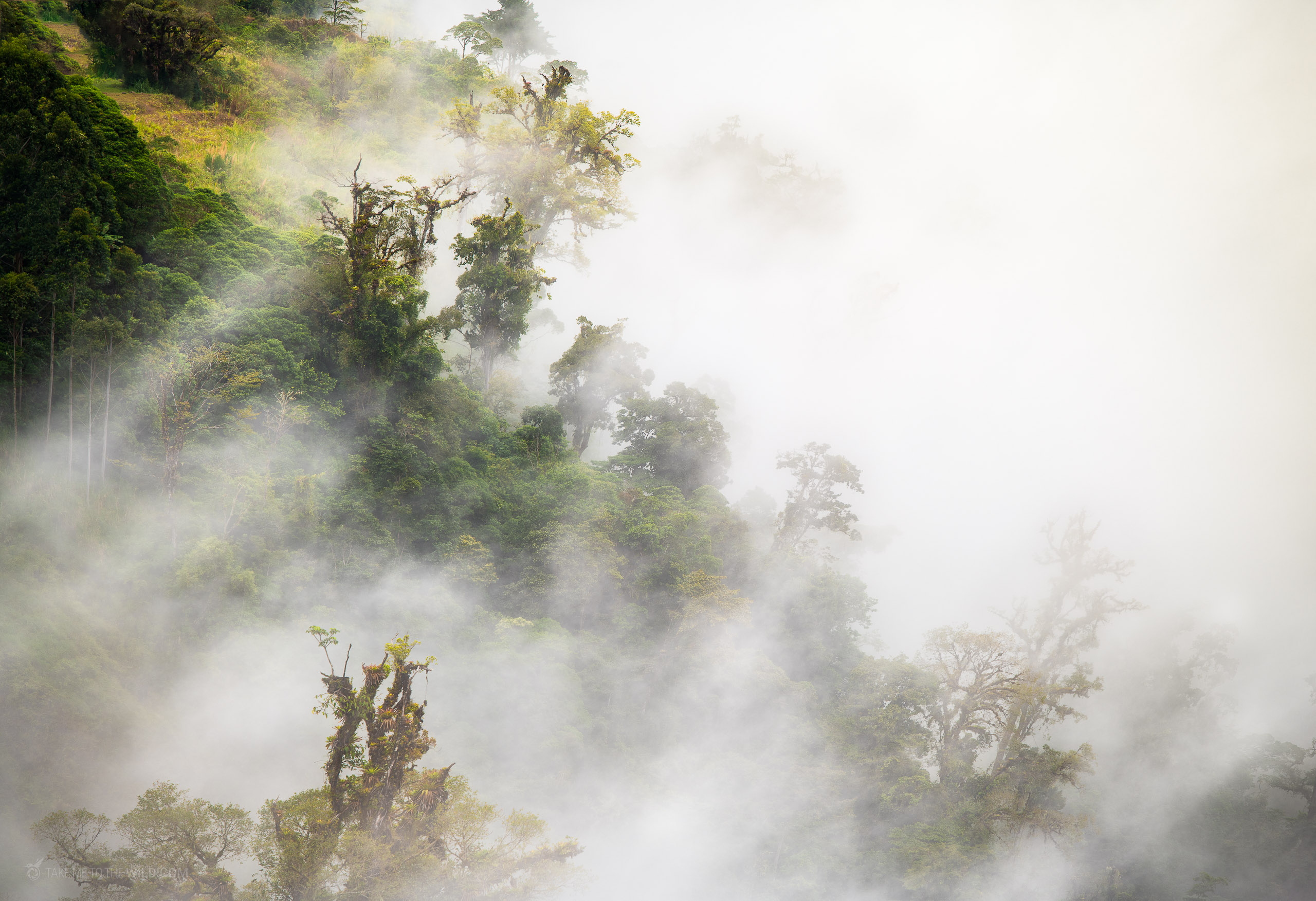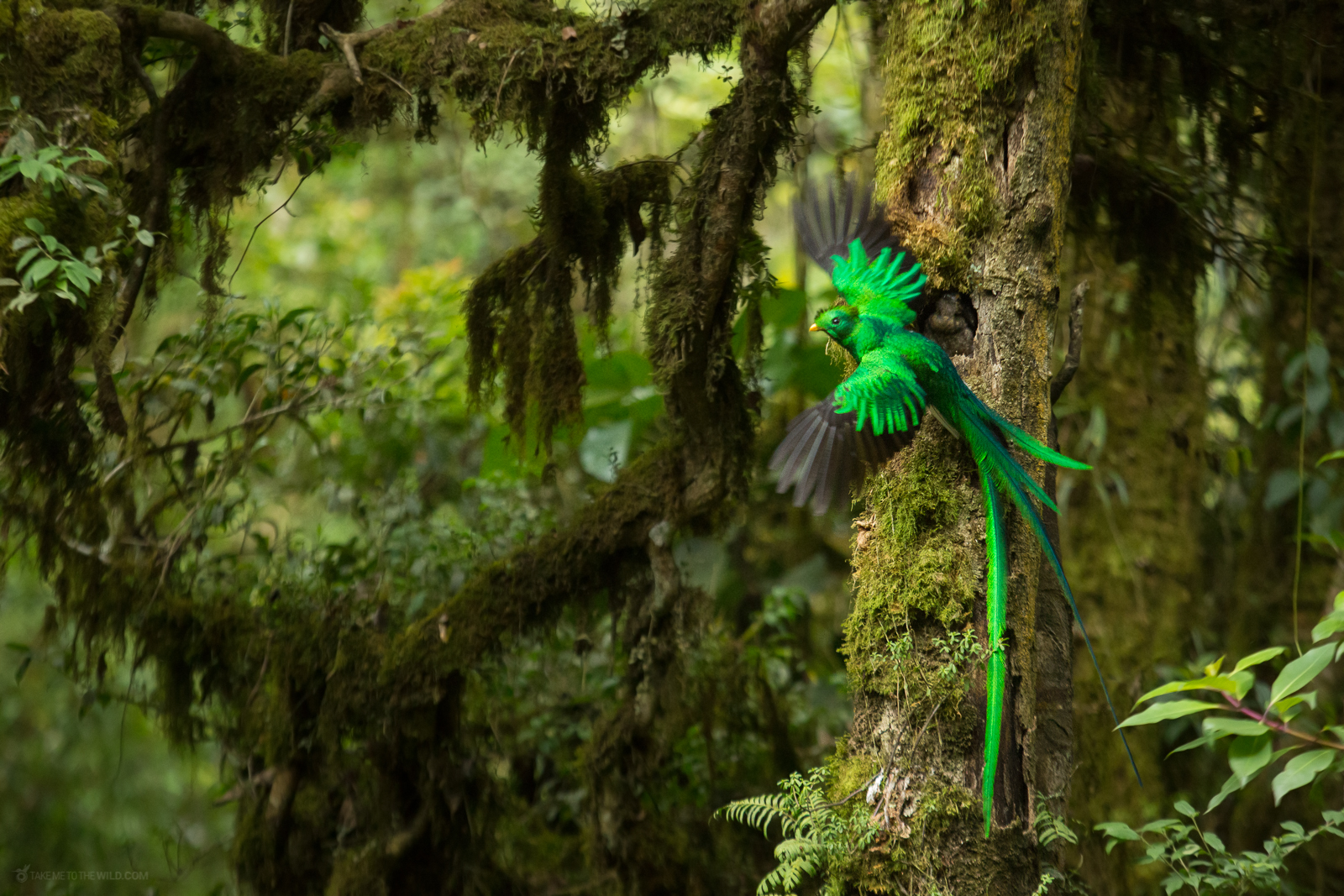
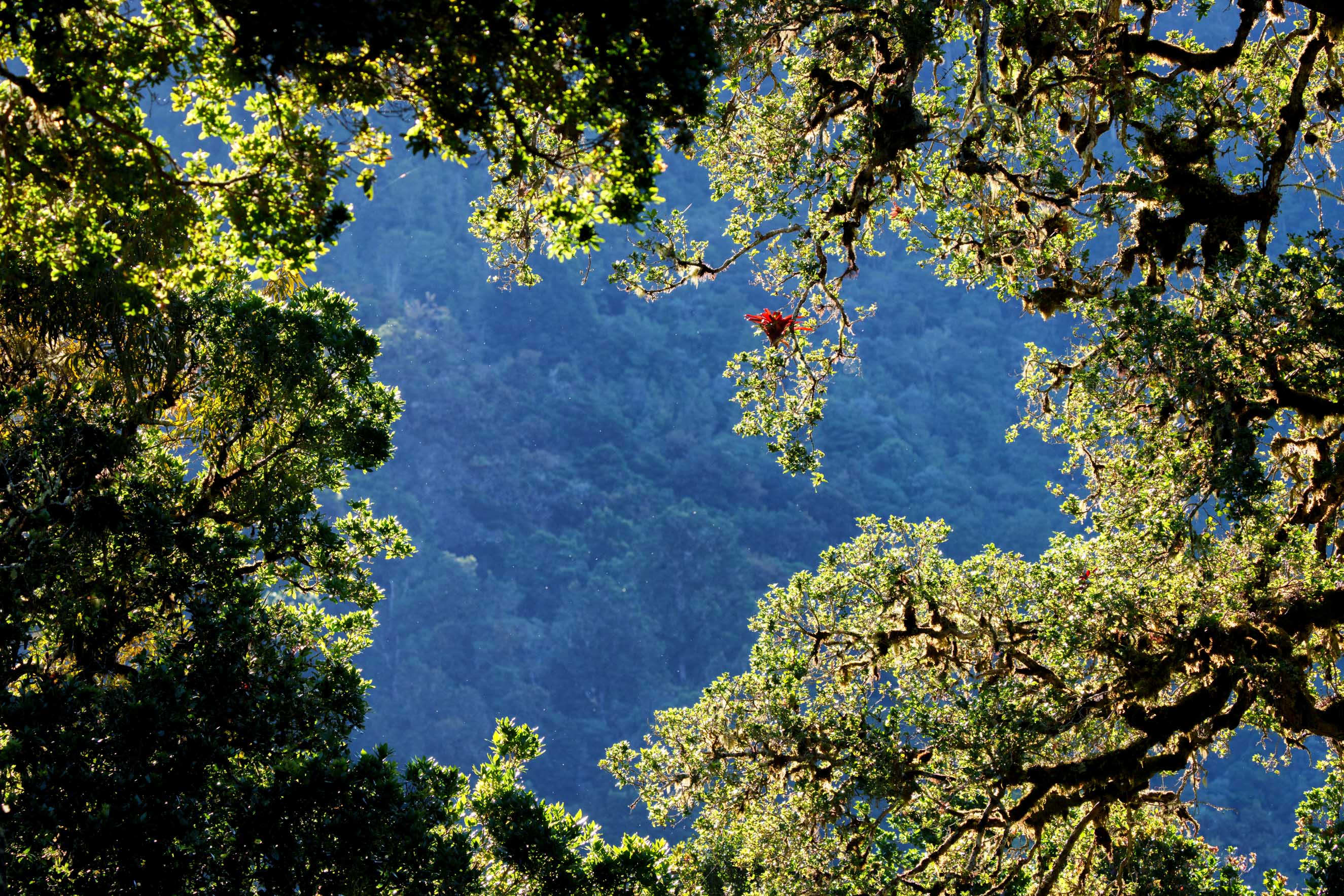
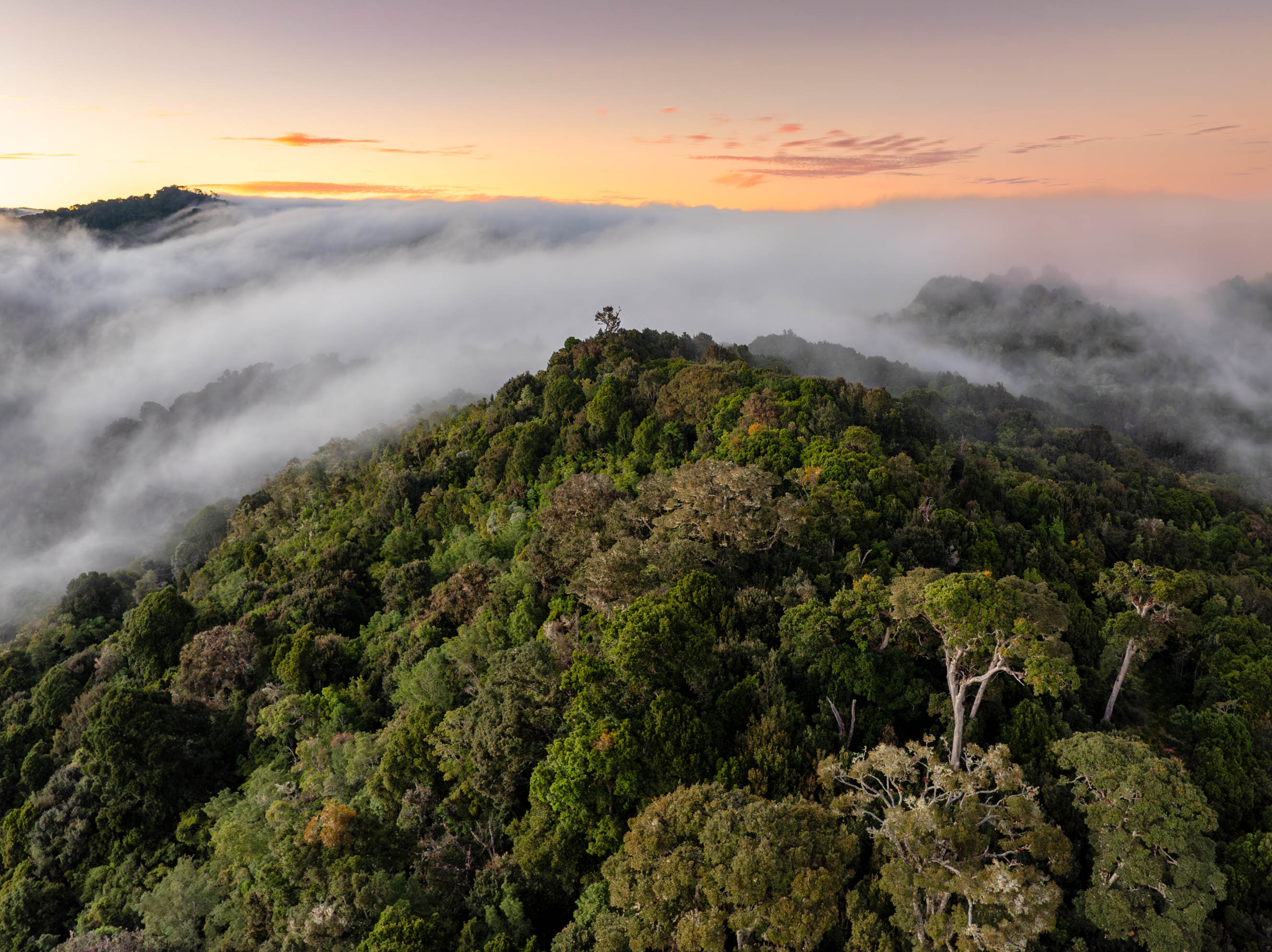
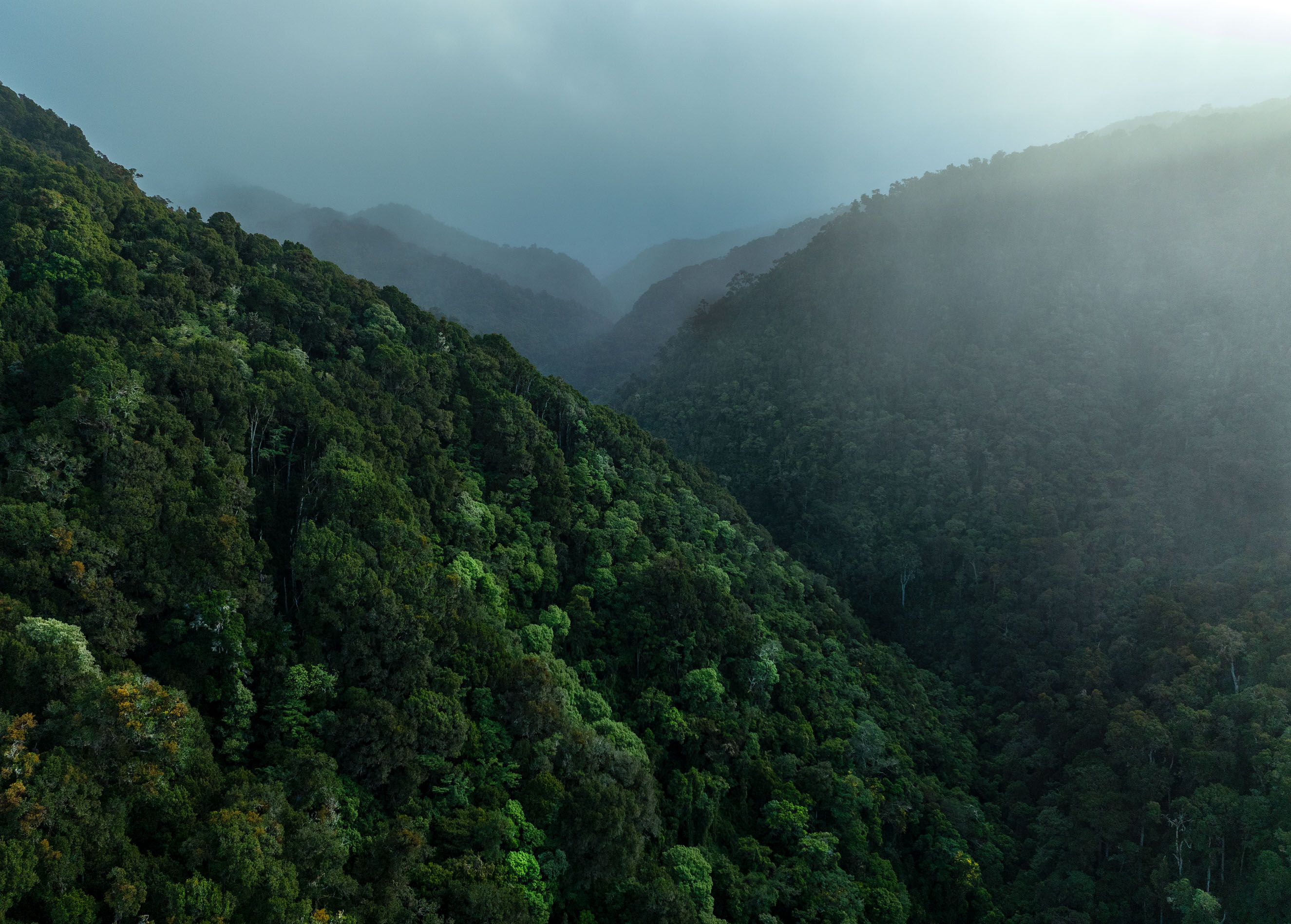
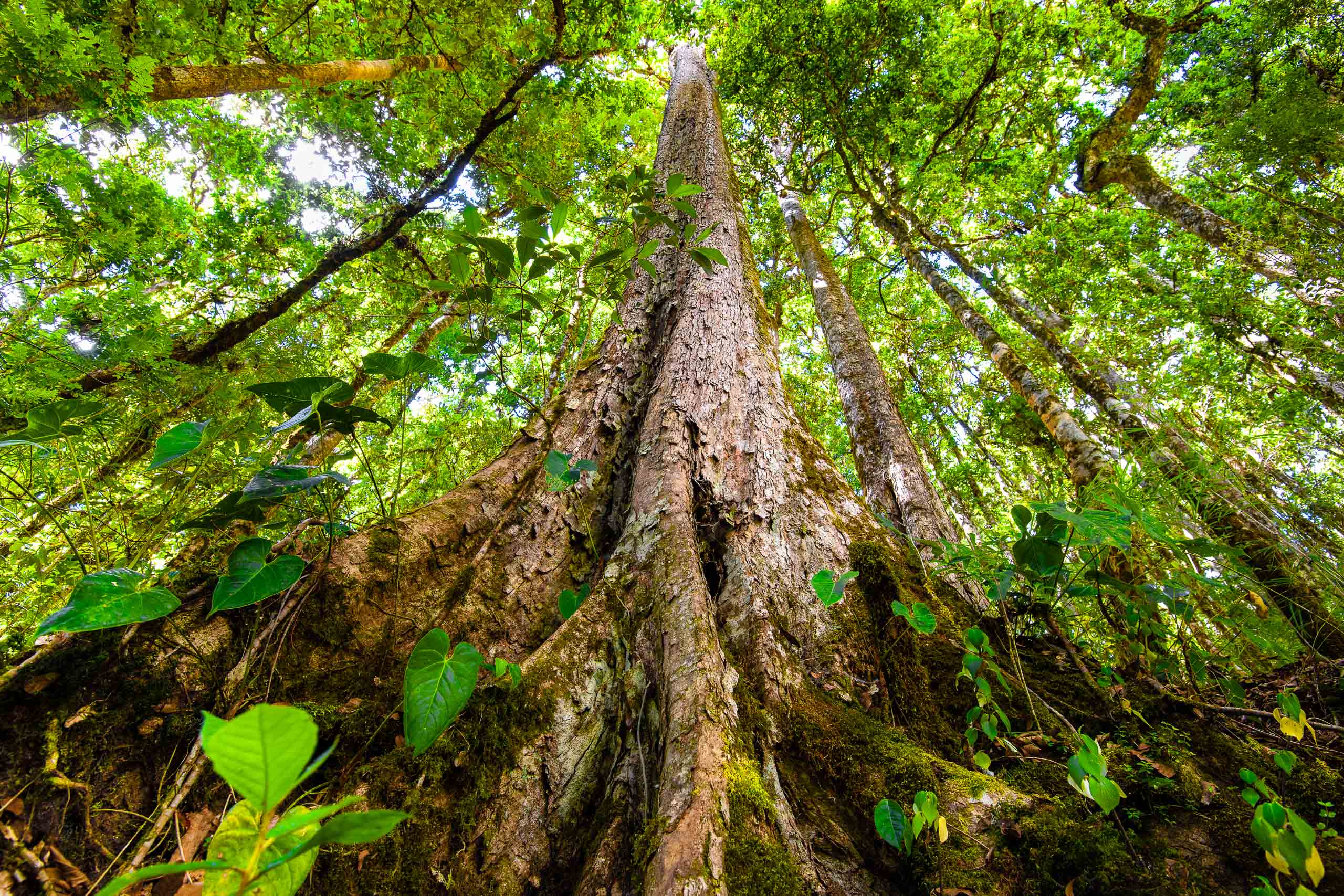
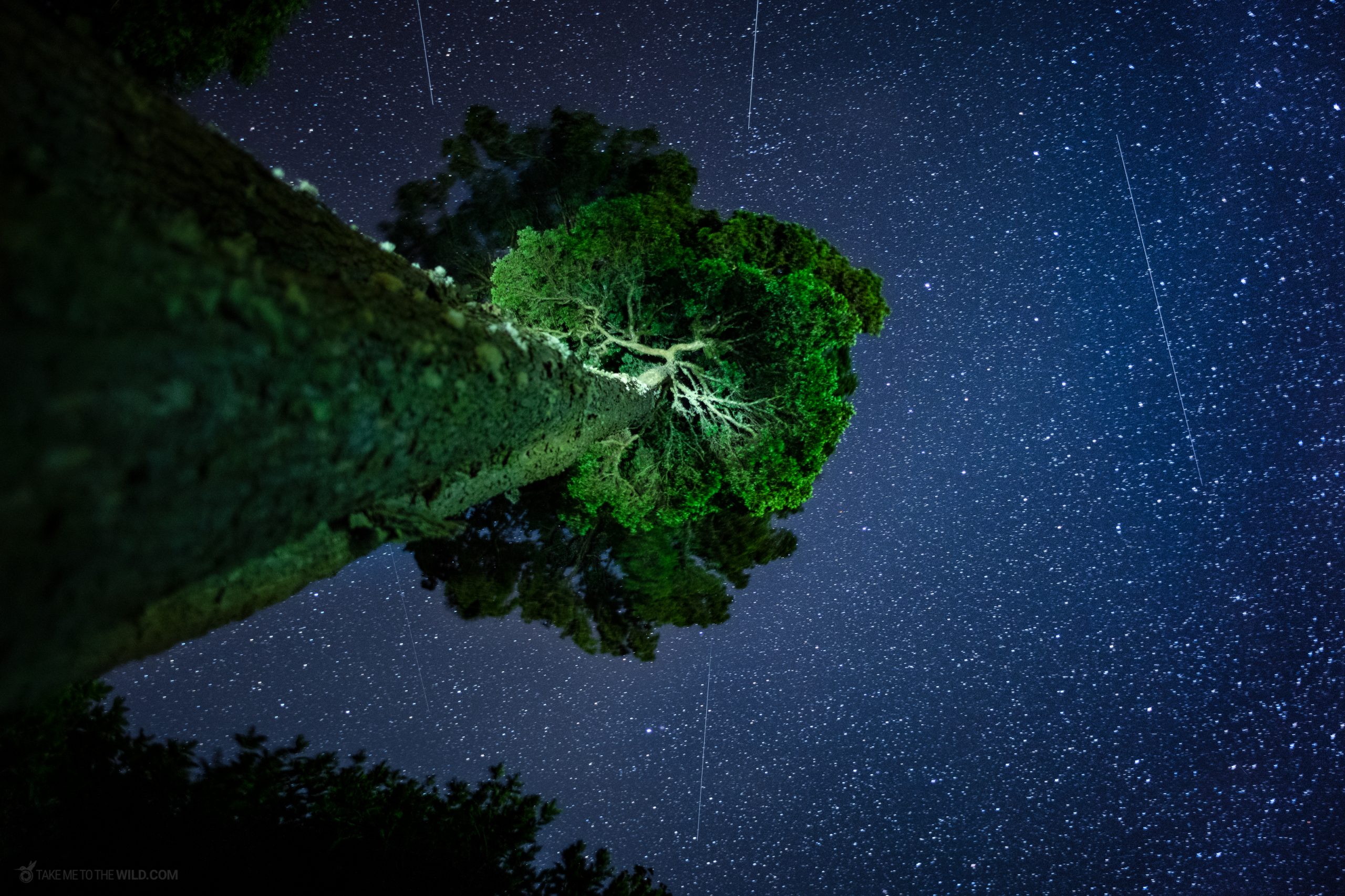
High in the Talamanca Mountains of Costa Rica, Los Quetzales National Park is the home of one of the planet’s most enchanting ecosystems: the cloud forest. Here, the air is thin and cool, with an earthy perfume of wet moss, wild orchids, and the realm of ancient trees. Moisture clings to every surface, nourishing a forest suspended in mist, a world where time feels slower and softer. Here ancient oak trees stand tall with their branches loaded with mosses, ferns, and bromeliads that sip water straight from the clouds, and you can hear birds call through the fog.
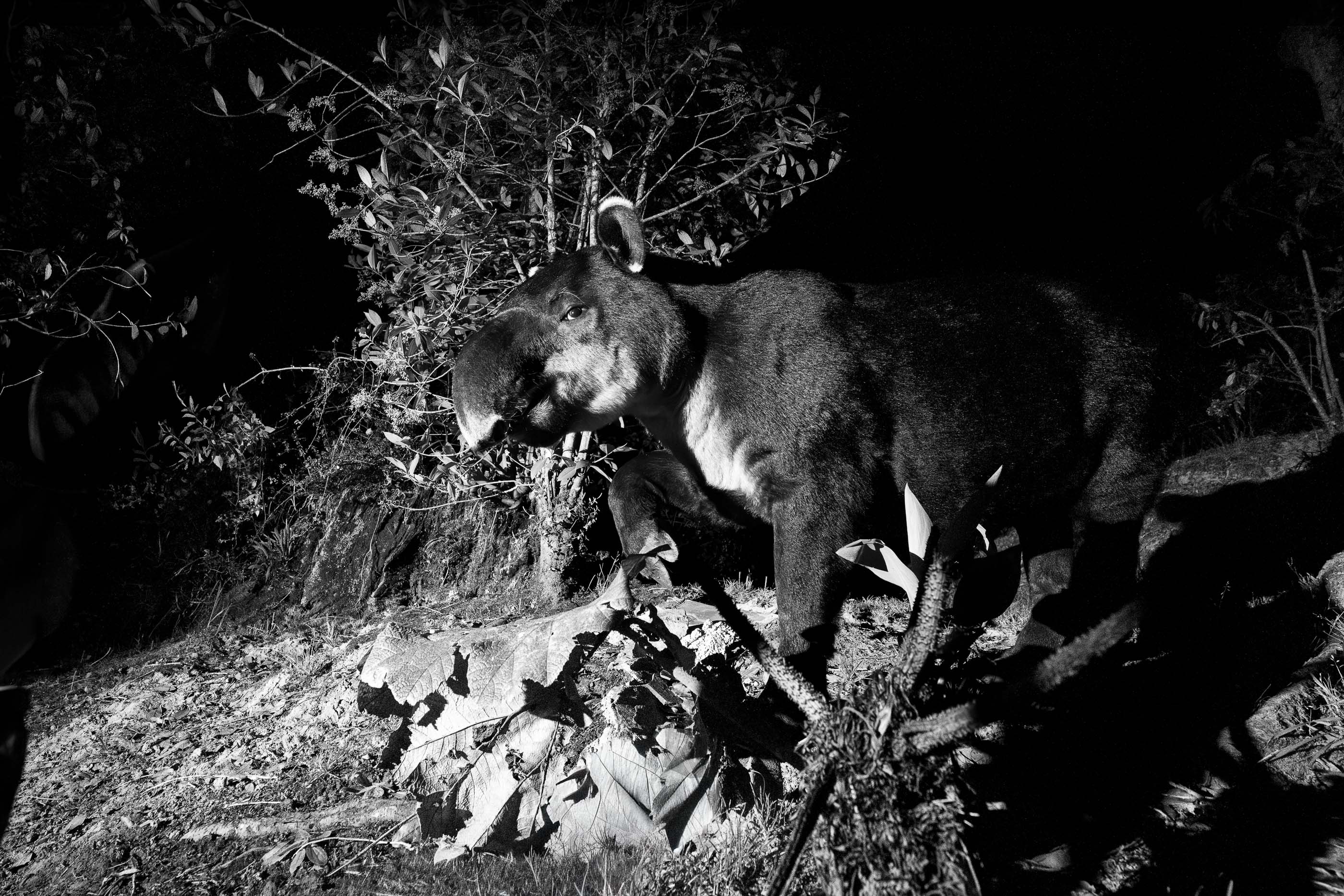
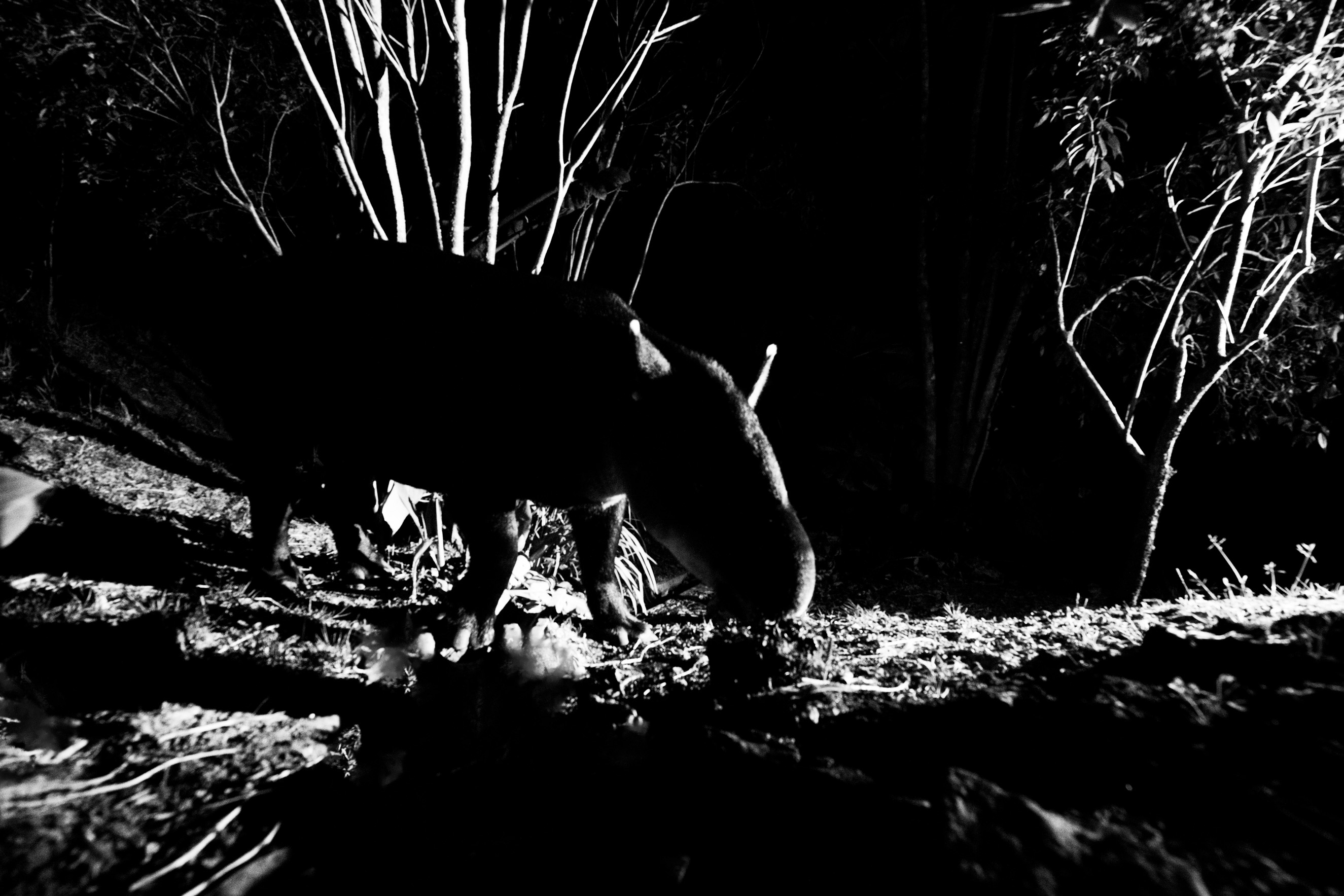
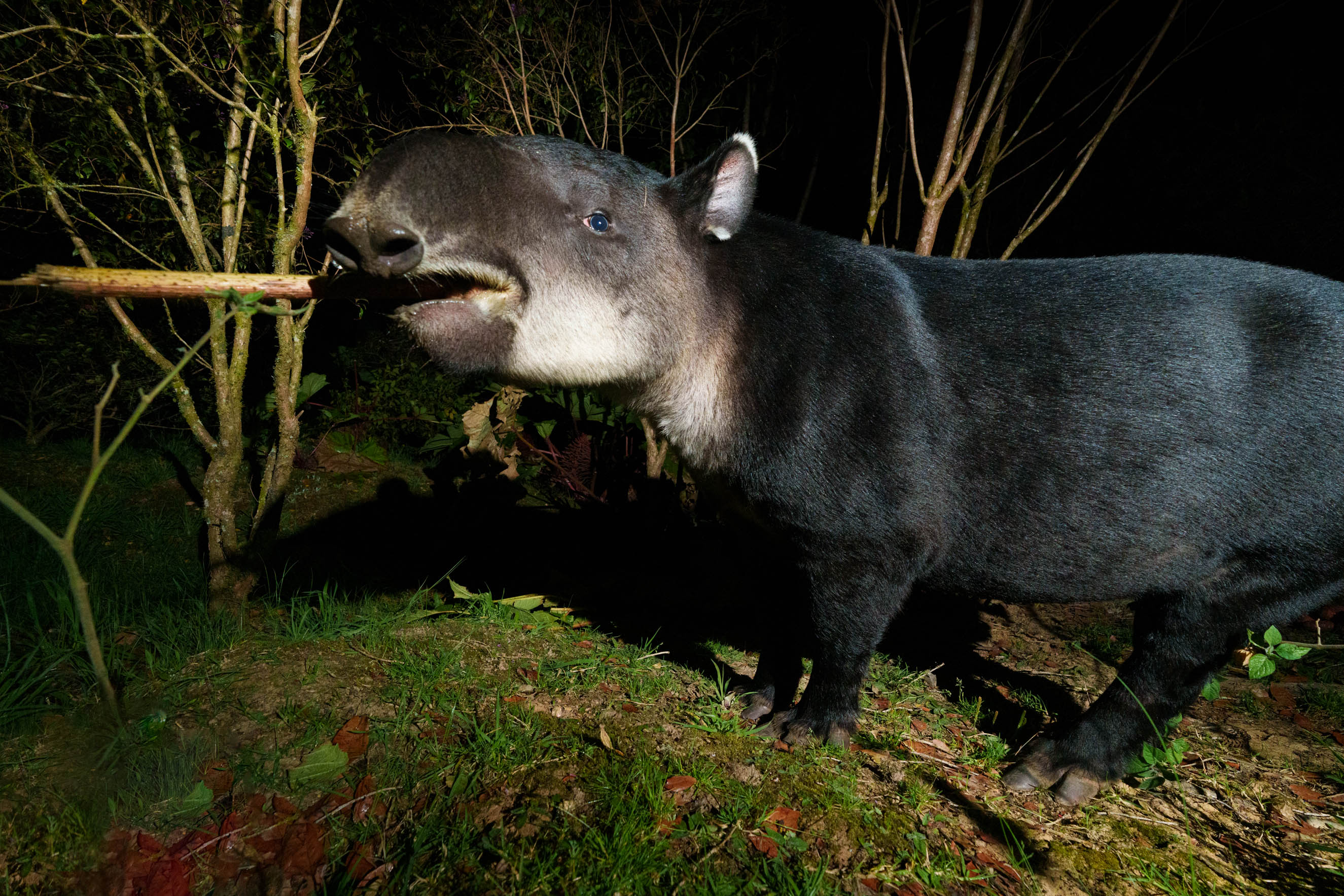
Among the most enigmatic inhabitants of this wonderful world is the Baird’s tapir, a creature as ancient as the forest itself, and Costa Rica’s largest land mammal. I didn’t truly understand what that meant until the night I saw one with my own eyes. It was late, in the heart of the forest, when a shape emerged from the shadows. At first, I wasn’t sure it was real, a quiet figure moving slowly, nibbling on leaves.
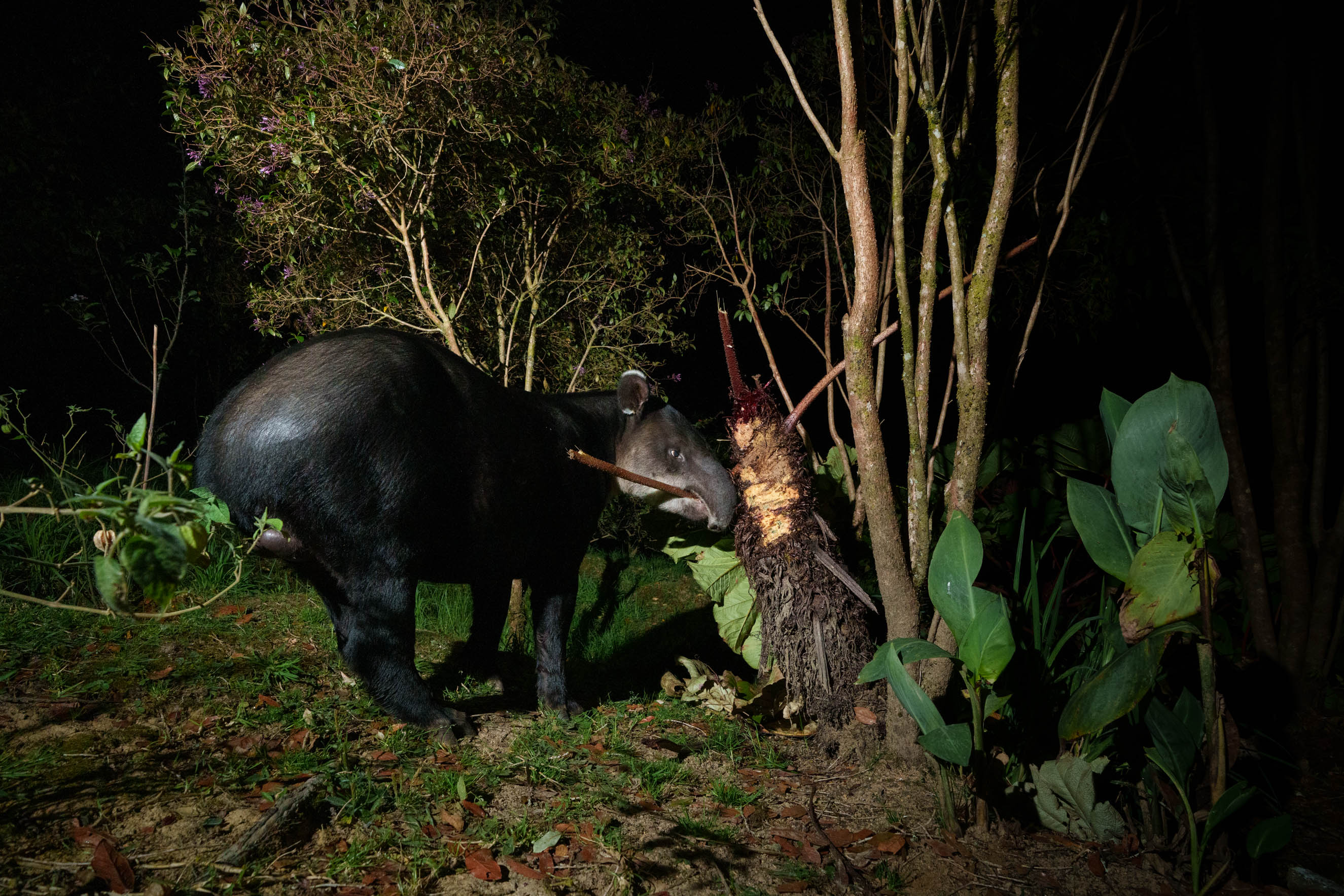
With its sturdy, barrel-like body, short legs, and long, flexible snout, it looked unusual at first glance, almost prehistoric. But what struck me most was its movements. Despite its big size, growing up to 1.5 meters in length and weighing as much as 250 kilograms, the tapir moves with surprising grace, stepping softly through the forest undergrowth, as if careful not to disturb the forest it helps shape.
Shy, solitary, and mostly nocturnal, the Baird’s tapir rarely reveals itself to human eyes.
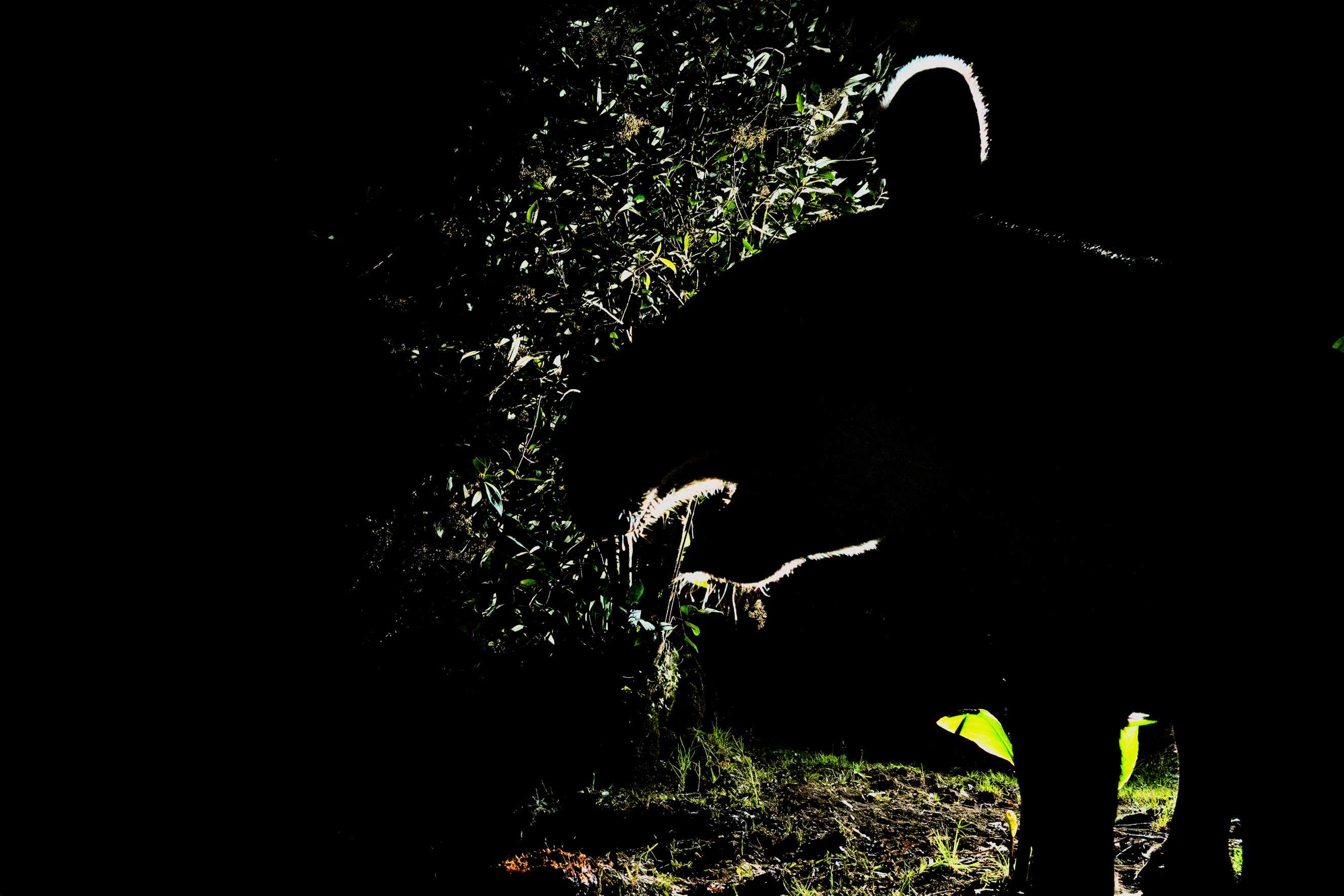
That night was a rare gift. To encounter one is to witness something deeply primal, a glimpse into the ancient gentle soul of the forest. It’s no surprise that it holds such deep spiritual meaning for many indigenous communities across Central America. In their stories, the tapir is not simply an animal, but a guardian of the forest, a quiet keeper of balance and renewal, walking softly through the same trails its ancestors have walked for thousands of years.
This role is more than symbolic. As dusk falls, the tapir sets out on its journey, foraging for leaves, twigs and fallen fruits. With each step, it carries the forest’s future within it. Seeds from more than a hundred plant species pass through its digestive system and are scattered across the forest floor, a quiet act of regeneration that helps shape the landscape it walks through.
“Seeds from more than a hundred plant species pass through its digestive system and are scattered across the forest floor, a quiet act of regeneration that helps shape the landscape it walks through.”
For this, the tapir has earned the title “gardener of the forest.” Ecologists consider it a keystone species, one whose presence is essential to the health, diversity, and resilience of the ecosystem. In every way, it fulfils its ancient role: nurturing life in silence, step by step, season after season.
The Human Impact
Despite their ecological importance, Baird’s tapirs face a tough future. Once widespread across Central America, their populations have plummeted in recent decades. Habitat loss is the primary threat, driven by deforestation for cattle ranching, agriculture, and the expansion of roads and settlements. Even in the protected areas like Los Quetzales National Park, high in the Talamanca Mountains, the tapir is not safe. As the boundaries of human development come closer, roads now cut through critical habitats, forcing tapirs to navigate dangerous crossings in search of food and mates. In Costa Rica alone, dozens of tapirs are killed each year by vehicles, their slow movements and their poor eyesight are no match for the speed and carelessness of reckless drivers, whose impatience turns roads into death traps for these gentle creatures. These collisions are now one of the leading causes of tapir deaths in the region.
Baird’s tapirs are long-distance travelers, wandering through big stretches of forest in search of food, mates, and shelter. As roads, farms, and development continue to fragment the land, these natural pathways are breaking apart. In the Talamanca Mountains and beyond, the future of the tapir depends on reconnecting what has been divided and rebuilding these connections is one of the most important steps we can take.
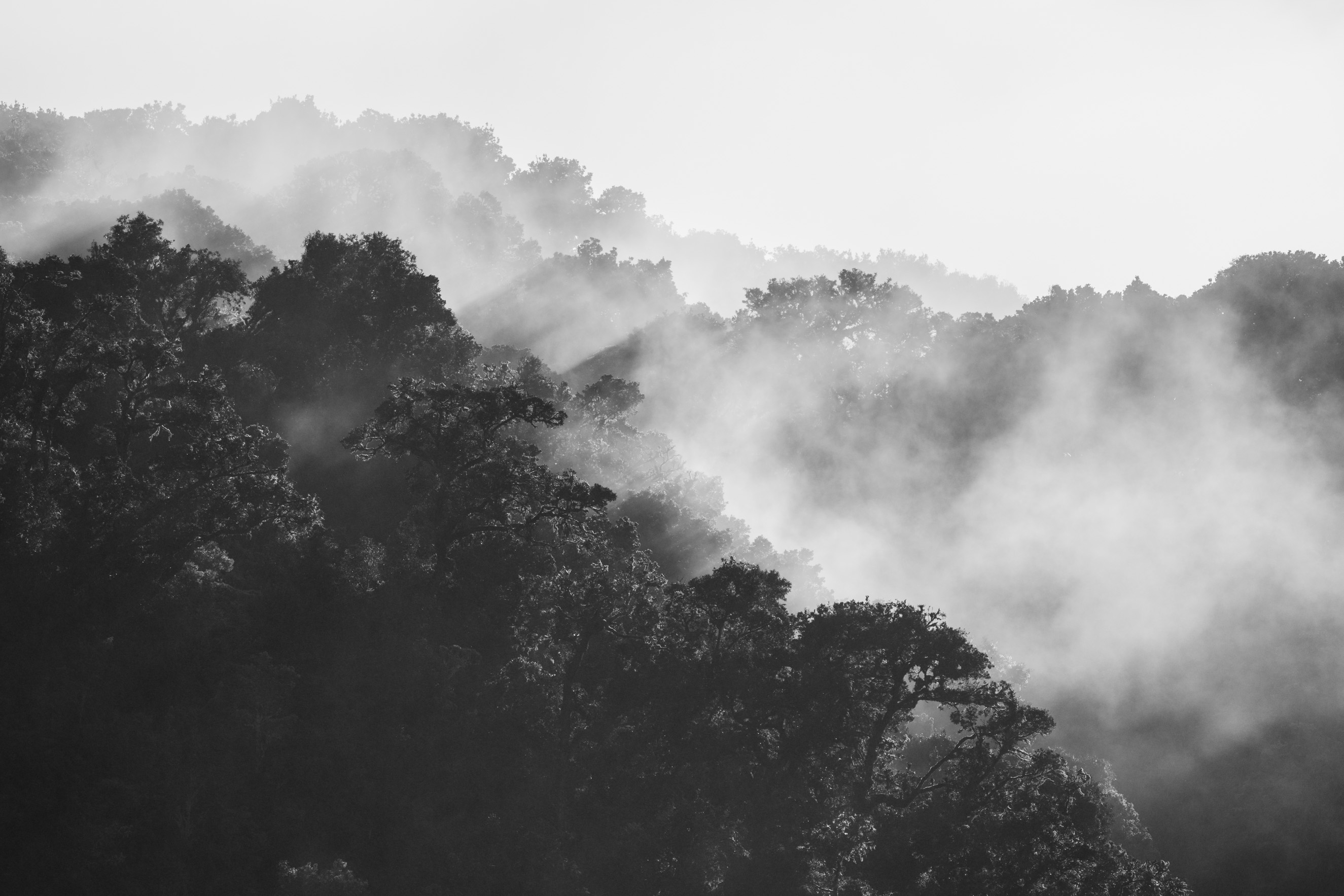
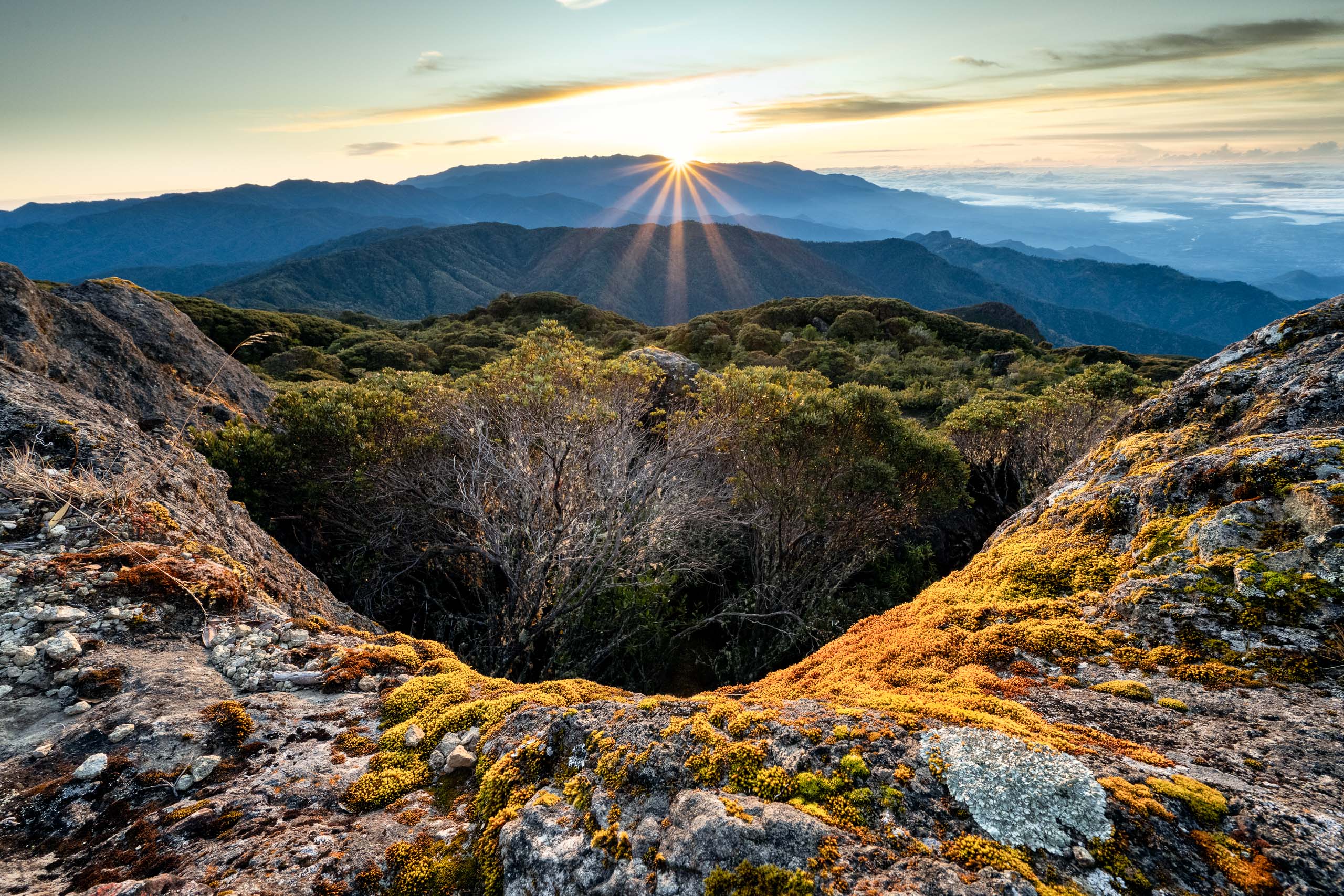
And then, there is the biggest threat of all, the slow shift of climate change. Cloud forests are home to the tapir, sensitive ecosystems that exist in a delicate equilibrium, finely tuned to a narrow band of temperature and humidity. As the planet warms, clouds that once wrapped these forests in moisture begin to form higher in the atmosphere, starving these highland forests. For the tapir, this shift is more than atmospheric, it alters everything: the timing of fruiting trees, the growth of plants, the rhythms of reproduction. The cool, wet refuge that sustained them begins to retreat uphill, until there’s nowhere left to go. And in a forest built on mist, even a few missing clouds can tip the balance between survival and silence.
We may not see the vanishing clouds from our cities, but for the tapir, the loss means a narrow window for survival. If their world fades into silence, a part of ours goes with it too.
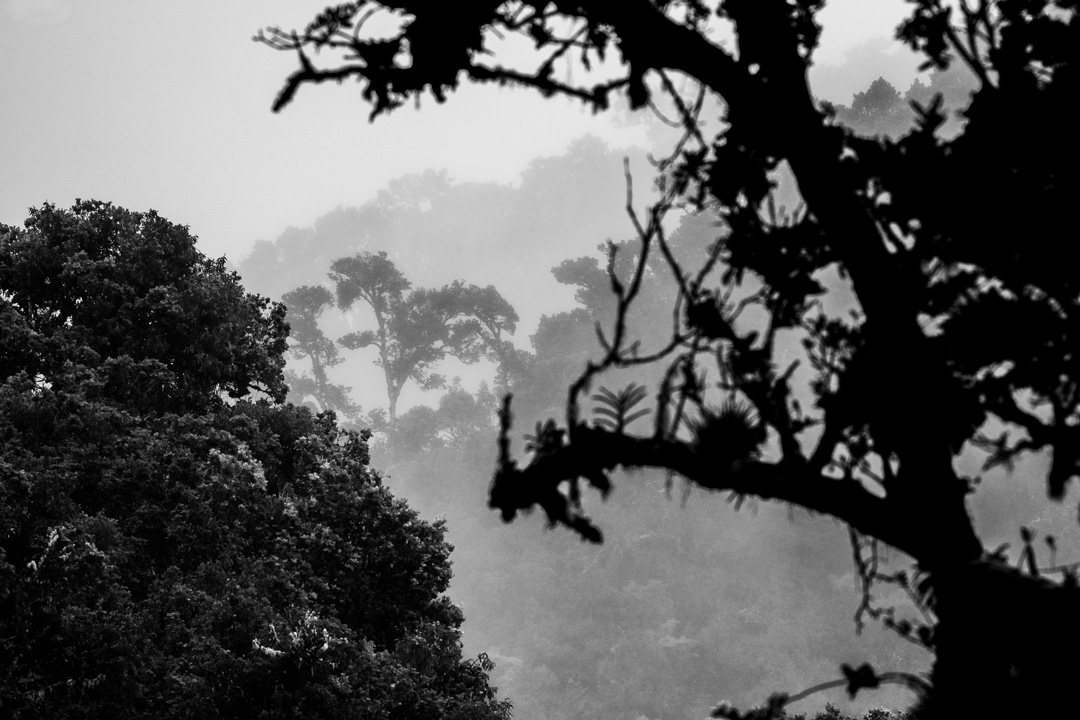
Today, less than 4,500 Baird’s tapirs remain in the wild, scattered across fragmented populations from southern Mexico to northwestern Colombia. The IUCN lists them as Endangered, with Costa Rica considered one of their last strongholds.

Conservation
Hope for Baird’s tapir is not lost, but relies on urgent, coordinated action. Across Central America, a growing network of researchers, conservationists, and local communities is working to protect this gentle giant and the intricate forest web it helps sustain.
In Costa Rica, camera traps and GPS collars are providing glimpses into the tapir’s secretive life. With this data researchers can map movement corridors, detect danger zones where roads and wildlife paths collide and identify critical habitats for protection.
Projects like the Baird’s Tapir Survival Alliance are bringing together scientists, conservationists and communities across borders to confront threats with a unified, holistic approach. Their efforts include everything from habitat restoration, community-driven ecotourism and perhaps one of the most powerful tools is environmental education. In Costa Rica children are learning to recognise tapir tracks before they’ve ever seen the animal itself. The early lessons are not only biology lessons, but they help cultivate a sense of wonder, connection and responsibility. By inspiring young minds to care for the animals that share their forests, so that the next generation will carry the torch for these ancient guardians of the wild. This kind of environmental education is a necessity. It should be a priority not just in Costa Rica, but across all of Latin America. It’s striking that many children here can describe an elephant, an animal from across the ocean, yet have never seen or even heard of a tapir, a species that has quietly roamed their own forests for so many years.
Reconnecting young people and local communities with the wild heritage of their own land may be one of the most important steps we can take, not just to save the tapir, but to awaken our relationship with the natural world.
Hope
There’s something deeply humbling about seeing a Baird’s tapir in the wild, not behind glass or in a zoo, but on its environment, in the forest, under the ancient trees. In that moment you are not just observing an animal, you are witnessing something truly special, like nature just gave you an incredible gift. You’re reminded that you belong to something greater, that you are not outside of nature, but within it. This sense of wonder, of connection, is something that we need to rekindle in ourselves. Nature, in its most raw and unfiltered form, offers us some of life’s most powerful gifts, not only beauty, but lessons in patience, balance, resilience and humility.
“I wish everyone could feel what I felt that night: a deep, wordless sense of awe, standing in the presence of a wild creature simply living its life.”
We should step outside of the bubbles we’ve built and return to the places that shaped us, the rivers, the ocean, the woods, the mountains. When we walk these trails, feel the cool air of a forest, or catch a glimpse of animal tracks pressed into the mud, we begin to understand, we begin to care. I wish everyone could feel what I felt that night, a deep, wordless sense of awe, standing in the presence of a wild creature simply living its life. That kind of moment doesn’t just change how you see the animal, but how you see the world, and your place in it.
There is still time, and we are all invited to be part of the tapir’s story. Let this story be a seed, let it grow into a curiosity to see the world with new eyes, to step outside and listen, not to the noises of people or cars, but to the wind through leaves and birdcalls. To visit nature not as tourists, but as part of it. To teach your children not just names of animals from faraway lands, but to introduce them to the ones next to you. We are all part of something vast, beautiful and worth fighting for.
Written with BlueTip 🦋
Gear
The photography gear used in this story.
Accessories
- Peak Design Travel Tripod
- F-stop 50L Mountain Series Tilopa Backpack
Related Topics