The first time I put my face in the water, I panicked. Not because anything happened, but because of what didn’t. The world I knew, the one with gravity and air and familiar sounds, vanished. In its place was silence, blue in every direction, and the unsettling realization that I was not built for this place.
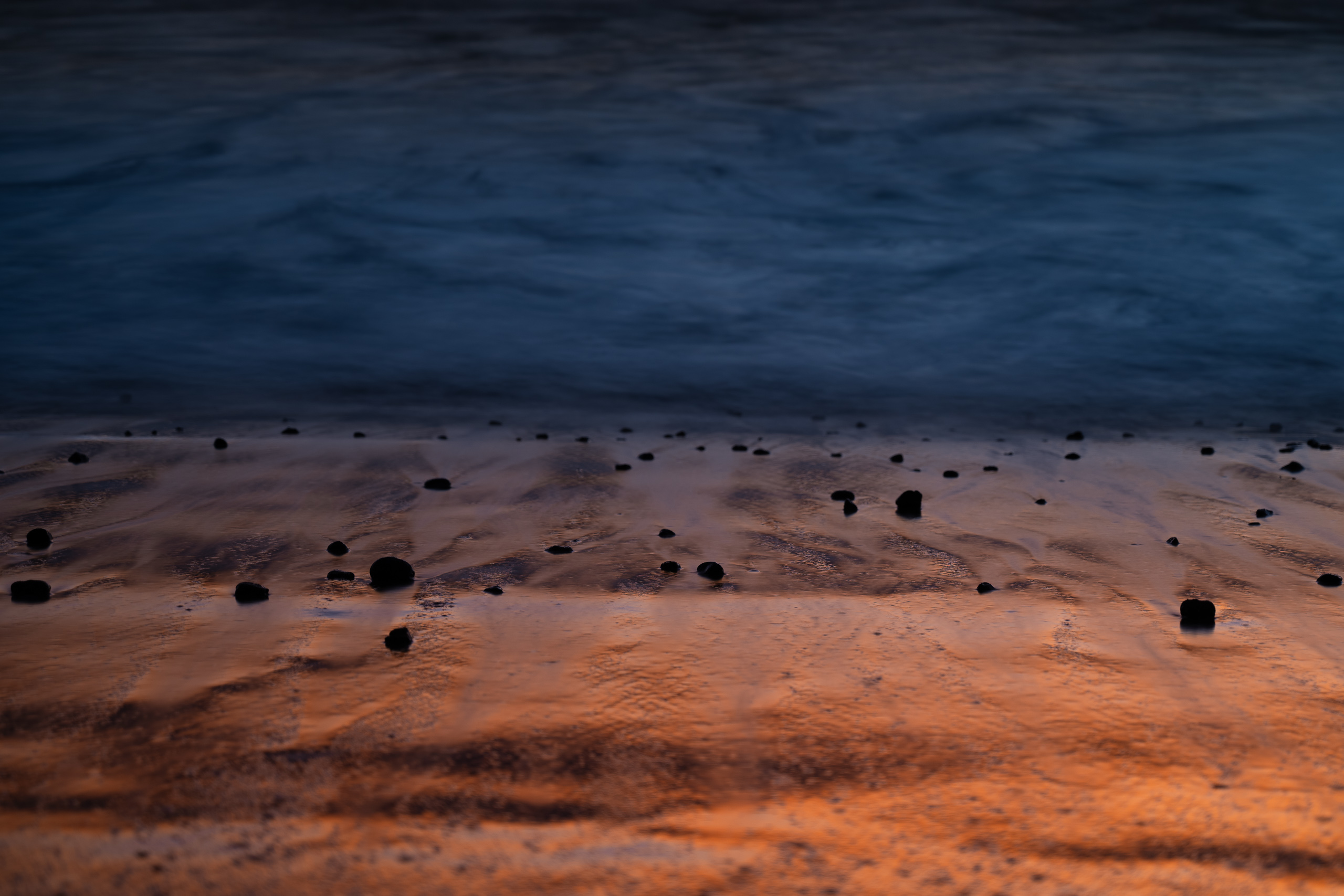
I pulled my head out, caught my breath, and looked at the surface of the water. It was calm. Flat. Ordinary. And just below it was an entire world I had never seen. That gap between the surface and what lies beneath, that thin line between what we know and what we choose not to look at, is where this story begins.
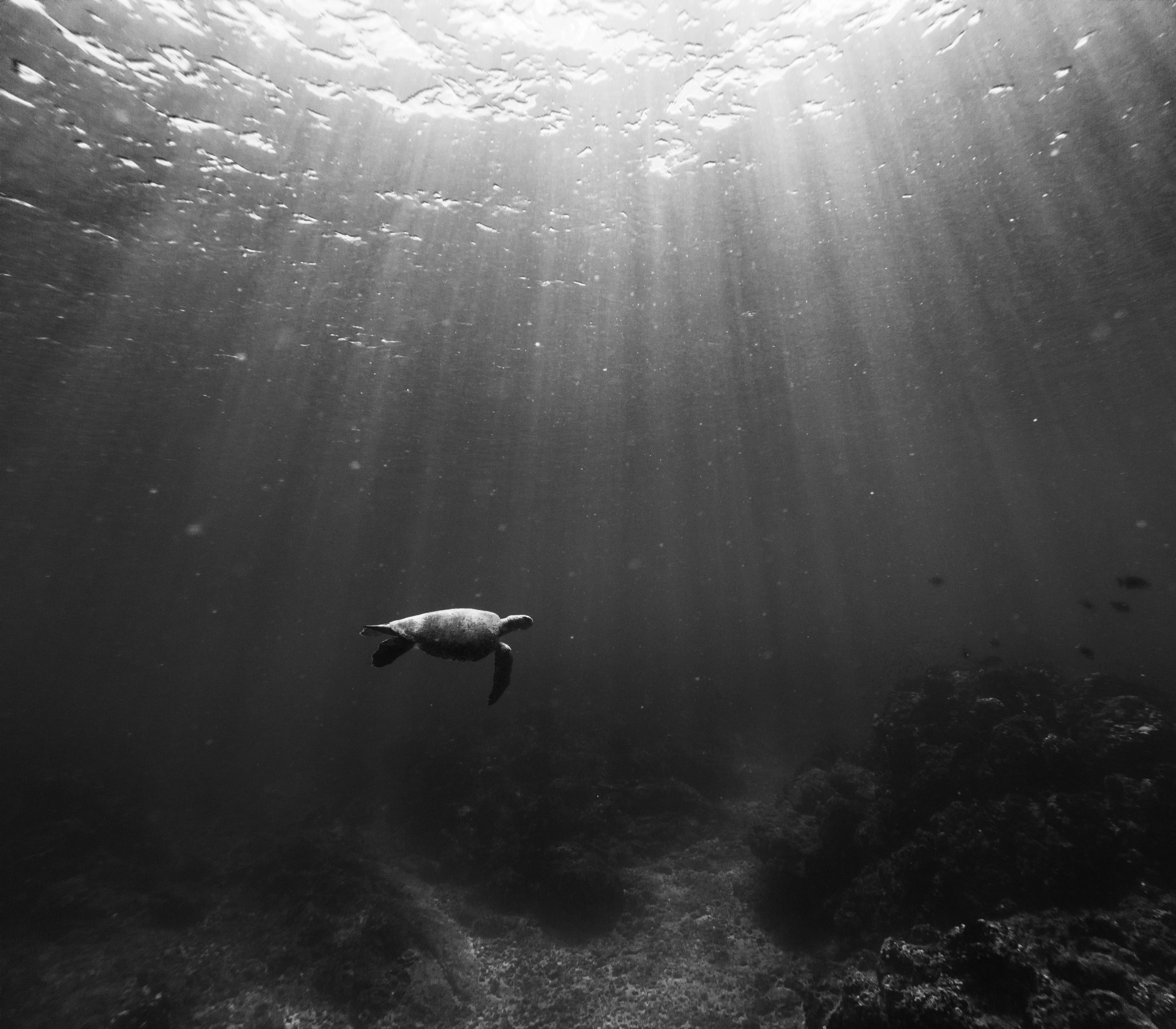
Learning to Breathe
The hardest part of going underwater is not the cold, or the pressure, or the darkness. It is learning to breathe differently. On land, breathing is automatic. You never think about it. Underwater, every breath is deliberate. You inhale slowly. You exhale even slower. You become aware of the air entering your lungs in a way you have never been before.
And something strange happens when you slow your breathing down. You slow everything down. Your heartbeat drops. Your thoughts quiet. The urgency that drives every moment on land, the constant need to do something, to be somewhere, to respond, it dissolves. You are floating in a world where nothing is expected of you except to be present.
“The ocean asks only one thing: that you let go of the surface.”
What Lives Below
Once you stop being afraid, you start to see. And what you see is overwhelming. Not because it is dramatic or violent, but because it is so quietly, impossibly alive.
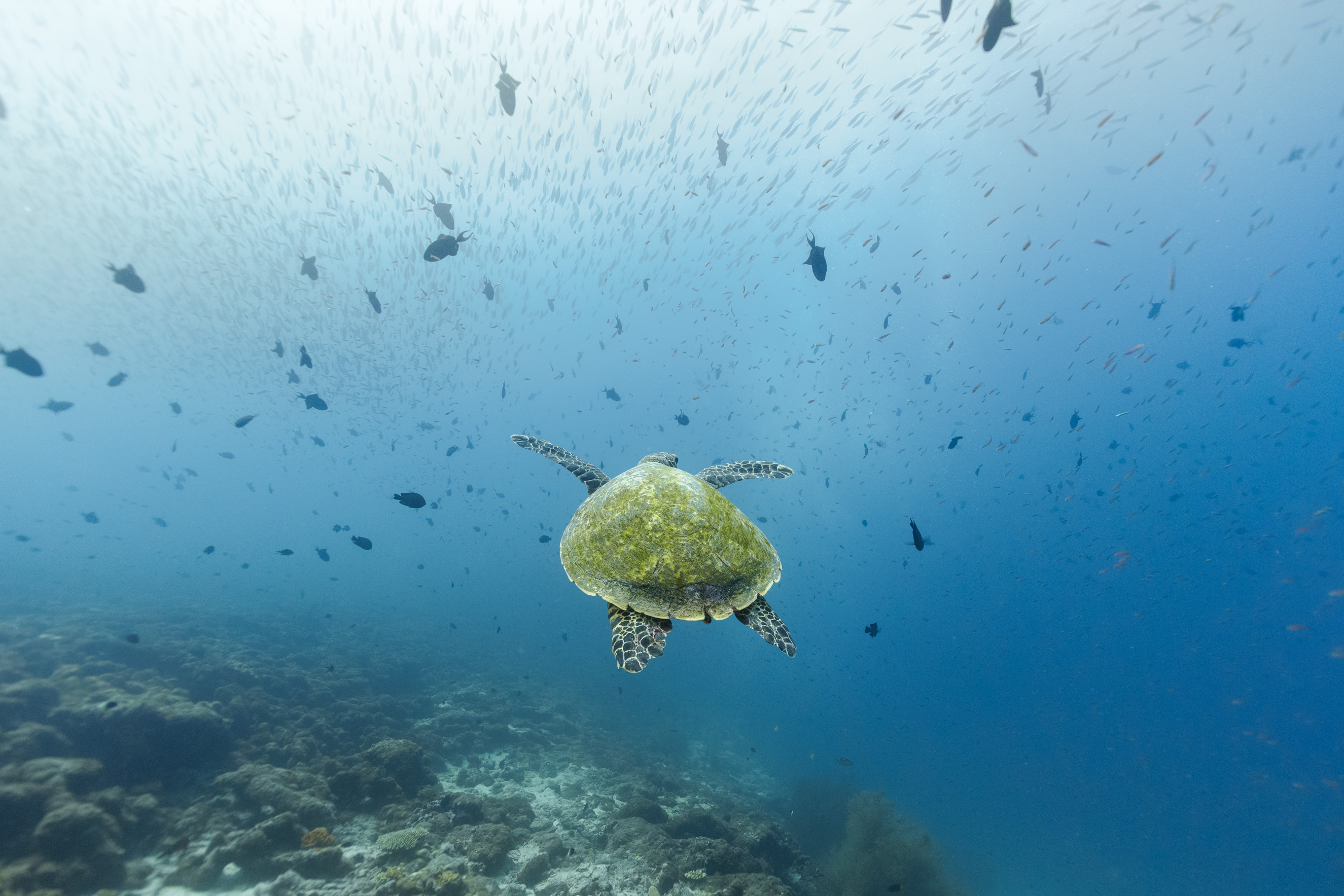
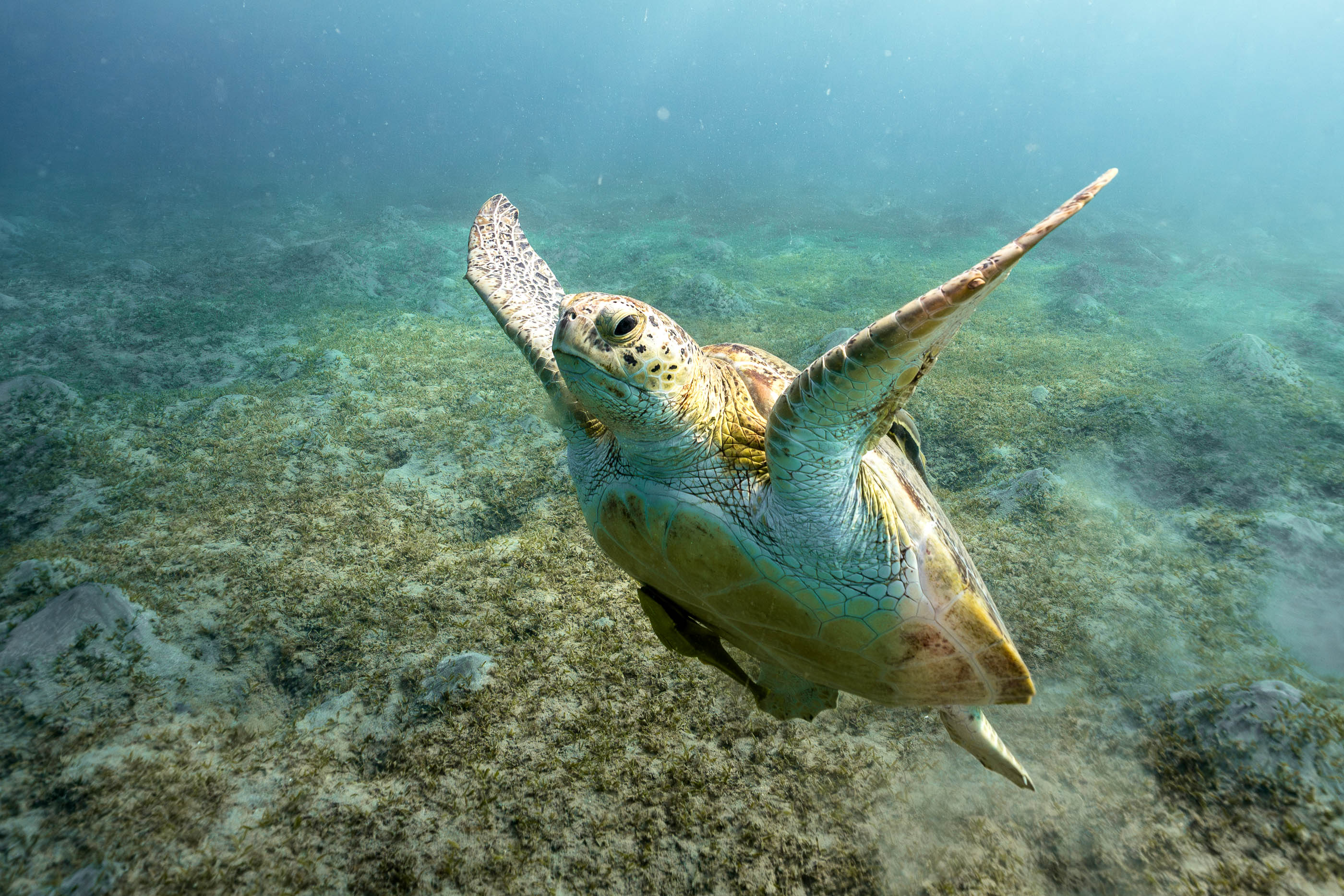
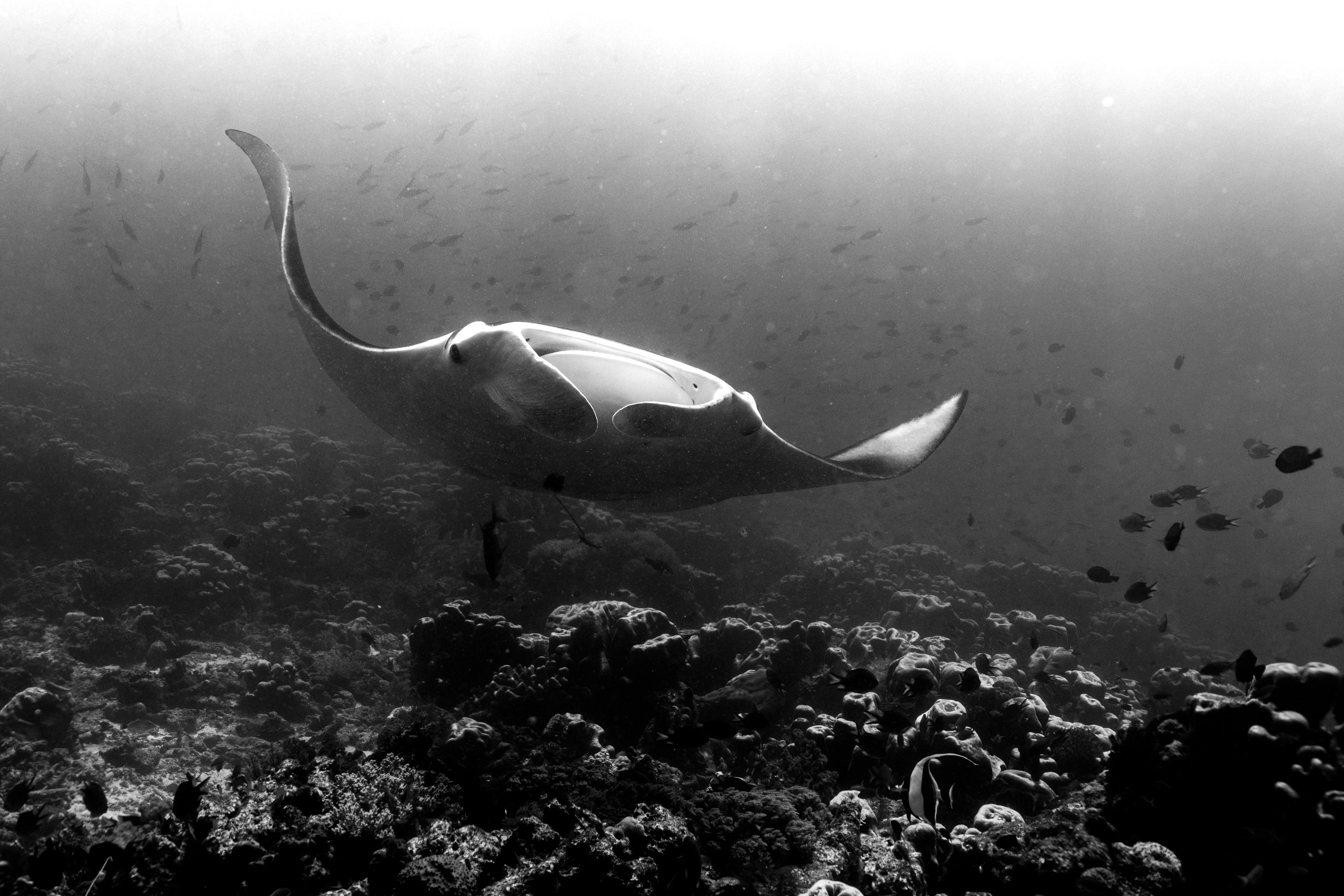
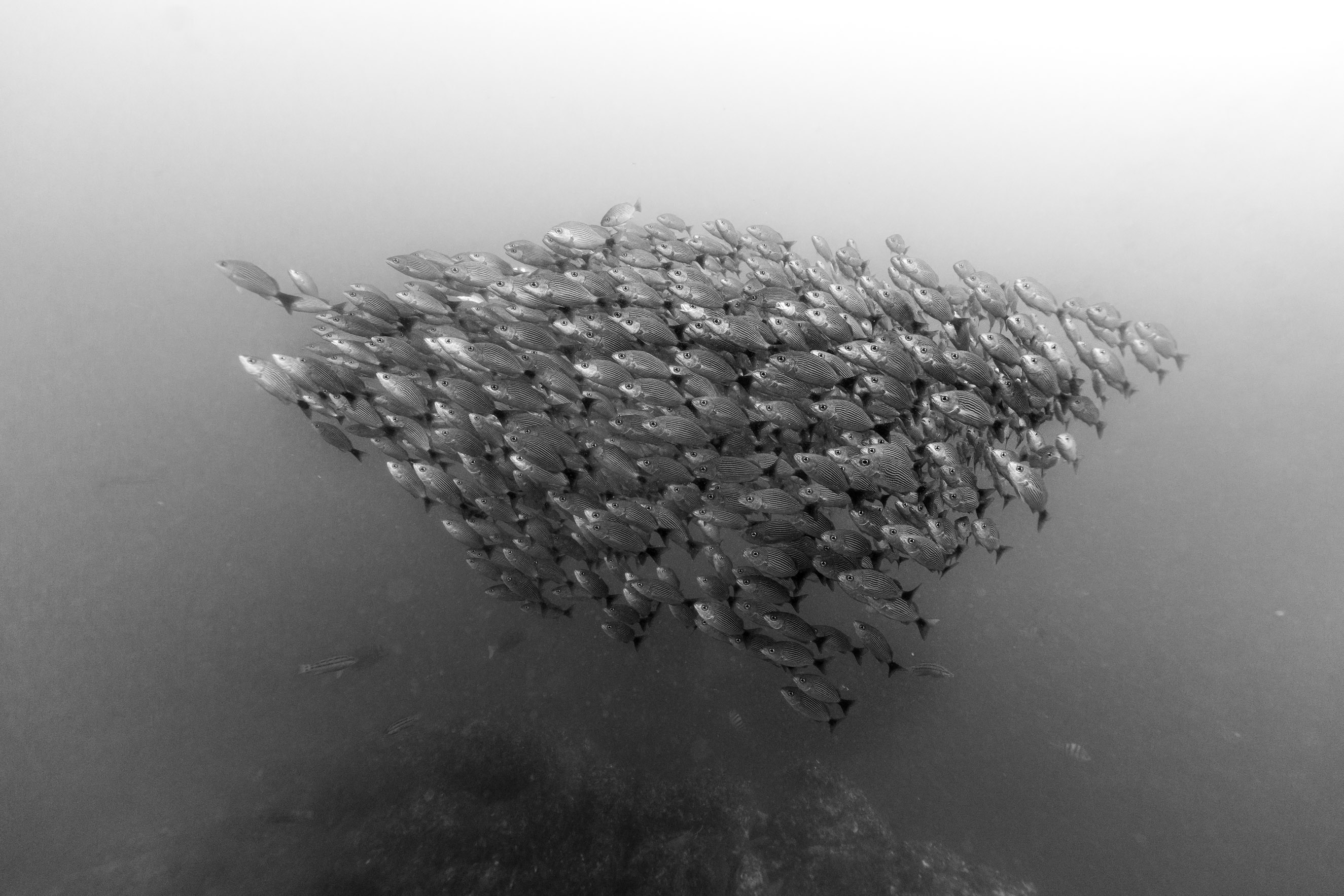
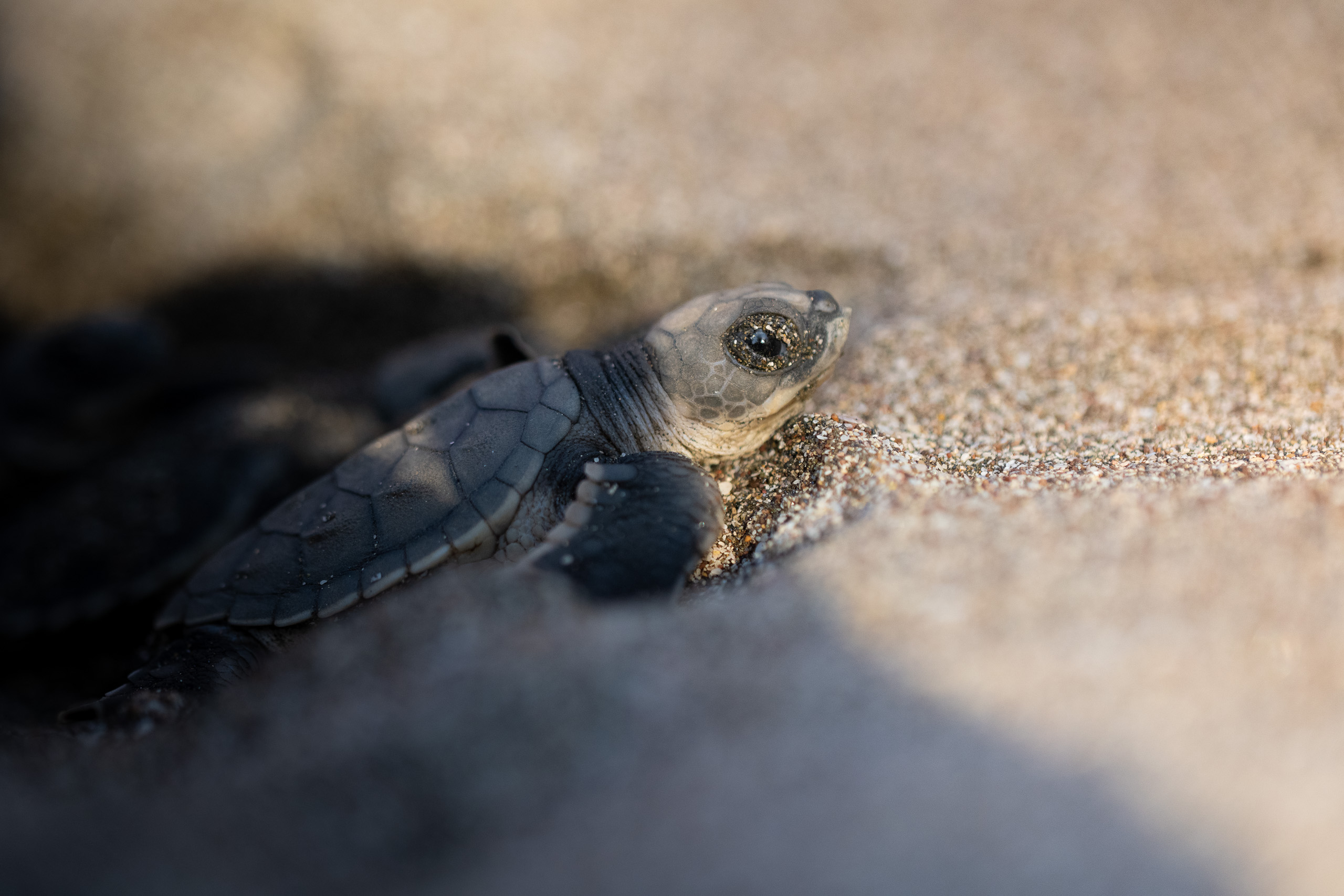
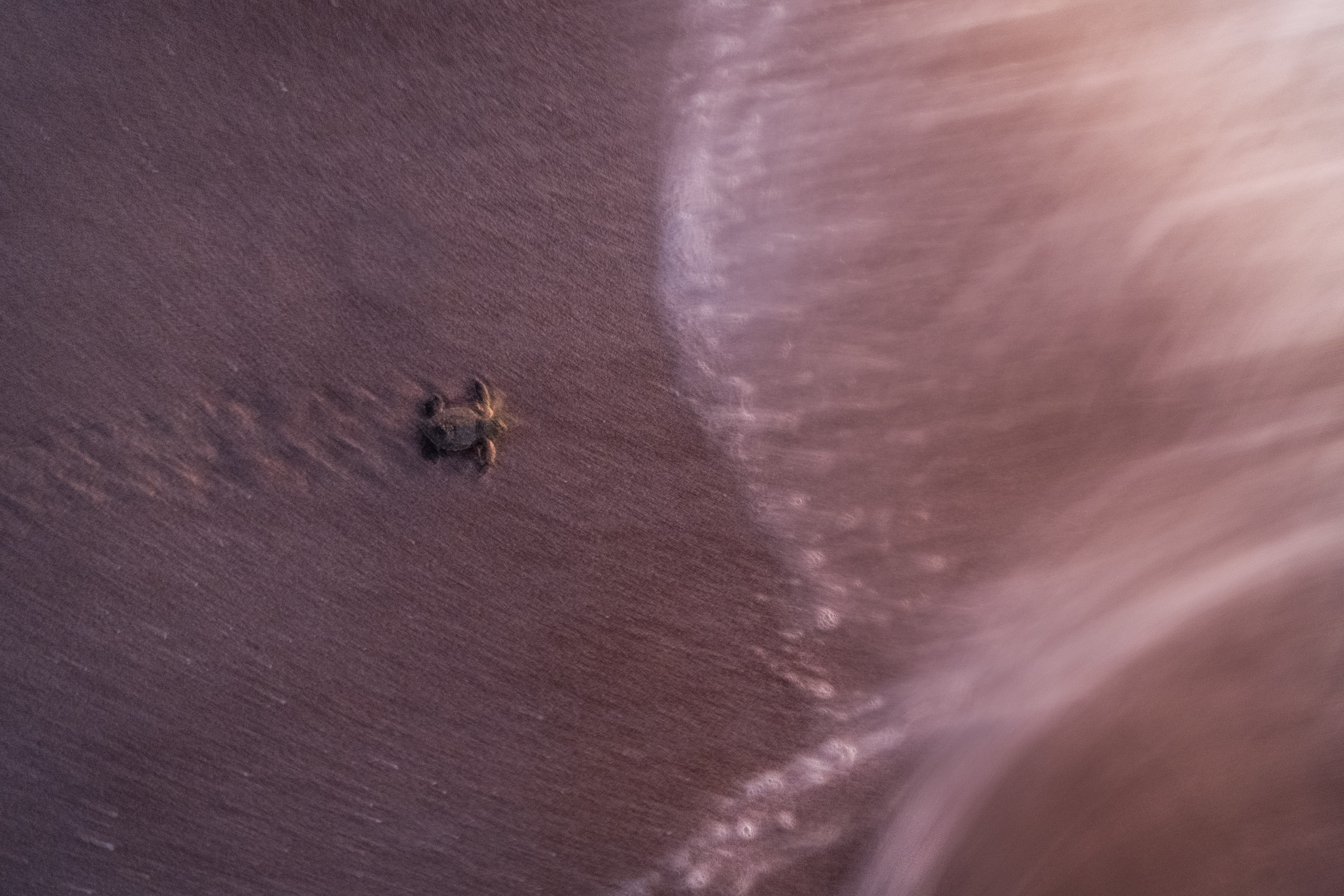
A green sea turtle glides past you without acknowledging your existence. It has been doing this for 200 million years. A school of fish moves as one body, thousands of individuals making the same decision at the same instant, without a leader, without a plan. A manta ray passes overhead, its wingspan wider than you are tall, and the shadow it casts feels like being blessed by something ancient.
The Coral Cities
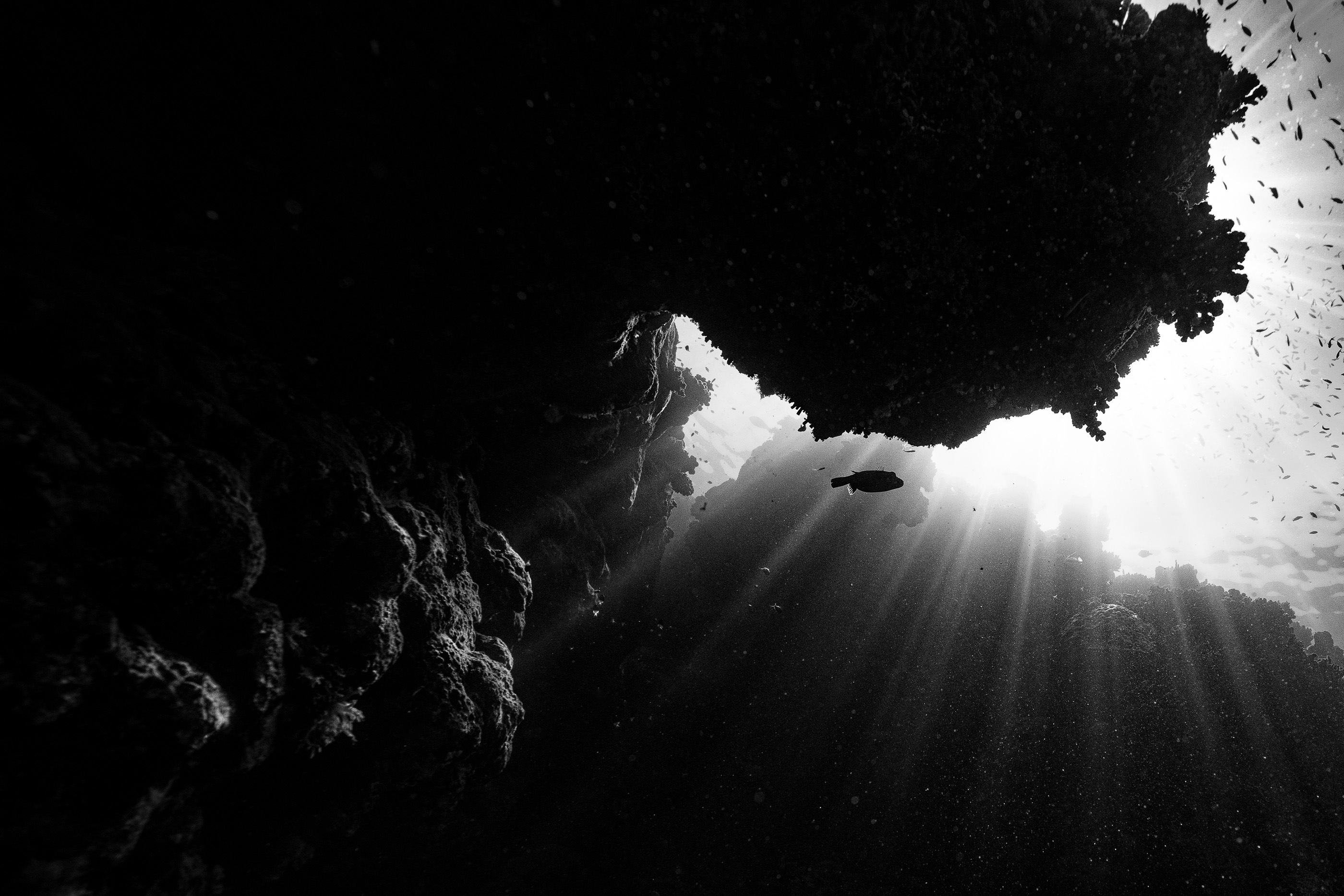
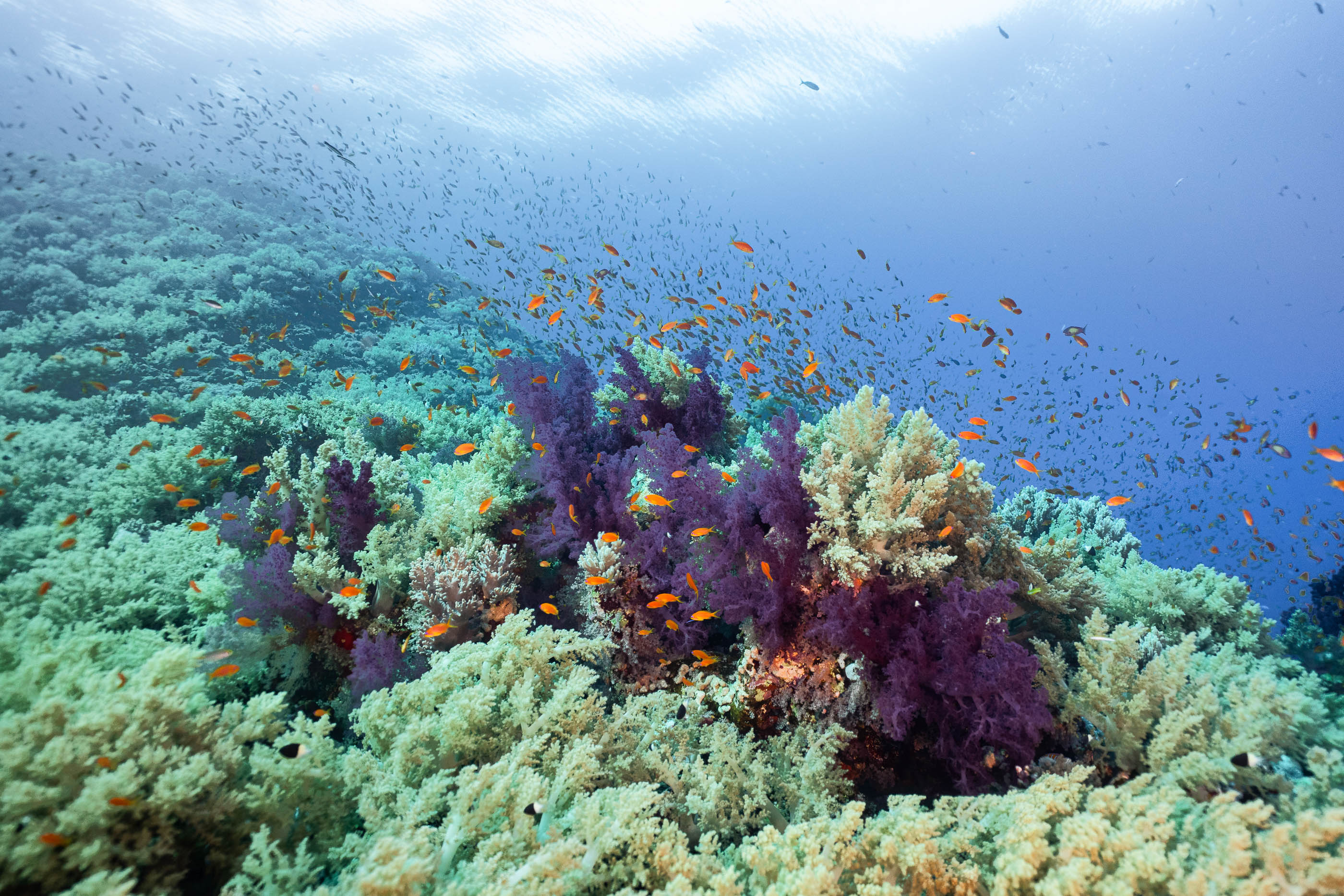
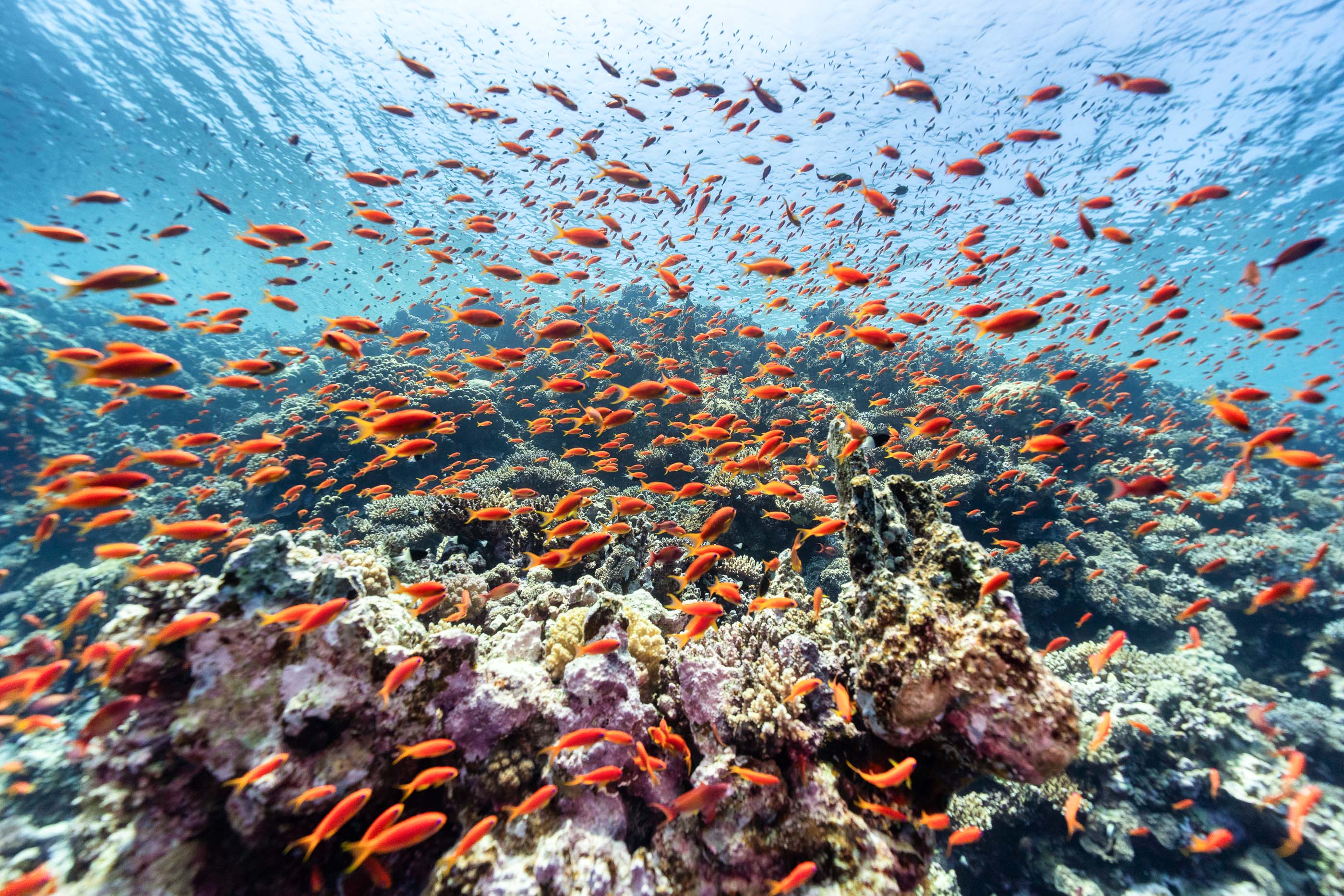
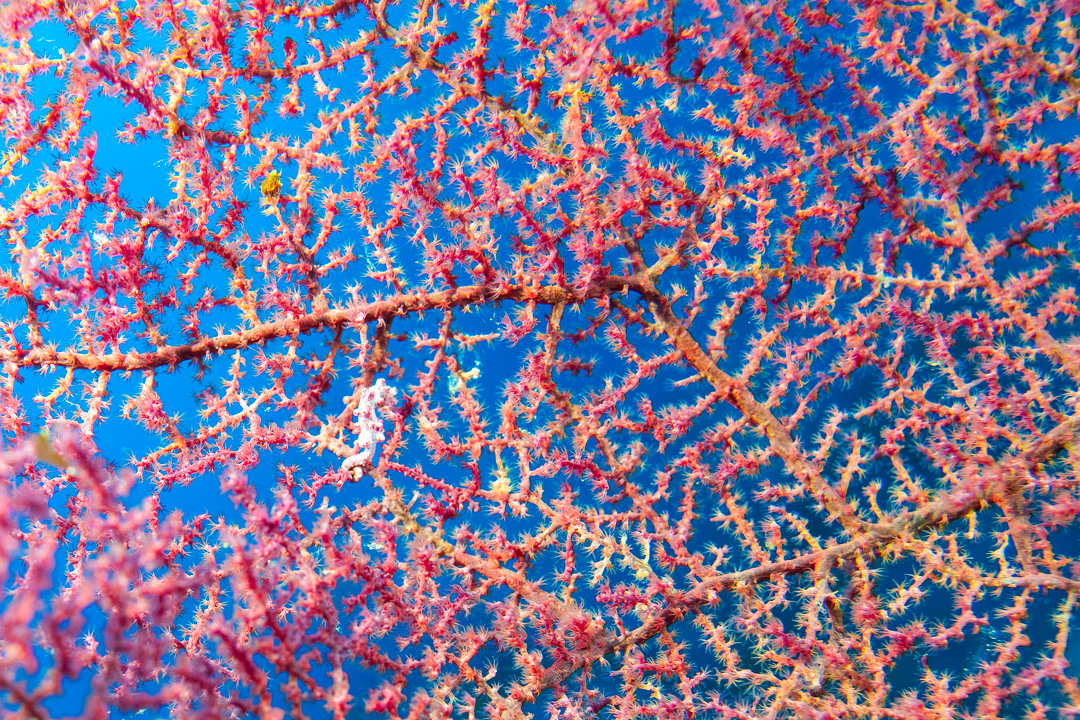
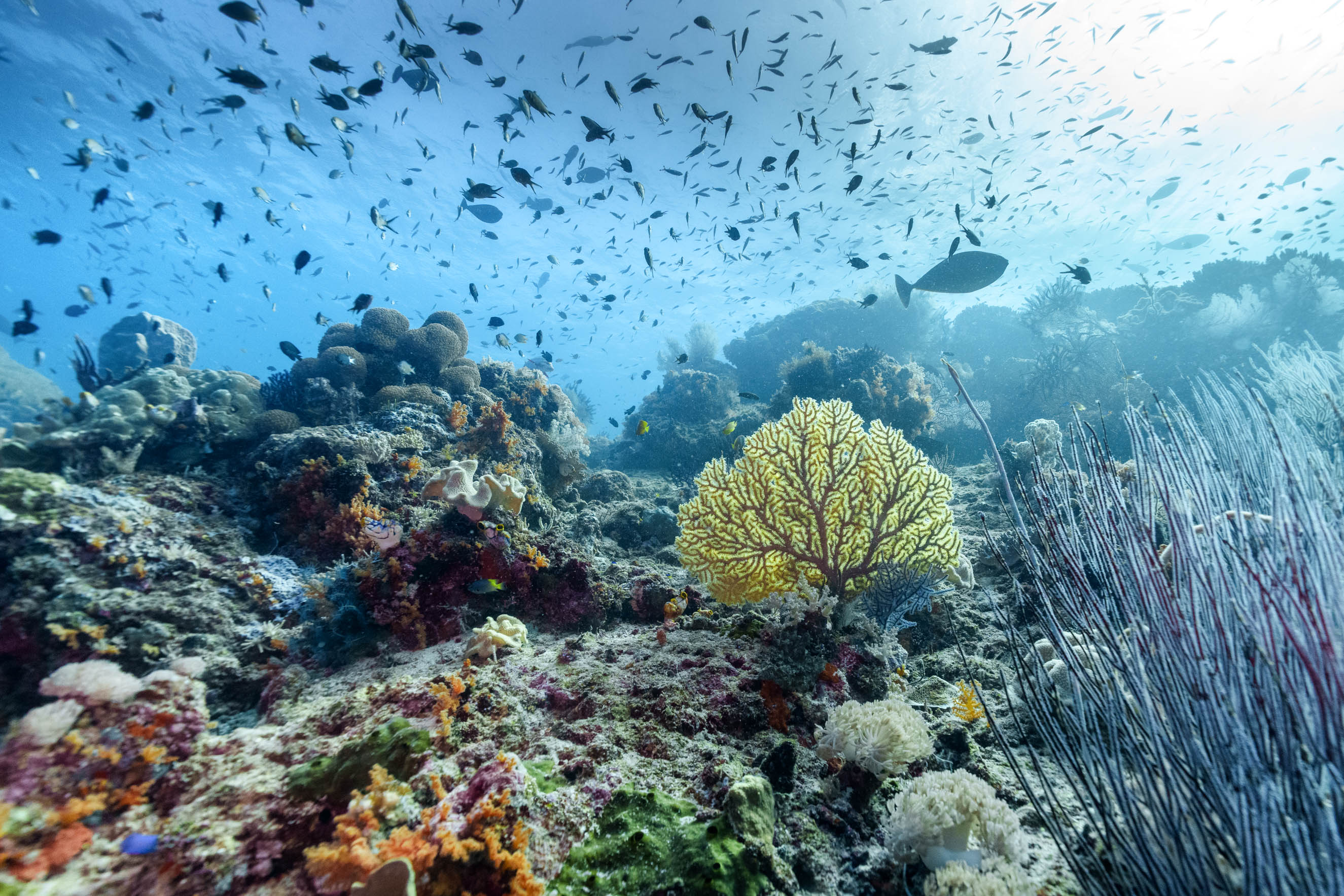
The reefs are not what I expected. I expected color, and there is color. I expected fish, and there are fish. What I did not expect was the complexity. A coral reef is not a landscape. It is a city. Every crevice is someone’s home. Every branch is someone’s hunting ground. Every surface is covered in life competing for space, for light, for food.
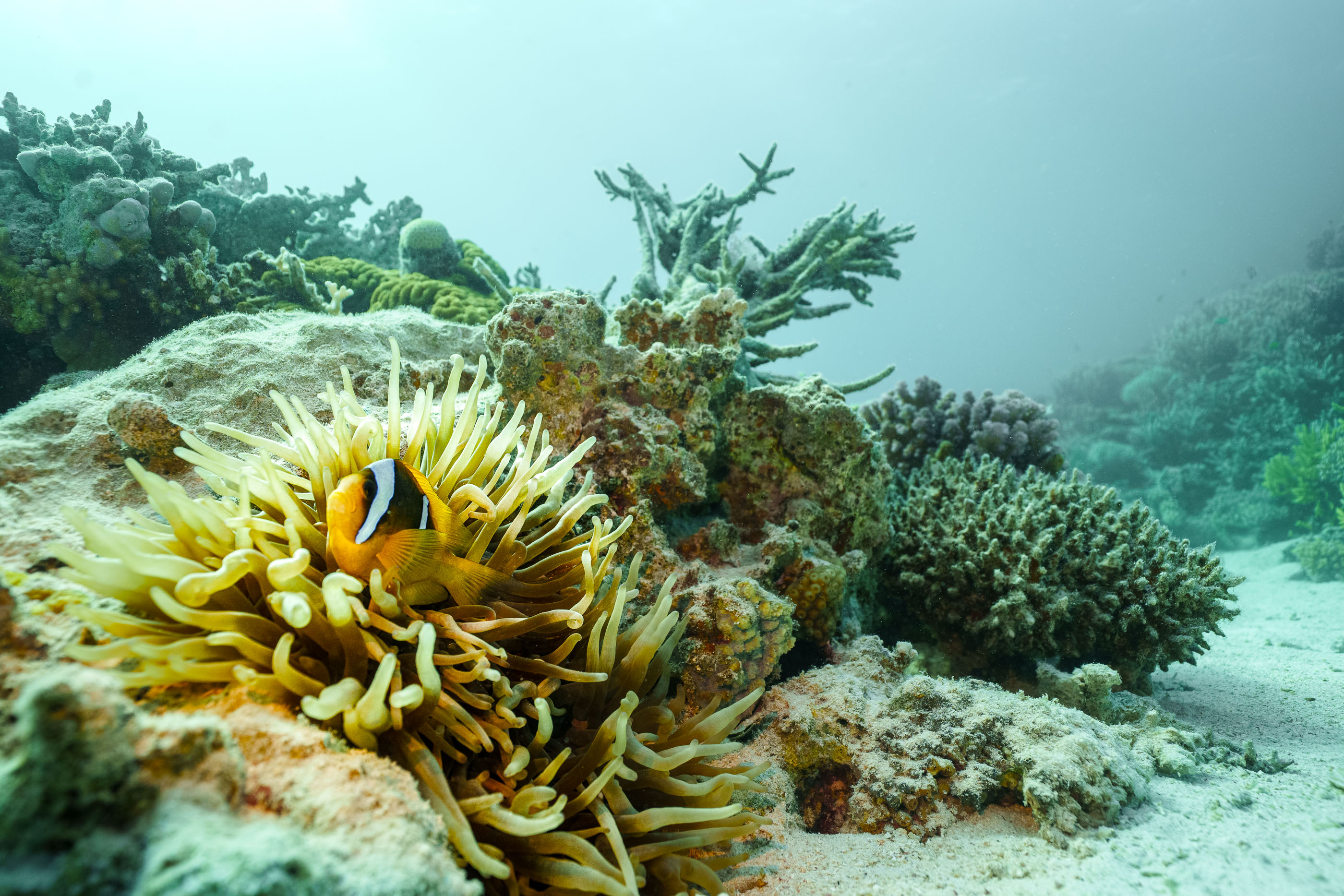
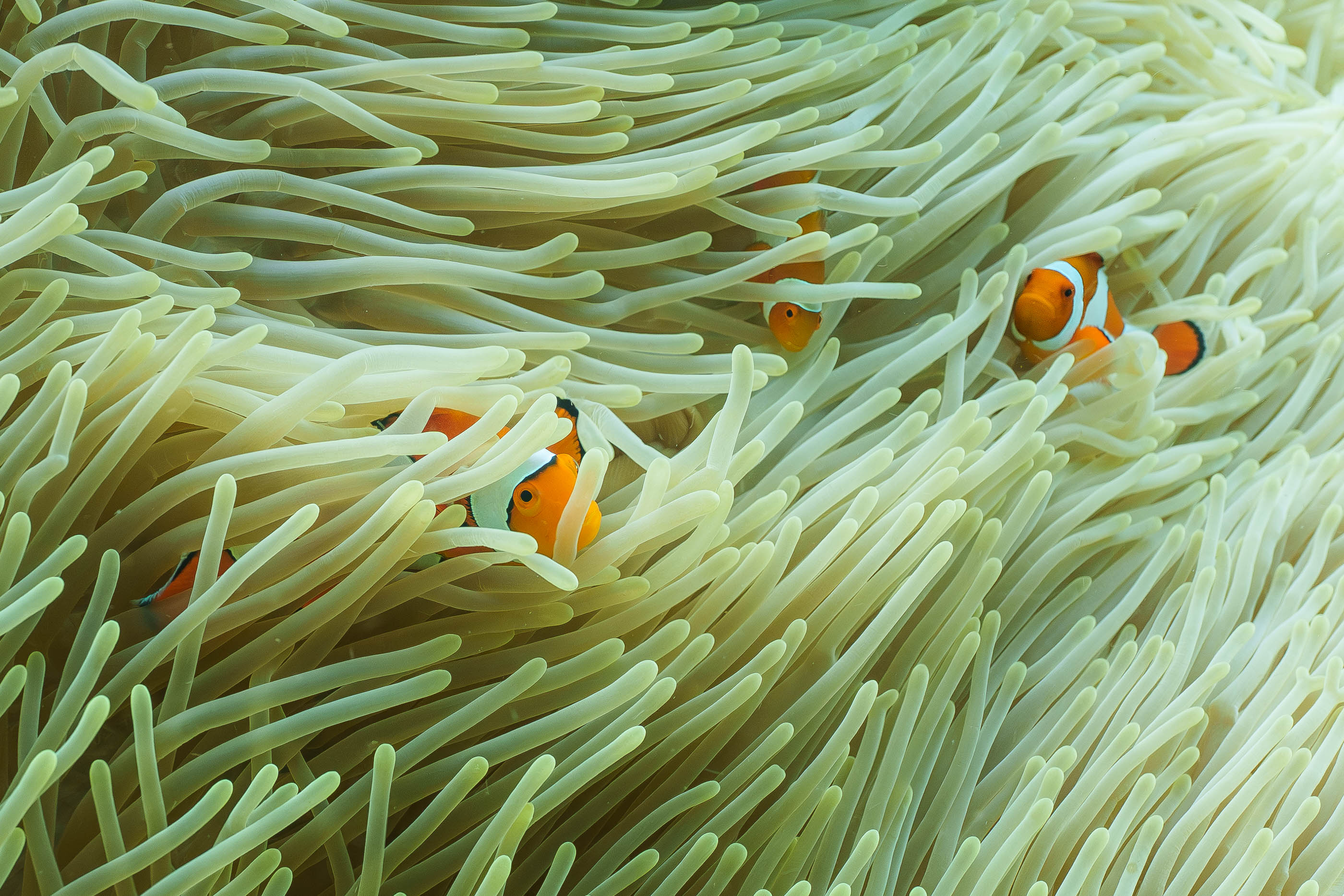
The clownfish never leaves its anemone. The cleaner shrimp waits at its station for larger fish to come and be cleaned. The moray eel sits in its hole with its mouth open, not threatening, just breathing. Everything has a job. Everything has a place. The economy of a reef is more sophisticated than anything we have built.
The Night Dive
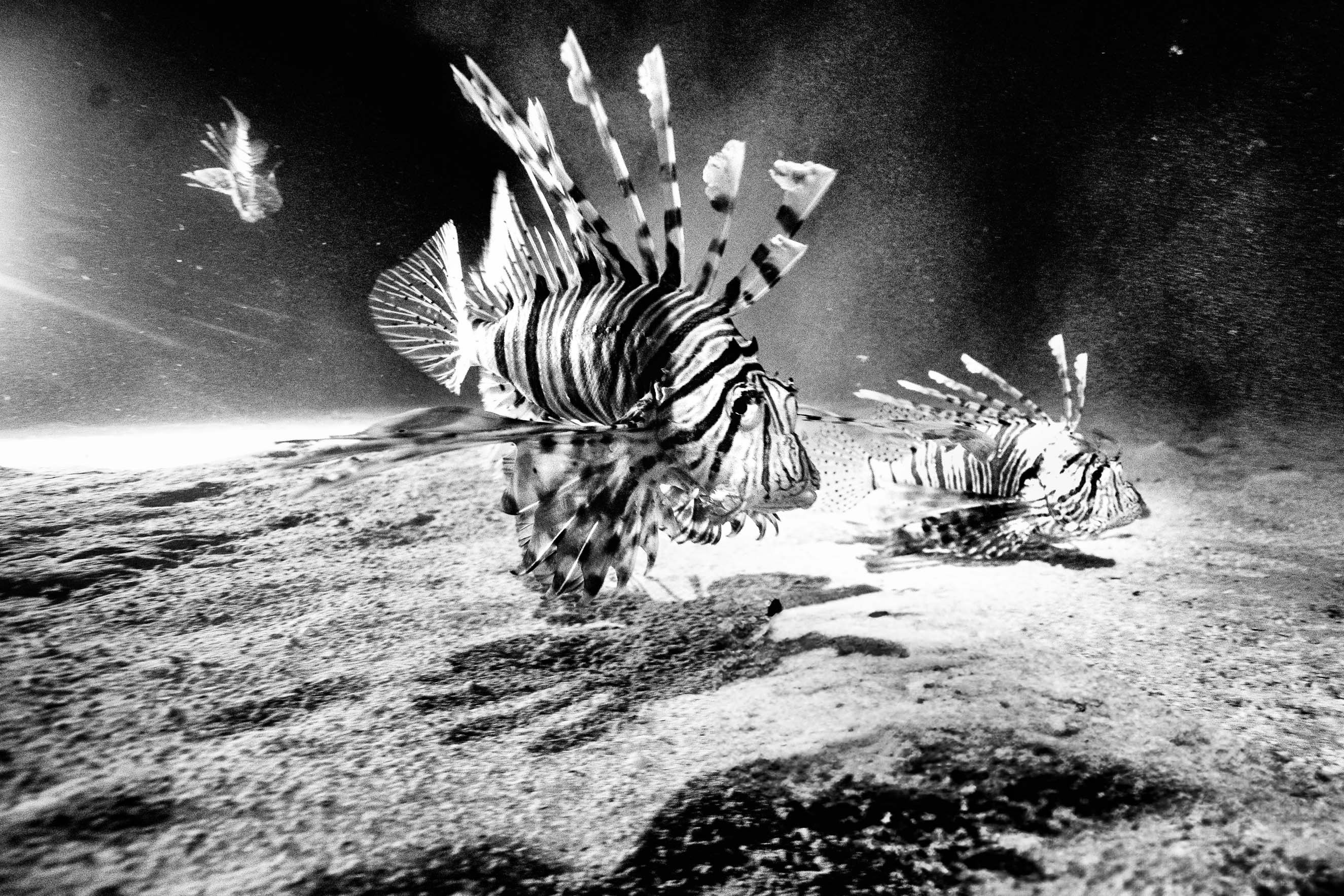
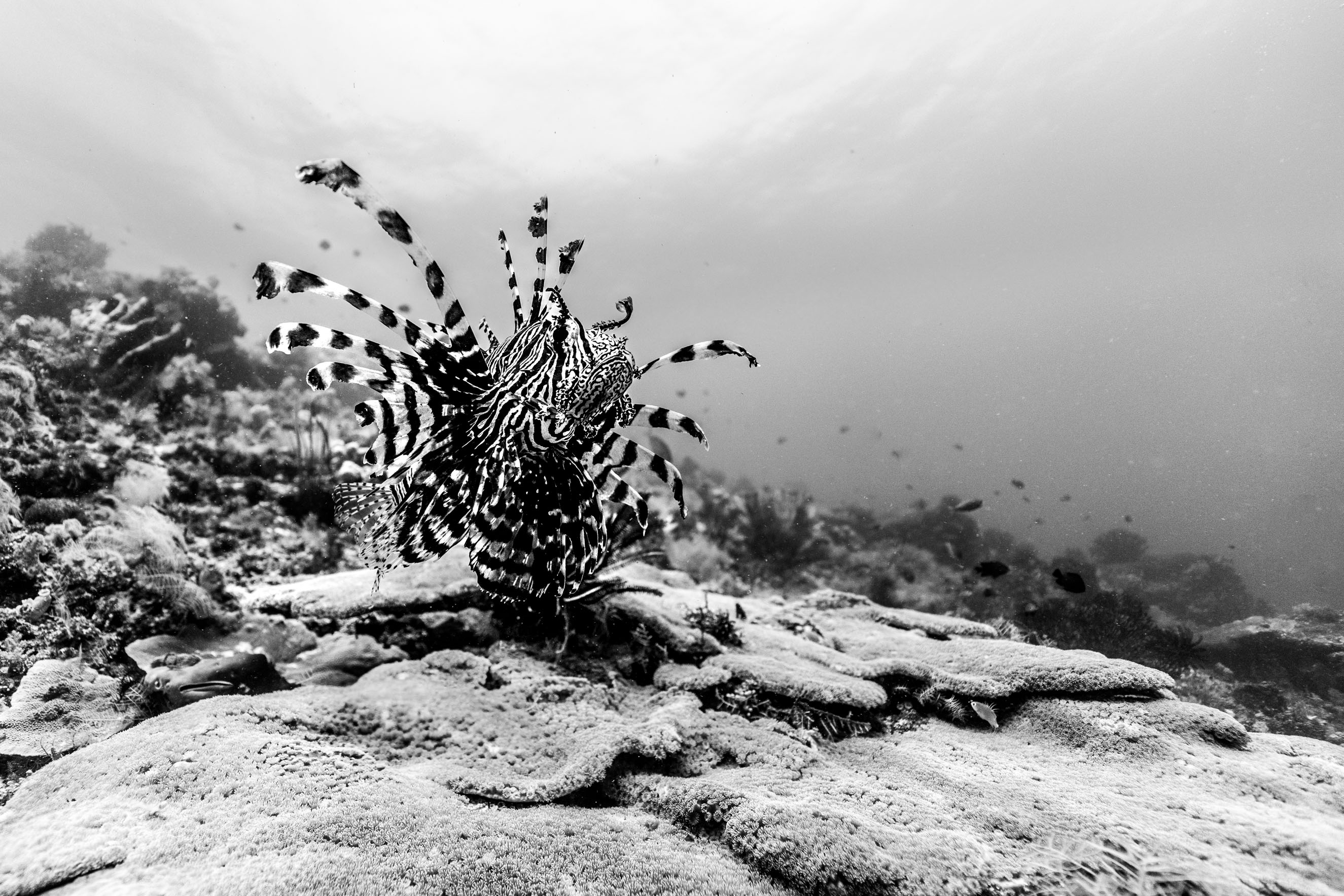
If the daytime reef is a city, the nighttime reef is a different city entirely. The shift change happens at dusk. The diurnal fish tuck into crevices and go still. The nocturnal creatures emerge. Crabs, octopuses, hunting lionfish, and things you cannot name that glow faintly in the beam of your torch.
Night diving is the underwater equivalent of walking through the forest after dark. The same fear, the same disorientation, the same reward. You see things that exist only in the hours most people are asleep.
Eye to Eye
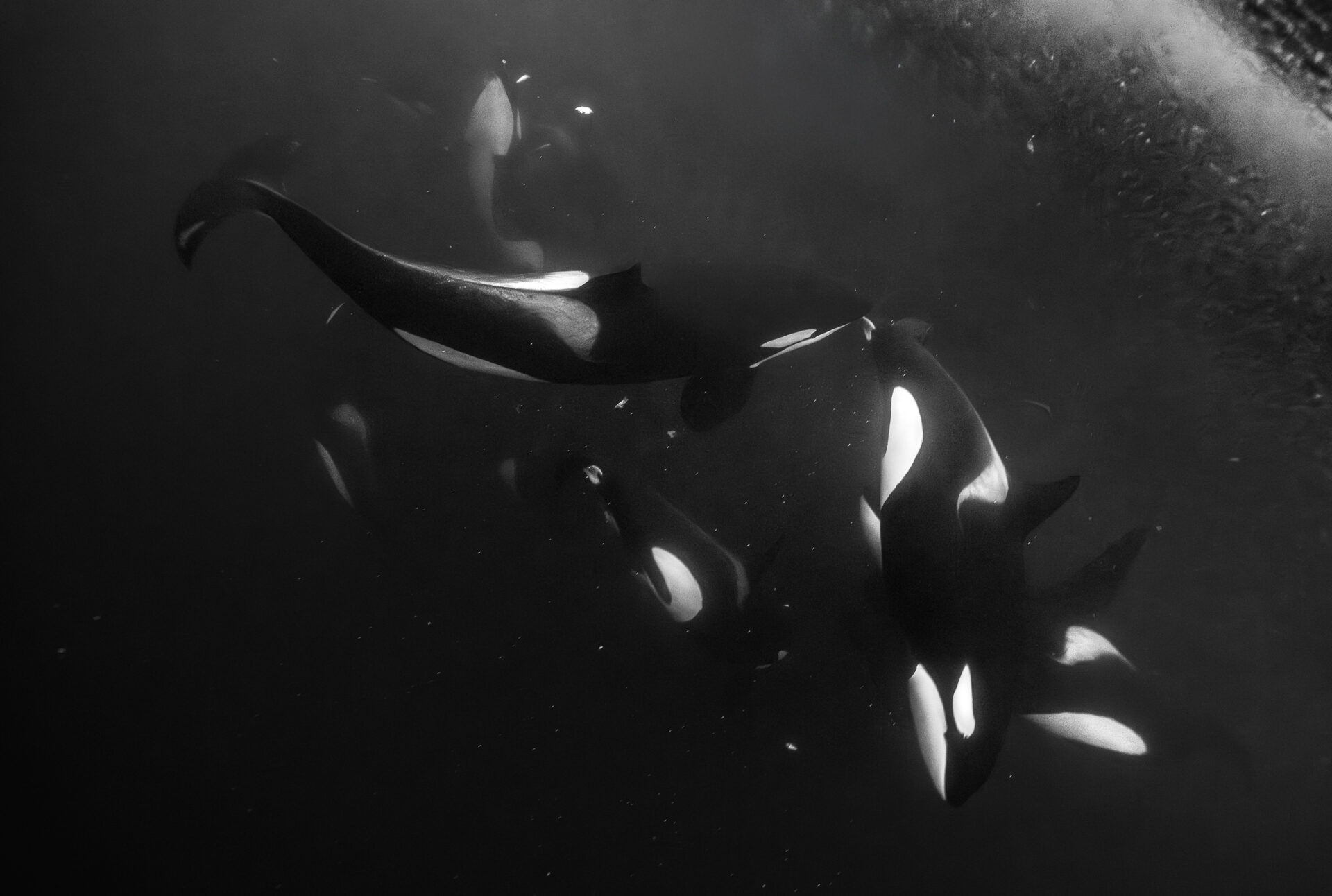
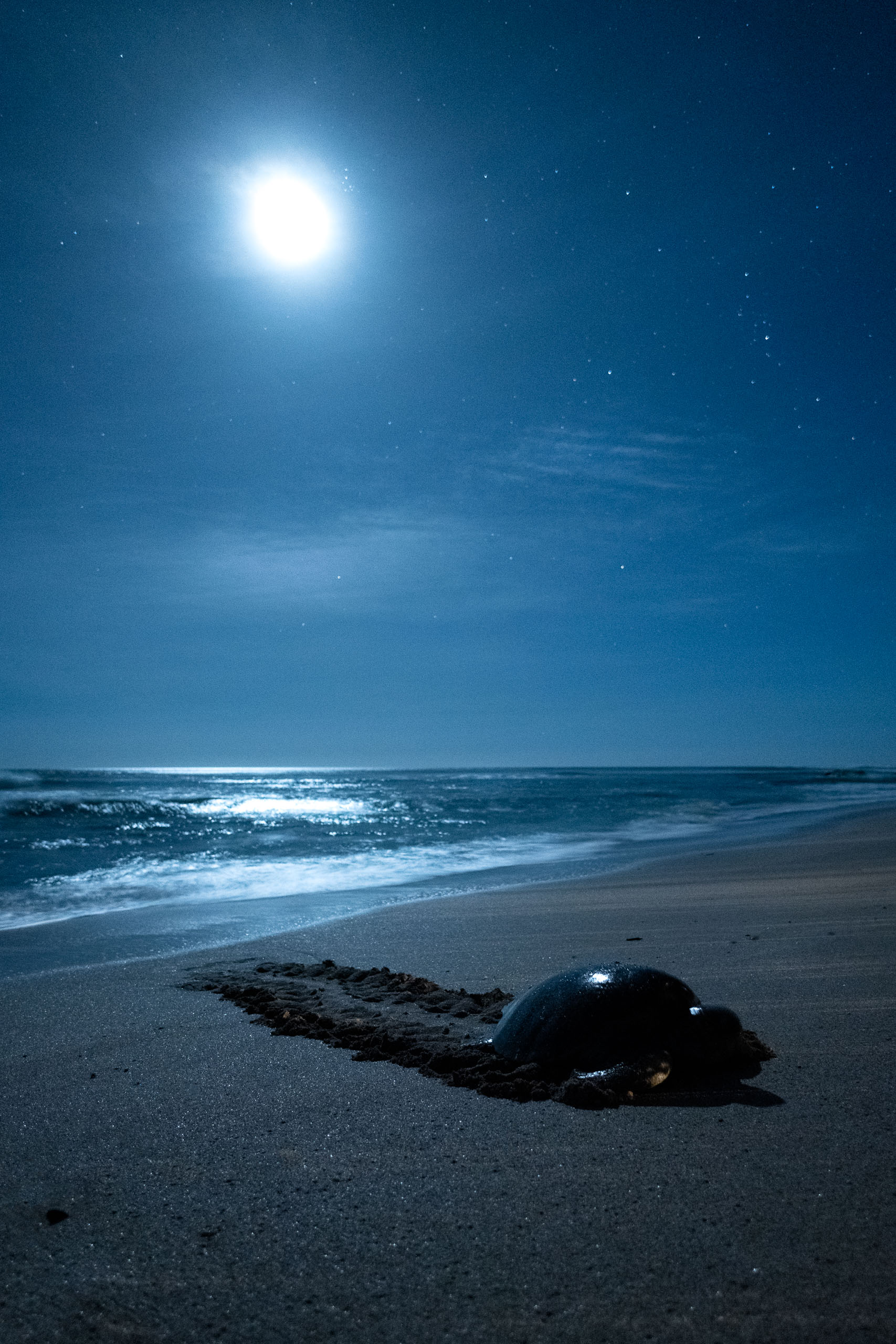
The moments that stay with you are the ones where something looks back. When a turtle turns its head and makes eye contact. When a manta ray changes course to pass closer to you, curious. When a whale shark, the largest fish in the ocean, drifts past and you see its eye, small and ancient, register your existence and decide you are not interesting enough to change course for.
These encounters change you. Not in a dramatic way. In a quiet way. You carry them with you back to the surface, back to the noise and the speed and the dry world, and you are slightly different. You know something now that you did not know before. That there is a world down there, vast and complex and indifferent to whether you ever see it or not. And that seeing it, even briefly, is a privilege.
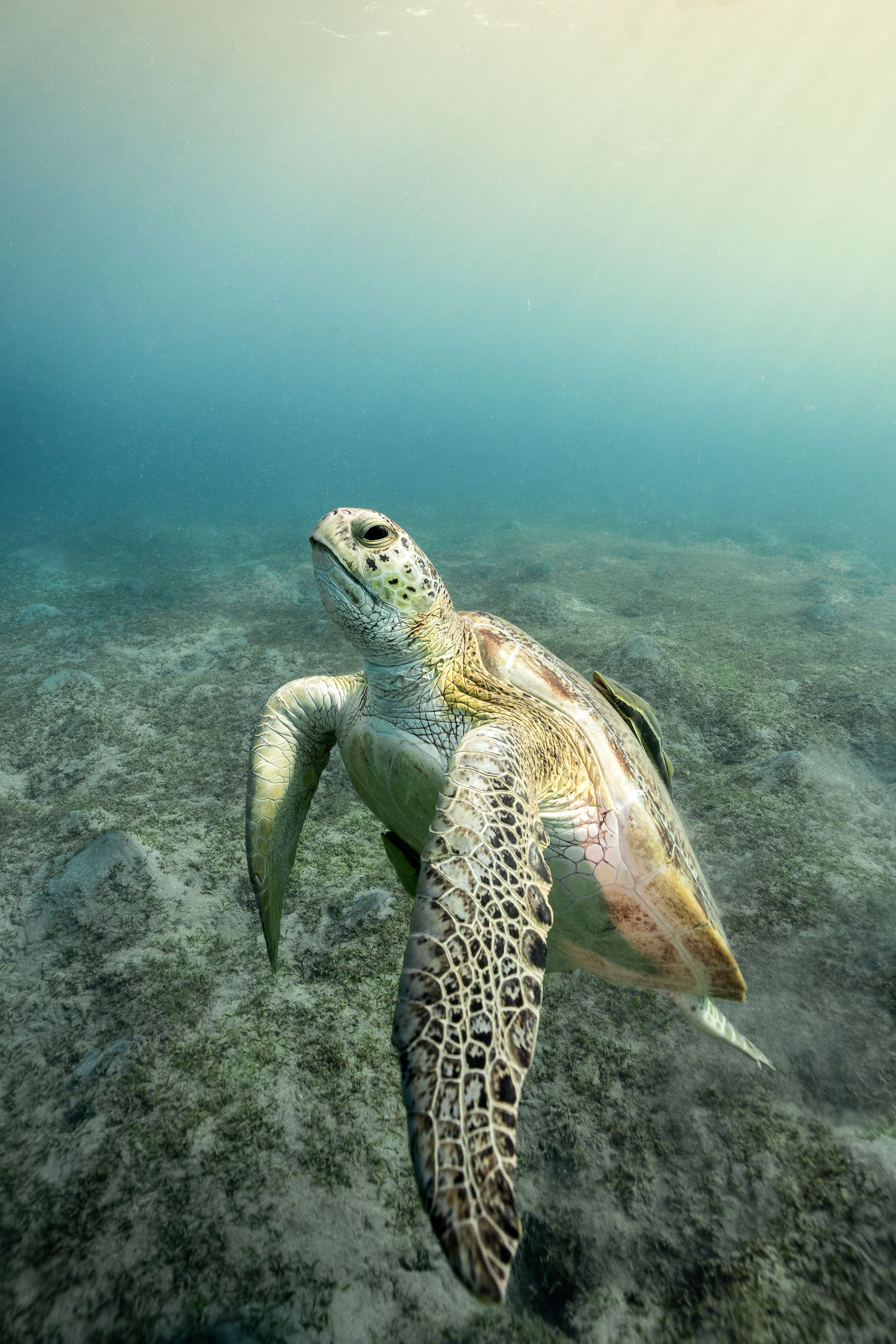
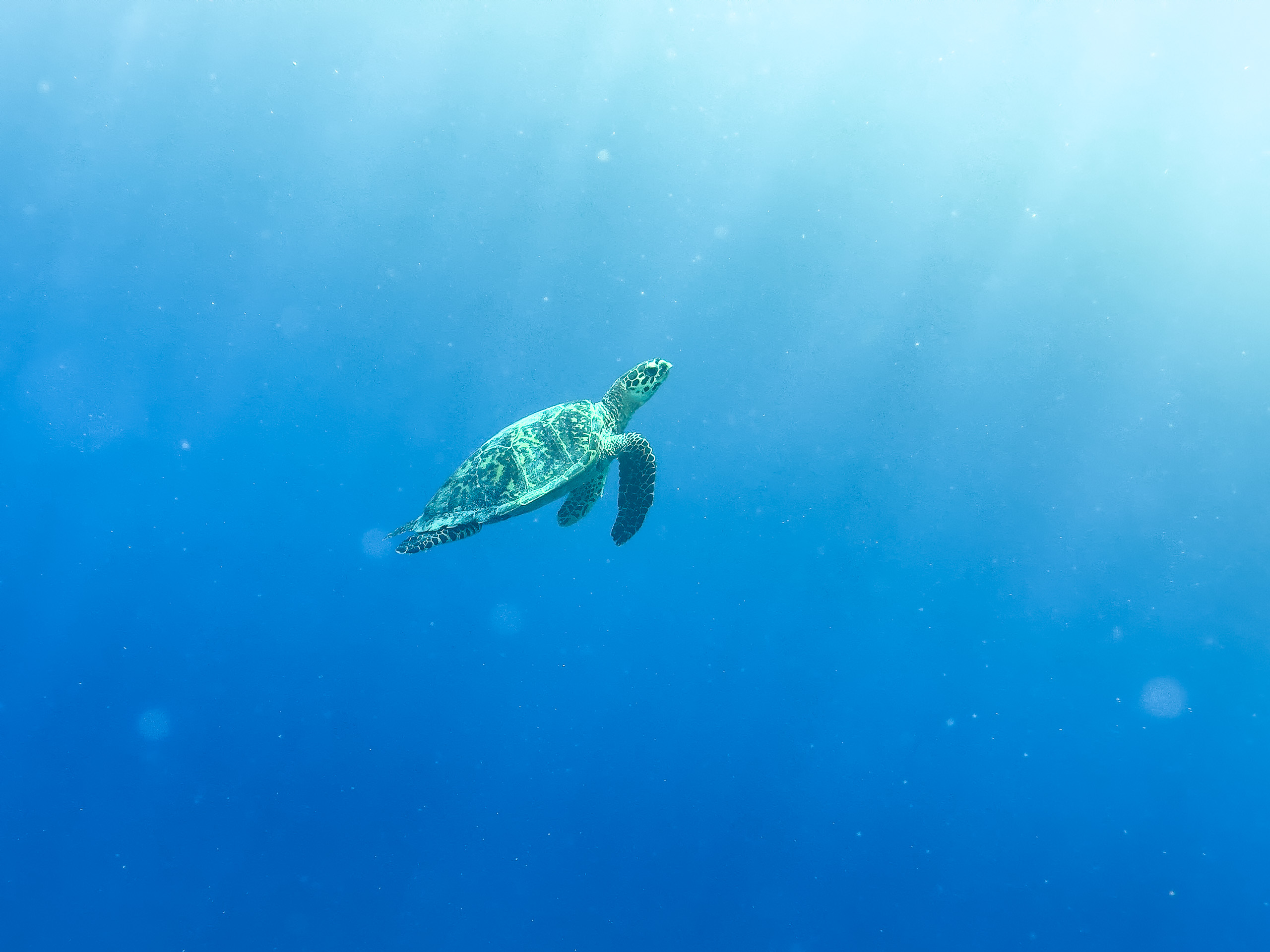
“These encounters change you. Not in a dramatic way. In a quiet way. You carry them with you back to the surface, and you are slightly different.”
What We Cannot See
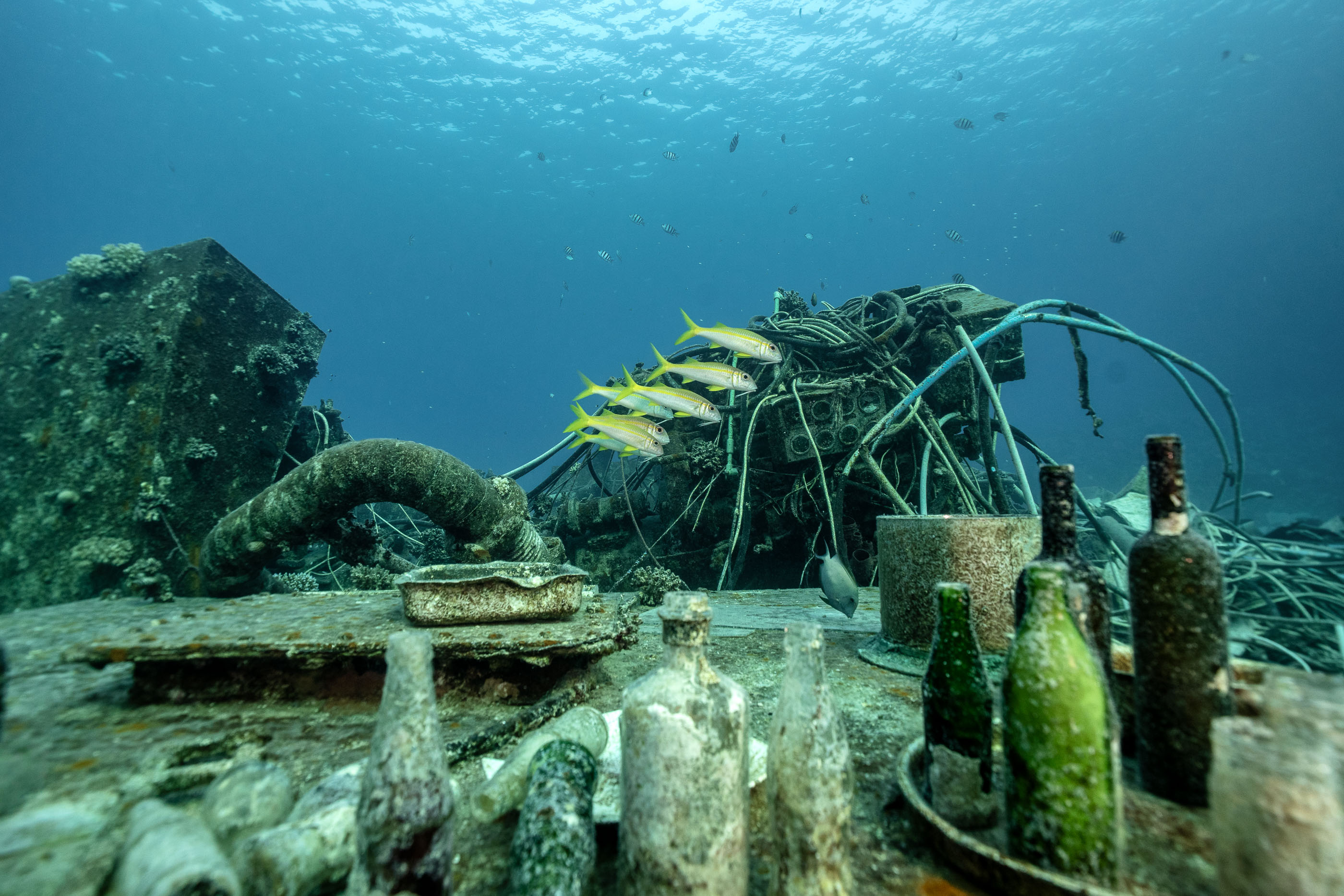
The ocean covers 71% of the planet. We have explored less than 5% of it. We know more about the surface of the moon than we know about the bottom of our own ocean. And yet we are changing it faster than we can study it. The corals that took centuries to grow are bleaching in years. The fish populations that sustained communities for generations are collapsing in decades. The plastic that was invented 70 years ago now reaches the deepest trench on Earth.
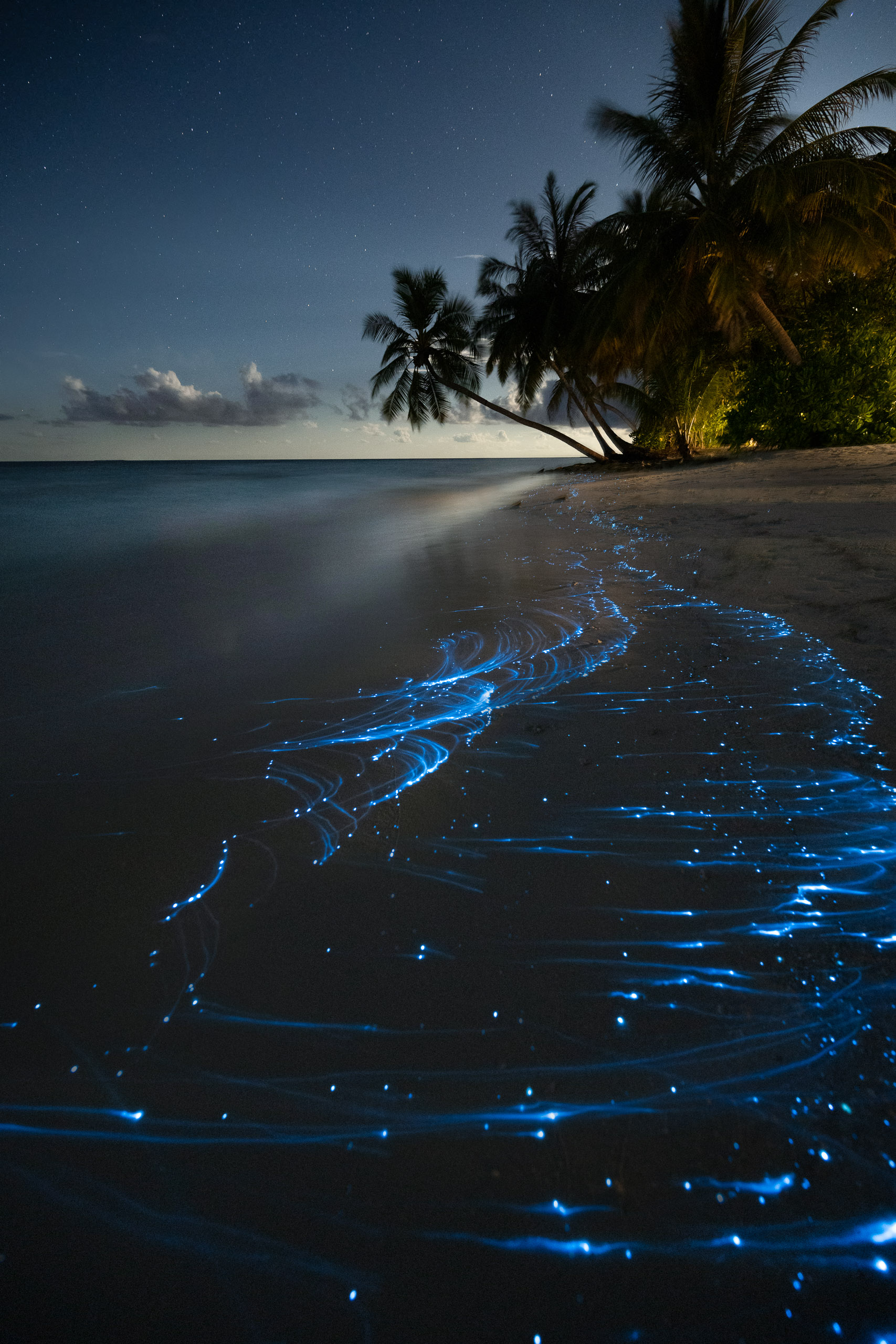
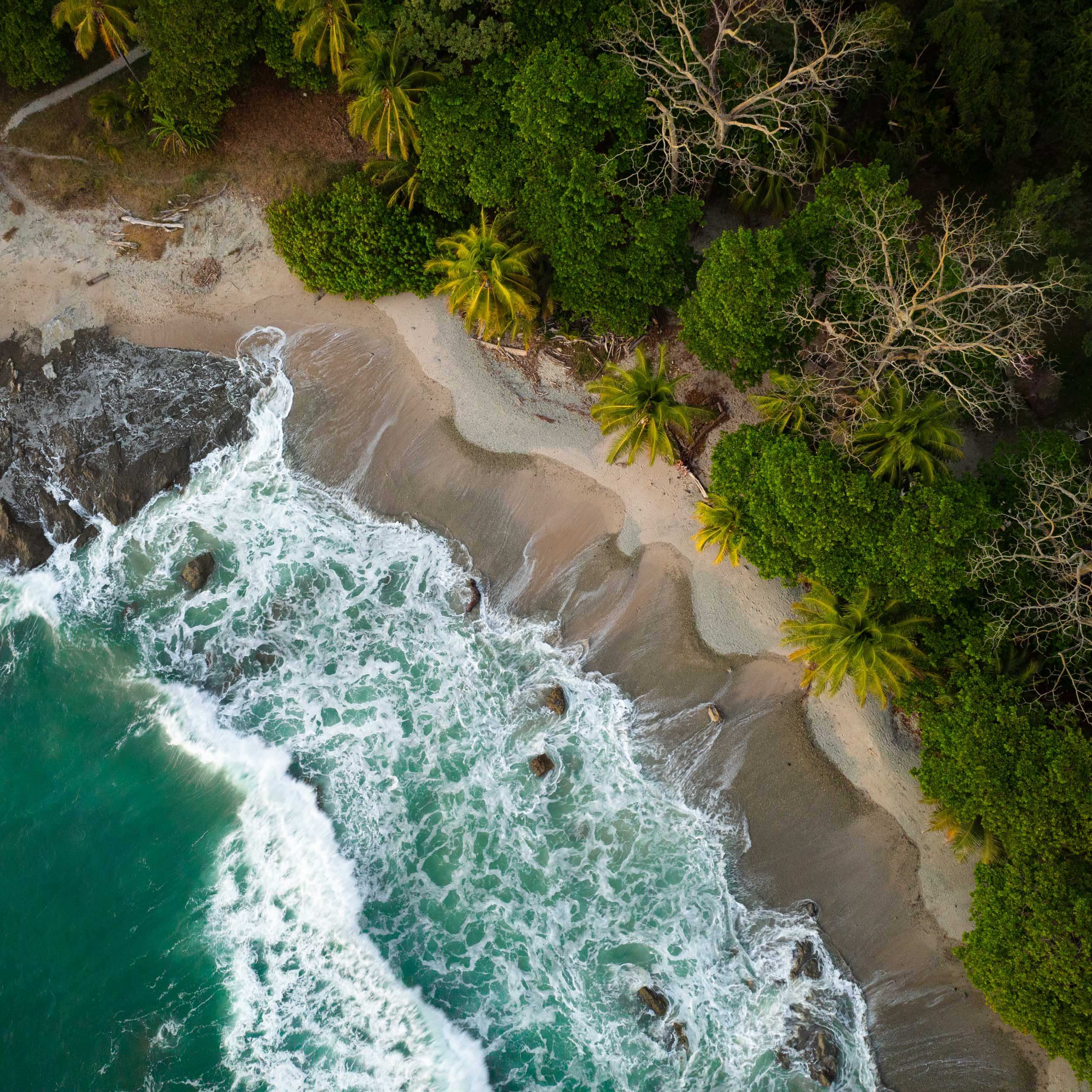
The problem with the ocean is that it is invisible. Out of sight. We do not see the damage because it happens below the surface. The beach looks the same. The waves still break. The sunset still reflects off the water. But underneath, the world is shifting.
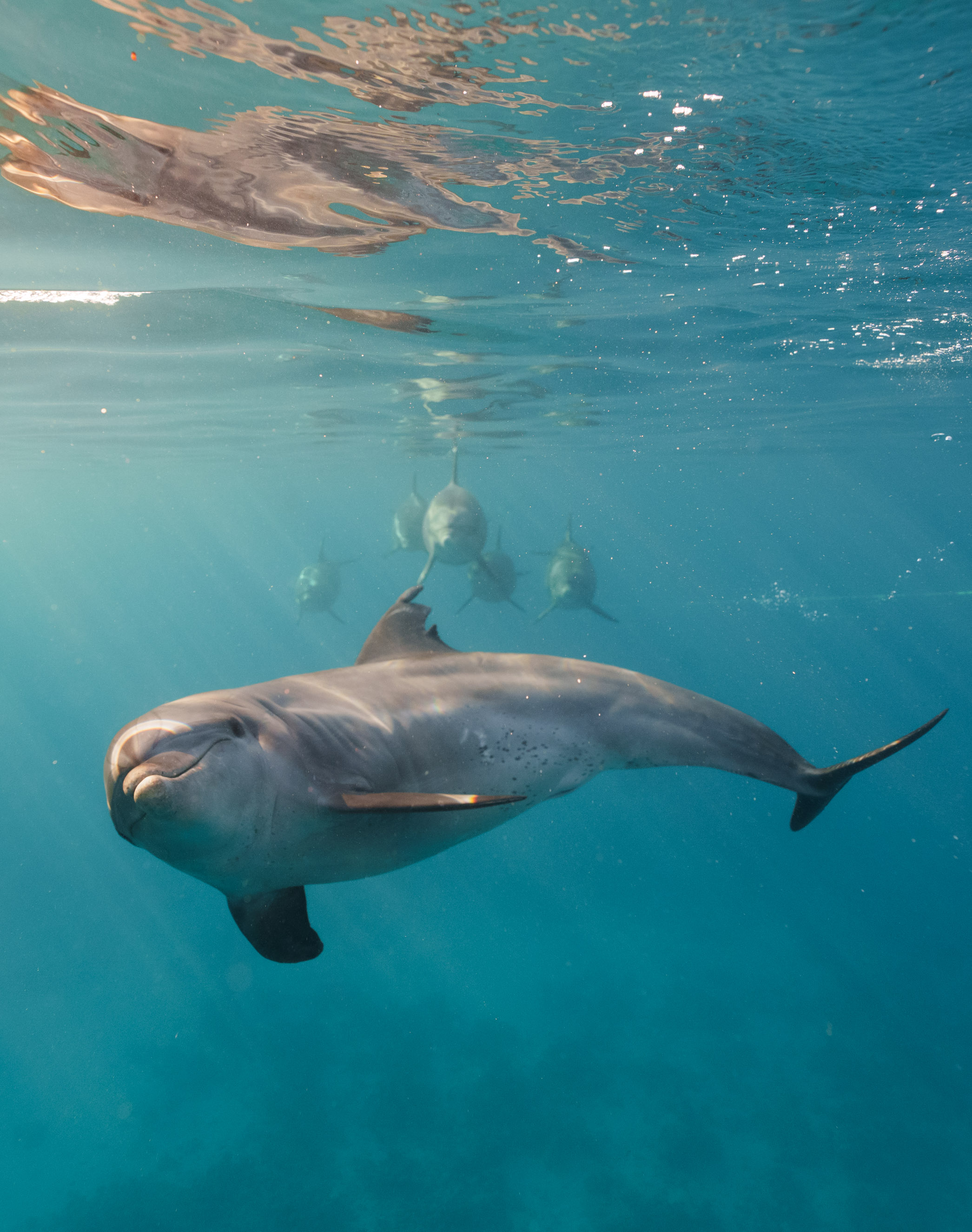
The Surface
Every dive ends the same way. You come up. You break through the surface. The air hits your face and suddenly you are back. The sounds return. Gravity returns. The weight of everything you left behind on land comes back.
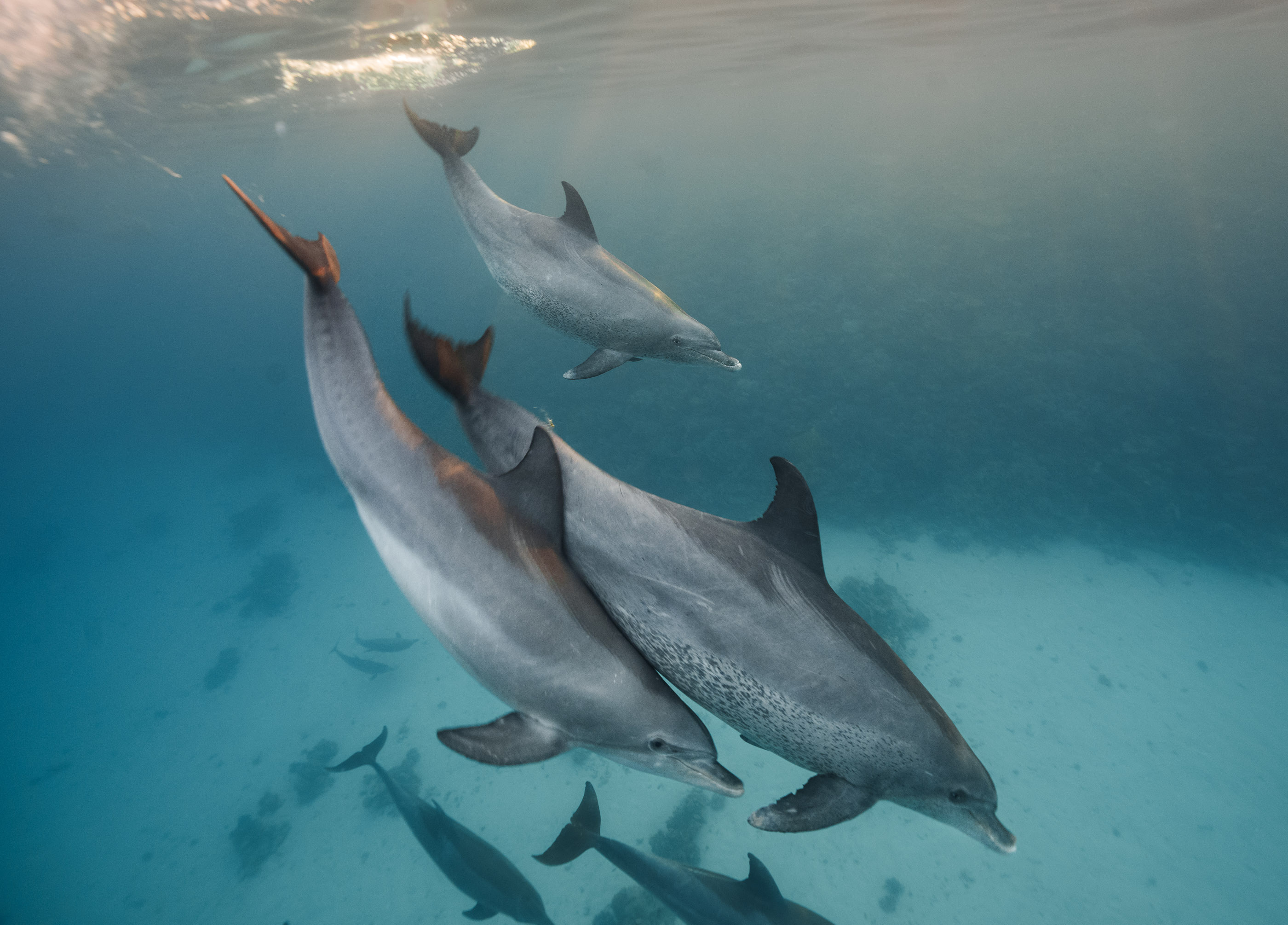
But you are not the same person who went in. Something happened down there. Something quiet and hard to explain. You held your breath and let the water hold you and for a few minutes you were part of something larger than yourself. You saw the world that exists beneath the one we live in. And you realized that the thin surface between air and water, between what we see and what we don’t, is the thinnest, most important line on the planet.
Written with BlueTip 🦋
Gear
The photography gear used in this story.
Cameras
Lenses
- Sony FE 16-35mm f/2.8 GM
- Sony FE 90mm f/2.8 Macro G
Accessories
- SeaFrog Housing
- Inon Z-330 Strobes
Related Topics