I remember growing up surrounded by wildlife books and watching wildlife documentaries. The National Geographic show, and “El Hombre y la Tierra” were on the TV every Saturday morning. While watching these shows, Africa and Kilimanjaro were always portrayed as magical places, where the savannah meets the snow.
Later in life, I started reading Ernest Hemingway and discovered his book “The Snows of Kilimanjaro”, where the opening lines continue adding to that mystery:
“Kilimanjaro is a snow-covered mountain 19,710 feet high and is said to be the highest mountain in Africa. Close to the western summit, there is a dried and frozen carcass of a leopard. No one has explained what the leopard was seeking at that altitude.”
— Ernest Hemingway, The Snows of Kilimanjaro
In 2022, after months of planning, I finally went to Africa and hiked Kilimanjaro, with the intent of having seven days of uninterrupted hiking and photography time. I went looking for a mountain. What I found was something bigger.
The Rainforest
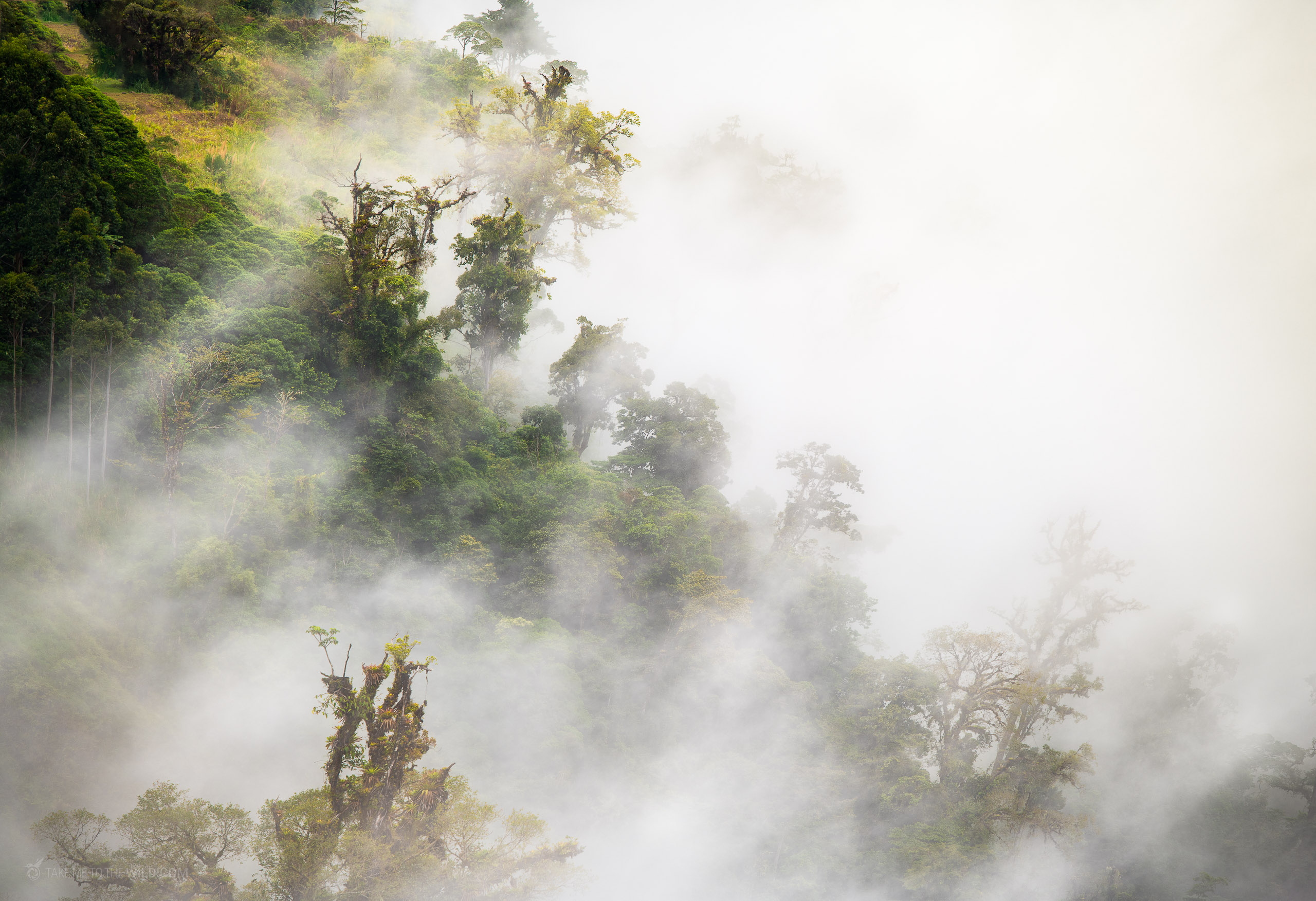
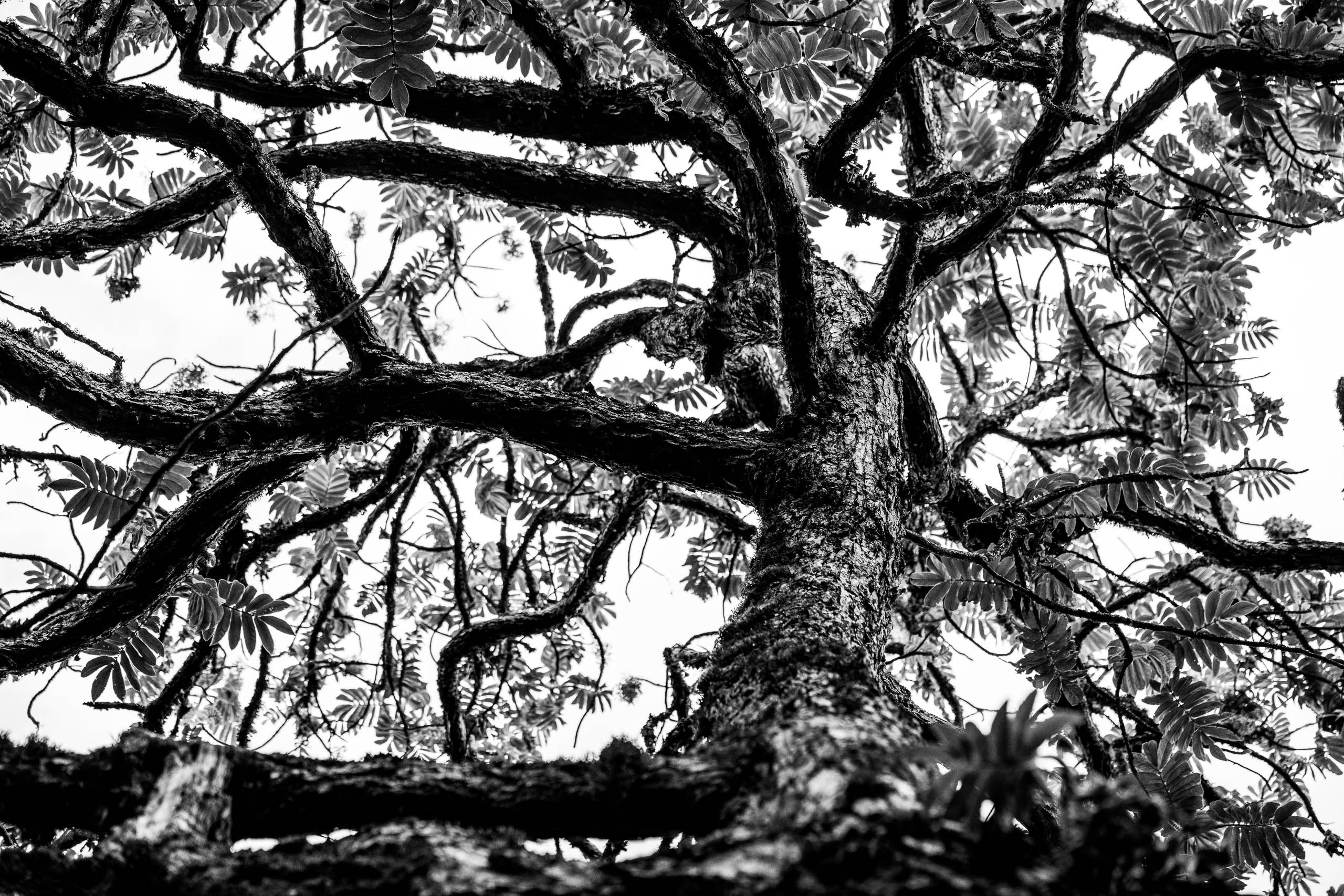
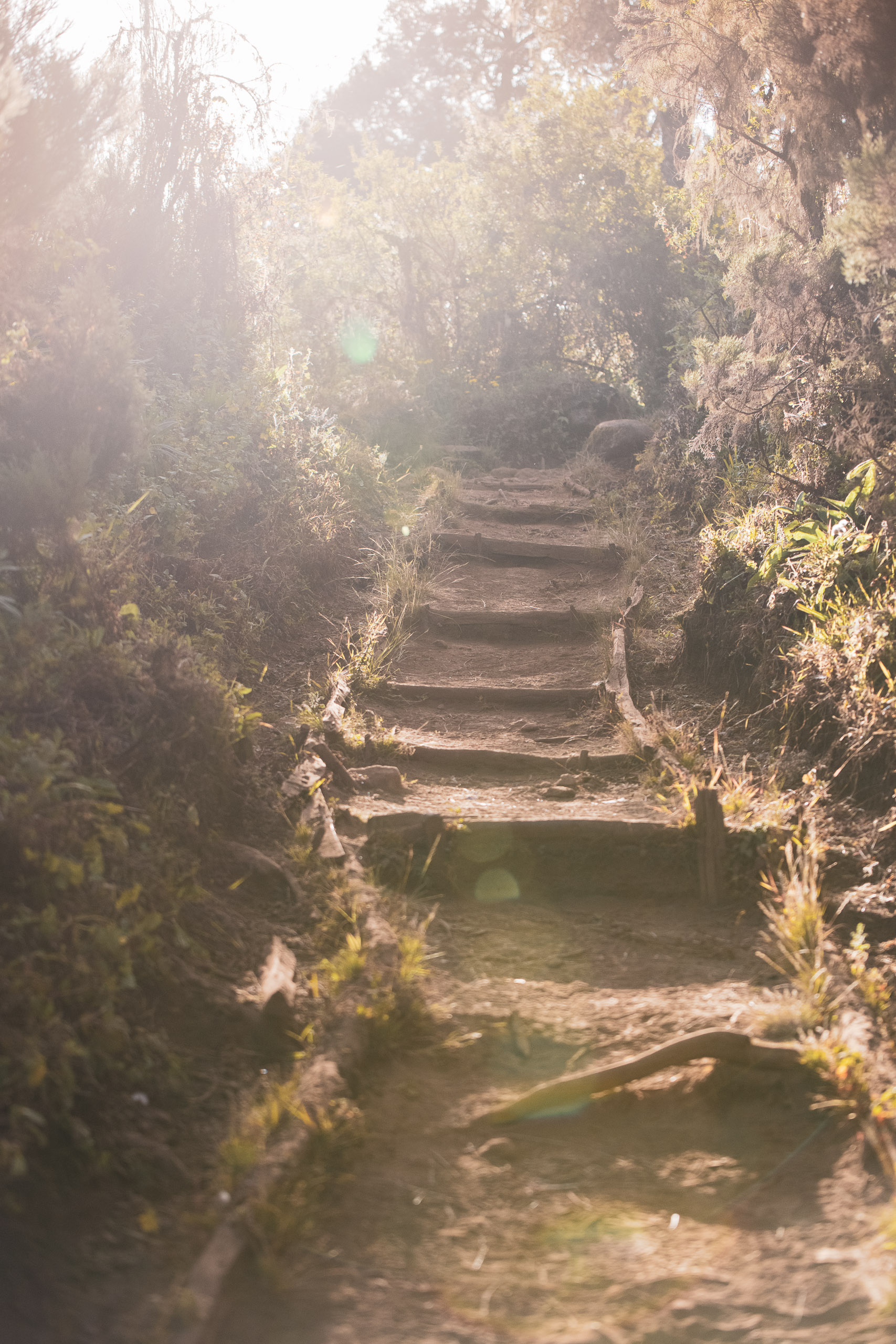
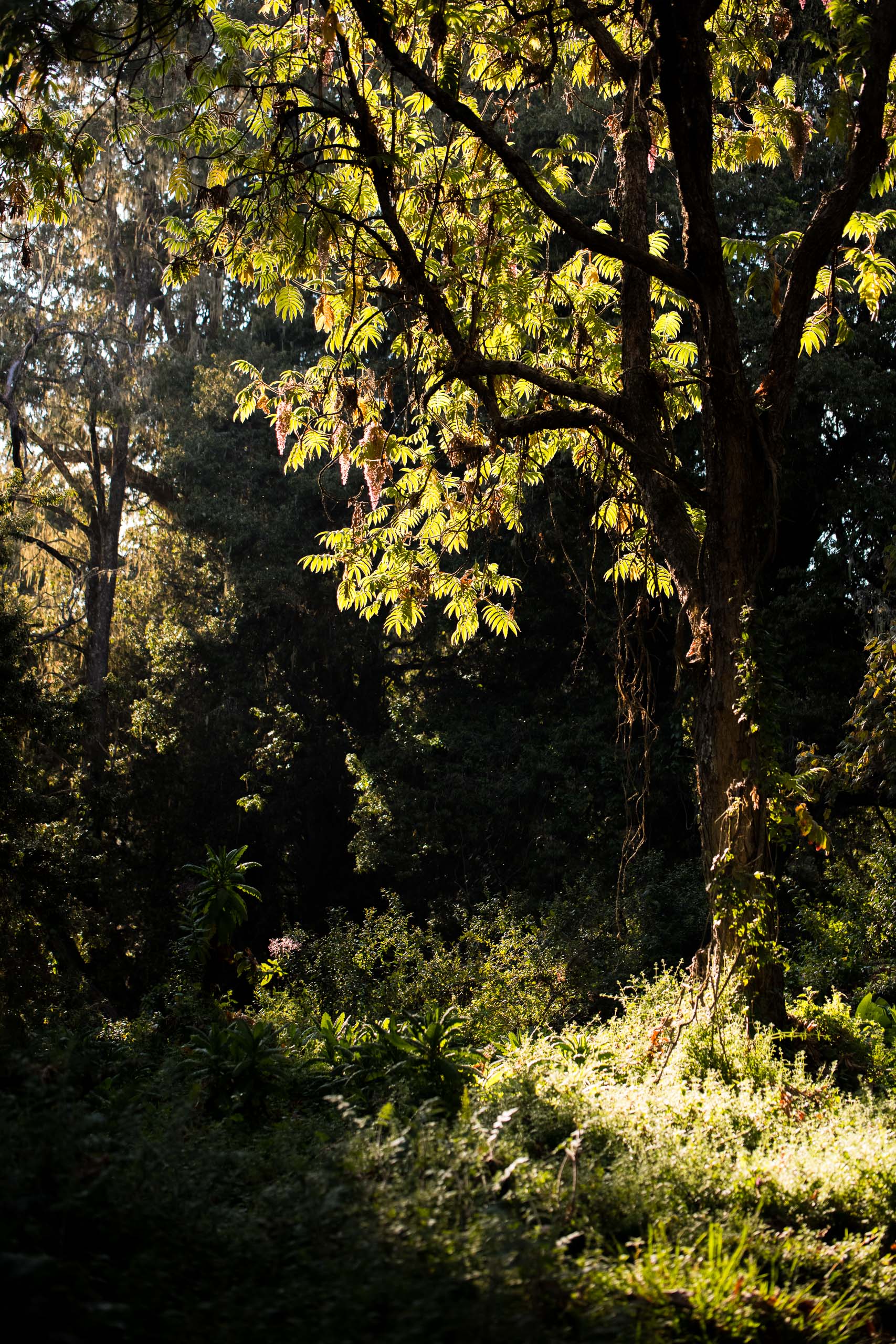
The journey begins at Lemosho Gate, on the western side of the mountain. You step out of the vehicle and into a different world. The air is warm and heavy with moisture. The trail enters the rainforest immediately, and within minutes the outside world disappears behind a wall of green. Giant ferns, tangled vines, and moss-covered trunks surround you. The canopy is so dense that the light barely reaches the ground.
This is the first of five climate zones you will pass through on your way to the summit. It feels like a proper jungle, and it is hard to believe that snow and ice exist anywhere above you.
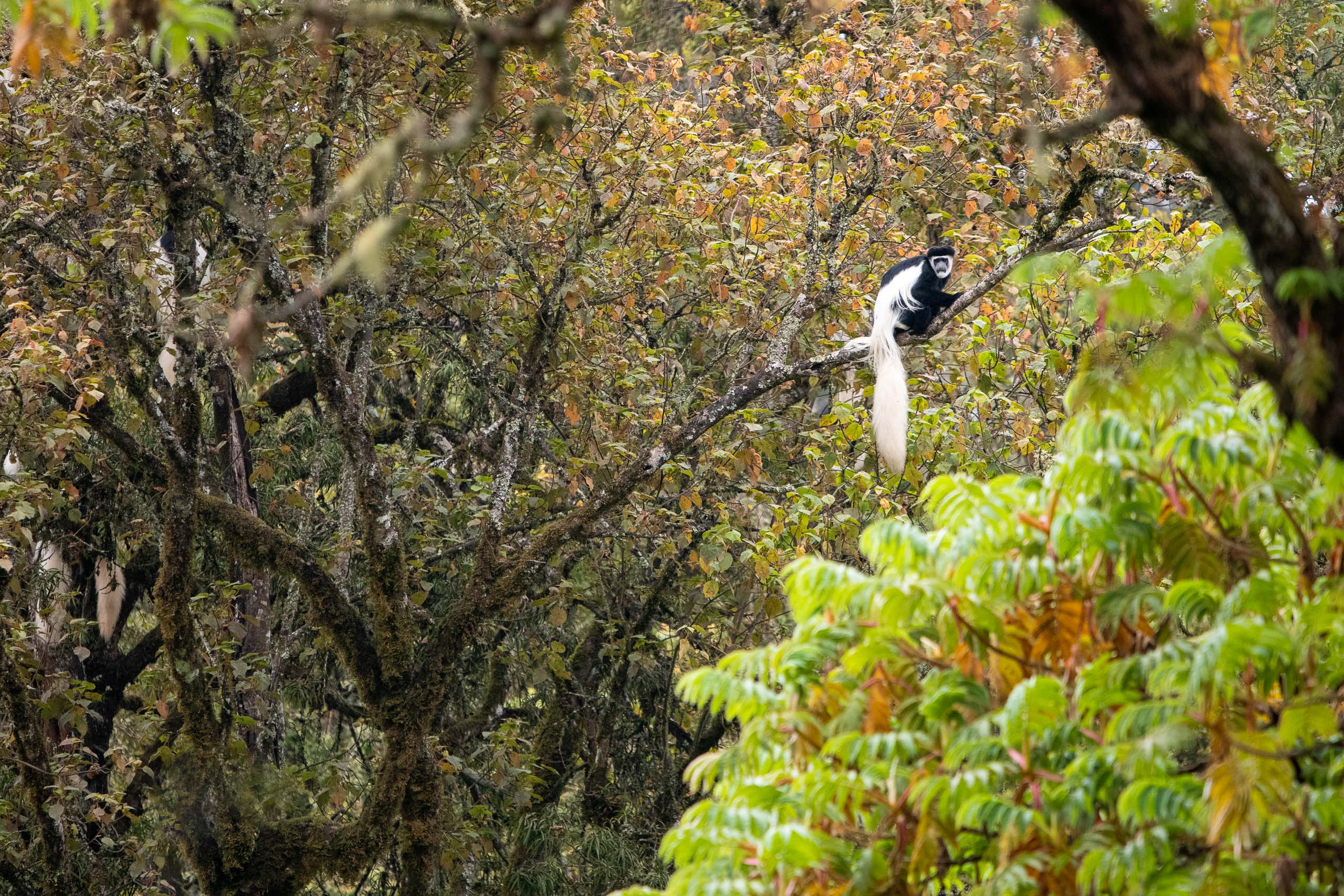
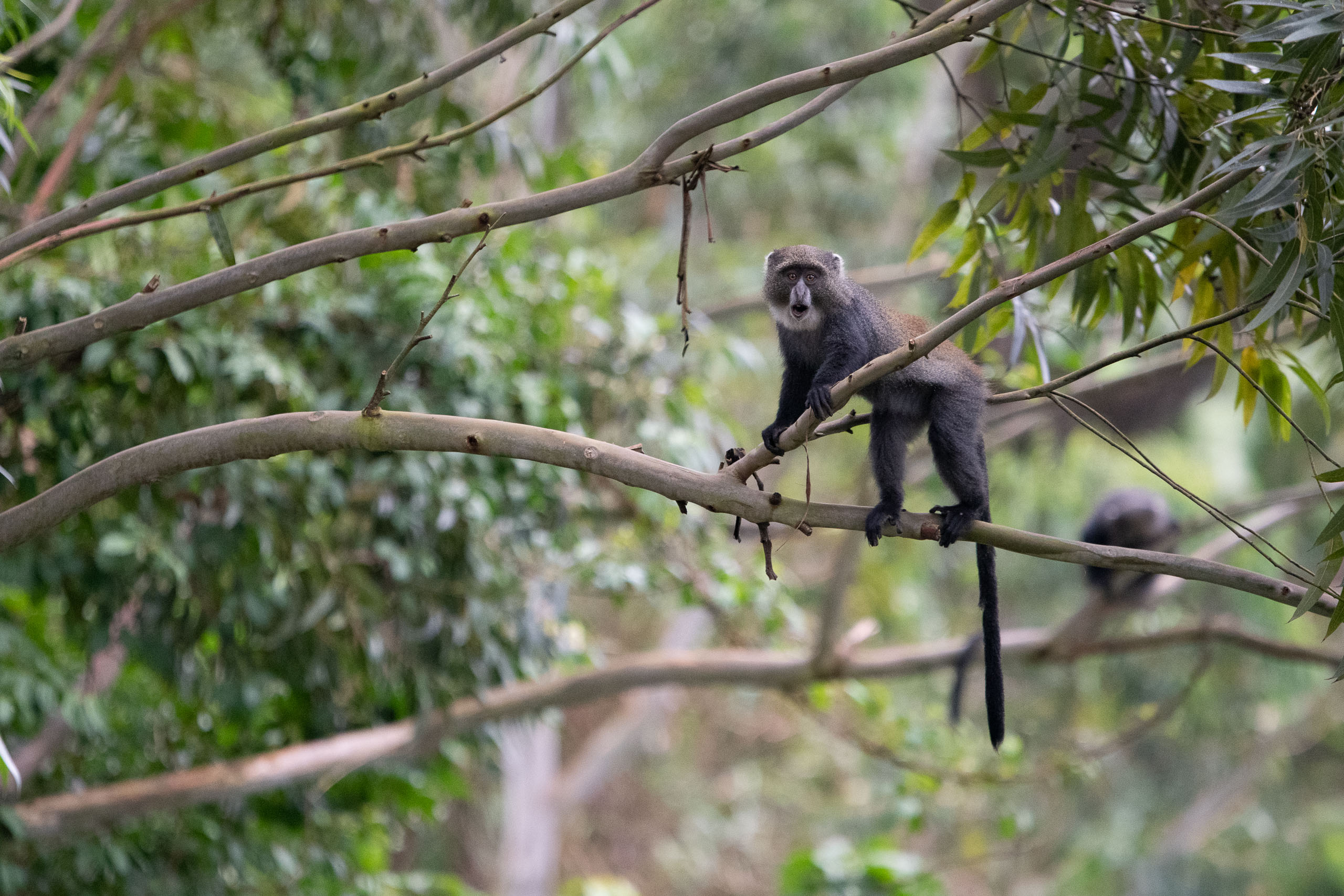
In the canopy above, Colobus Monkeys move through the branches, their long black and white fur trailing behind them. Blue Monkeys are harder to spot, but you can hear them calling through the trees. These forests are alive with birds and insects, and if you are paying attention, you will see chameleons, tree frogs, and countless species of butterflies.
The Moorland
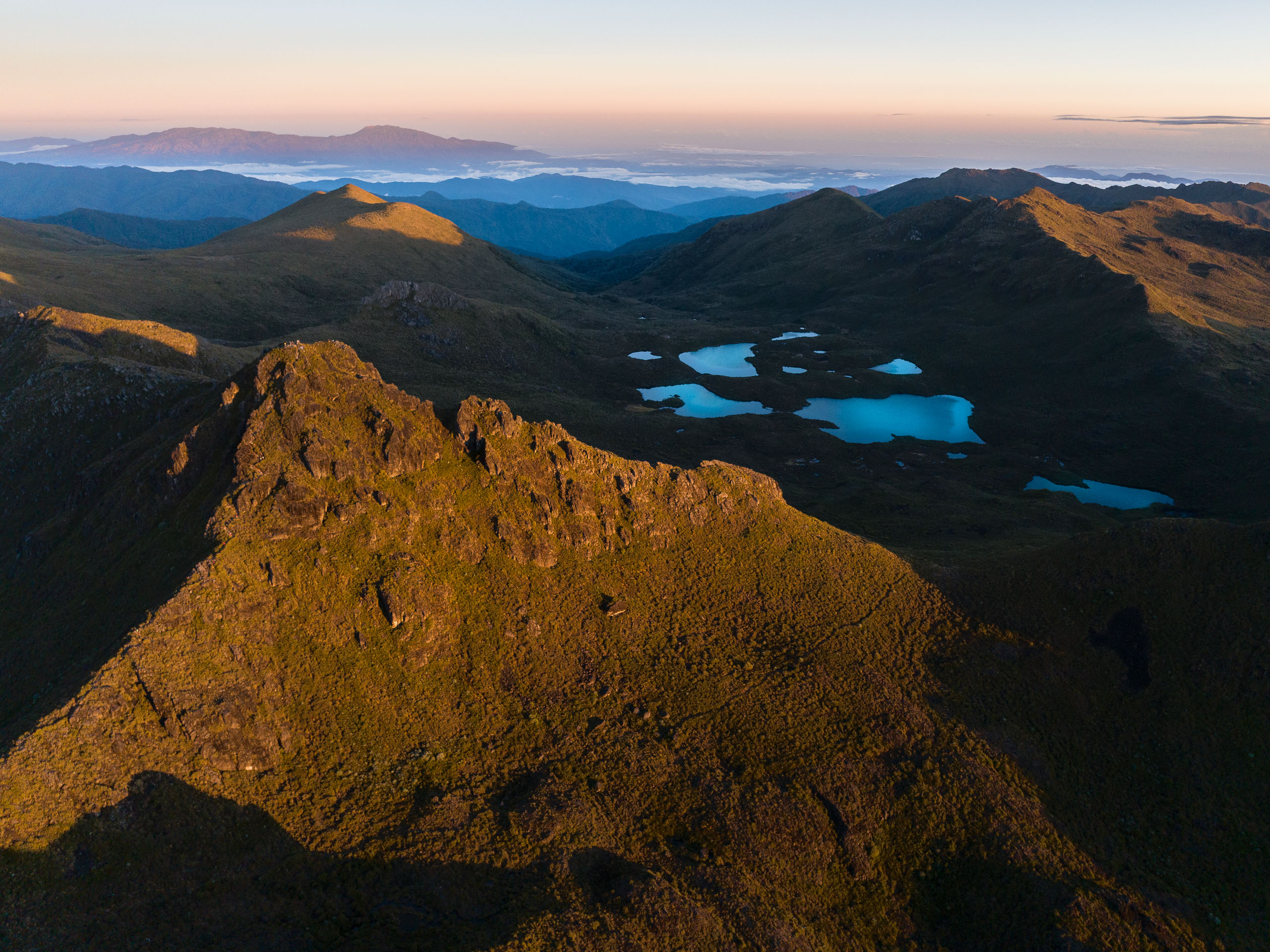
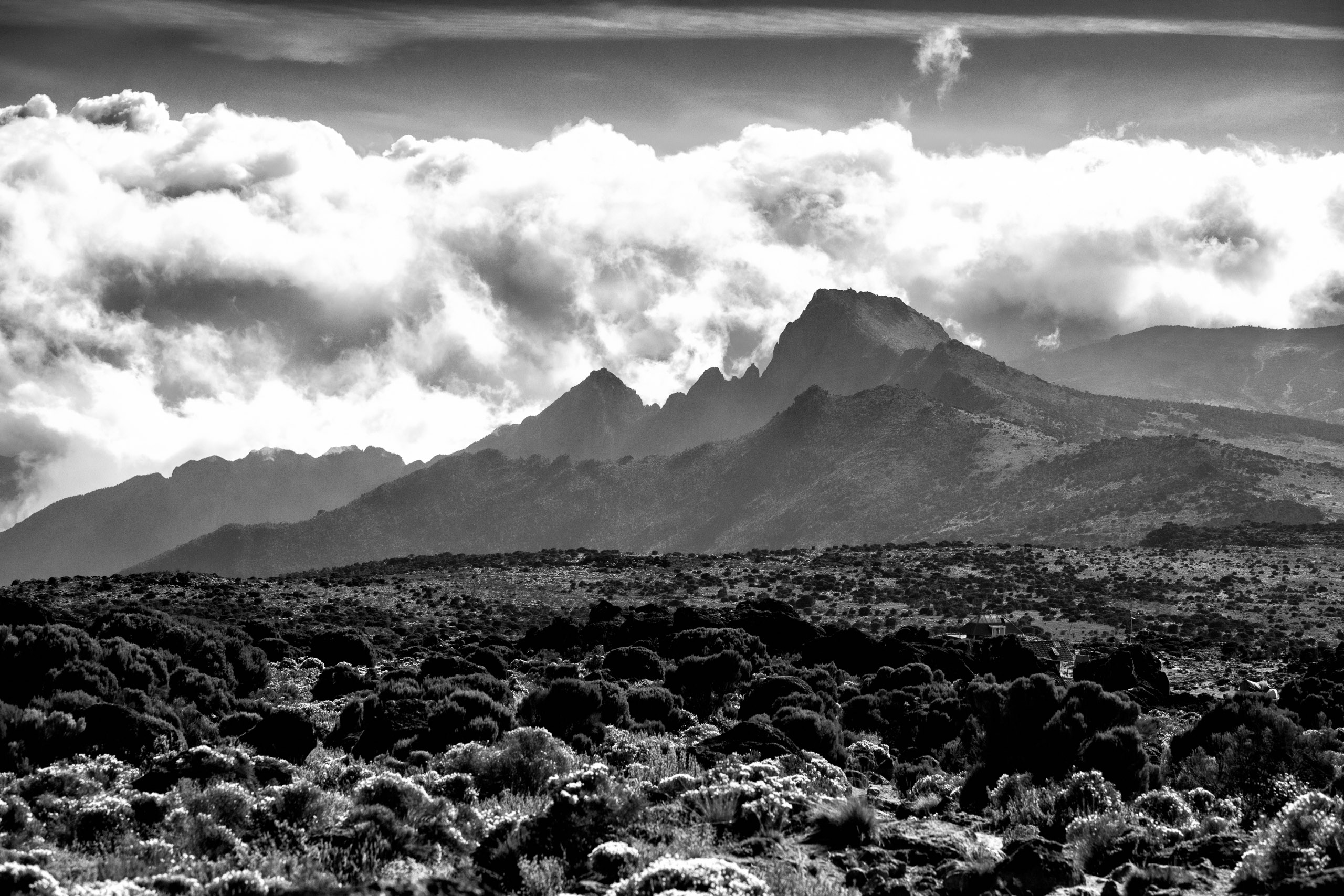
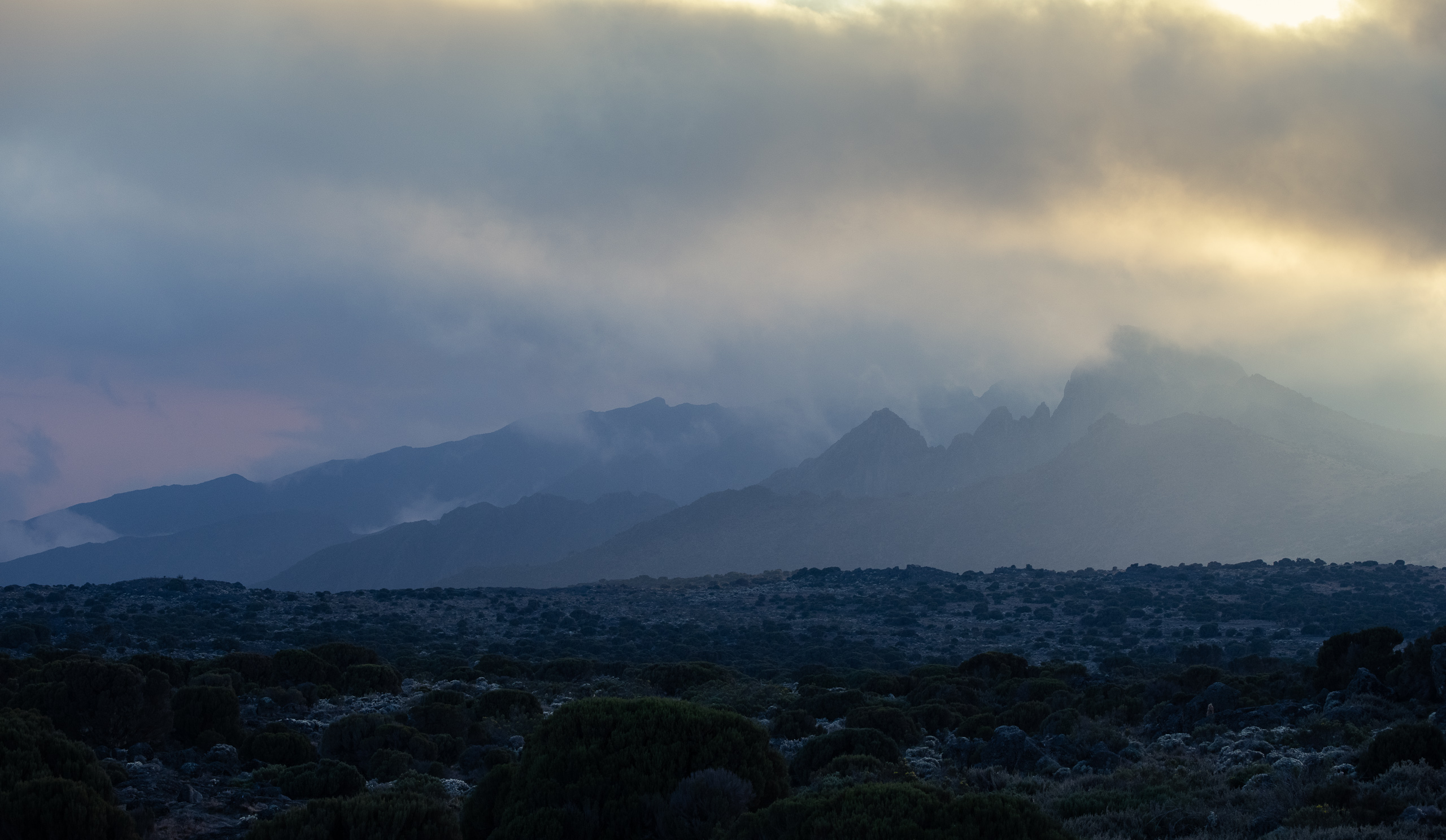
On the second day, the forest starts to thin. The trees give way to heath and moorland, and suddenly the landscape opens up. You can see the sky again, and the mountain begins to reveal itself. At Shira Camp, at 3,847 meters, you are standing on one of the highest plateaus in the world.
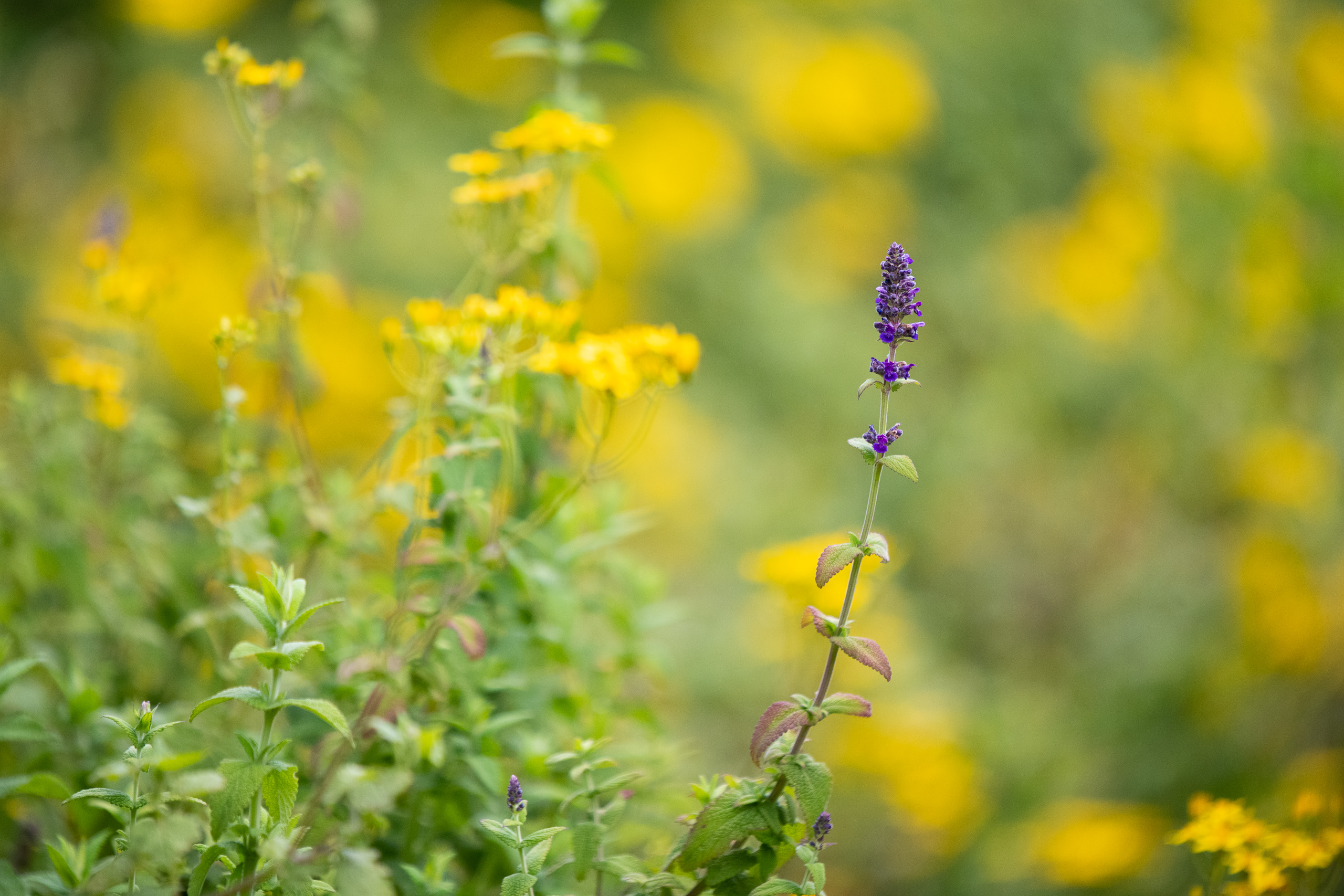
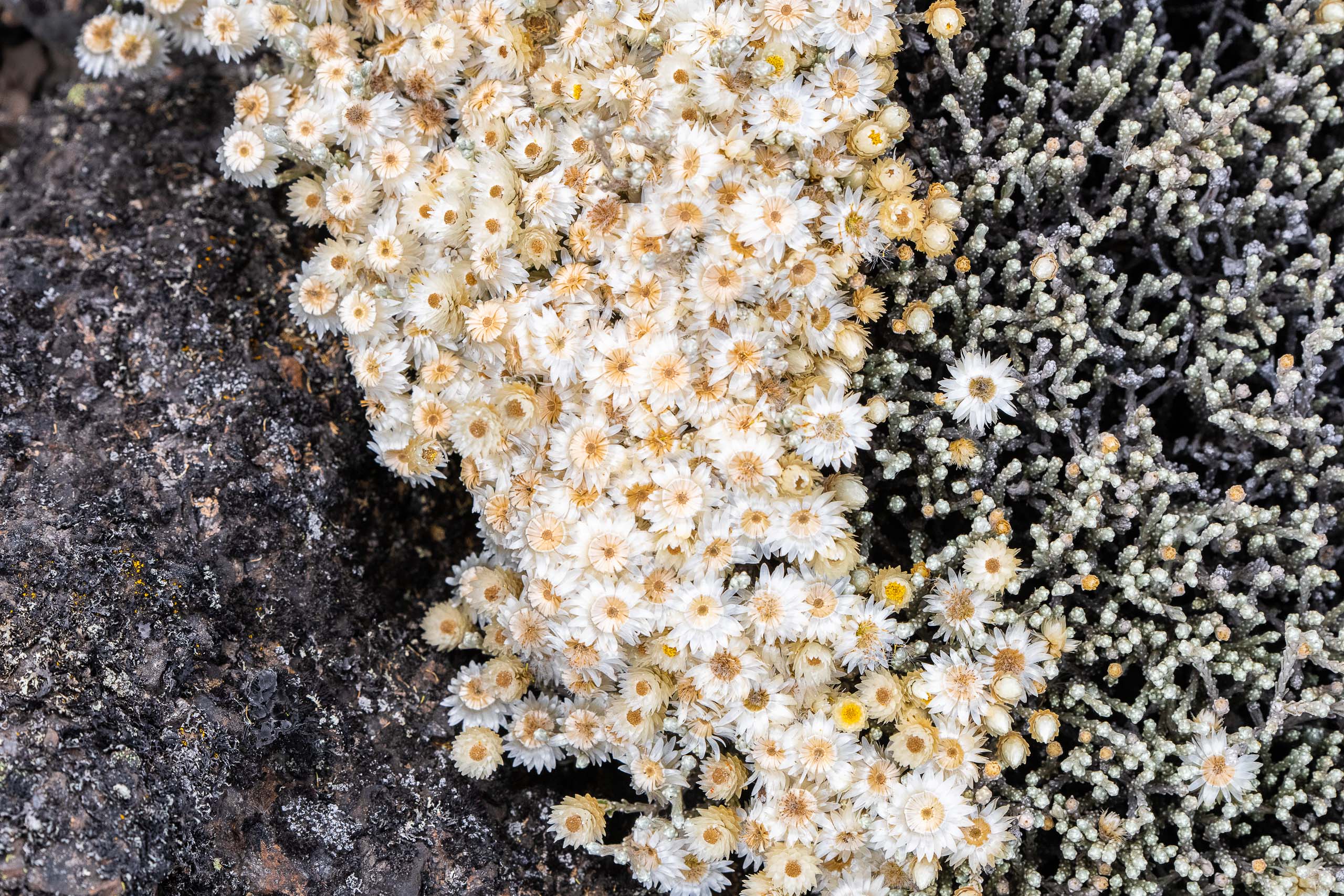
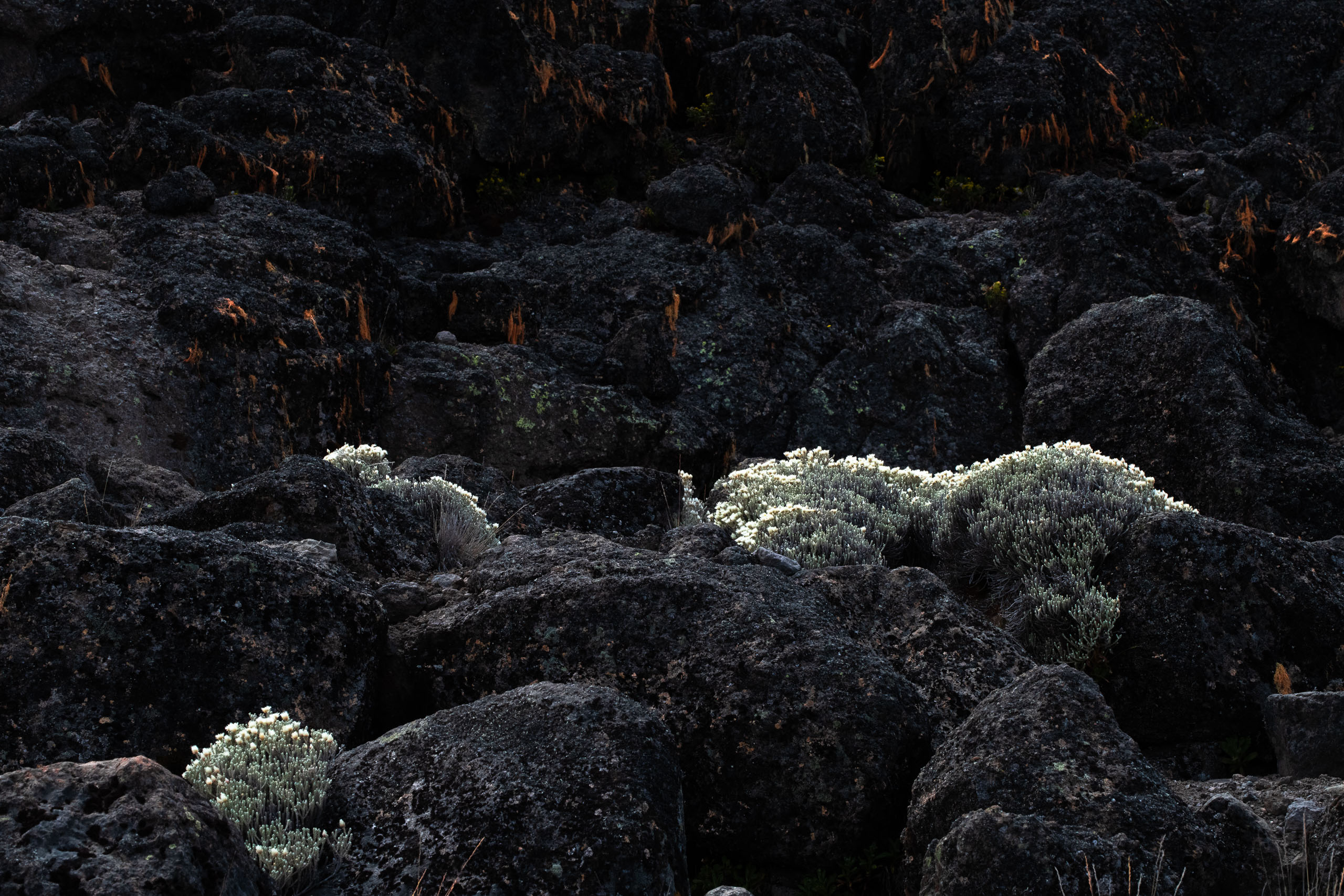
The vegetation here is different. Low shrubs, heather, and wildflowers replace the tall trees. The everlasting flowers are everywhere, small and resilient, growing in clusters on the rocky ground. The air is thinner, and you start to feel it in your breathing.
The People
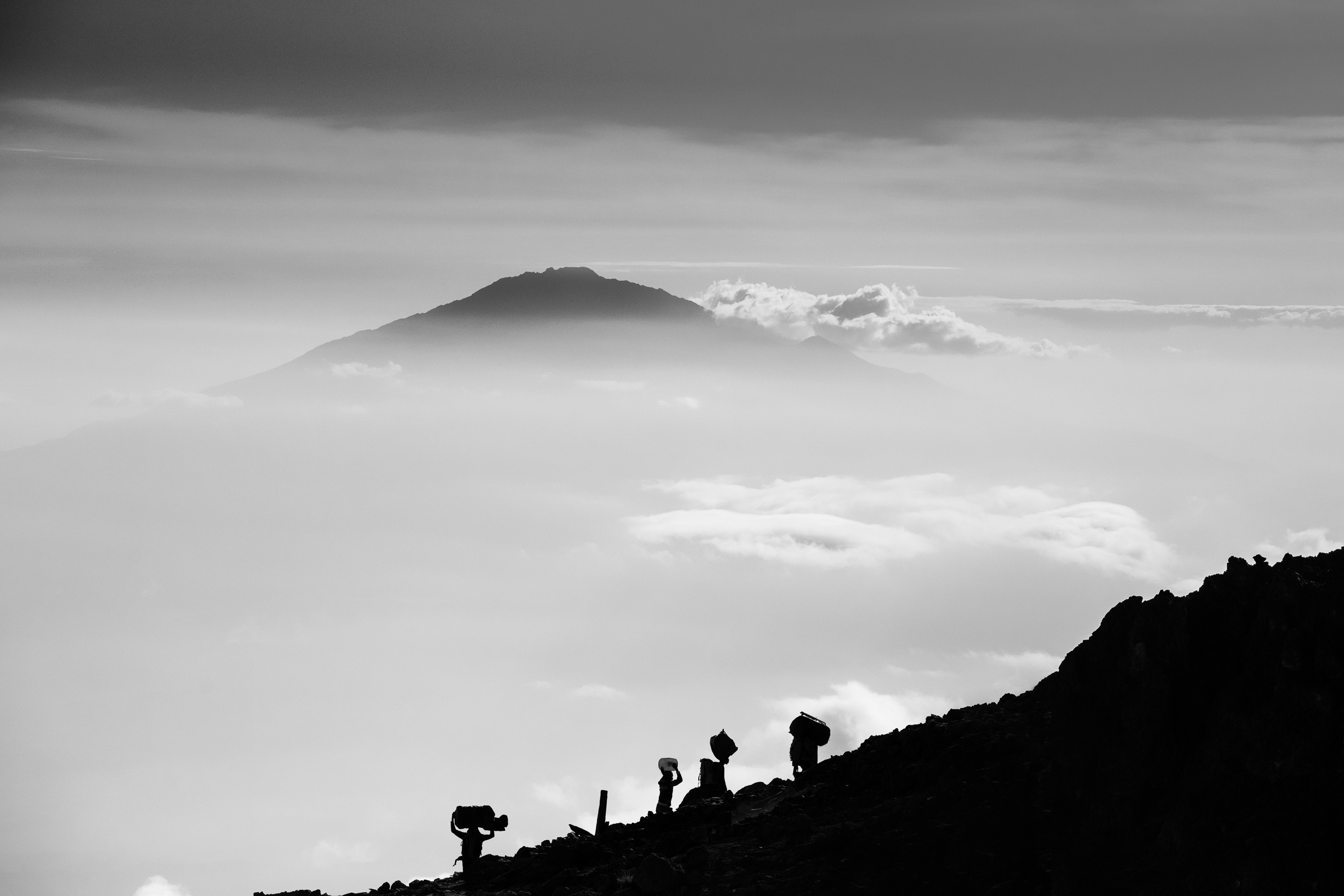
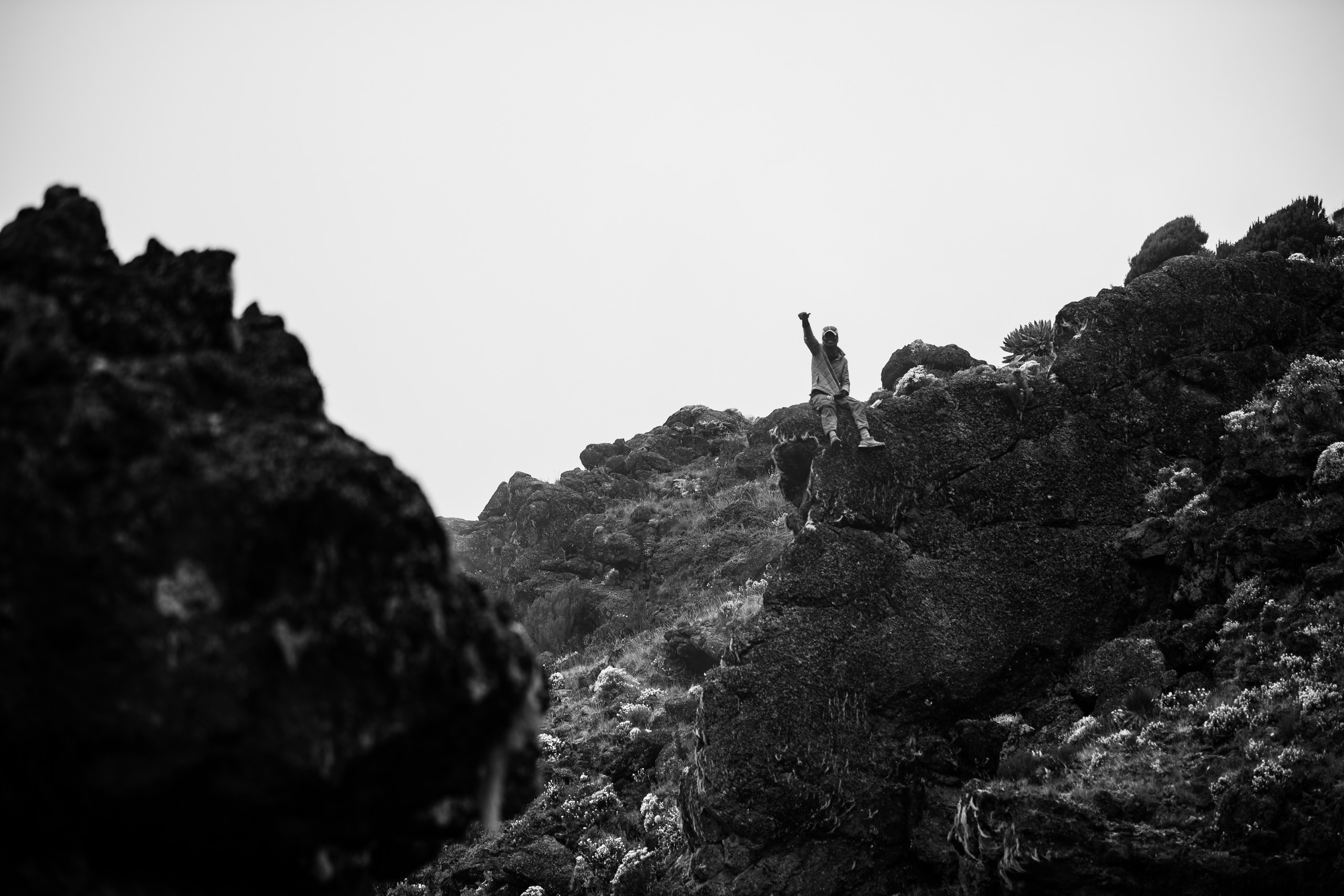
But what surprised me the most is that Kilimanjaro is a mountain of people. The Tanzanian porters and guides are truly what make this mountain come alive. They work tirelessly, carrying enormous loads on their heads, setting up camps hours before the hikers arrive, cooking meals at altitude, always with a smile on their faces. They support thousands of tourists per year on their summiting attempts, and without them, none of this would be possible.
On any given day, there are people from all walks of life, countries, and cultures, who have come together to attempt to summit the mountain. This is what makes the experience unique, the interactions and stories that you have with other hikers along the trail. Some will make the summit, some will have to turn back, but everyone will have a story to tell.
“Some will make the summit, some will have to turn back, but everyone will have a story to tell.”
The Alpine Desert
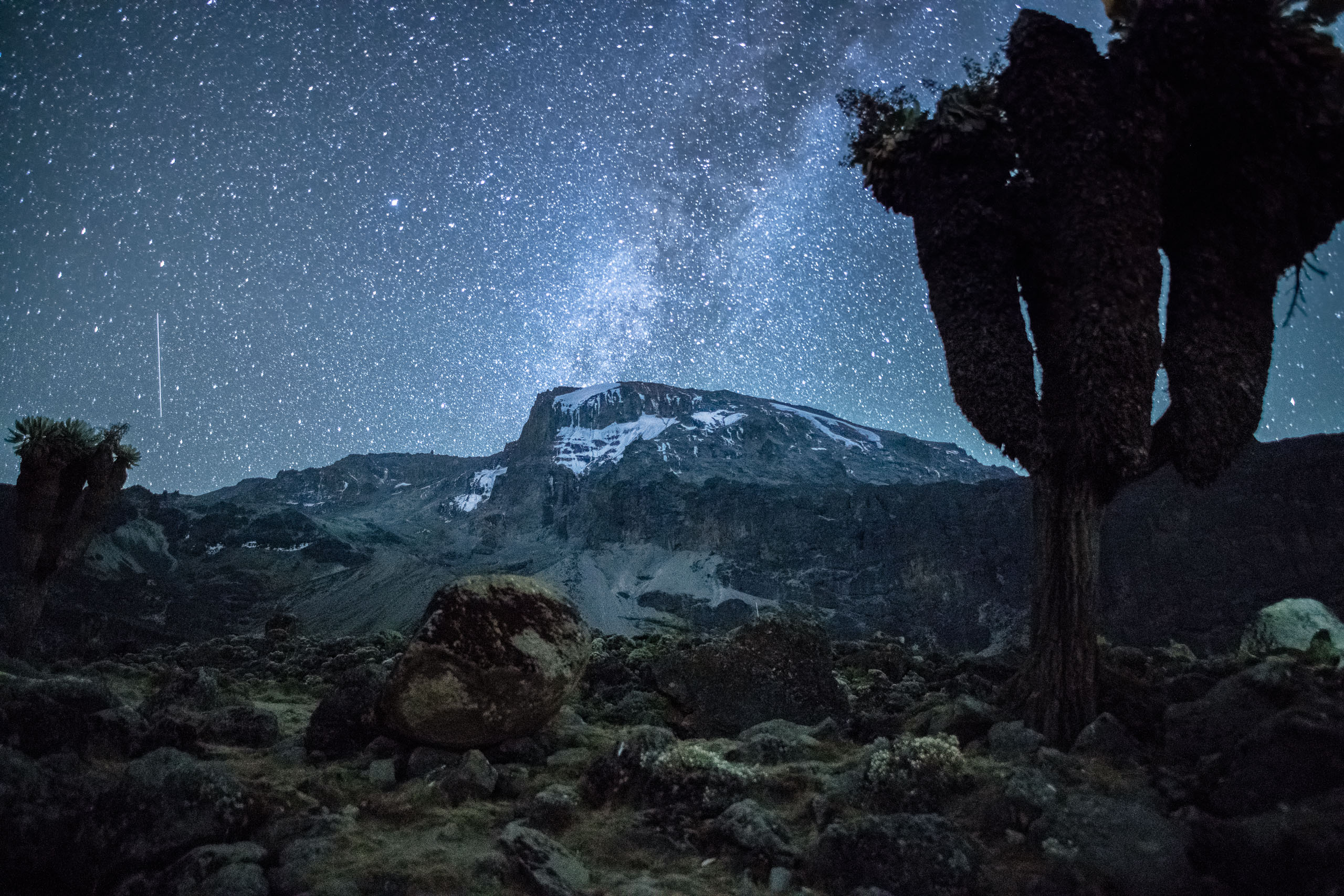
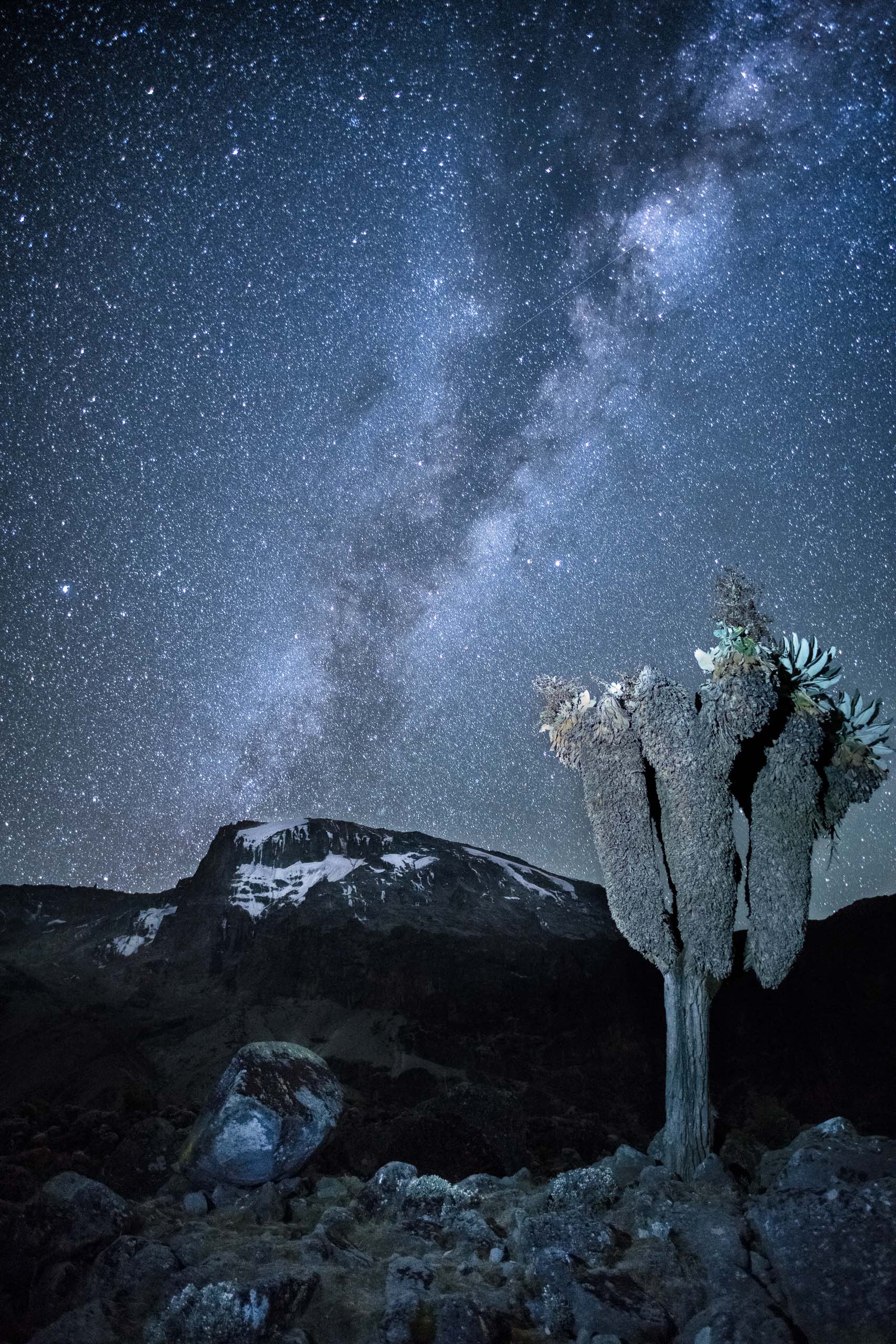
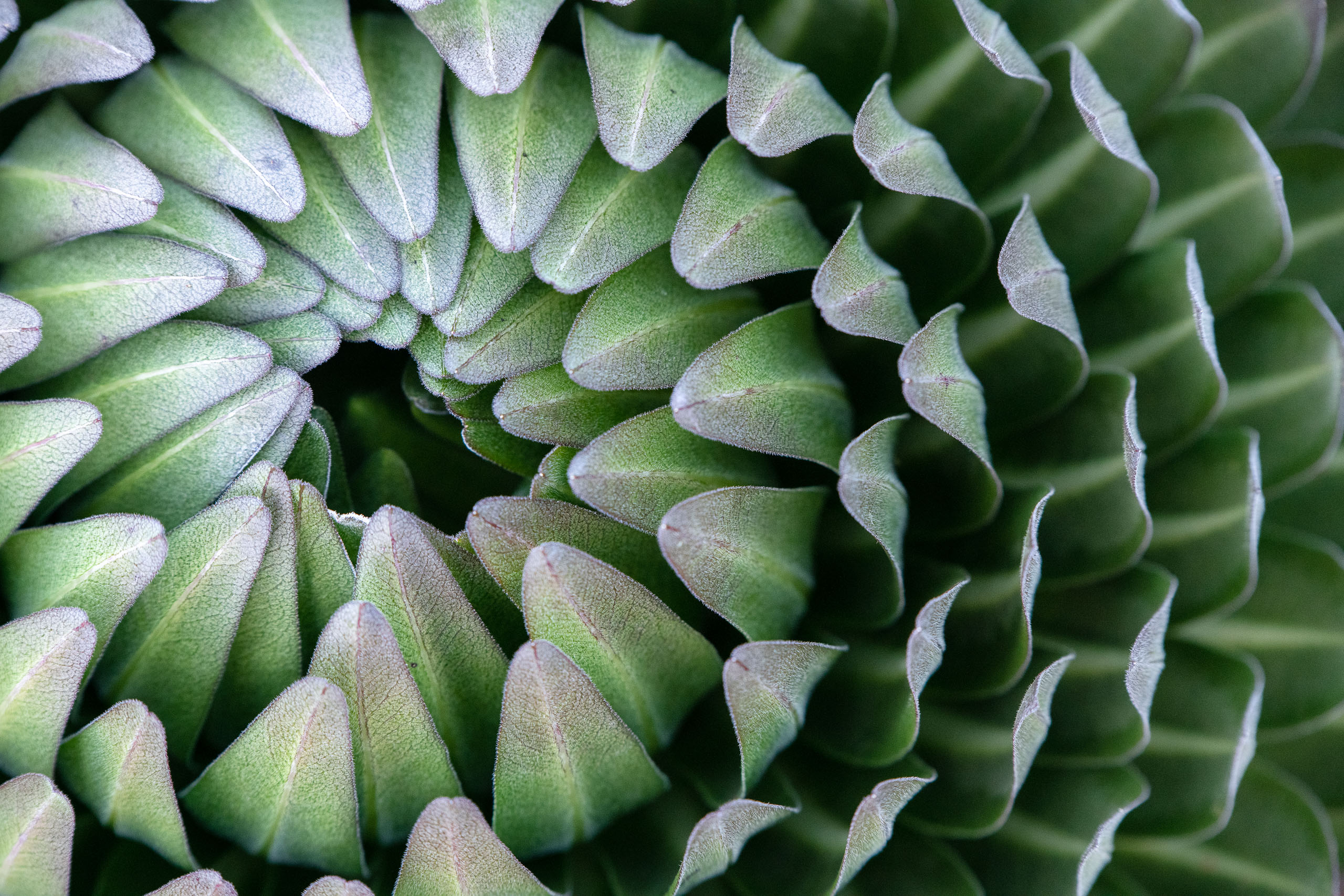
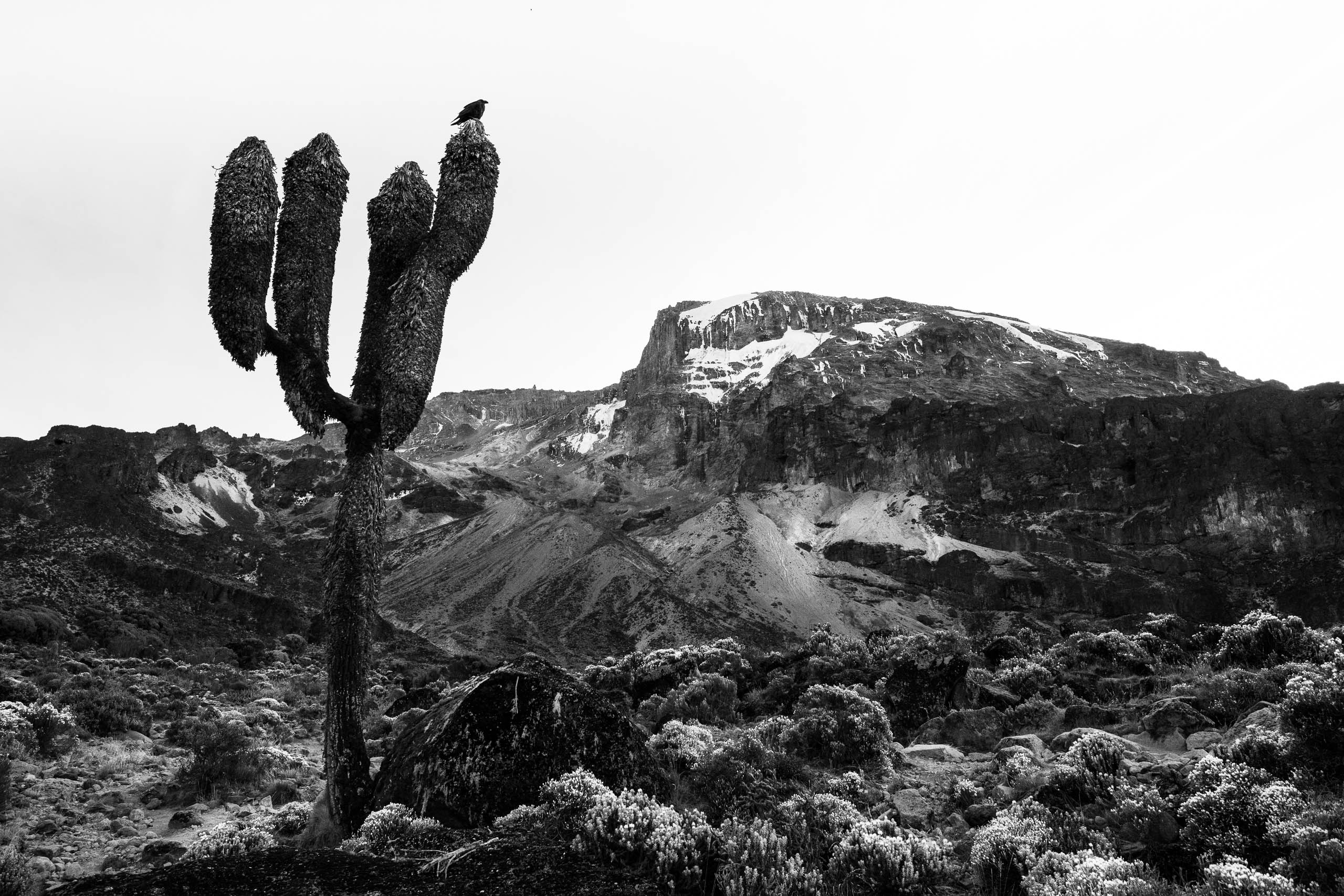
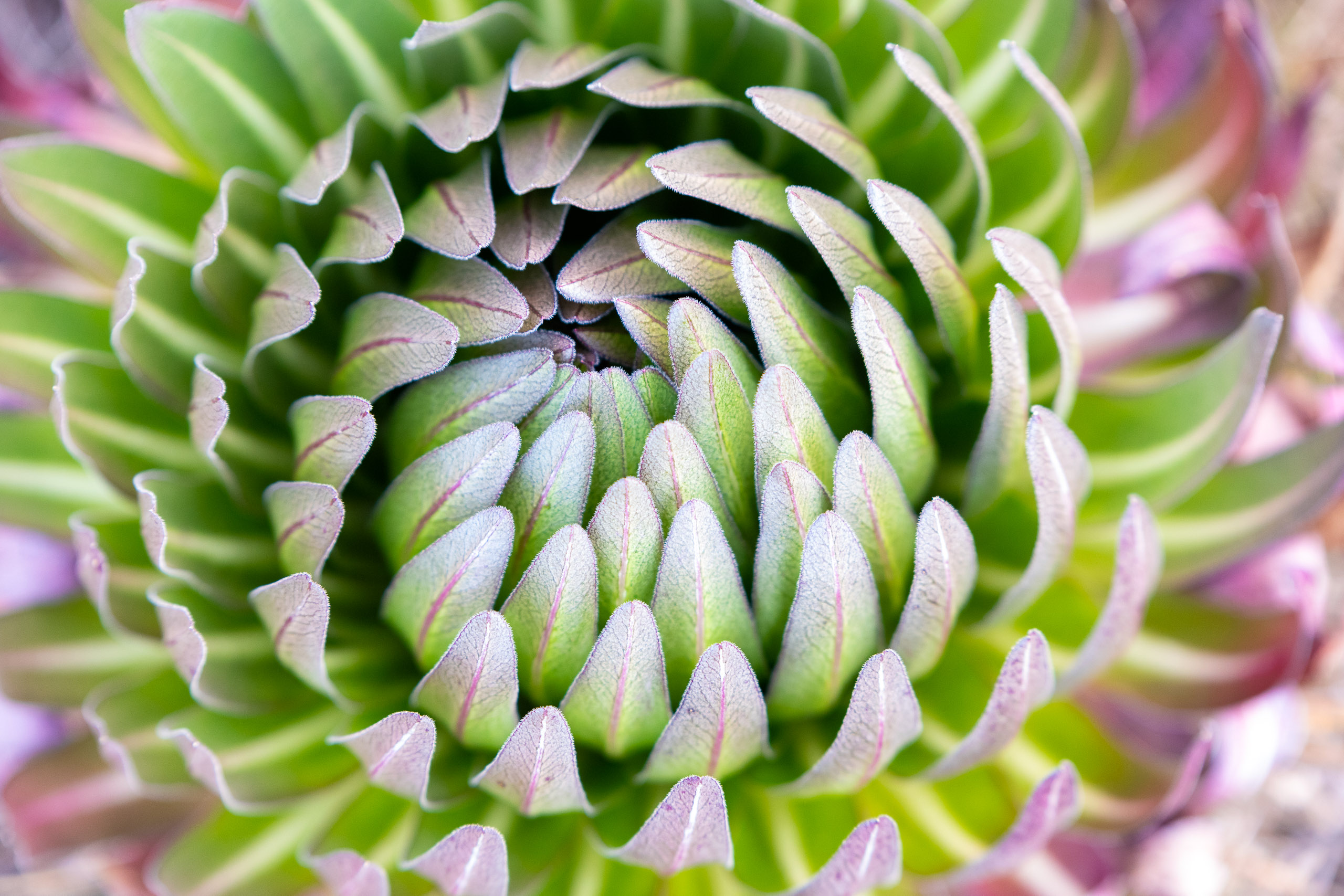
At Barranco Camp, we leave the heath zone and enter the alpine desert. The landscape changes again, dramatically. The vegetation almost disappears, replaced by volcanic rock and dust. Giant Groundsels and Giant Lobelias stand alone in the rocky terrain, prehistoric-looking plants that have adapted to the extreme conditions. They look like something from another planet.
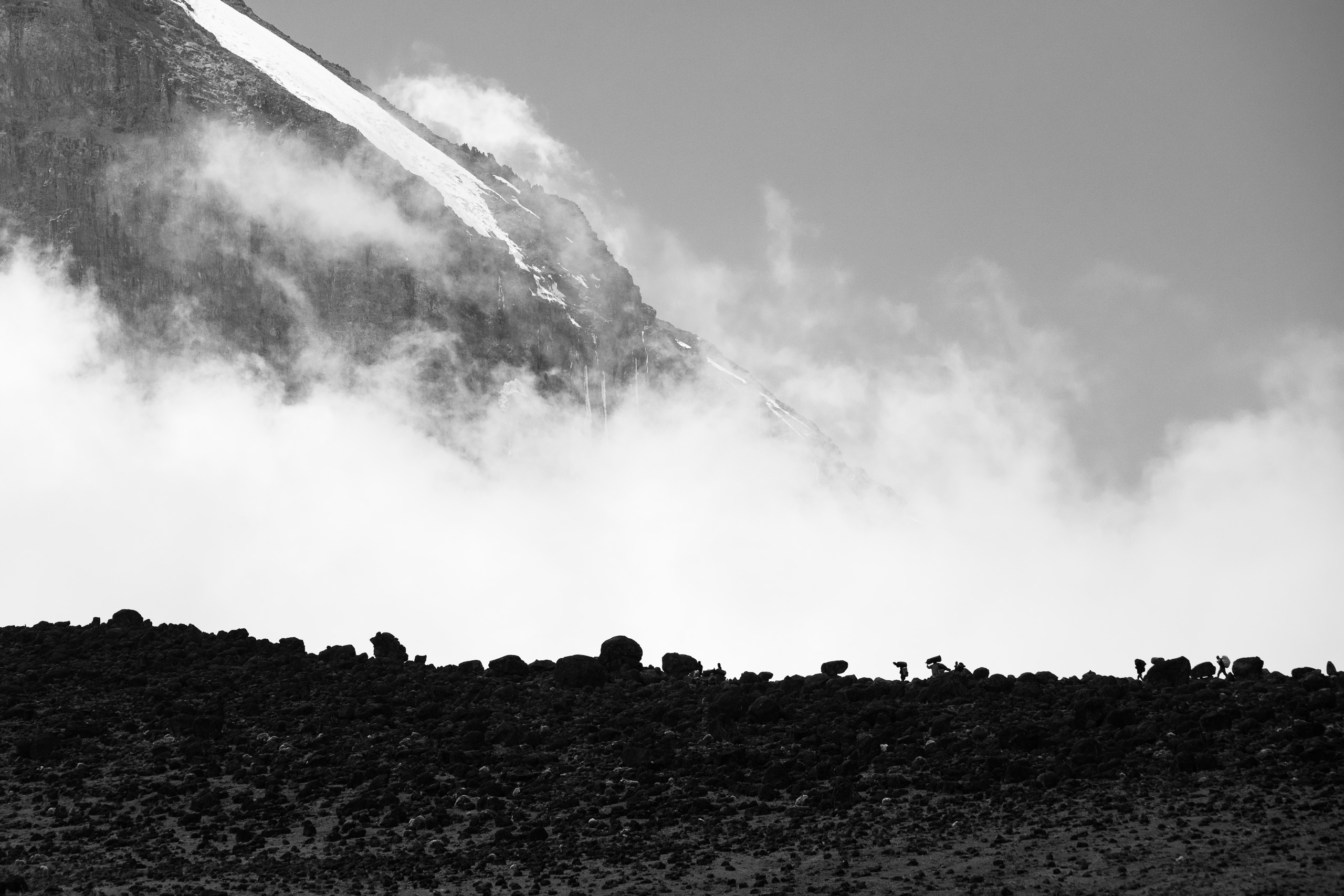
The higher you go, the less there is. Less vegetation, less oxygen, less noise. The world simplifies. Your thoughts simplify too. Up here, the things that seemed important at sea level start to lose their weight. You are just a person walking uphill, putting one foot in front of the other, breathing, and looking at a mountain that has been here for millions of years. It is a good feeling.
The Night Sky
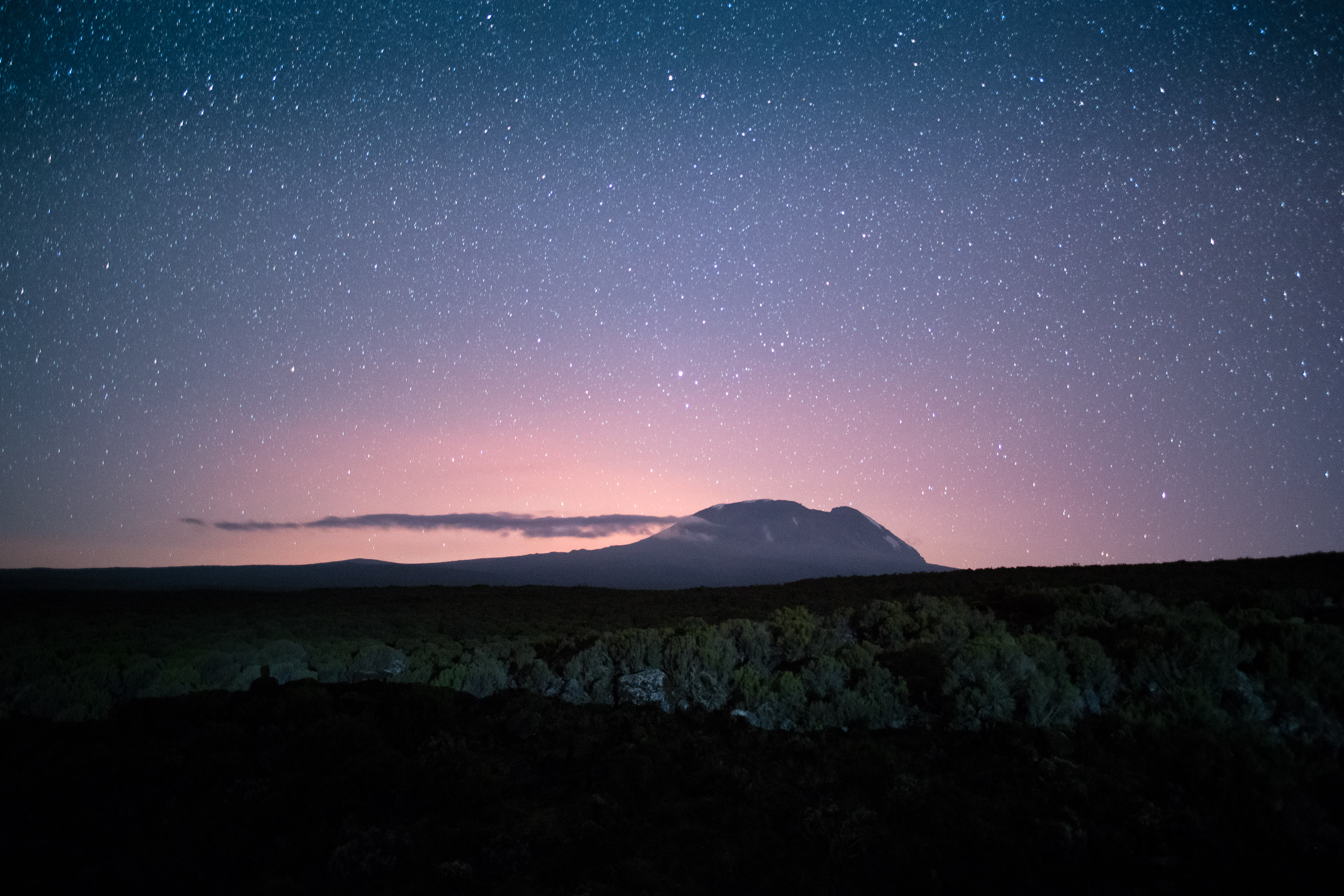
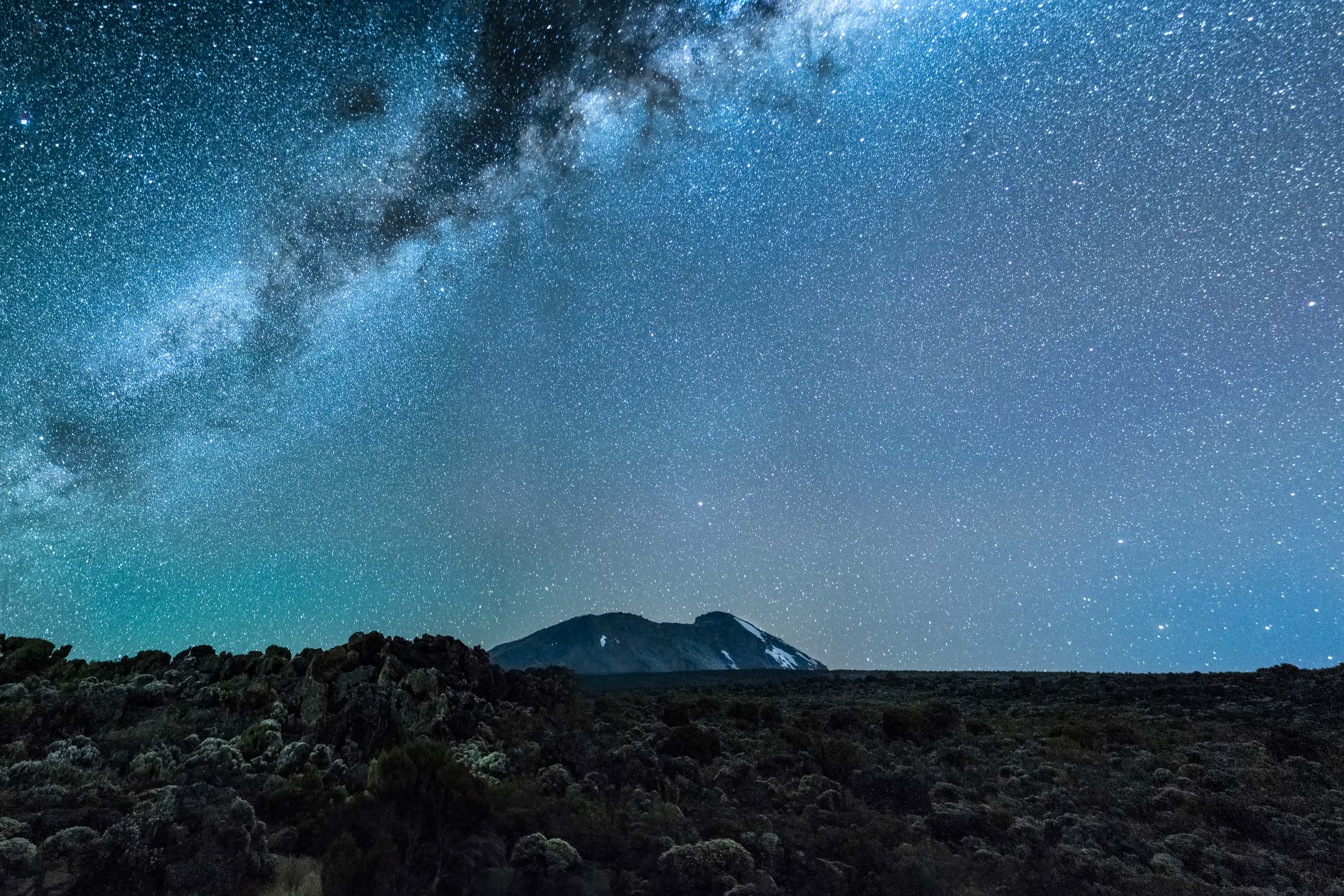
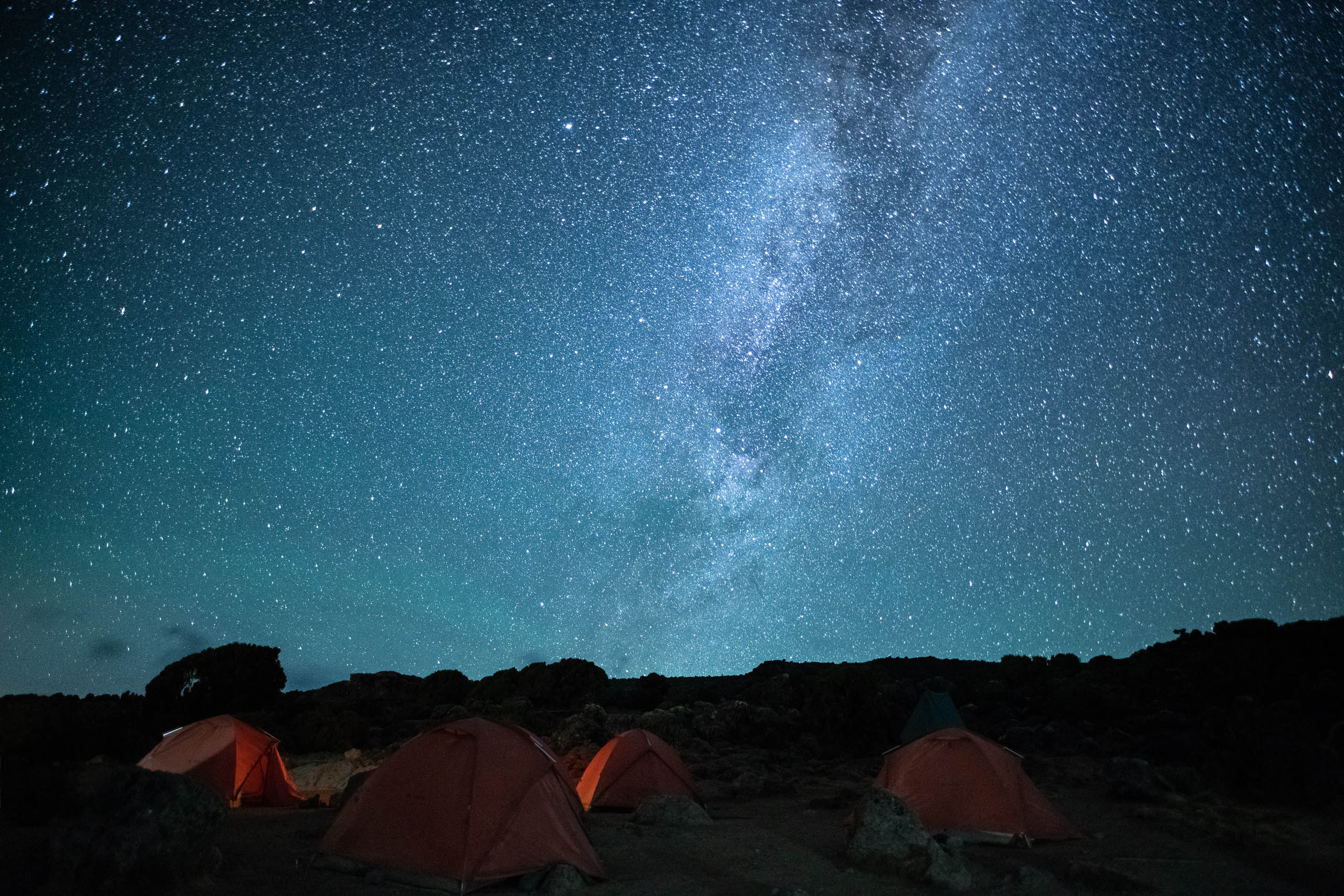
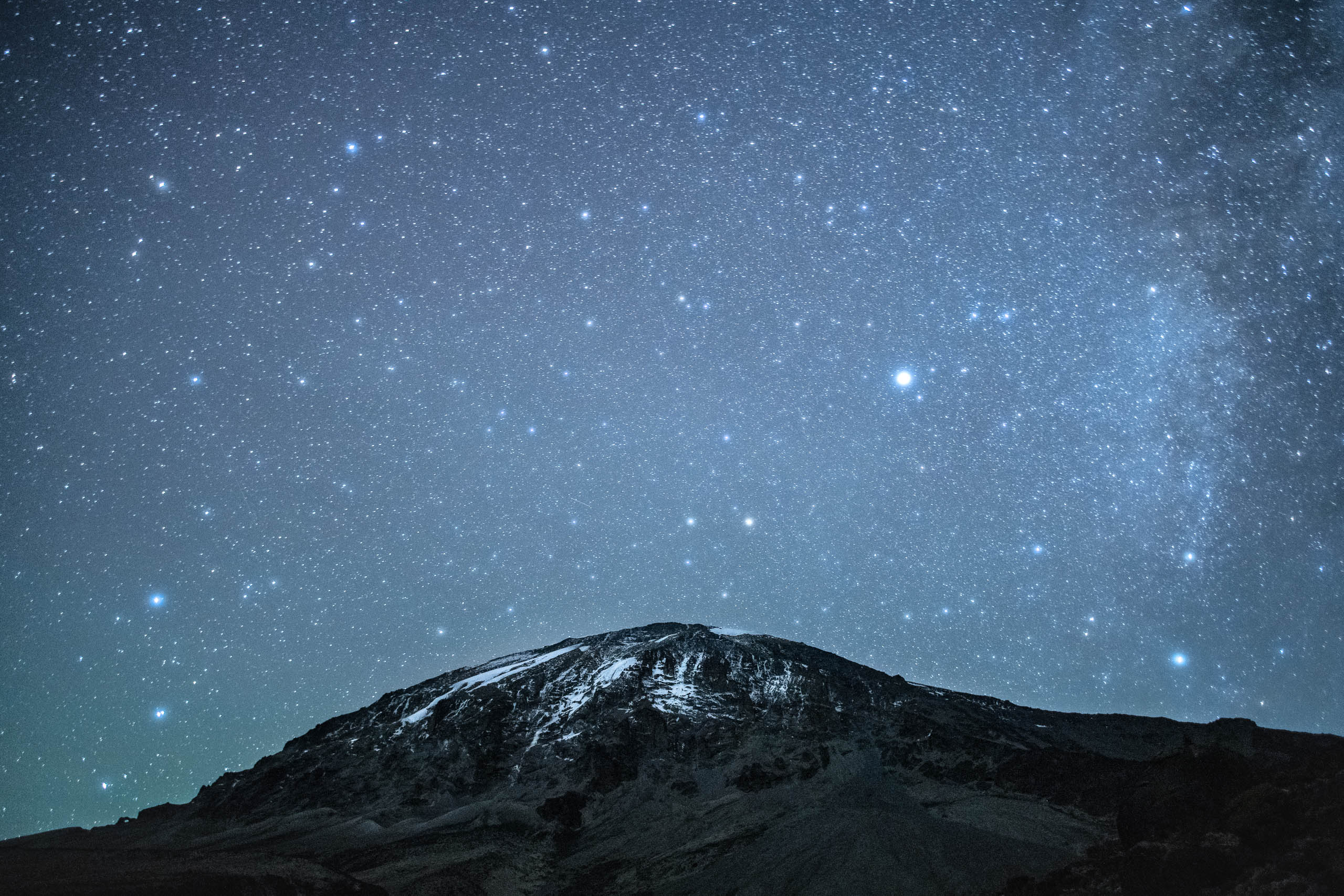
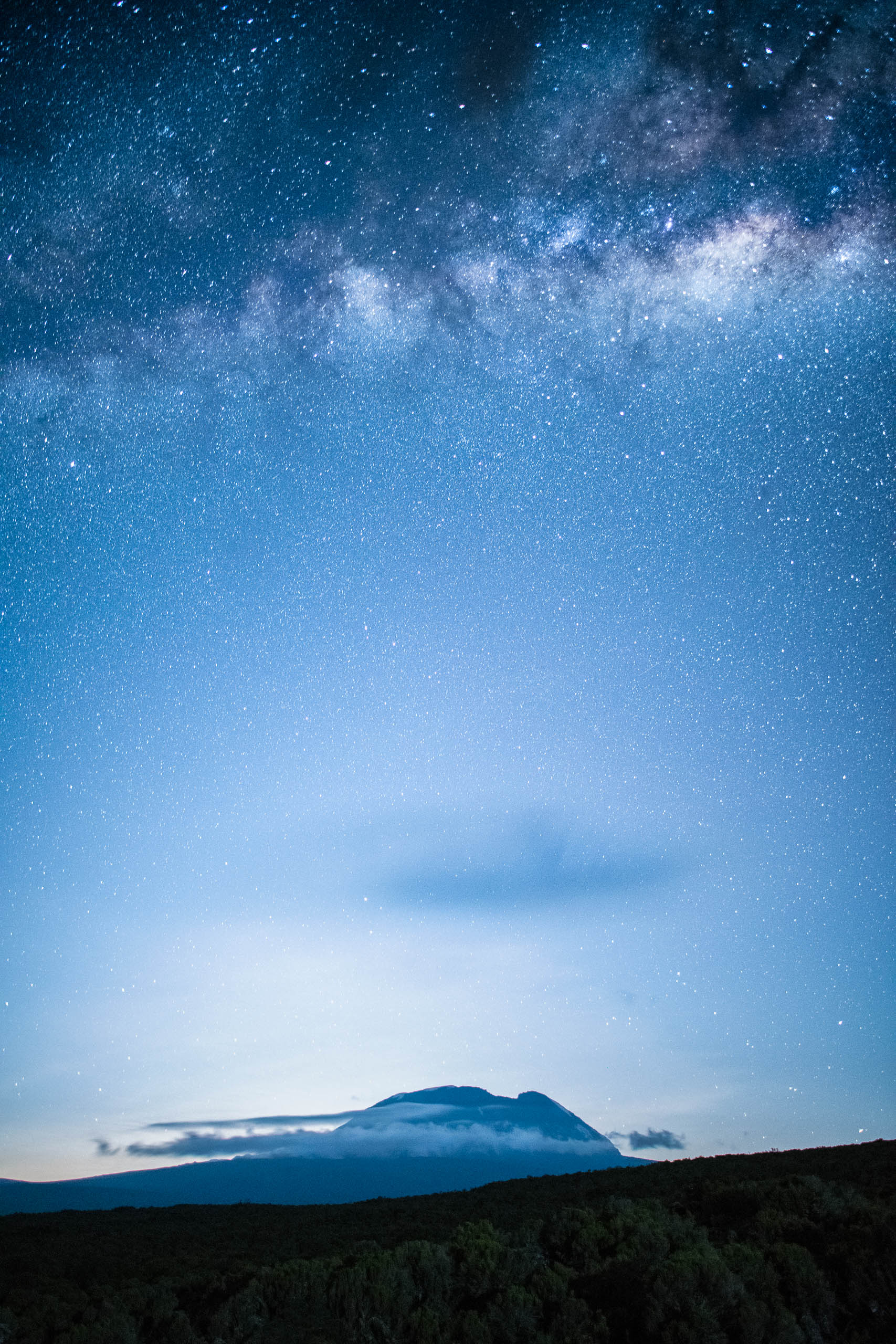
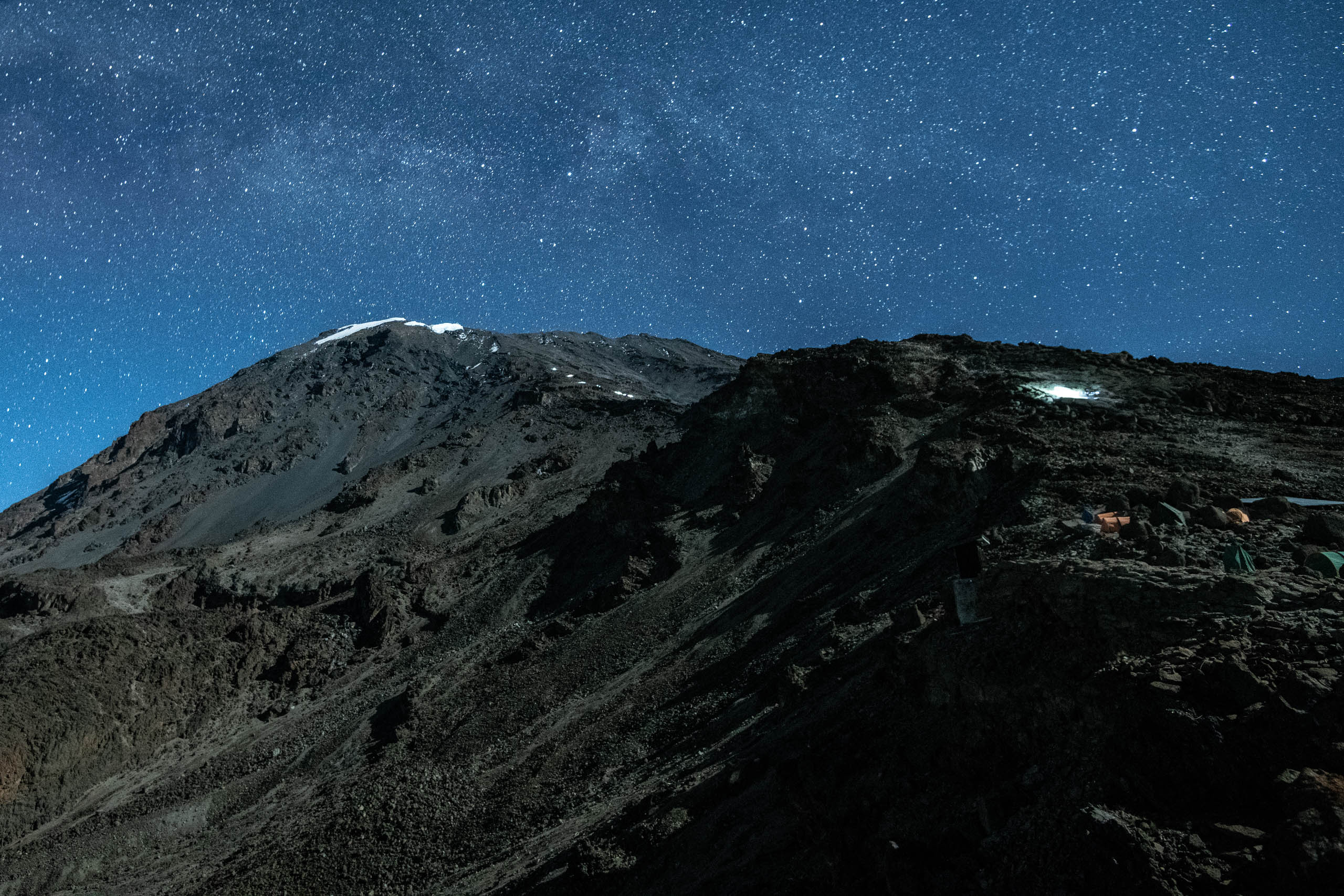
At 4,000 meters above sea level, the night sky is something else entirely. Without the light pollution that covers most of the world, the stars appear in numbers that are hard to process. The Milky Way stretches overhead, bright and clear, and you can see celestial details that are invisible from lower altitudes. I set up my camera and tripod in the freezing cold and spent hours photographing Kibo peak under the stars.
The Summit
The push to the summit begins in the middle of the night. You leave camp at midnight, headlamp on, walking in a line of lights that snakes up the mountain into the darkness. The air is cold and thin. You can see your breath. Every step takes effort. The altitude is real now, pressing down on your lungs and your mind.
You climb from 4,500 meters to 5,895 meters. The pace is slow, deliberately slow. The porters and guides tell you to go slowly, drink water, breathe. Pole pole, they say. Slowly, slowly.
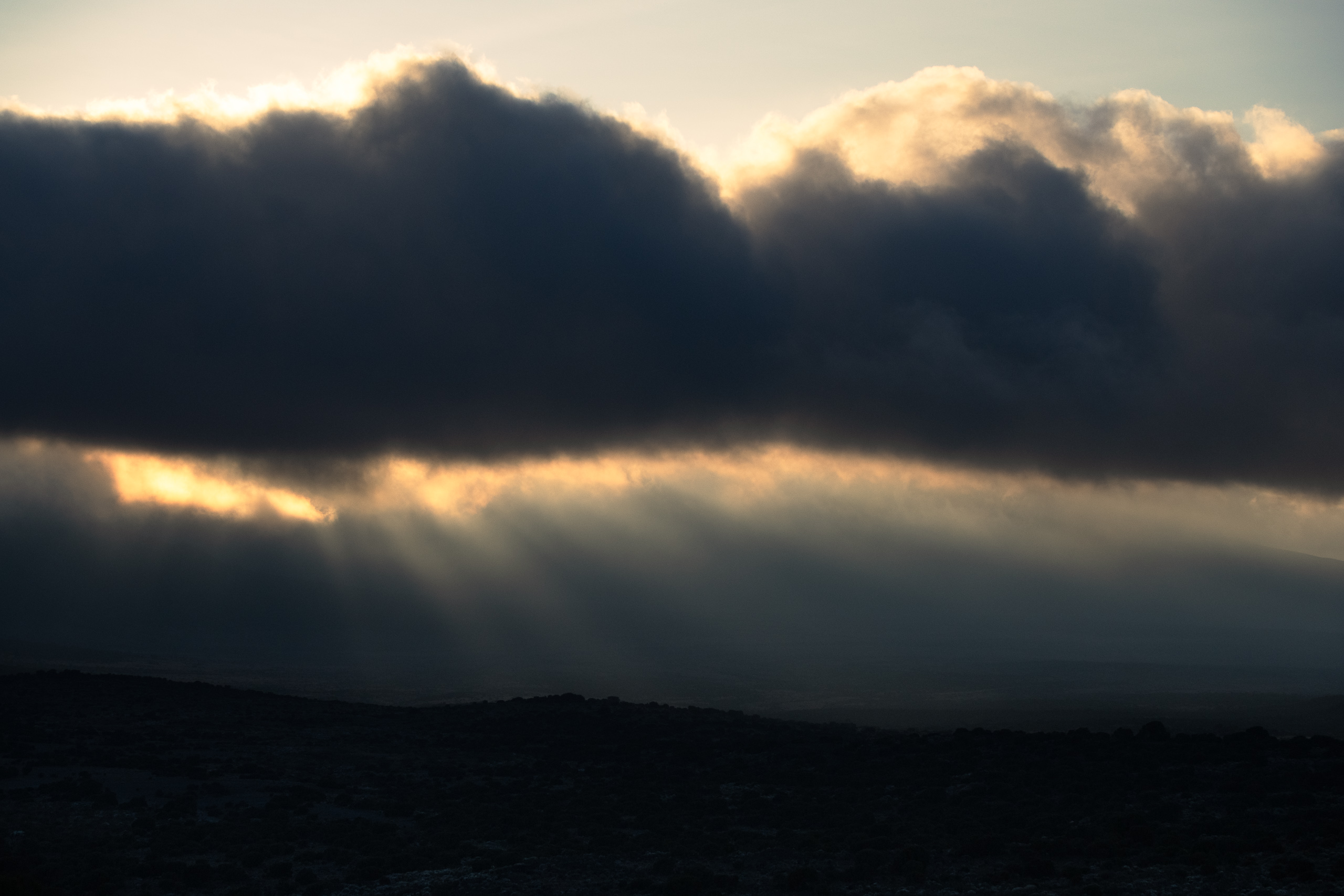
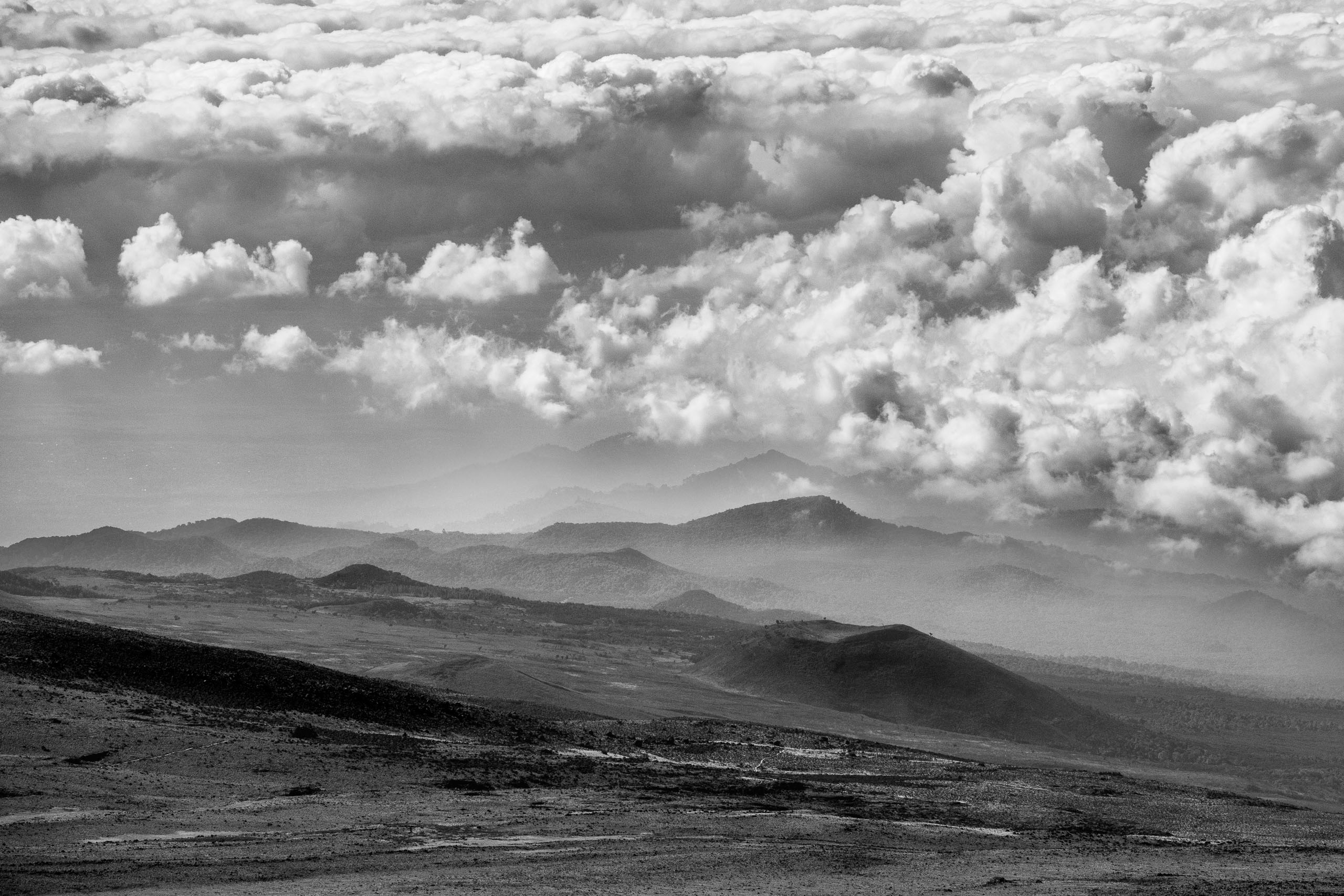
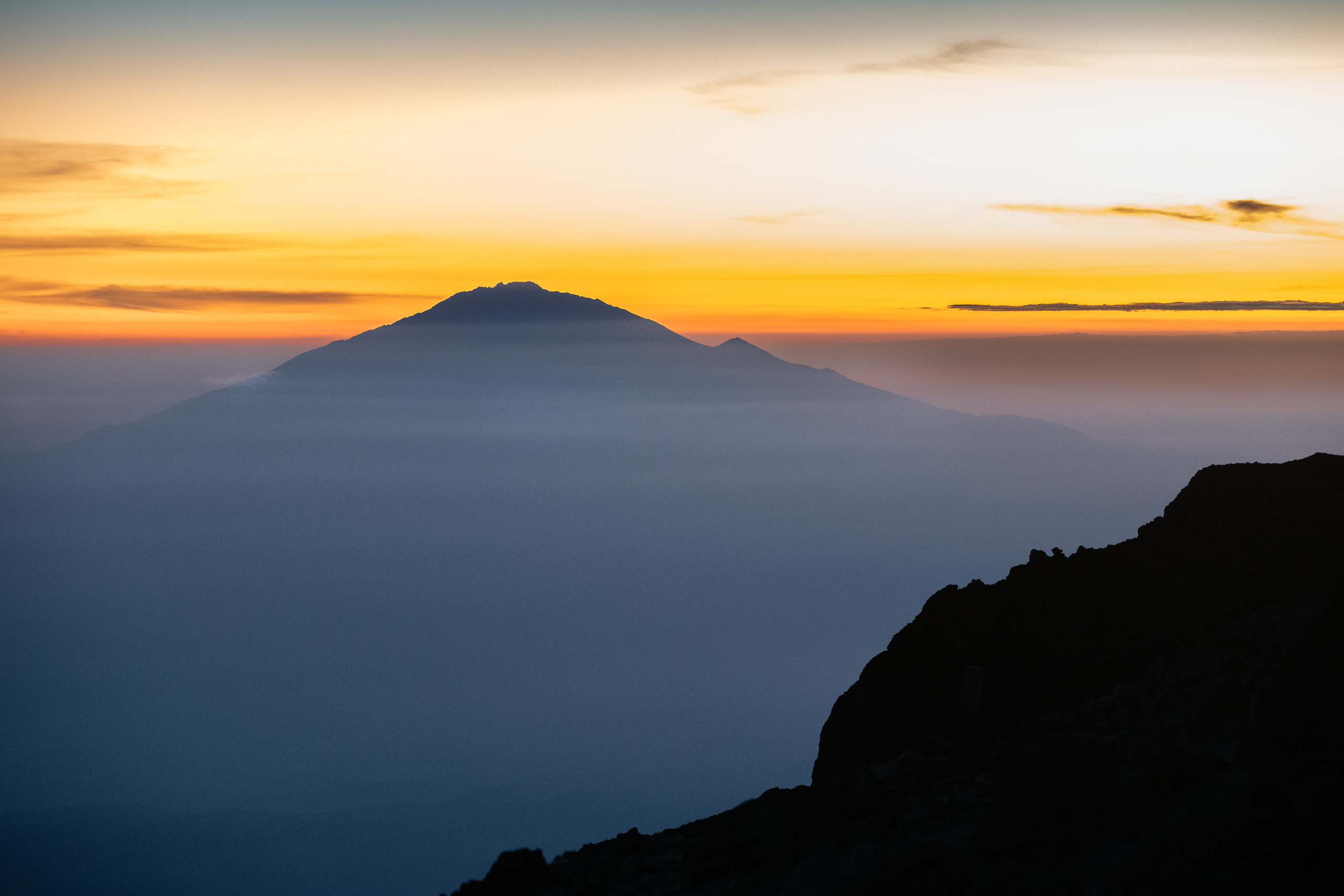
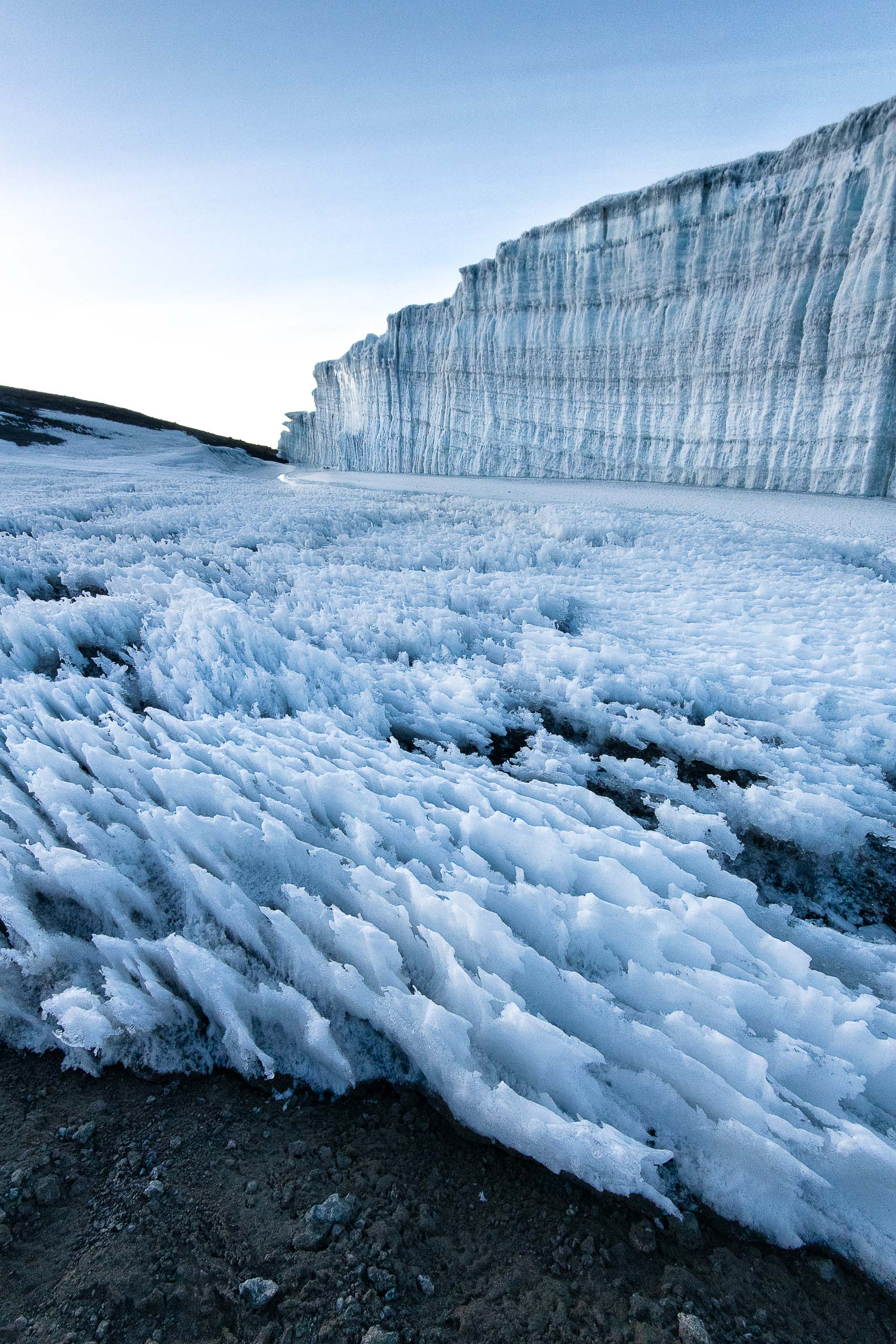
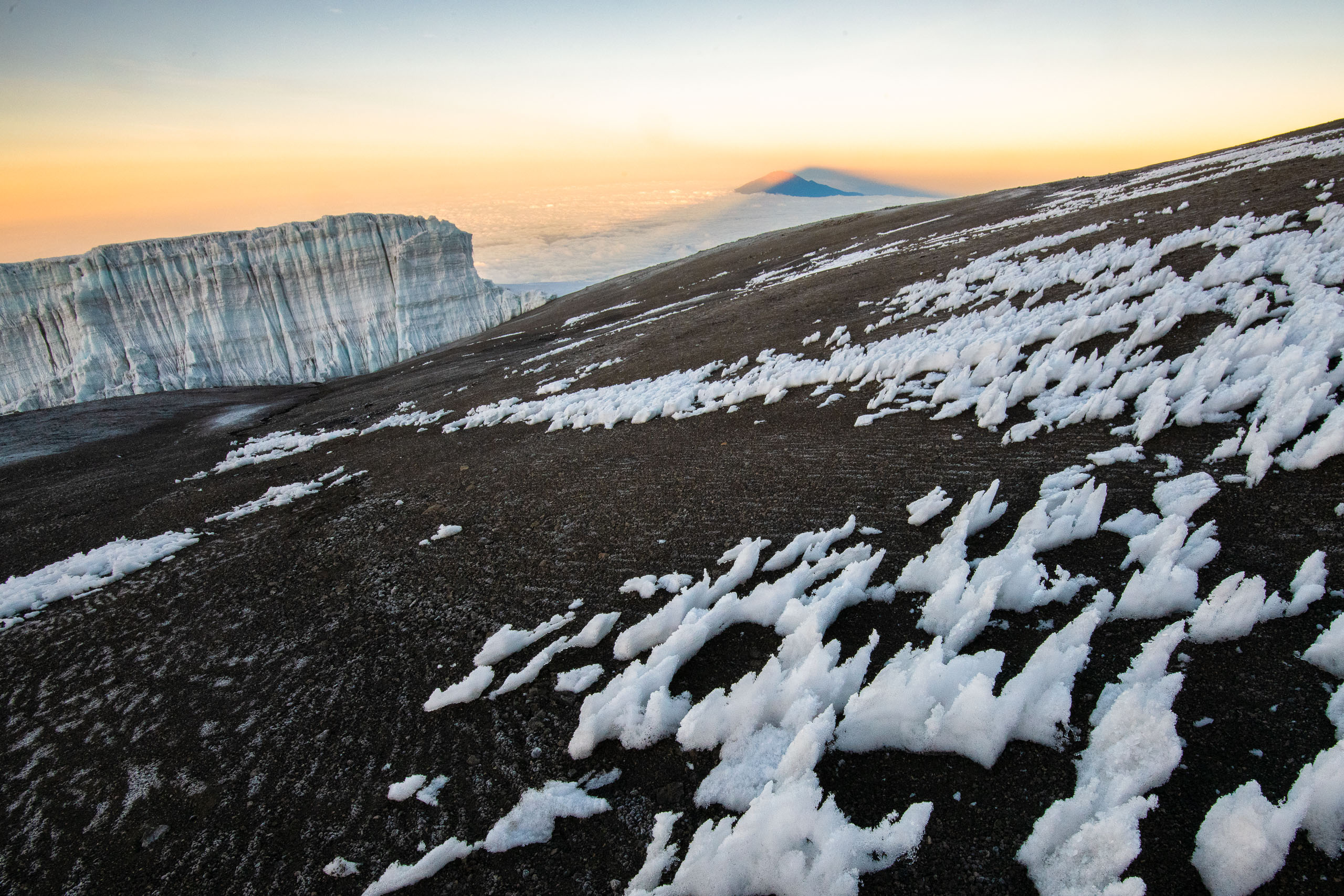
And then, just as the sky begins to lighten, you reach Stella Point on the crater rim. The sun rises over the clouds below you, and for a moment you are standing above everything. The Rebmann Glacier sits in front of you, blue and ancient, a reminder that this mountain still holds ice at the equator, though not for much longer.
What the Mountain Teaches
I went to Kilimanjaro to photograph a mountain. What I found instead was a week of silence, physical effort, and unexpected clarity. Up there, away from screens and schedules and the noise of daily life, things fall into perspective. You realize how little you actually need. Water, warmth, food, and the company of people walking the same trail.
The mountain does not care who you are or where you come from. It treats everyone the same. The altitude hits you regardless of your fitness level or your experience. What matters is your willingness to keep going, one step at a time, even when your body tells you to stop.
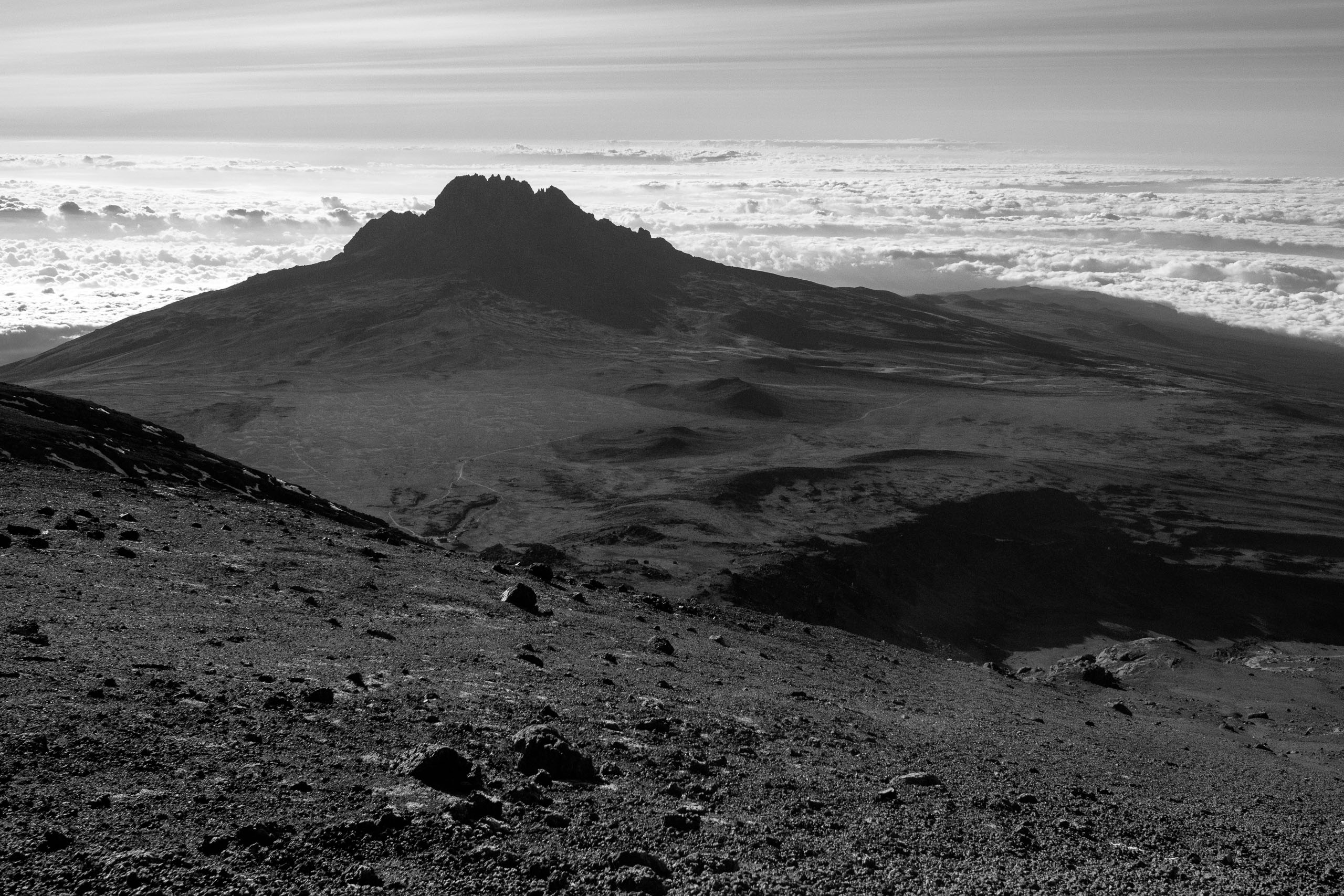
If you are considering summiting Kilimanjaro, do it. And if you can, do it with a local company, to help support the tourism industry in Tanzania. The people who make this mountain possible deserve every bit of support. And if you are a photographer, you will not be disappointed. Five climate zones in seven days. It feels like having five trips in one.
Happy hiking.
Gear
The photography gear used in this story.
Cameras
- Nikon D850
Lenses
- Nikon AF-S FX NIKKOR 20mm f/1.8
- Tamron SP 70-200mm f/2.8
- Nikon AF-S FX NIKKOR 16-35mm f/4G
Accessories
- Peak Design Travel Tripod
- F-stop 50L Mountain Series Tilopa Backpack
Related Topics