Colombia is a country of colors, aromas, flavors, friendly people, and above all, lots of wildlife. It is truly unique in one respect: it is very, very rich in life forms. In fact, it is considered among the world’s four richest countries in biological diversity. There are probably more animal and plant species here than in any other country on the planet regardless of size.
Colombia’s avifauna is particularly rich: 1876 species of birds and counting. Since the year 2000, five new species have been discovered by science and more are expected. More than any other country.
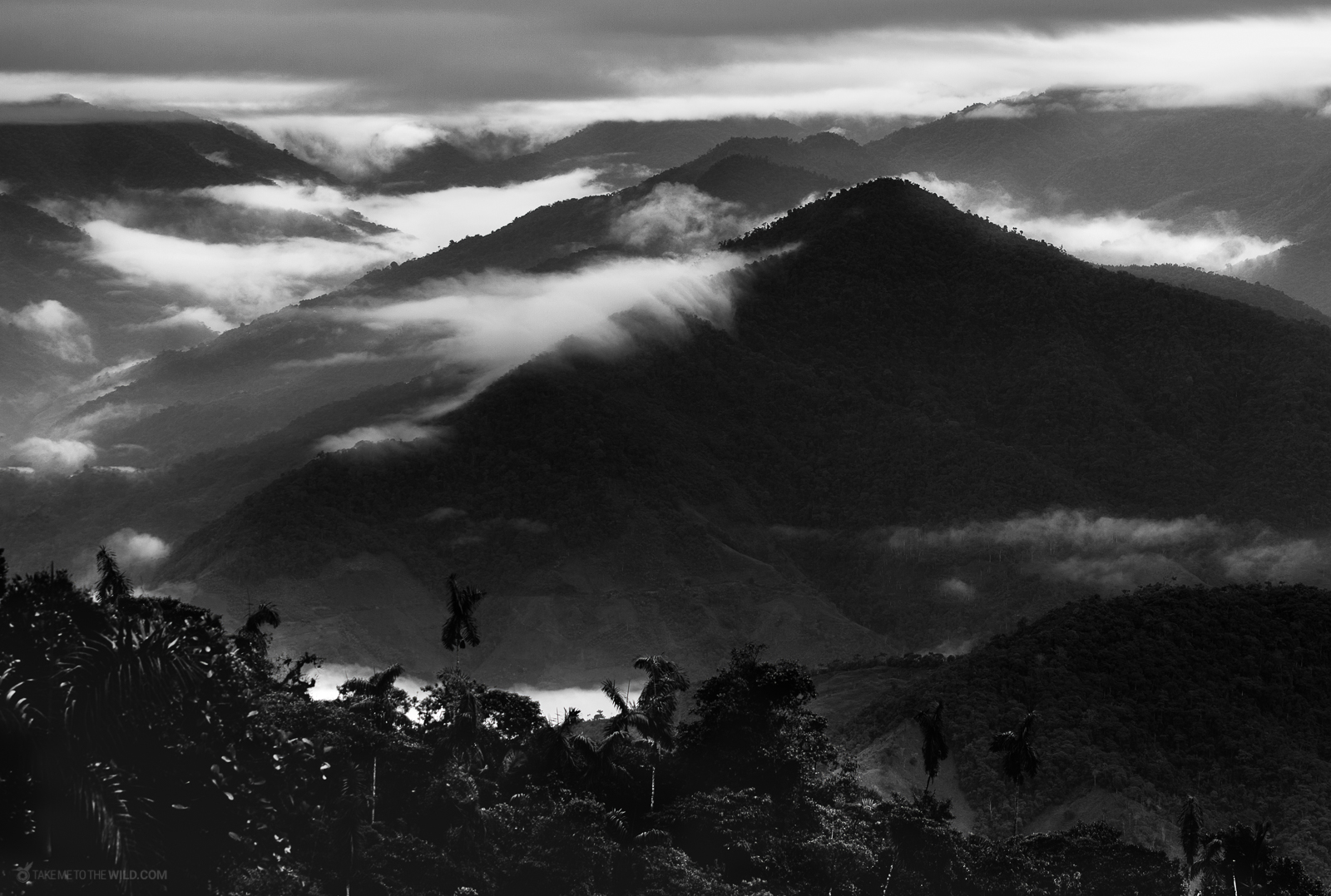
The staggering biodiversity is not difficult to understand if you consider the geography: tropical rainforests, Andean mountains, tropical glaciers, vast plains, coasts on two oceans with mangroves, coral reef islands and atolls, deserts and a myriad of rivers and streams. All happening under the tropical sun.
I have found that there are truly endless possibilities for adventures and photography exploration in Colombia. Every corner of this country has something to offer, and you can spend years here and still feel like you have barely scratched the surface.
We traveled the country between the cities of Pereira, Manizales, Cali, and Medellin. This brought us through páramo, cloud forests, rainforests and everything in between, with endless photography opportunities along the way.
We had a couple of target species in mind, mostly hummingbirds and endemic birds, but we got so much more from the trip. Every place we visited, we found something unique, and we always left with the feeling that we needed to spend more time to experience it all.
The Cloud Forest
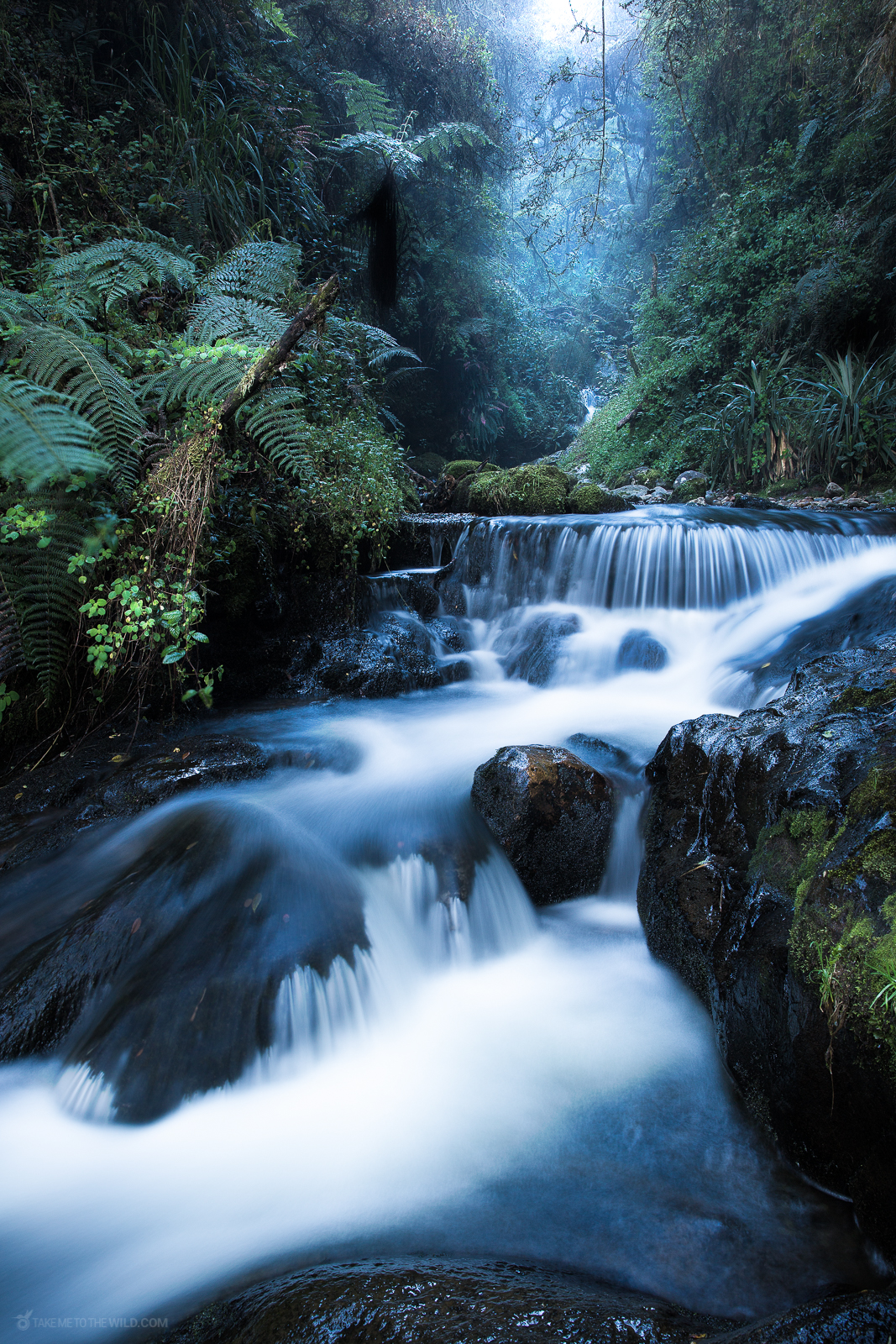
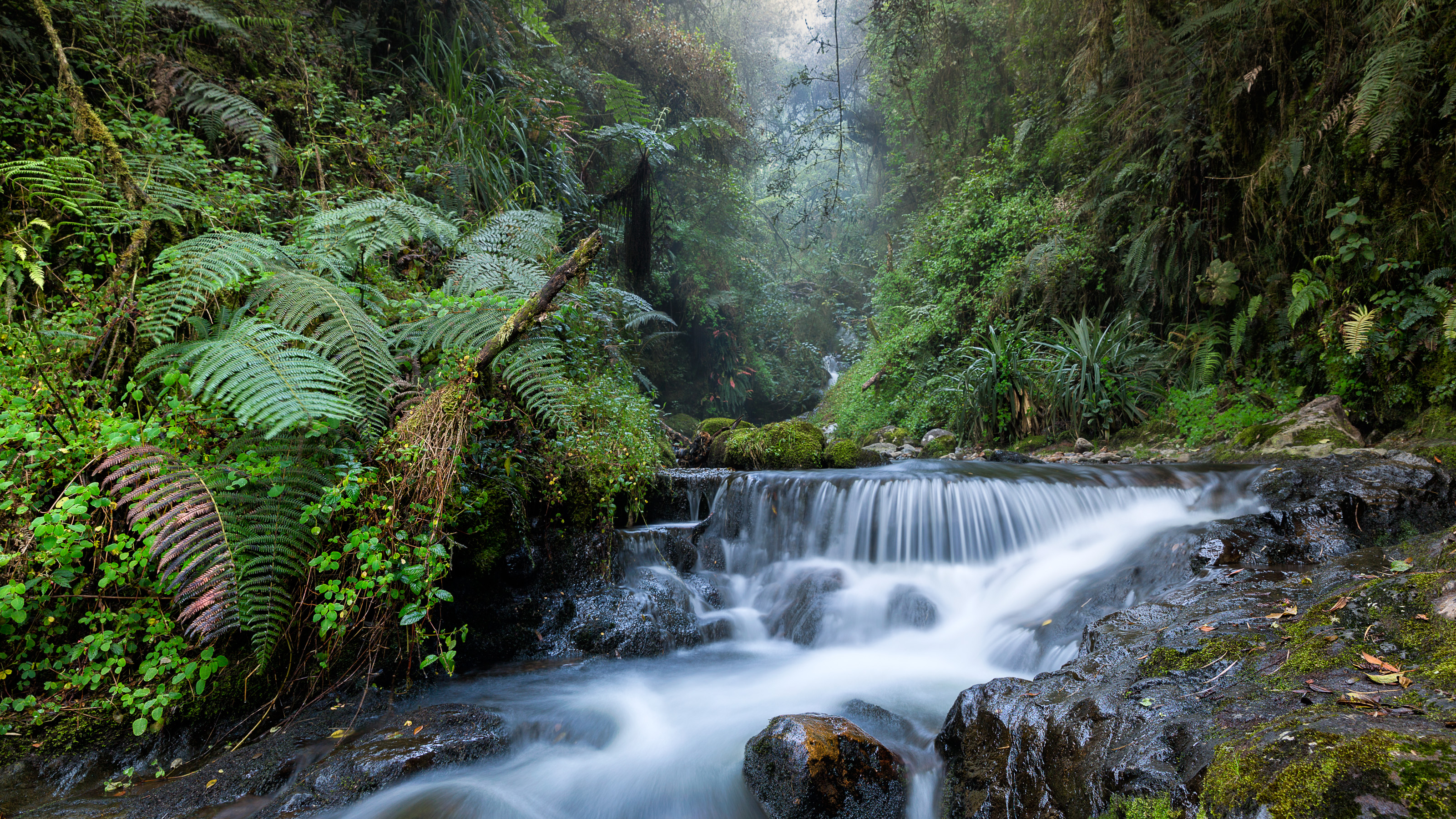
The first thing that hits you when you step into a Colombian cloud forest is the air. It is cool, thin, and smells like wet earth and moss. Everything is green and dripping. Bromeliads hang from every branch, orchids hide in the crevices of old trees, and the sound of water is constant, somewhere close but hard to pin down.
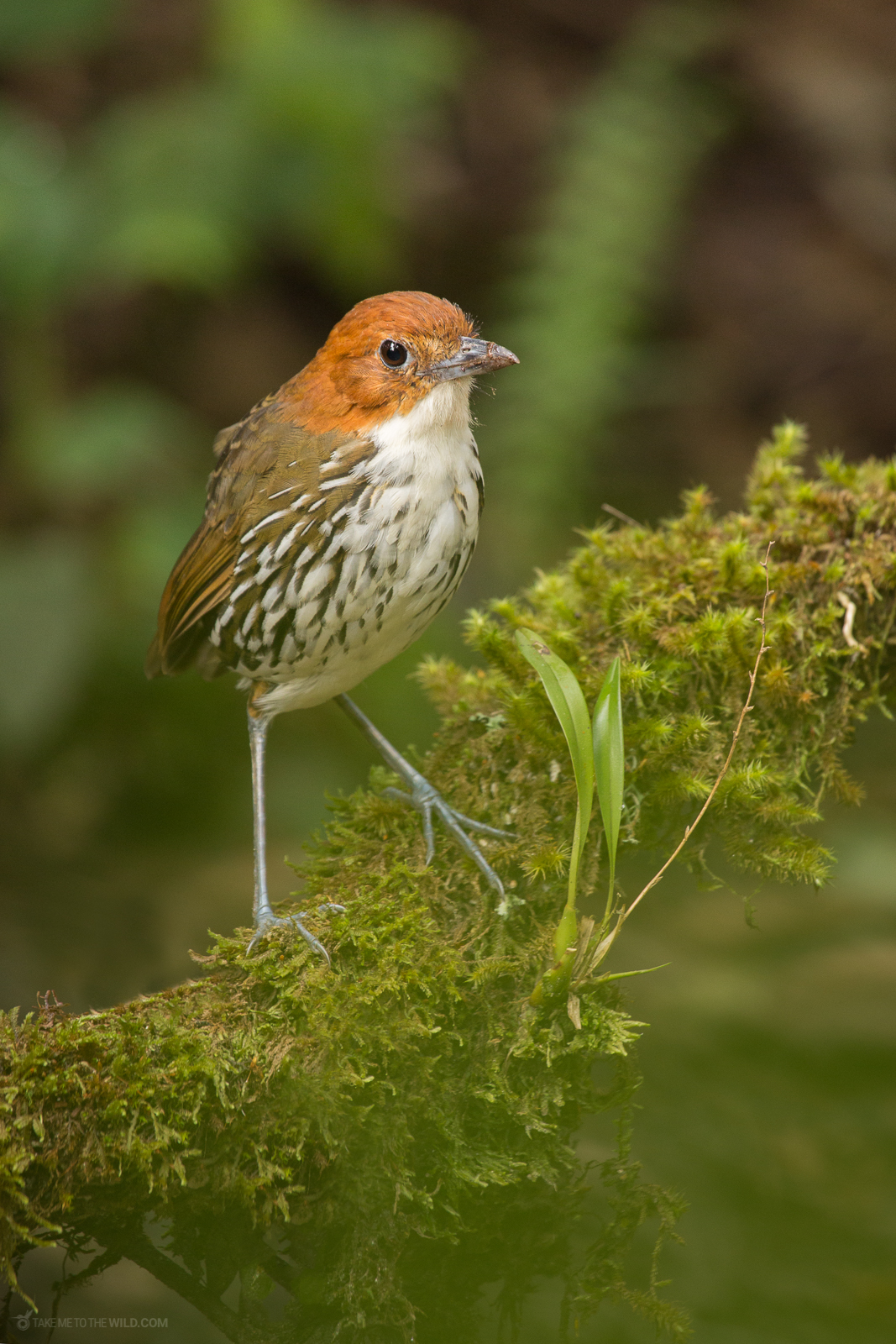
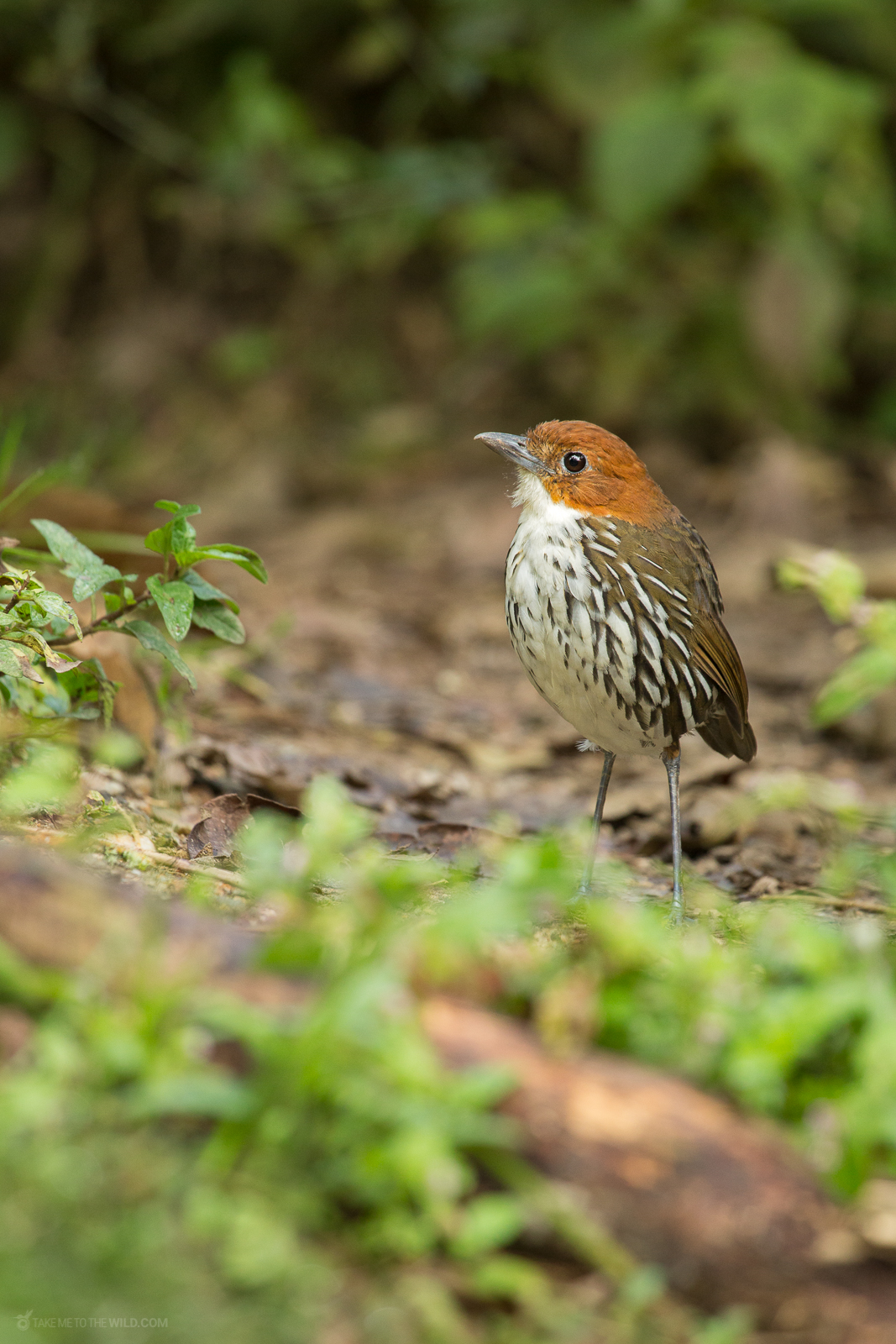
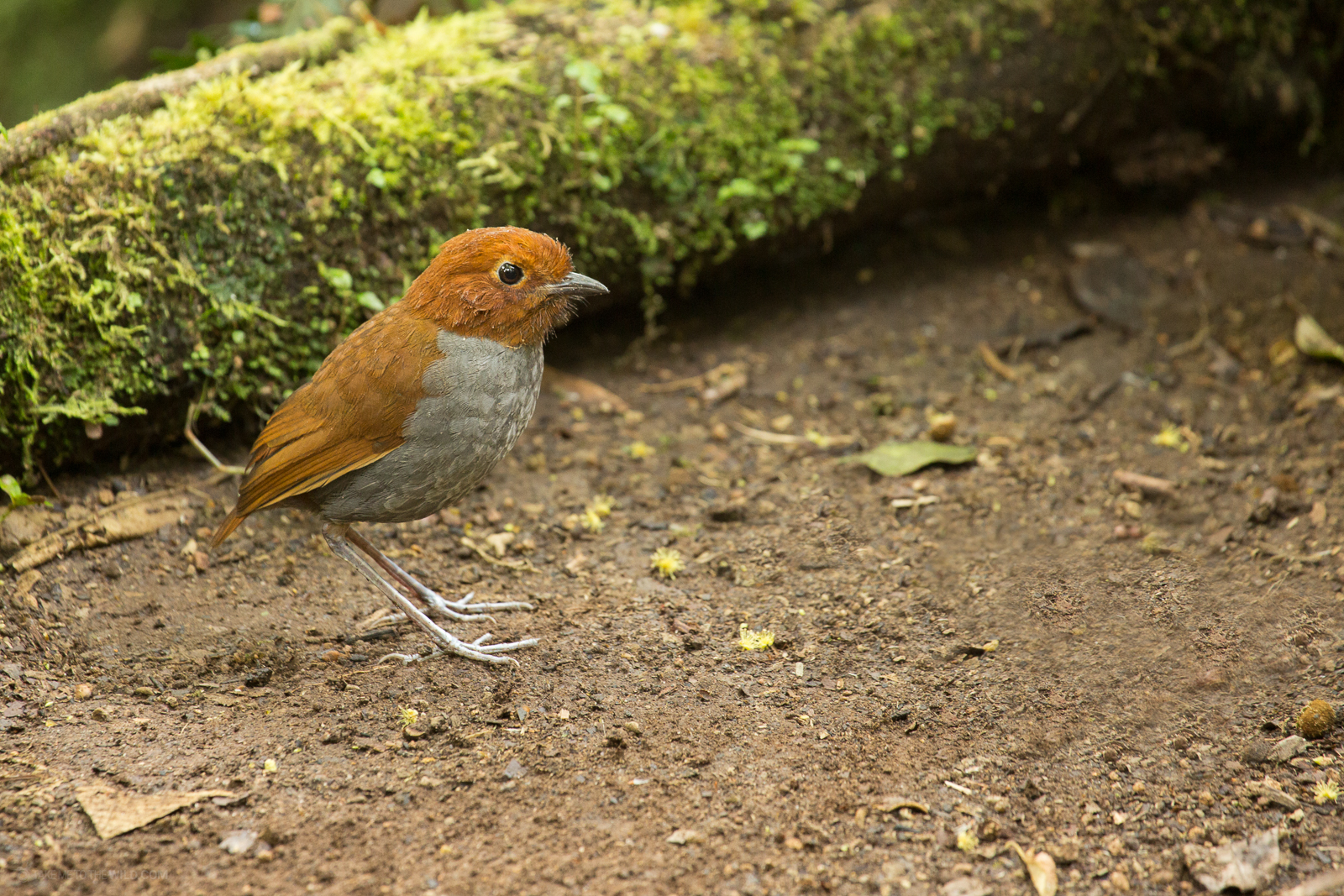
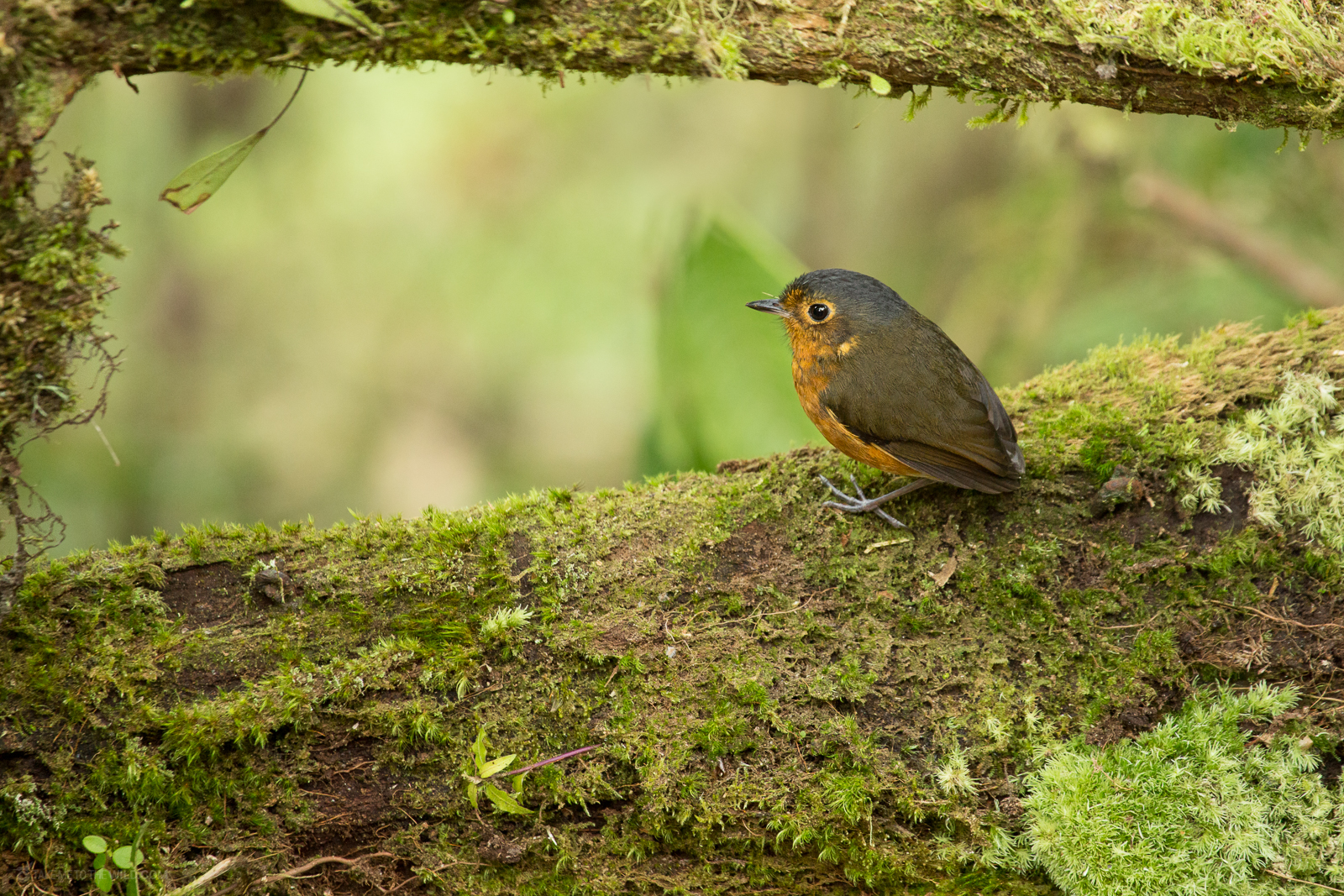
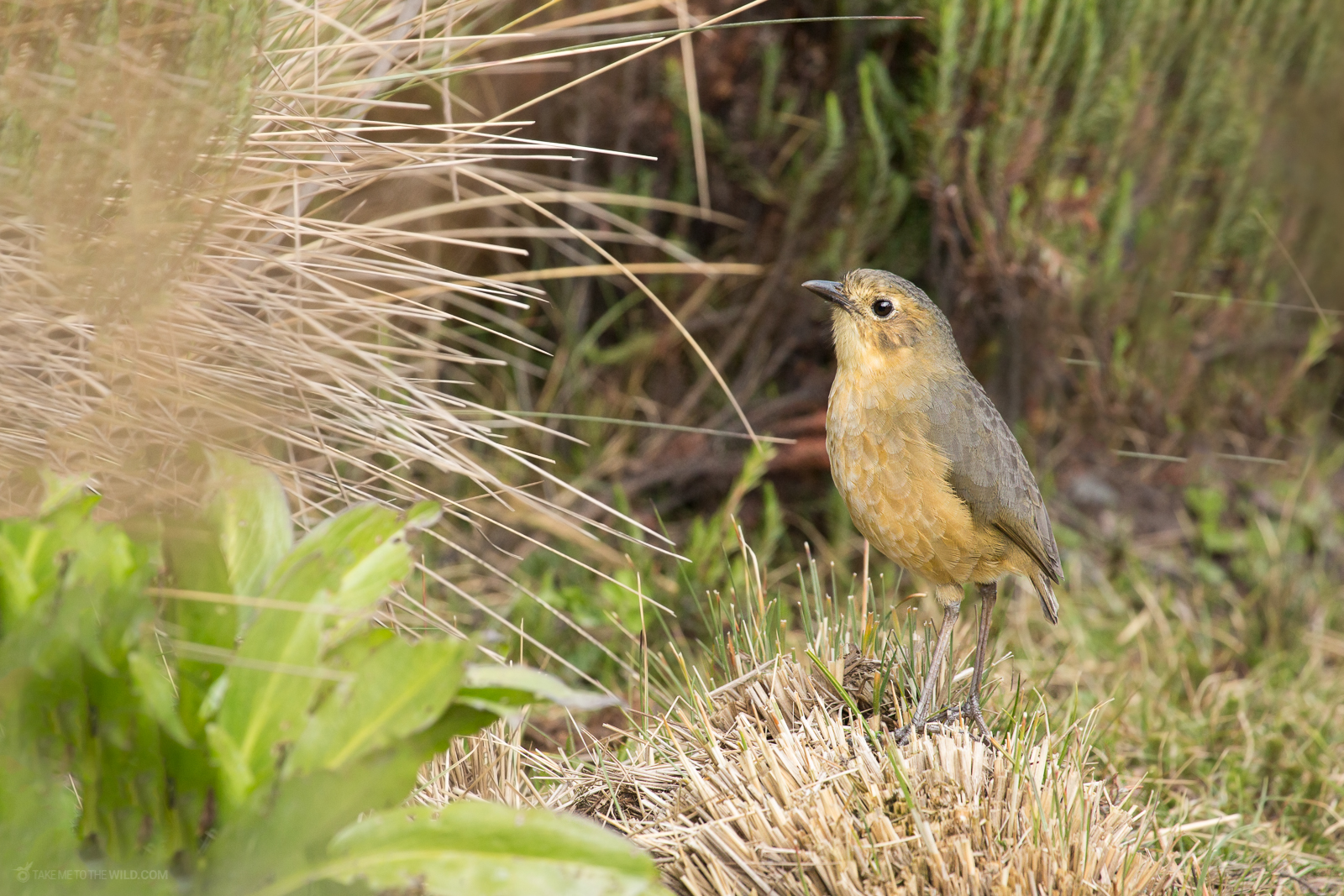
This is the world of the antpittas. Secretive, ground-dwelling birds that are far easier to hear than to see. Their calls echo through the forest in the early morning, and you can spend hours tracking one down. When you finally spot one hopping across the forest floor, it feels like a small victory.
The Highlands
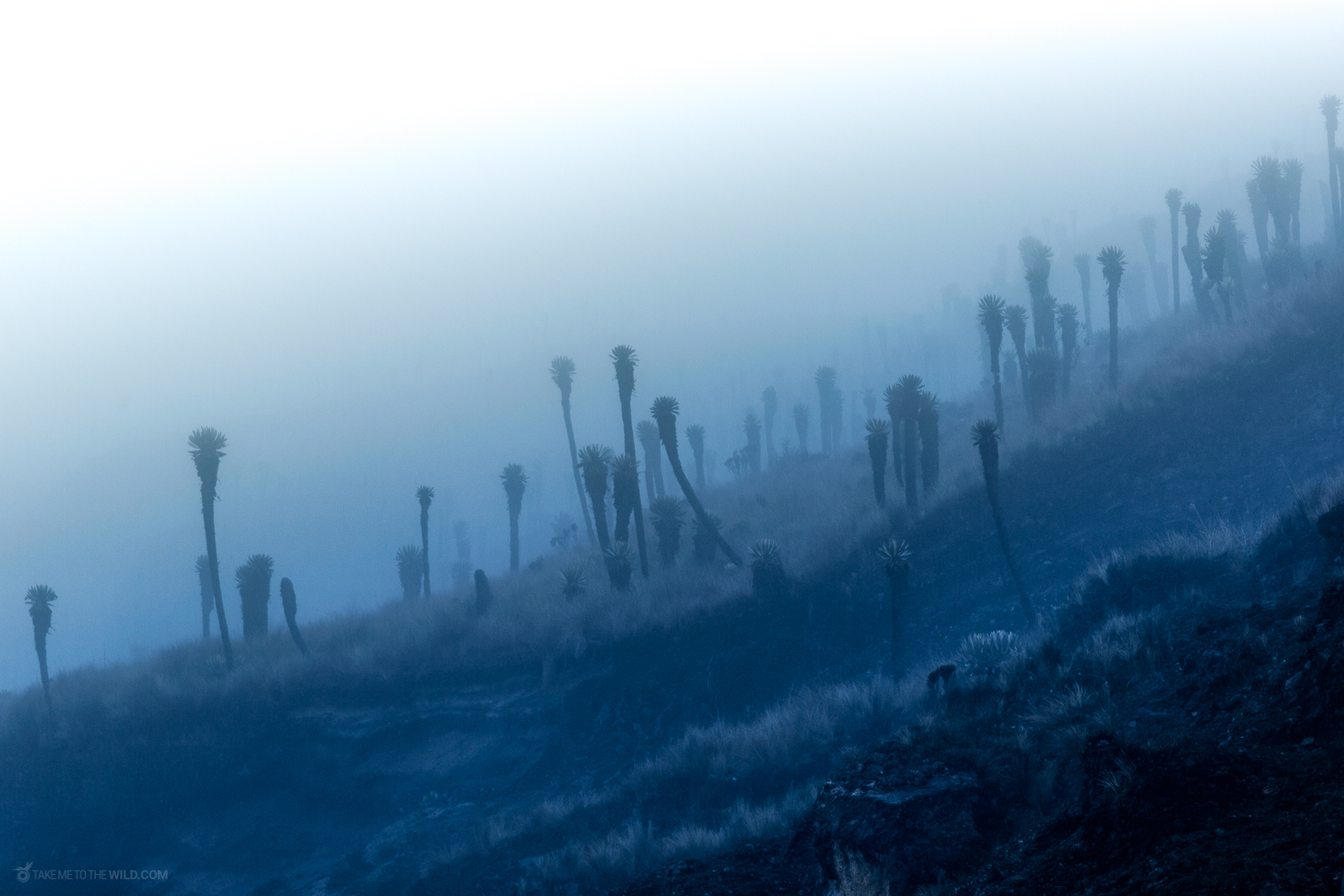
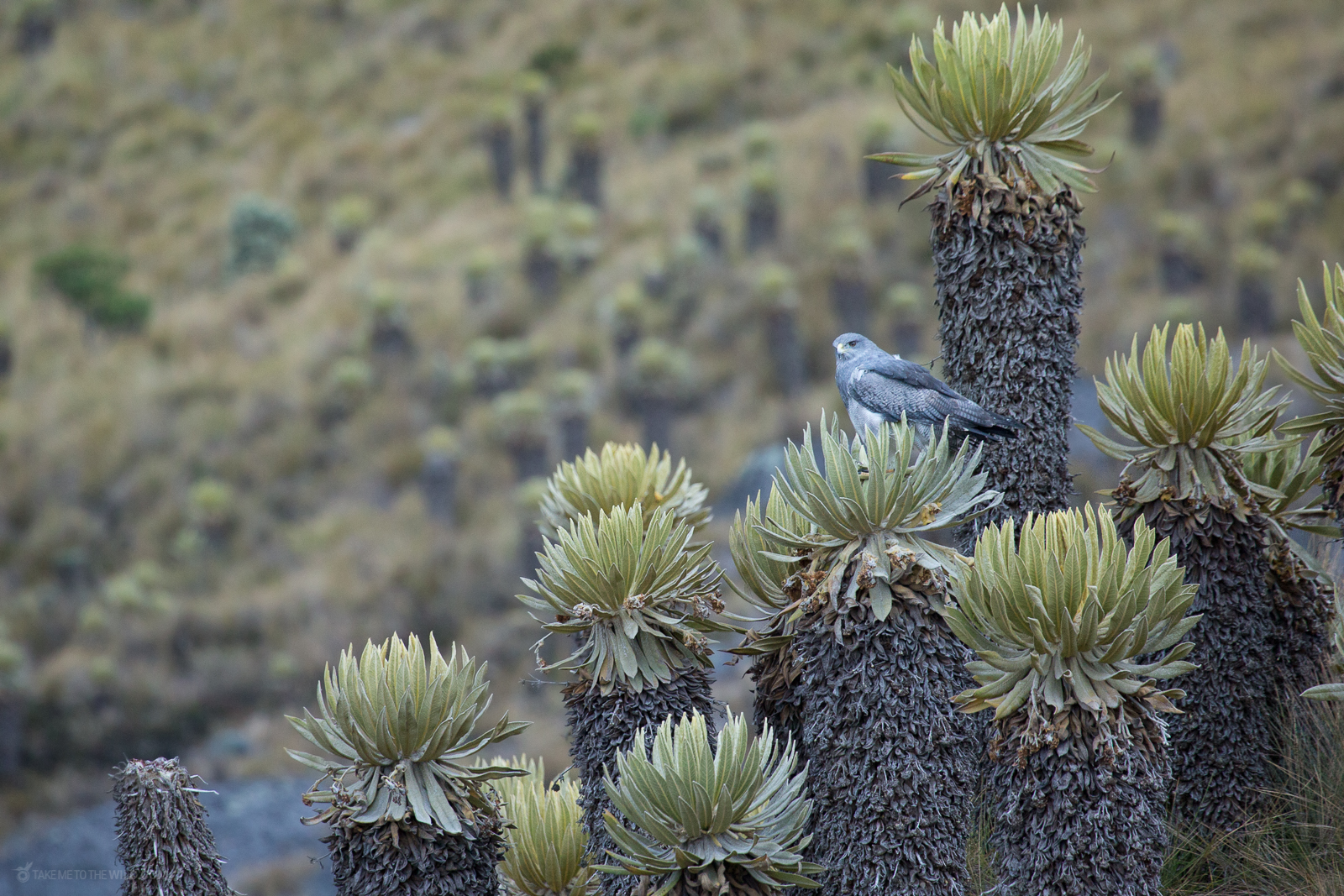
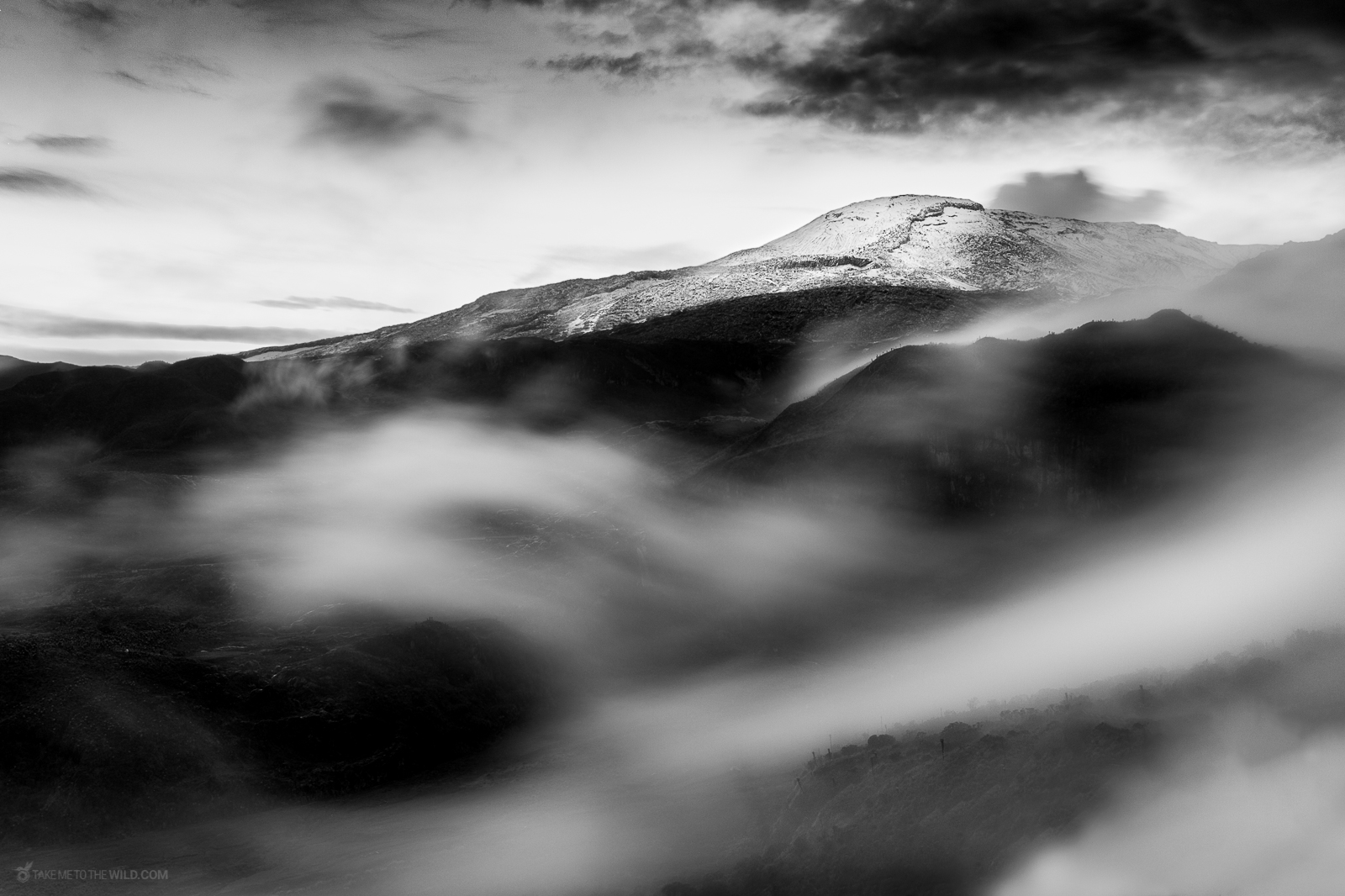
Higher up, above the tree line, the landscape changes completely. The páramo is open, windswept, and strange. The frailejones stand in clusters, their woolly leaves collecting moisture from the clouds that roll through constantly. It feels like another planet.
Up here we found one of the trip’s surprises: a Black-chested Buzzard-Eagle perched on top of a frailejón, surveying the landscape below. It sat there for several minutes, completely unbothered by our presence, and we photographed it until our fingers went numb from the cold.
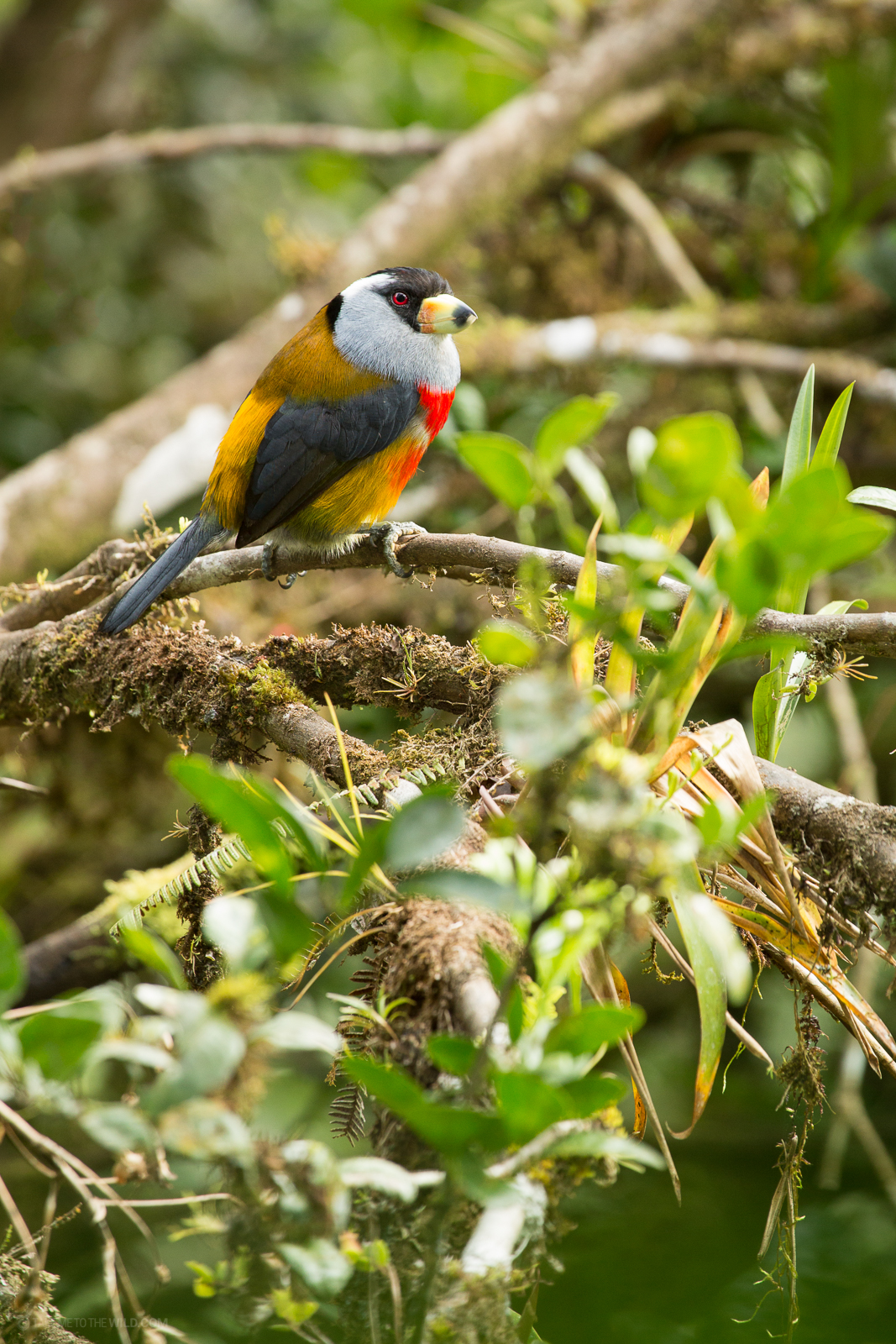
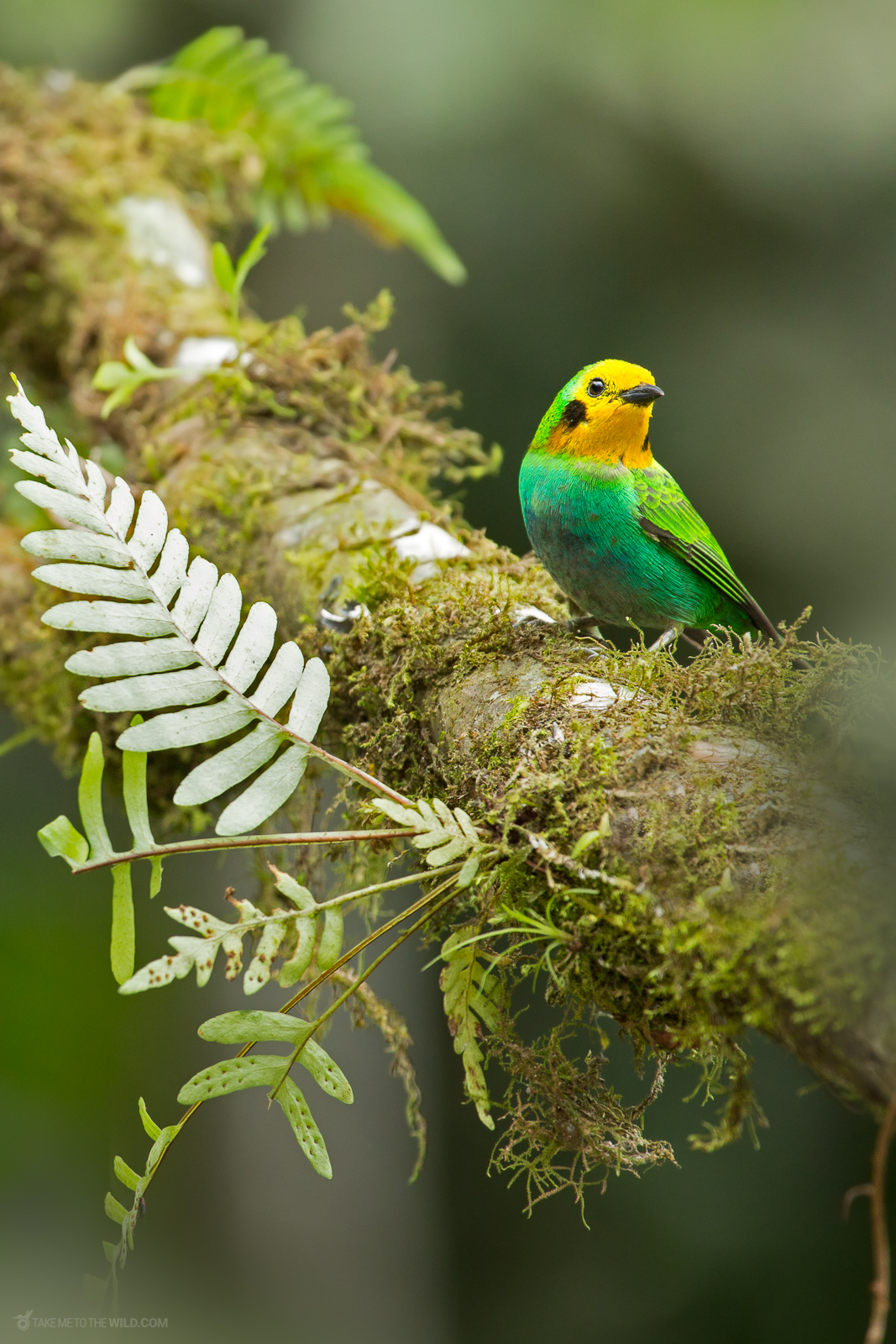
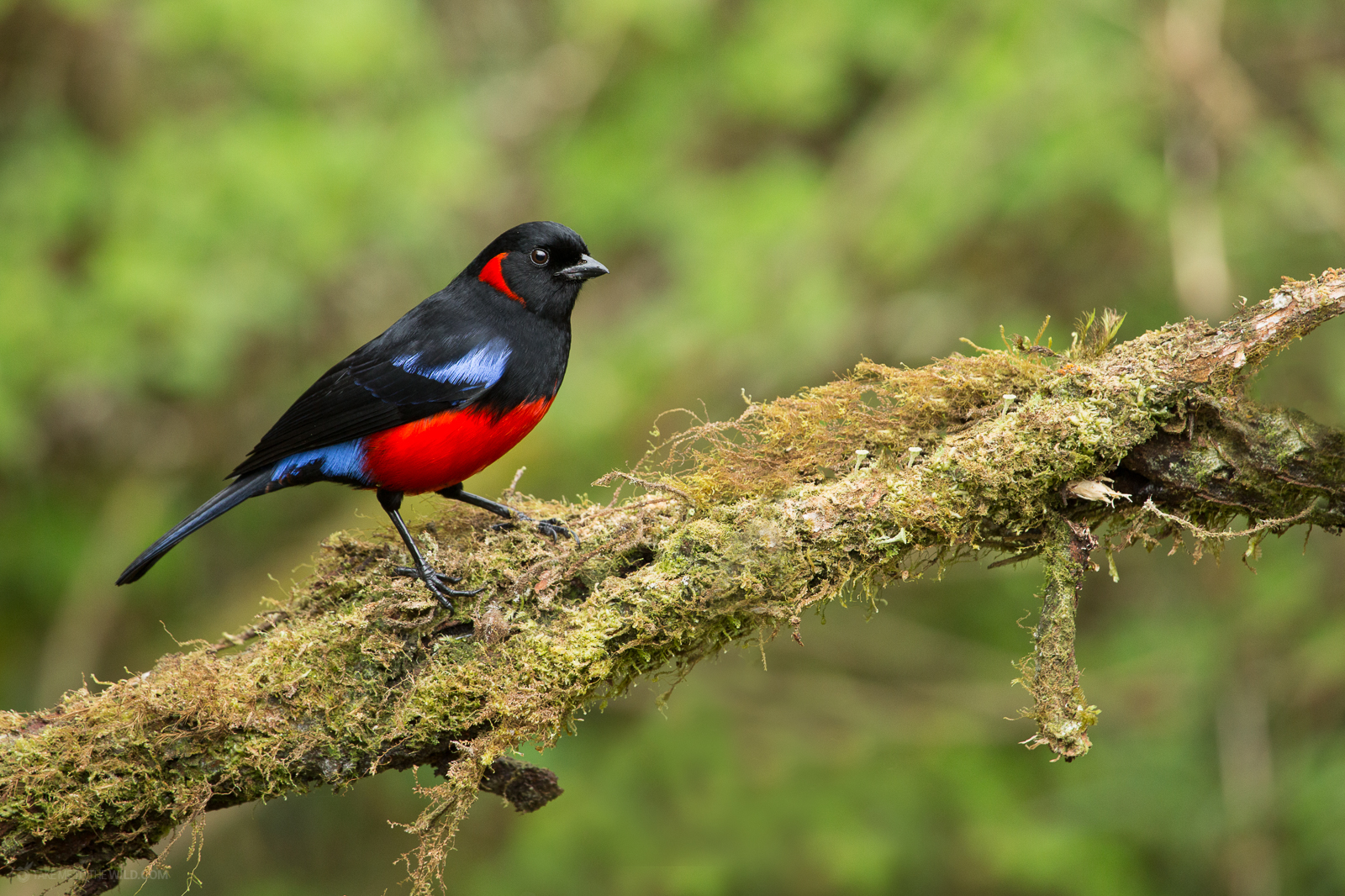
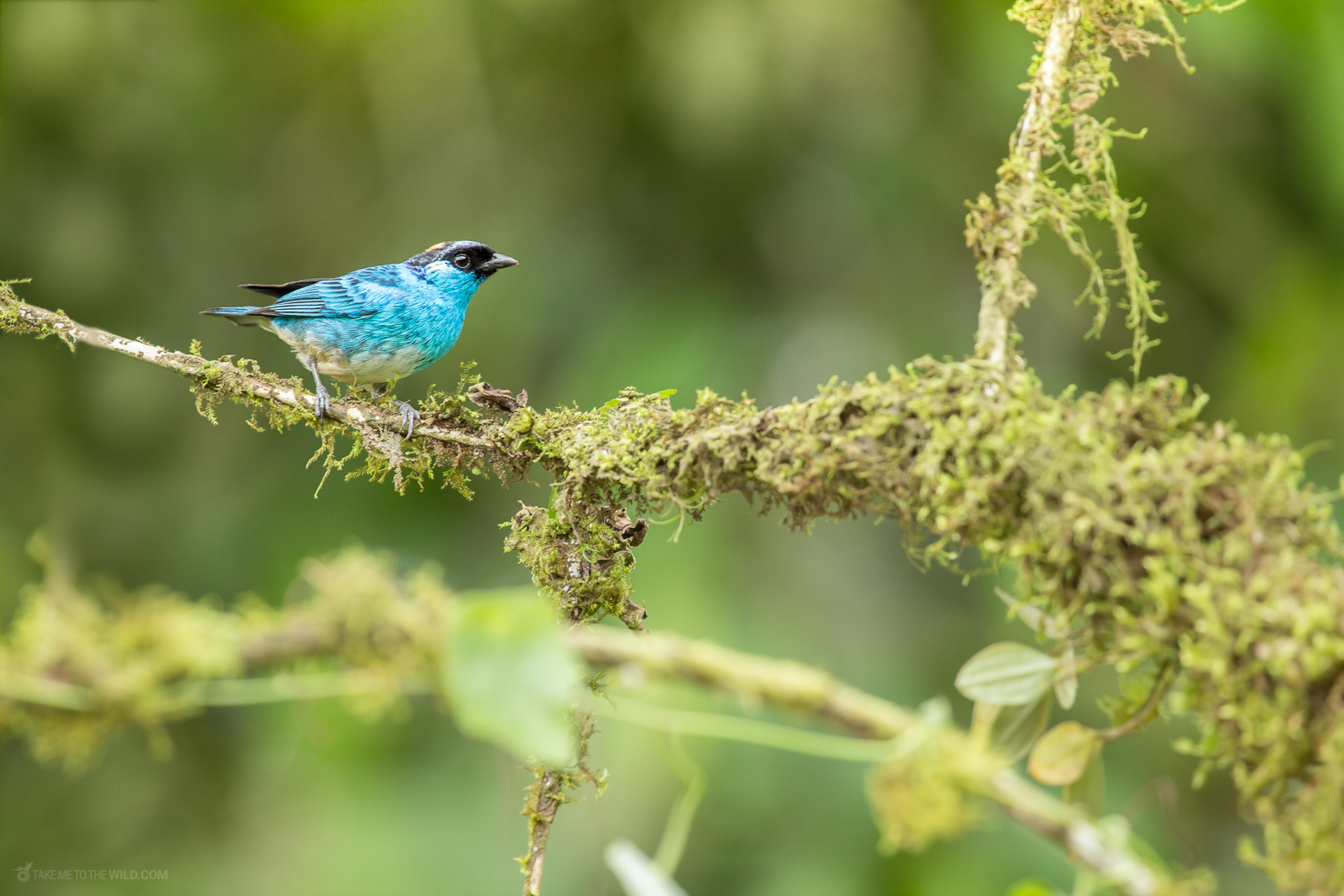
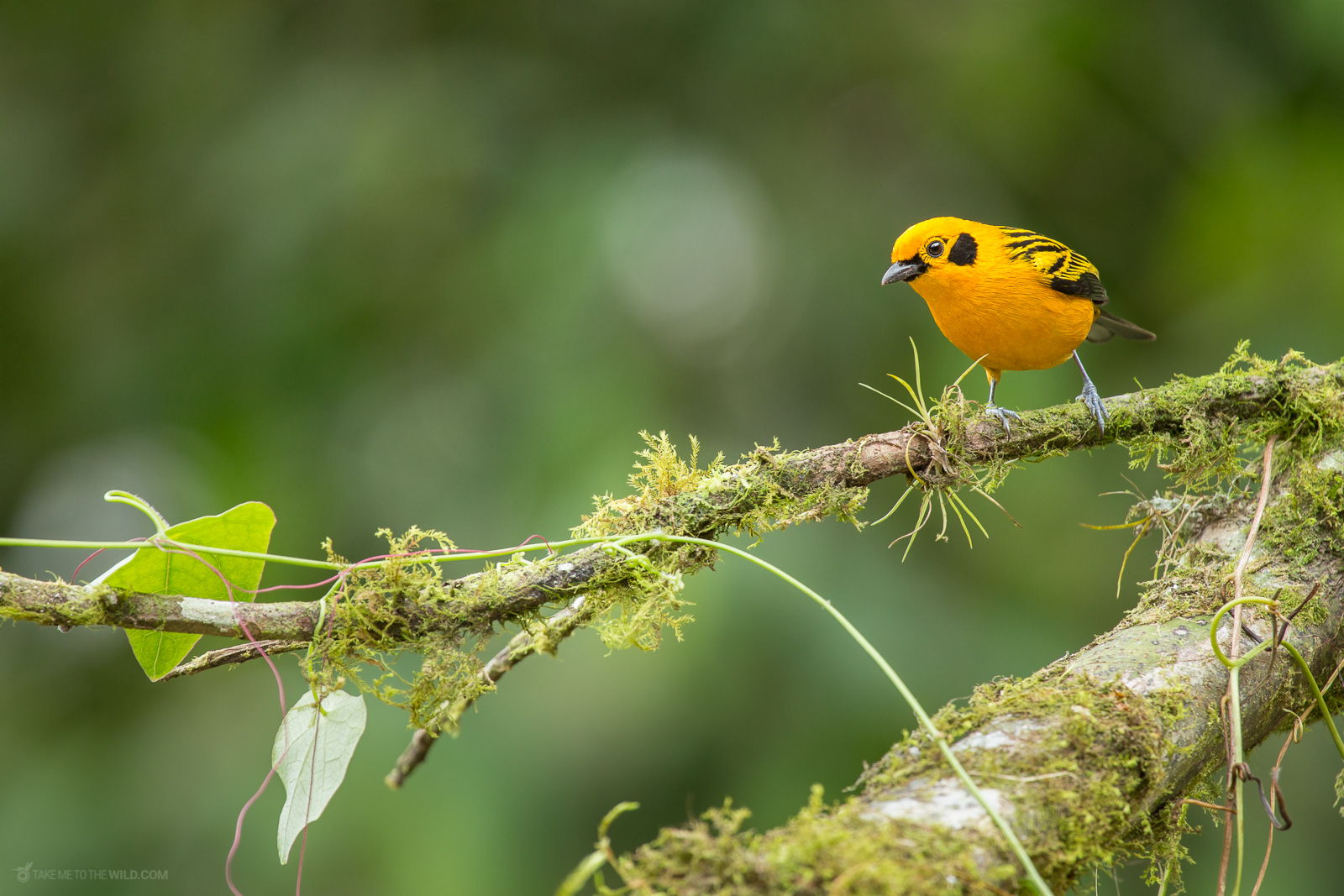
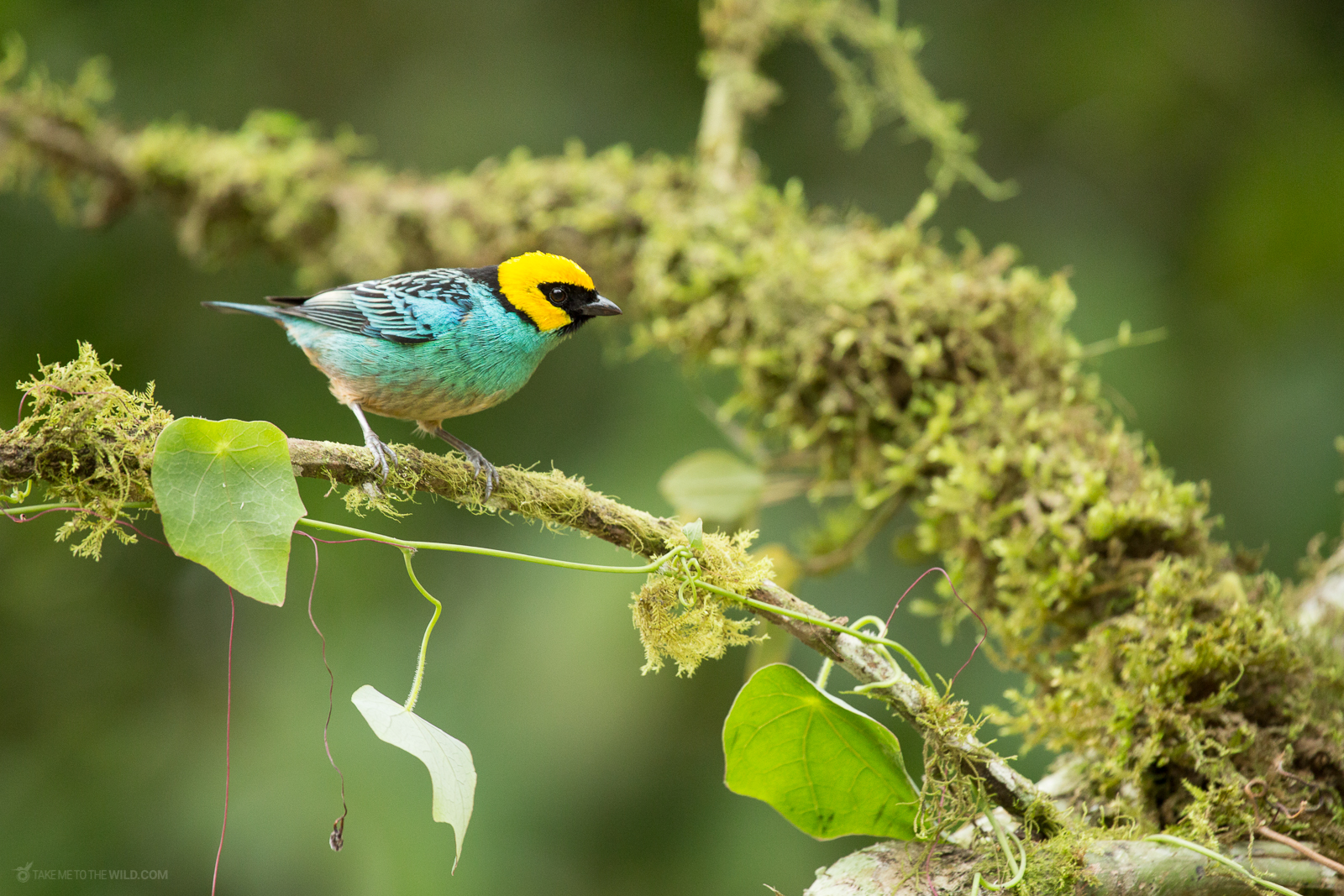
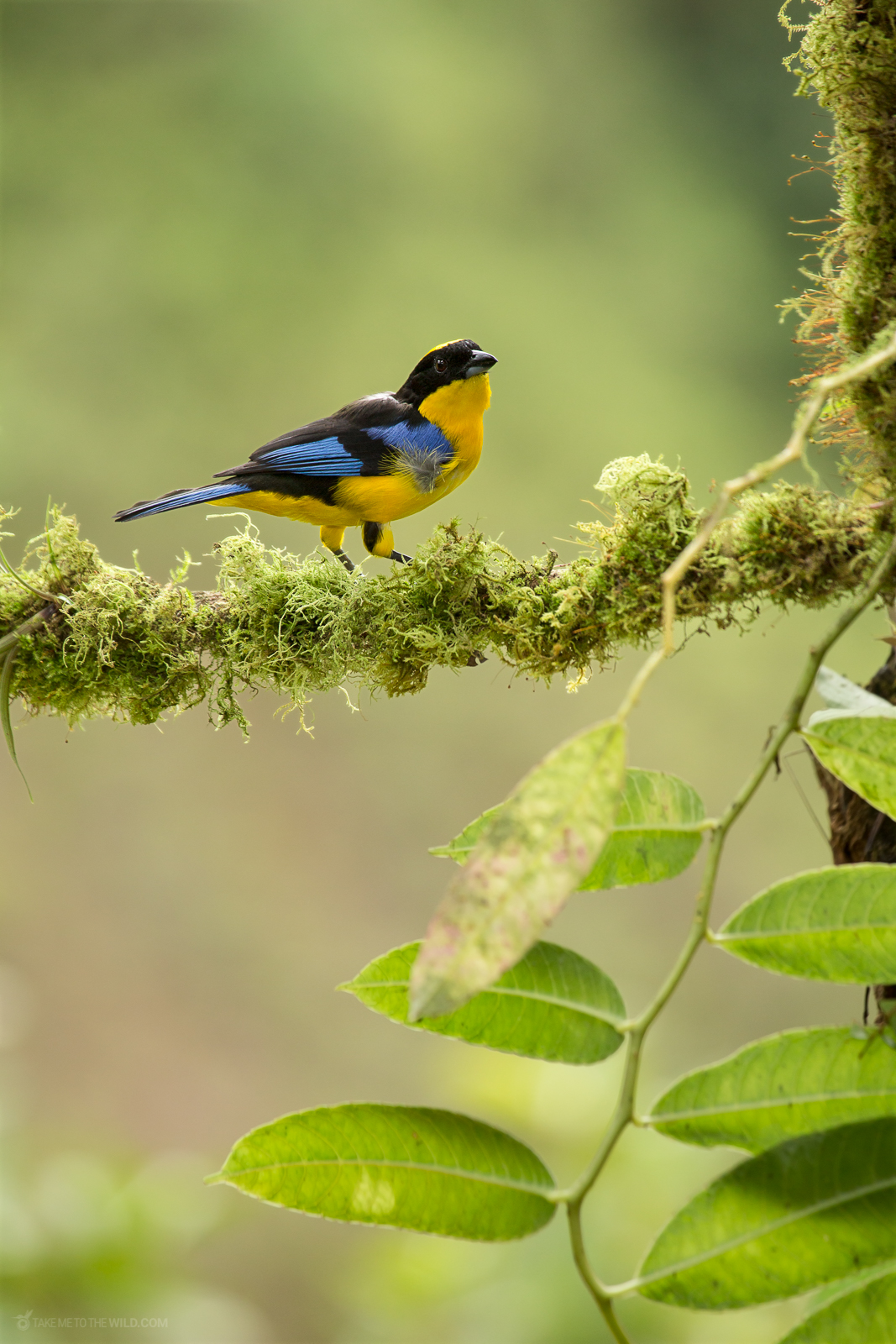
Back down in the mid-elevation forests, the tanagers were everywhere. Colombia has over 150 species of tanagers, and on a good morning you can see a dozen different species from a single spot. The Multicolored Tanager is endemic to Colombia and one of the most beautiful birds I have ever seen. Small, quiet, and impossibly colorful.
The Rivers
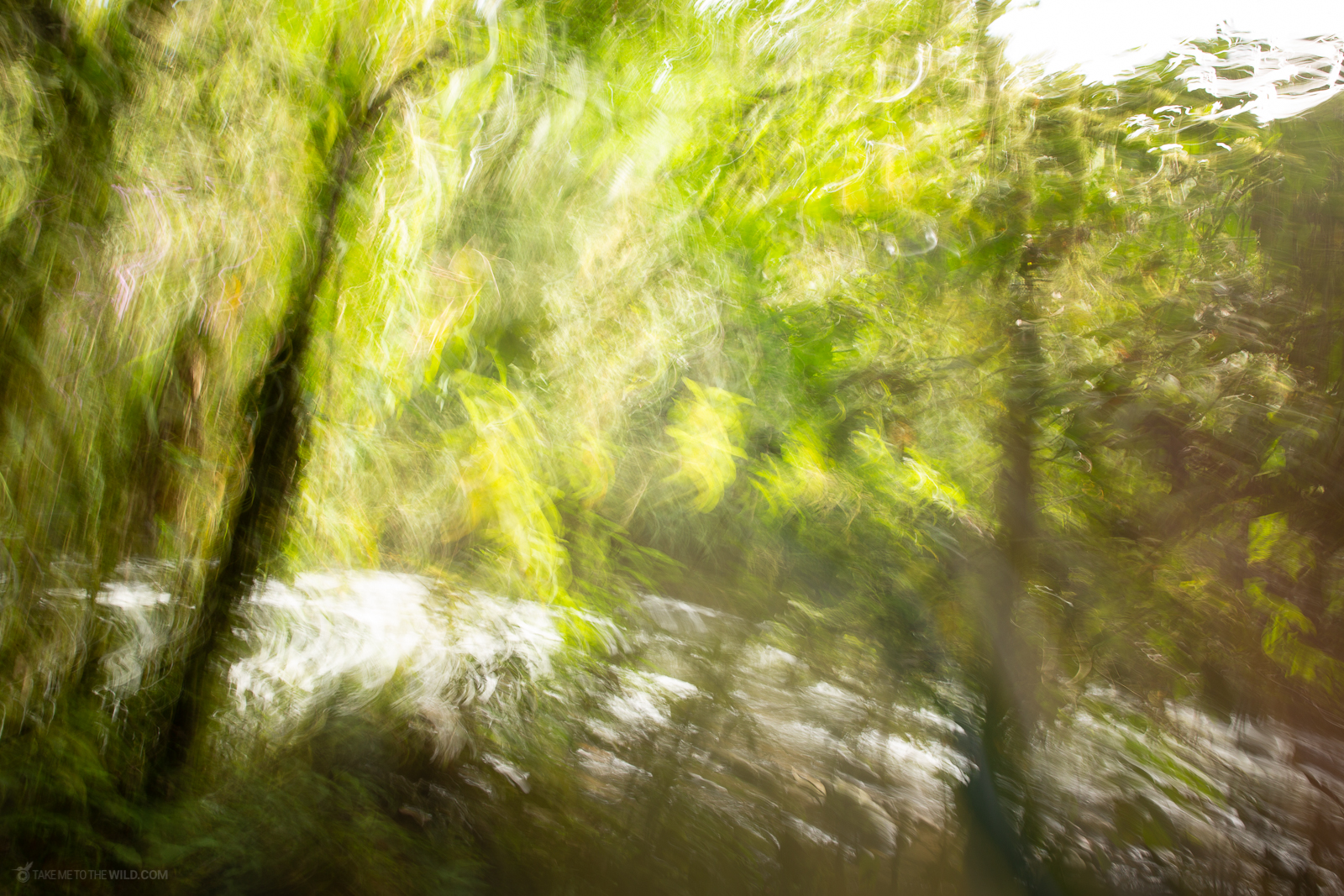
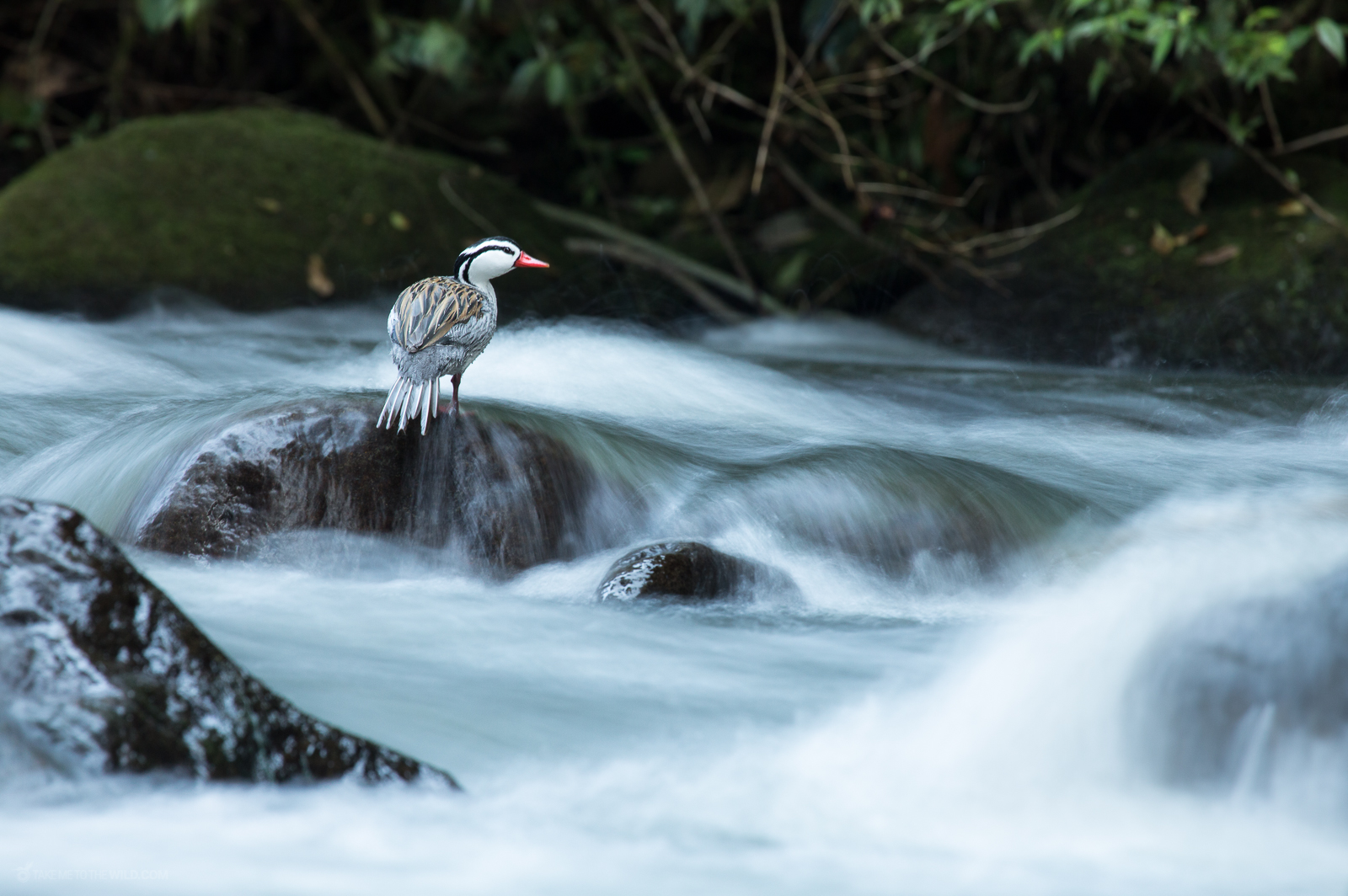
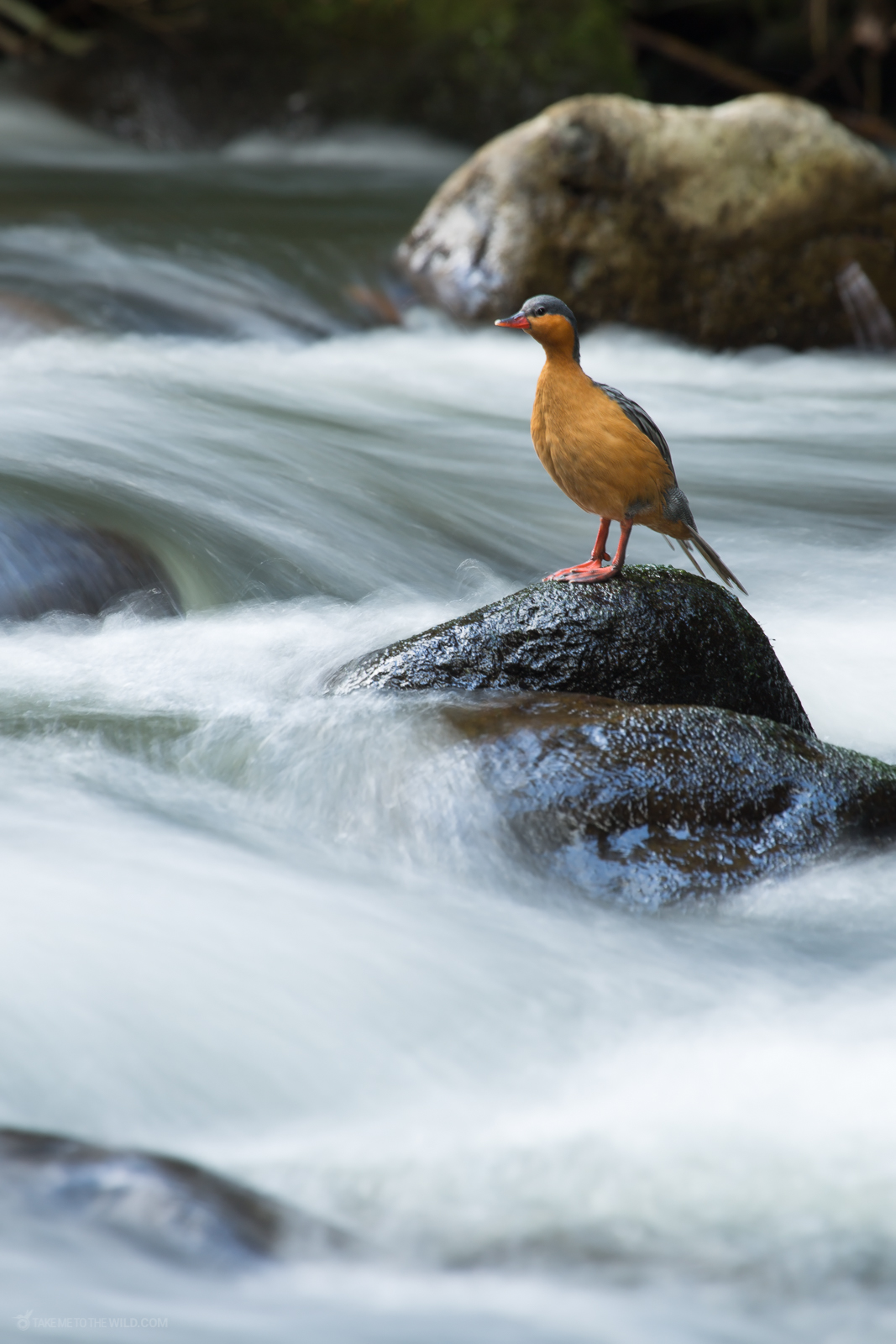
The Otún River cuts through the heart of the central Andes near Pereira. Cold, clear water running over dark volcanic rock. Along its banks we found one of the birds I most wanted to see: the Torrent Duck. This is one of the most specialized ducks in the world, found only in fast-flowing Andean rivers. The male and female look completely different, and both are remarkably good at navigating the current. They sit on rocks in the middle of the rapids, looking perfectly at ease in water that would knock a person off their feet.
The Birds
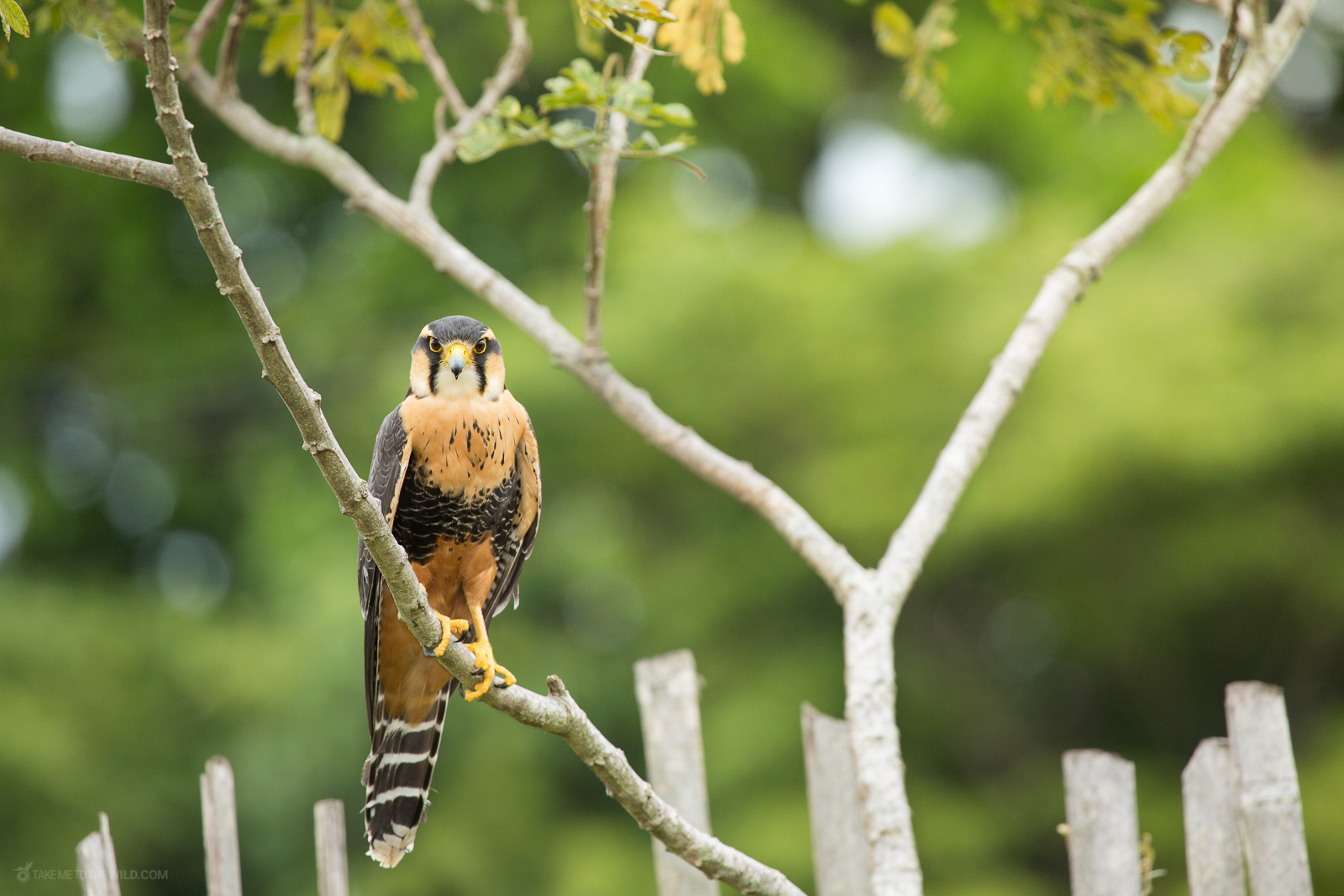
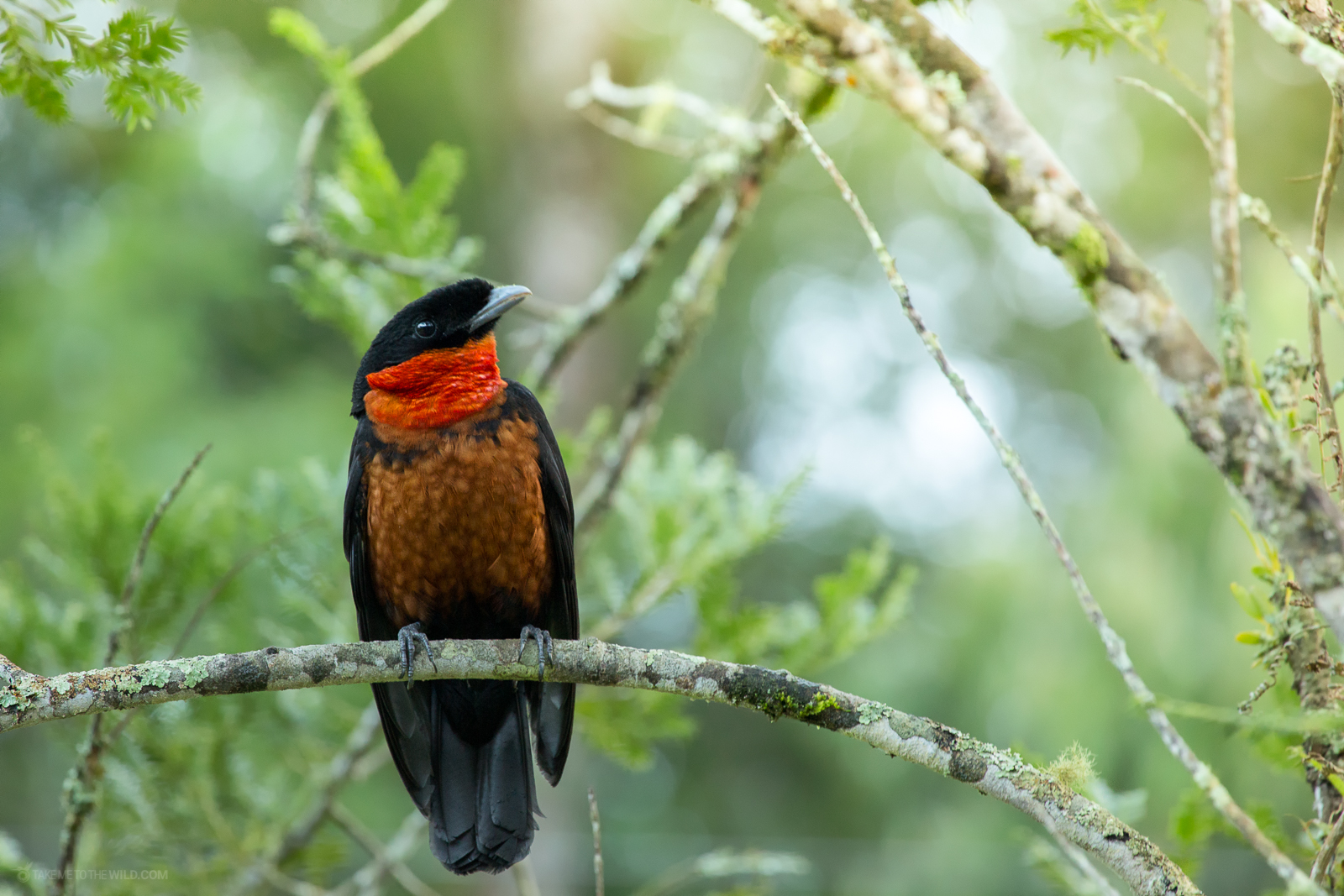
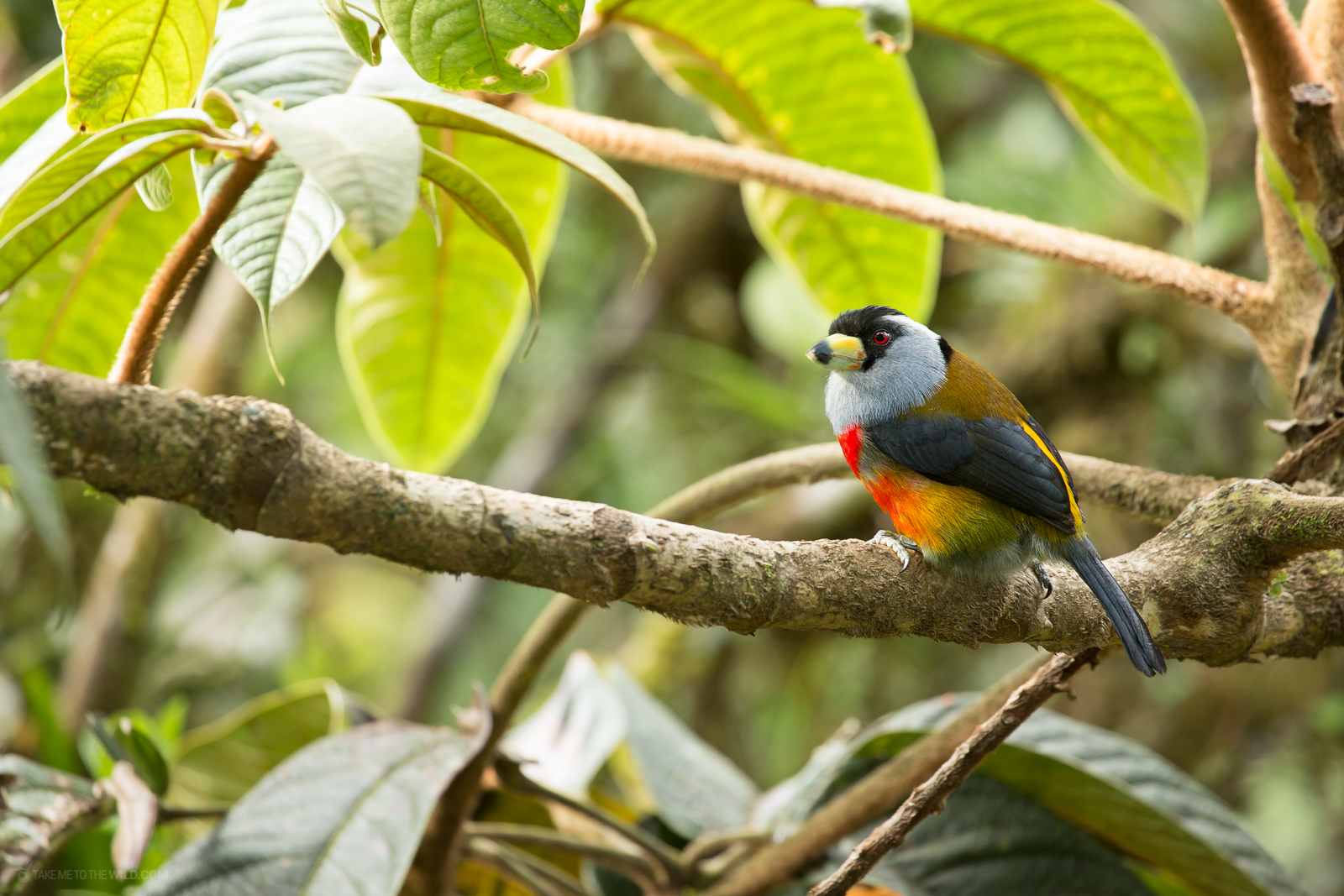
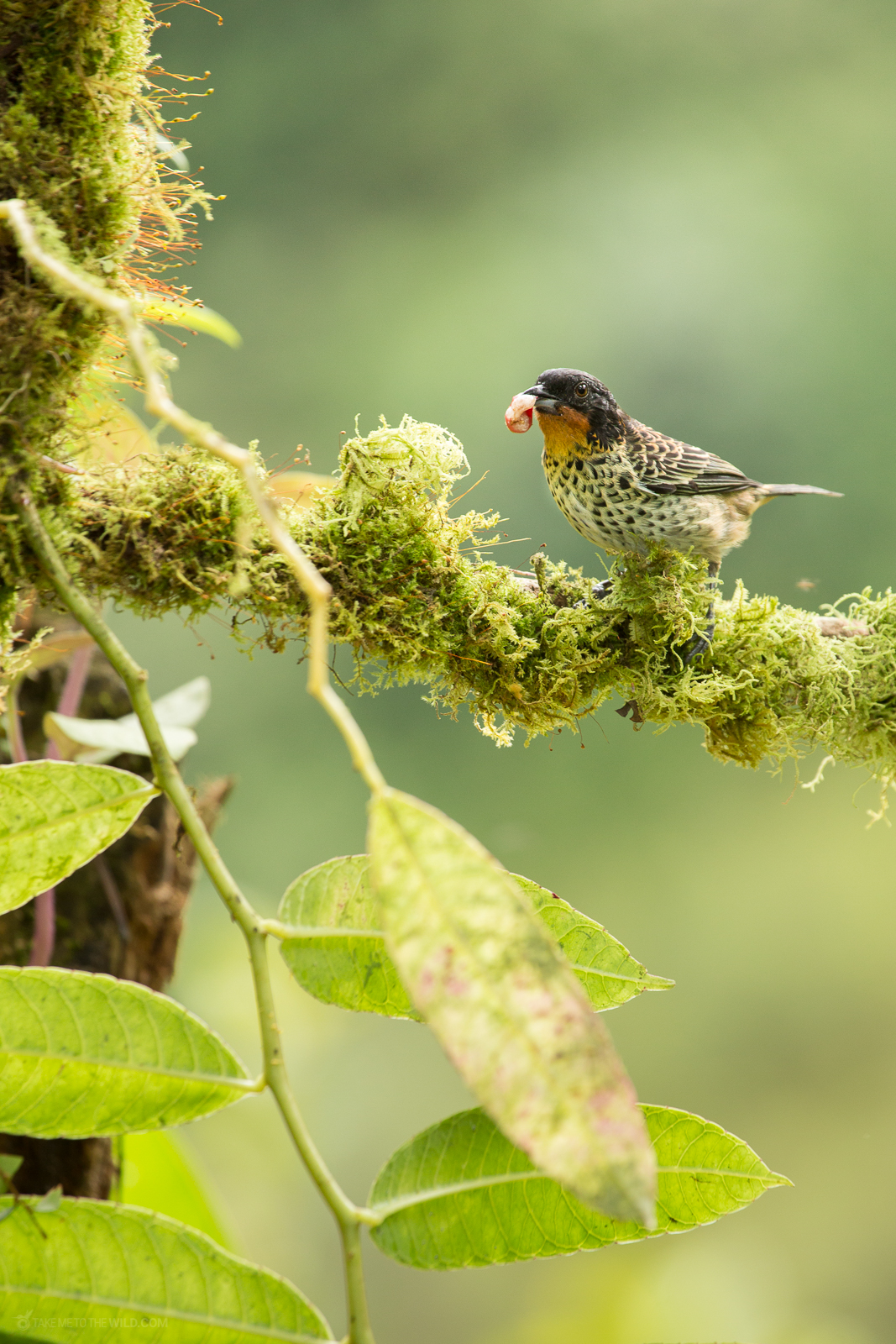
The bird diversity here is hard to describe to someone who hasn’t experienced it. On a single day we would see birds of prey in the highlands, tanagers in the cloud forest, and antpittas on the forest floor. Each elevation band has its own community of species, and traveling between them felt like visiting different countries.
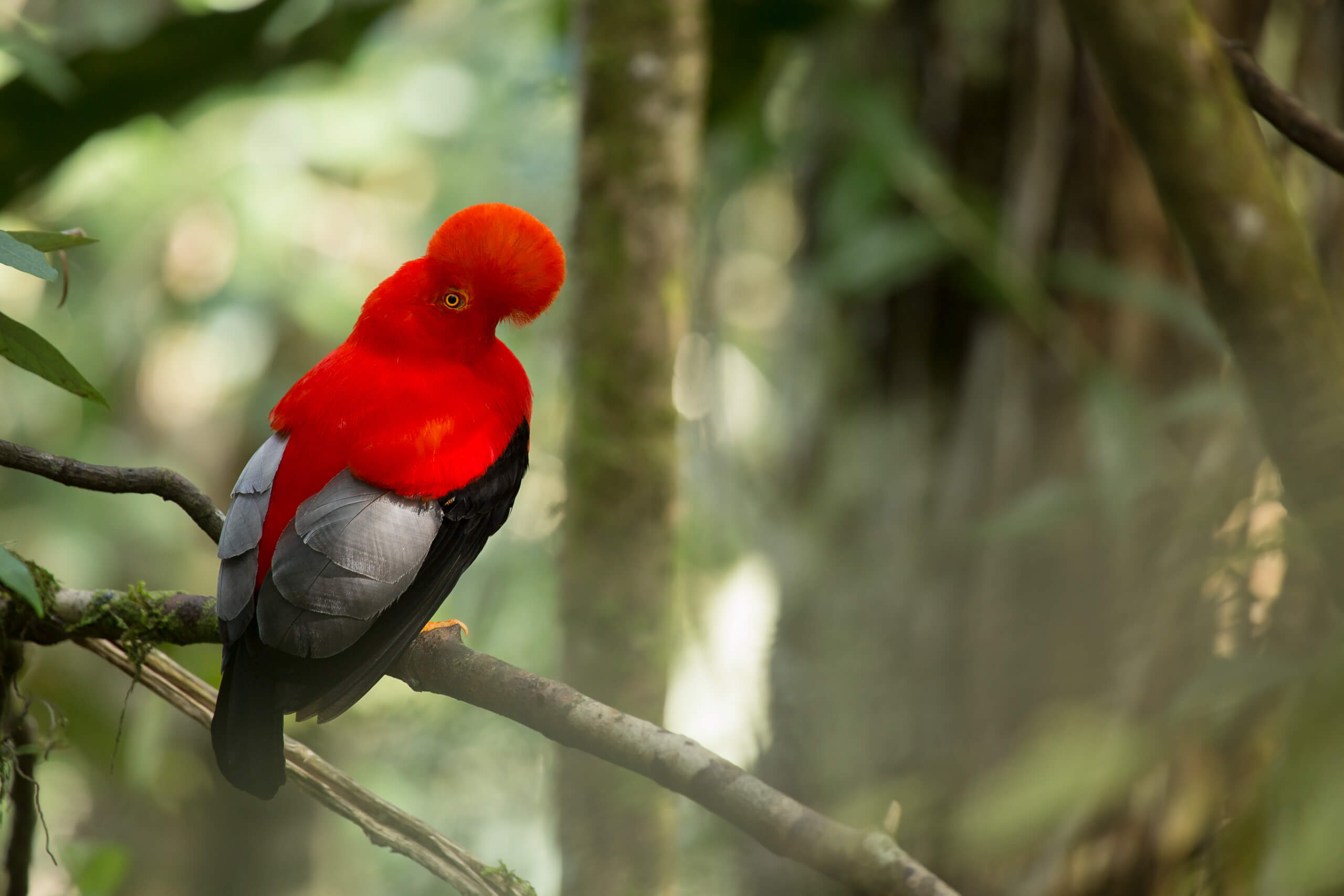
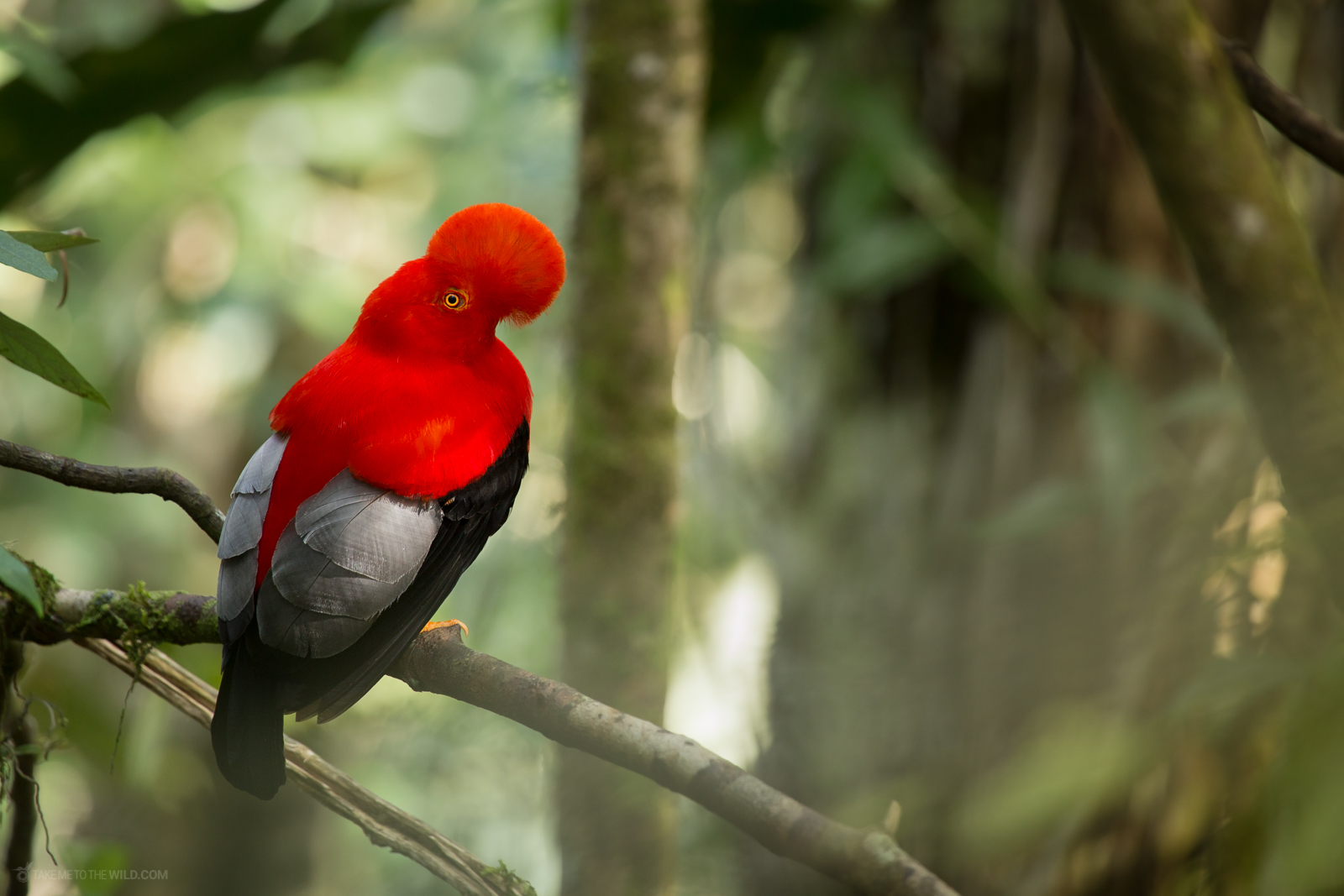
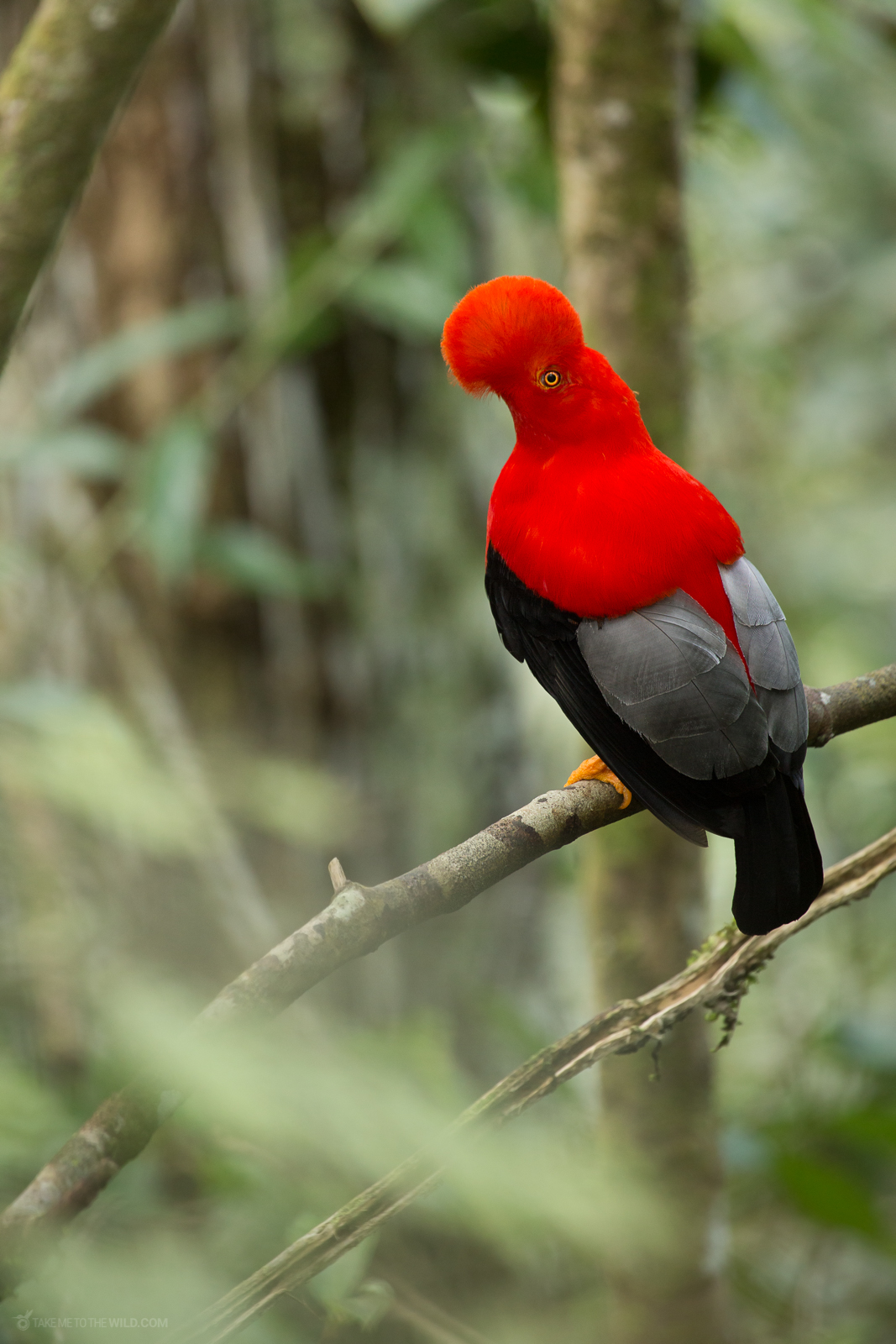
One afternoon, near the Otún River canyon, we found what we had come for: the Andean Cock-of-the-Rock. The male is almost impossible to miss. Bright orange, with a half-moon crest that covers its entire head, it looks like something out of a painting. We watched a group of males displaying at a lek, each one calling and fluffing its feathers to attract the attention of the females watching from the branches above. It was worth the entire trip.
“If you are not sure where to go for your next photography trip, you should really, really consider Colombia. I promise you won't be disappointed.”
Gear
The photography gear used in this story.
Related Topics