There is a contradiction at the heart of hummingbird photography that took me years to understand. To capture something that moves at 80 wingbeats per second, you cannot chase it. You cannot follow it with your lens, react to its movements, or try to keep up. The bird is faster than you will ever be. It moves in ways your eyes cannot track. It changes direction in the time it takes you to blink.
So you stop.
You find a spot, a flower, a perch, a patch of light. You set up your equipment. You focus. And then you wait. Sometimes for minutes, sometimes for hours. You sit in the rain, in the heat, in the cloud forest mist, and you wait for the bird to come to you. It always feels like a small miracle when it does.
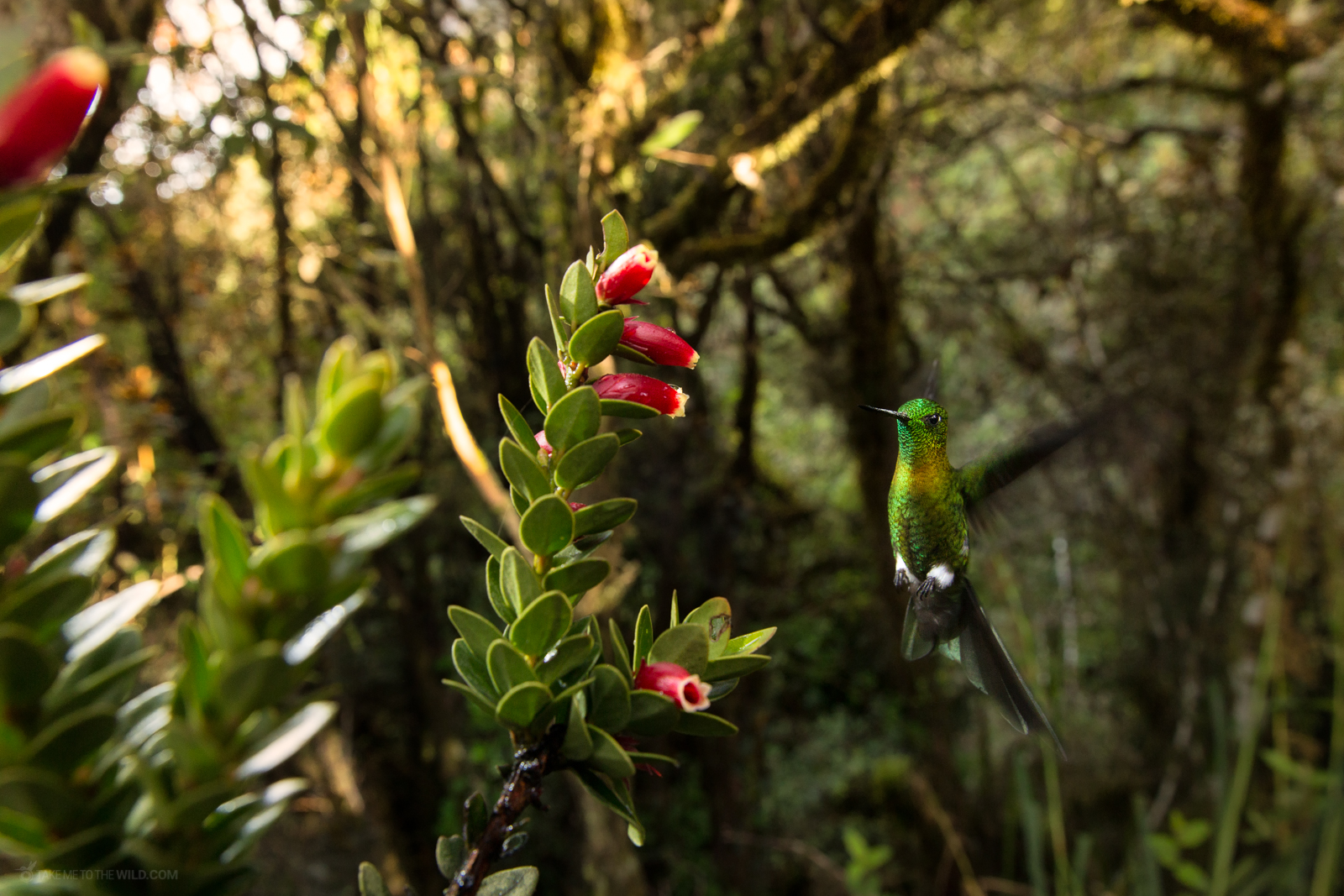
Costa Rica has over 50 species of hummingbirds. From sea level mangroves to the wind-blasted páramo above 3,000 meters, there is a hummingbird for every altitude and every habitat. Some are common, visiting garden feeders in the Central Valley. Others live only in the remote highland forests, rarely seen, rarely photographed. Each one is a different puzzle to solve.
The Lowlands
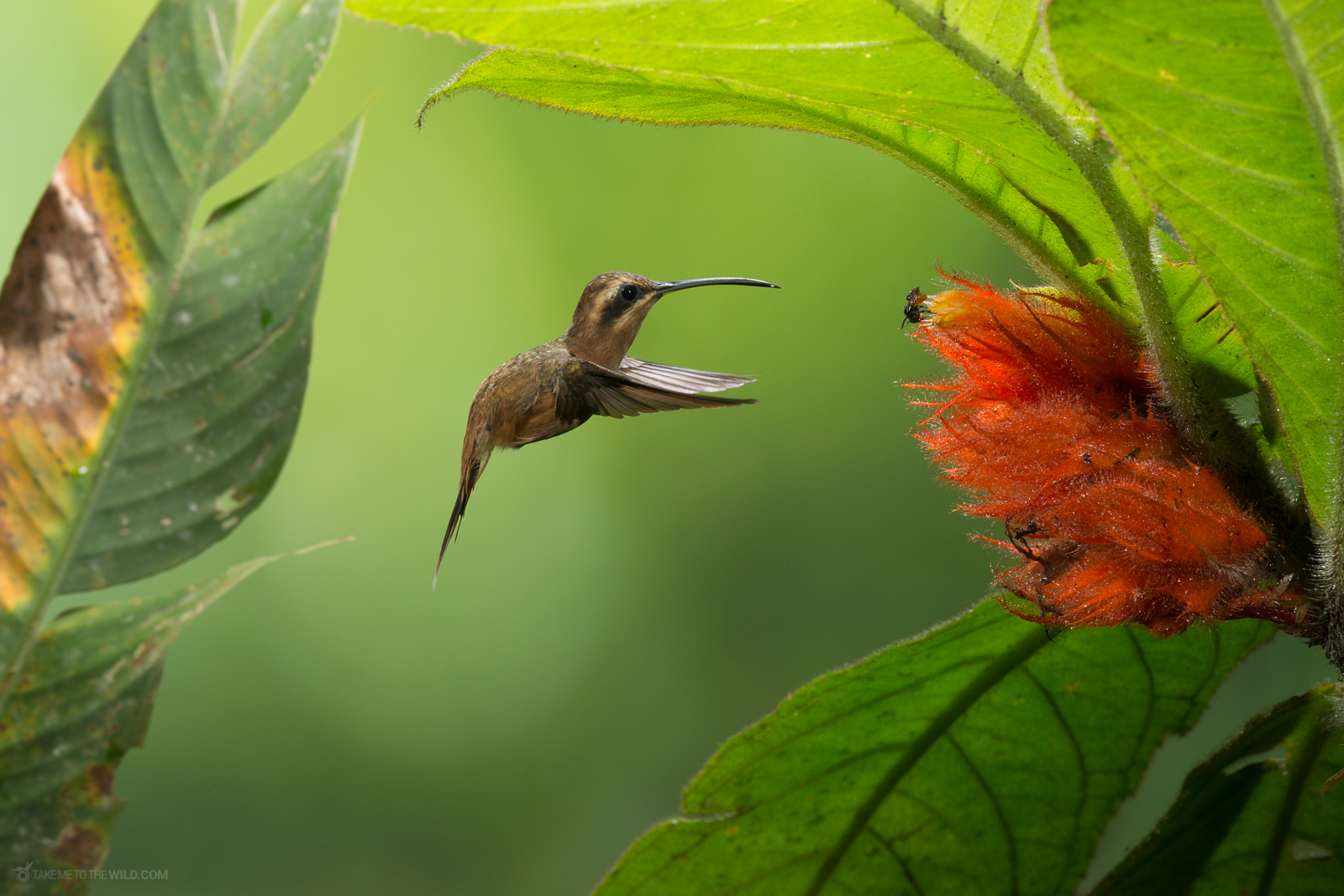
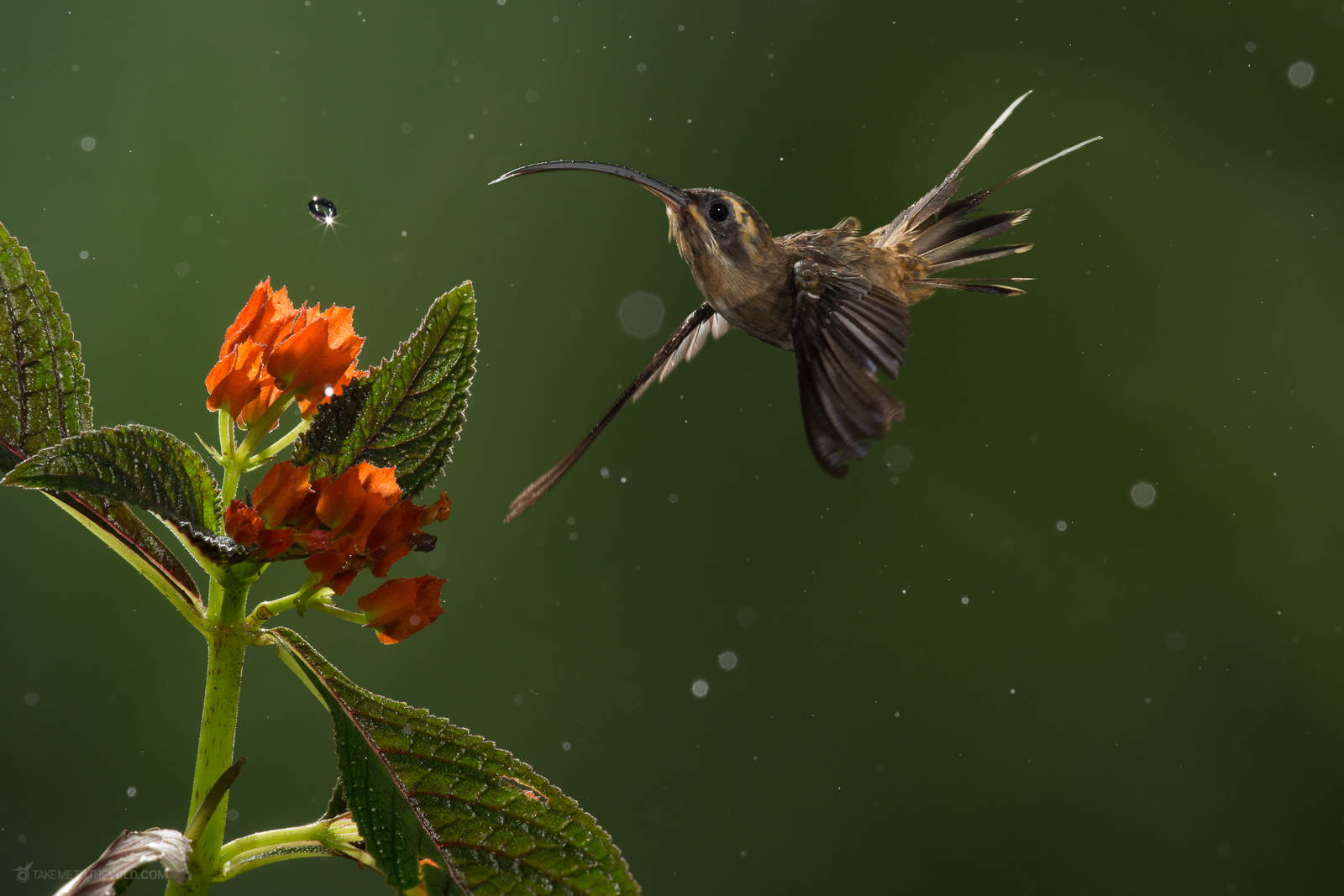
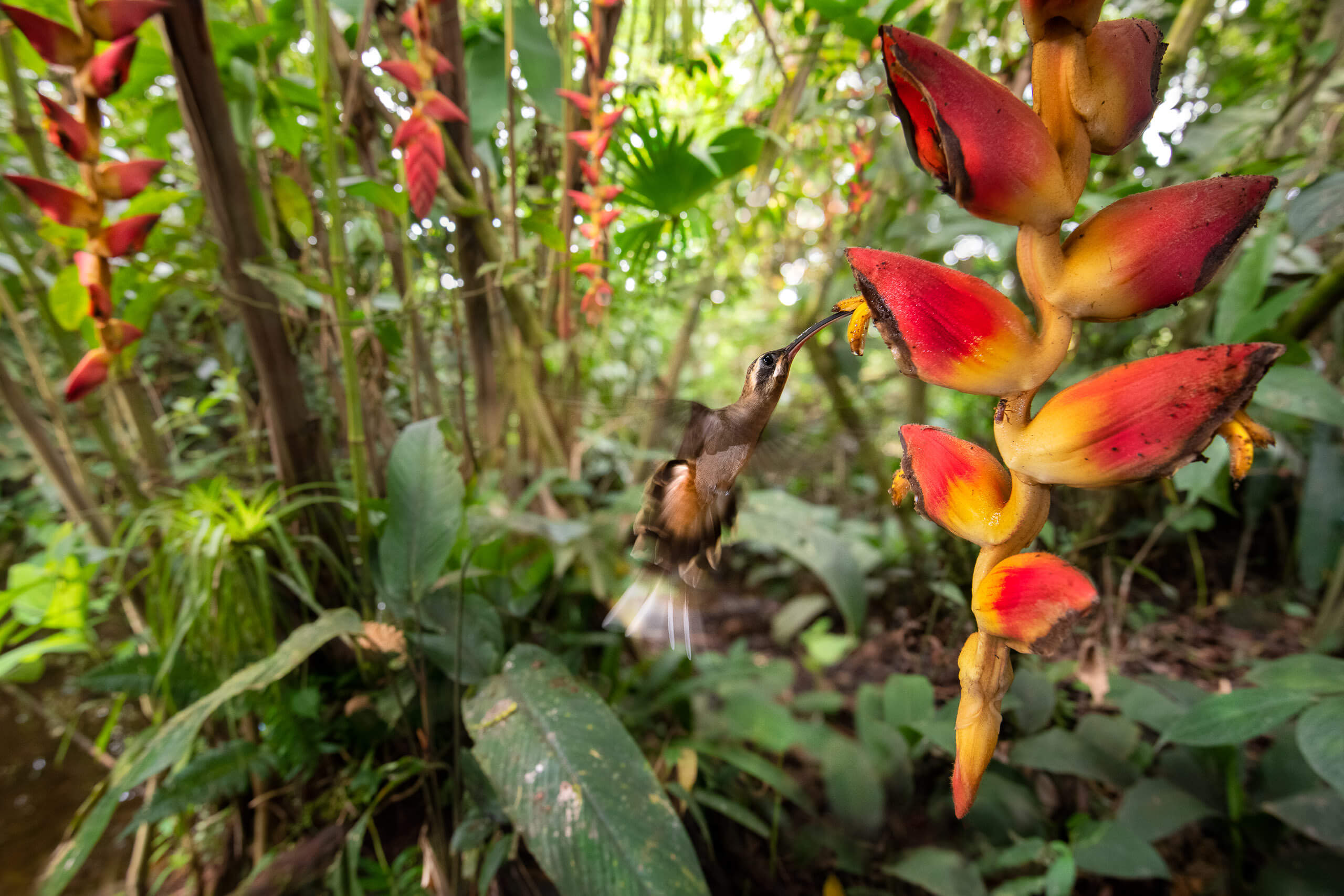
In the lowland rainforest, the hermits rule. The Long-billed Hermit is a large, curve-billed hummingbird that feeds from heliconias and other tubular flowers. It moves through the dark understory in a way that feels deliberate, almost slow for a hummingbird, following a trapline of flowers it visits in the same order every day.
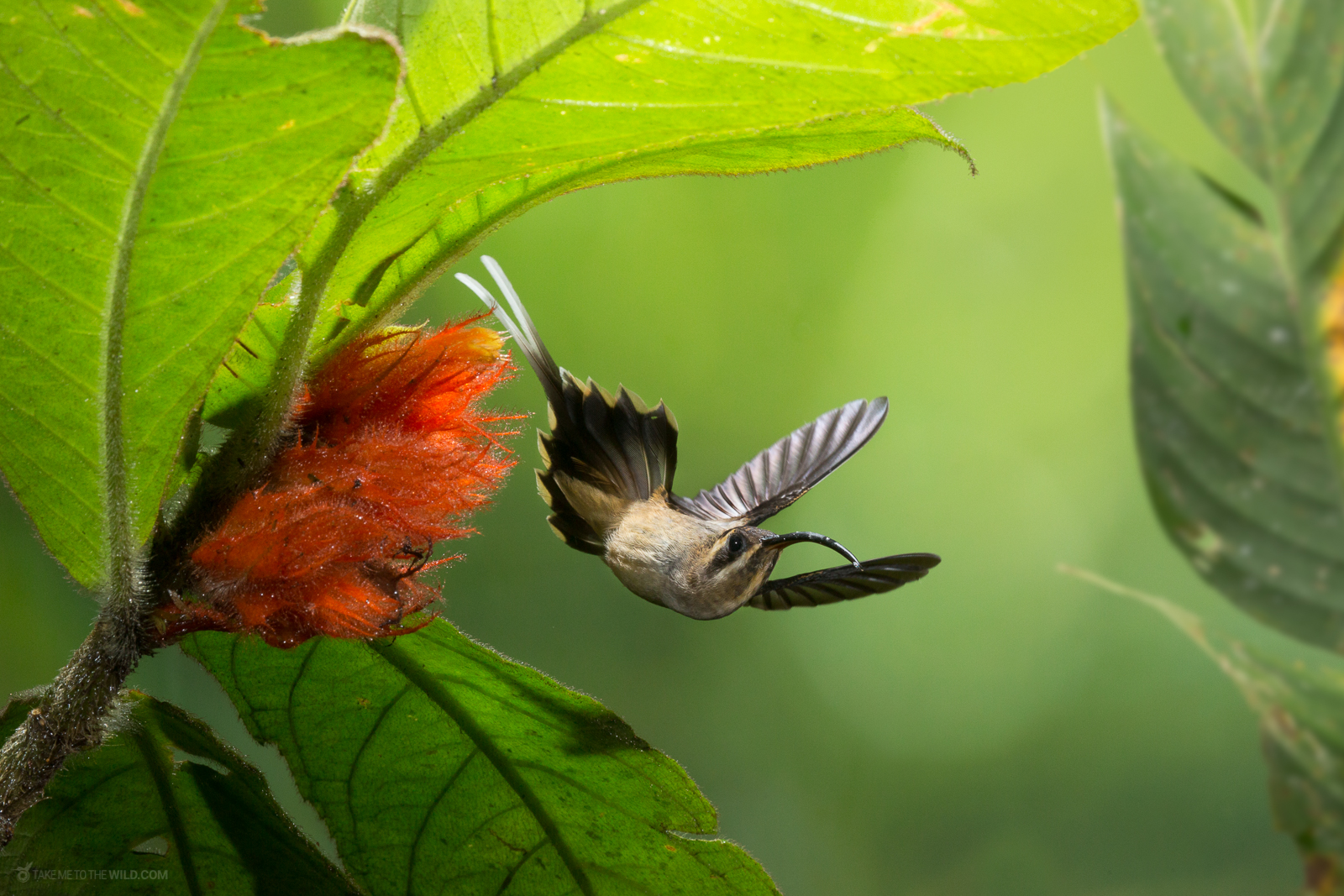
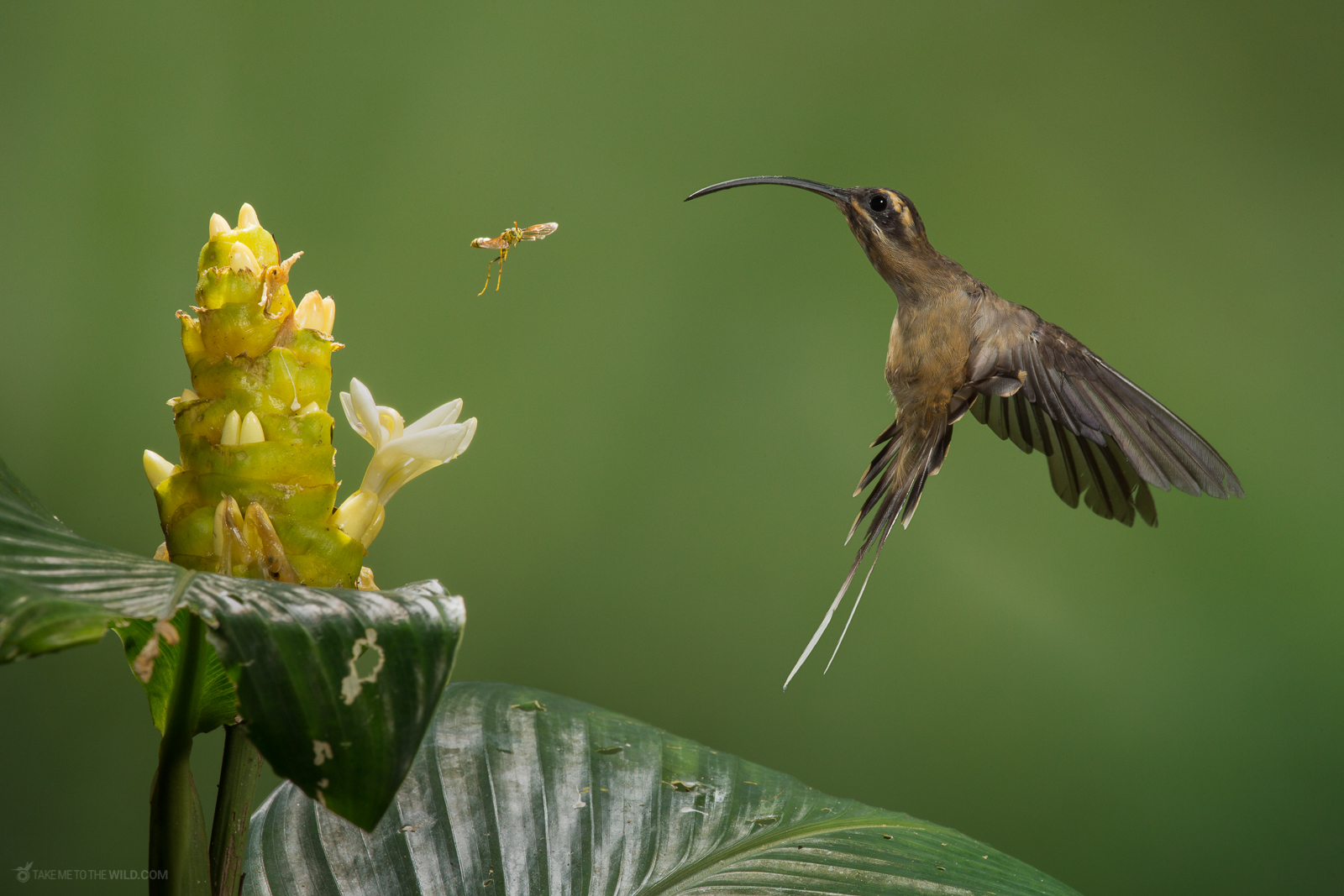
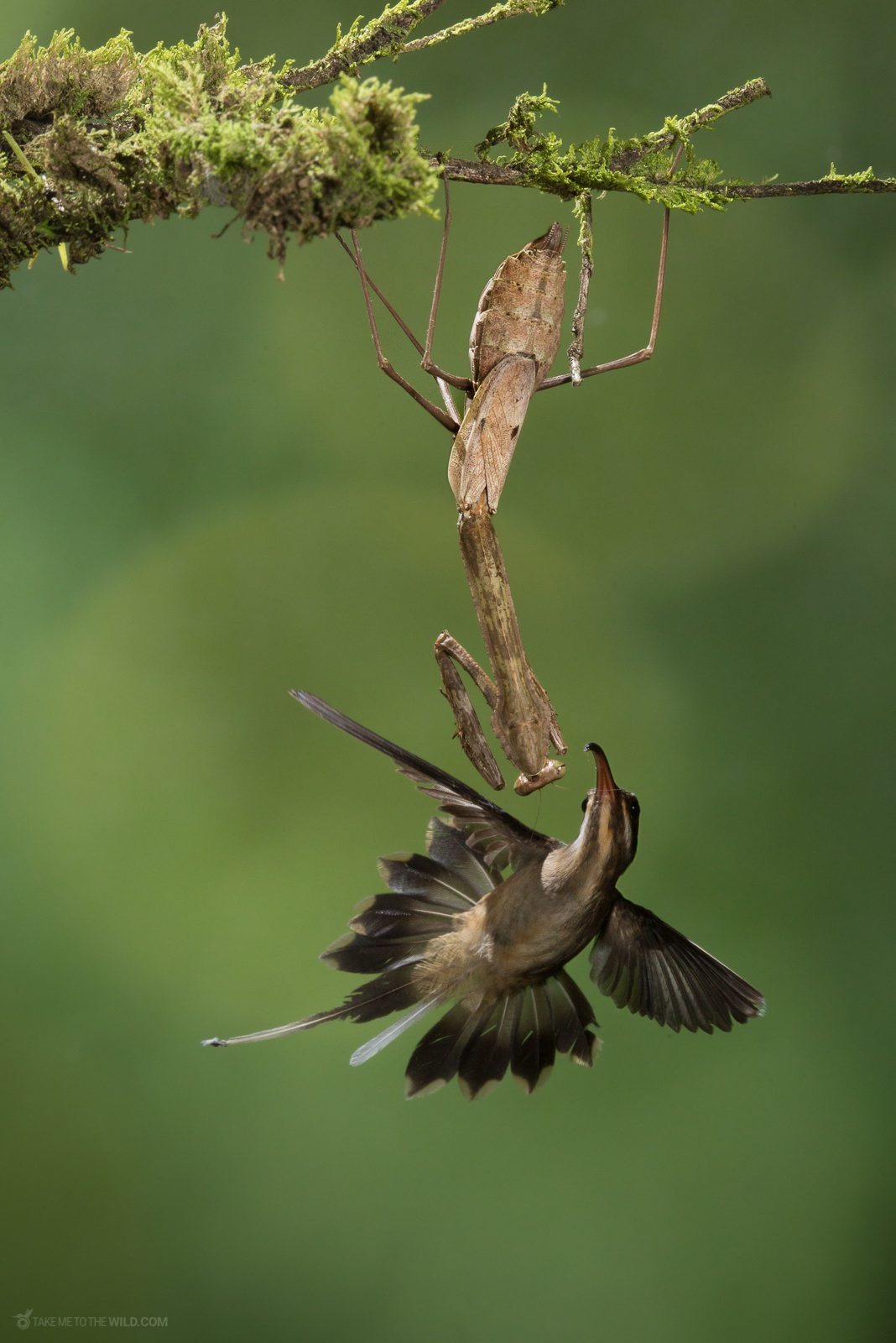
The Stripe-throated Hermit is smaller, more secretive, and builds its nest on the underside of a single large leaf. I once spent an entire morning watching one feed, photographing it as it visited the same cluster of flowers over and over. The light was low, the forest was dark, and I burned through hundreds of frames to get one sharp image.
One image I am particularly proud of is the Stripe-throated Hermit with an Eyelash Pit Viper. The snake was coiled on a branch right next to the hermit’s favorite flowers. The bird kept coming back, hovering centimeters from the viper’s head, completely unfazed. That kind of moment, you cannot plan for. You can only be there and be ready.
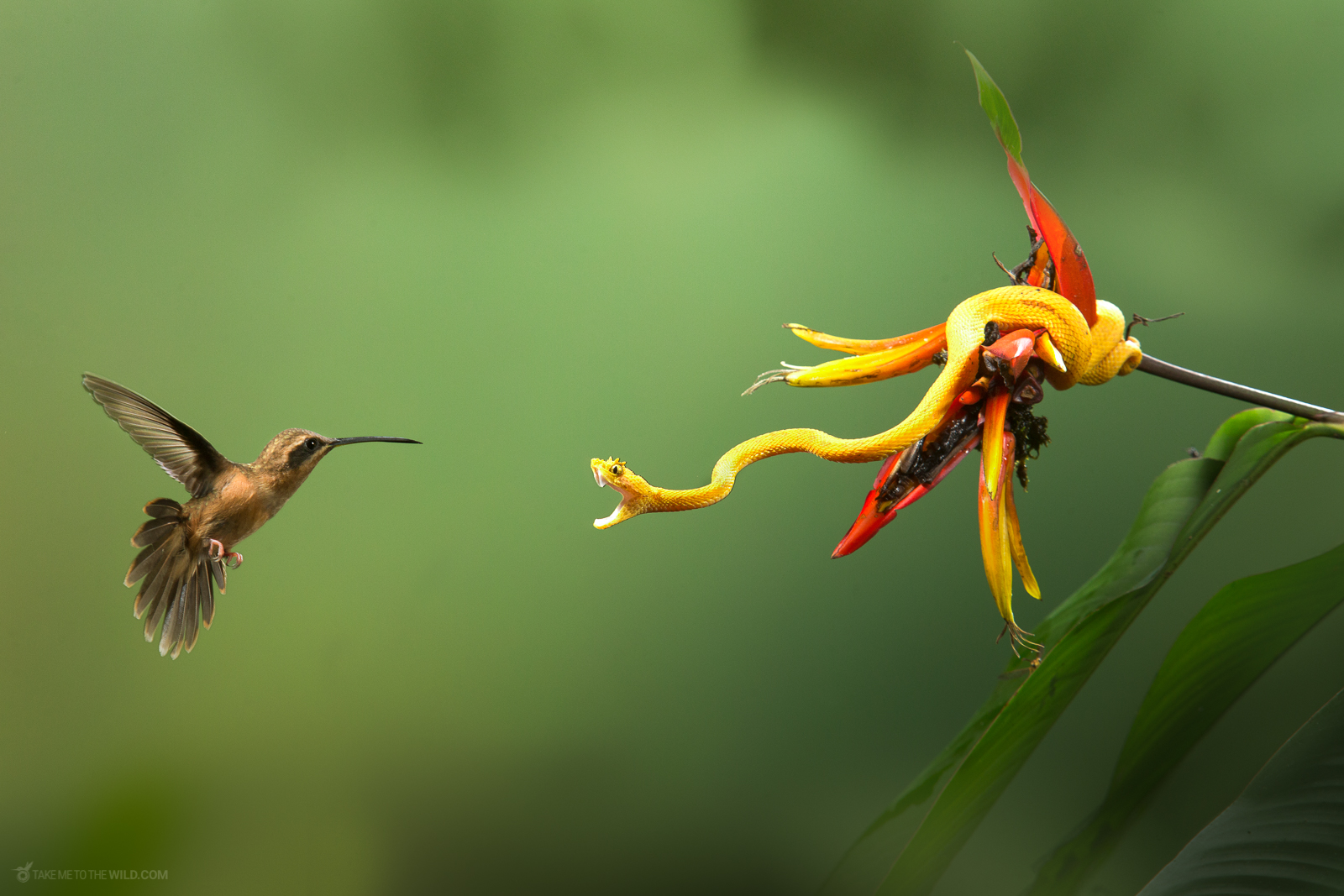
“To photograph something that moves at 80 wingbeats per second, you cannot chase it. You stop. You wait. And it always feels like a small miracle when it comes to you.”
The Snowcap
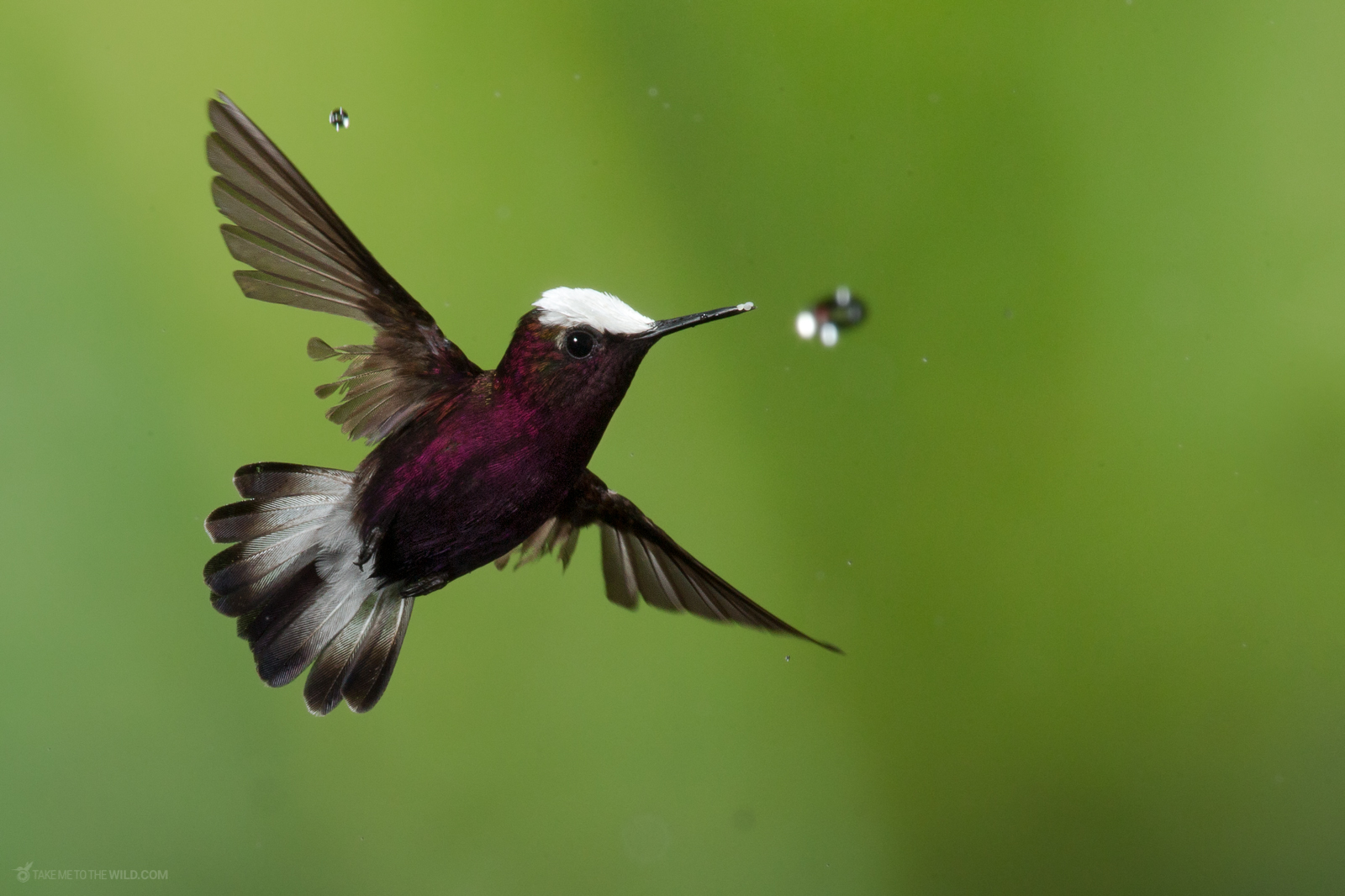
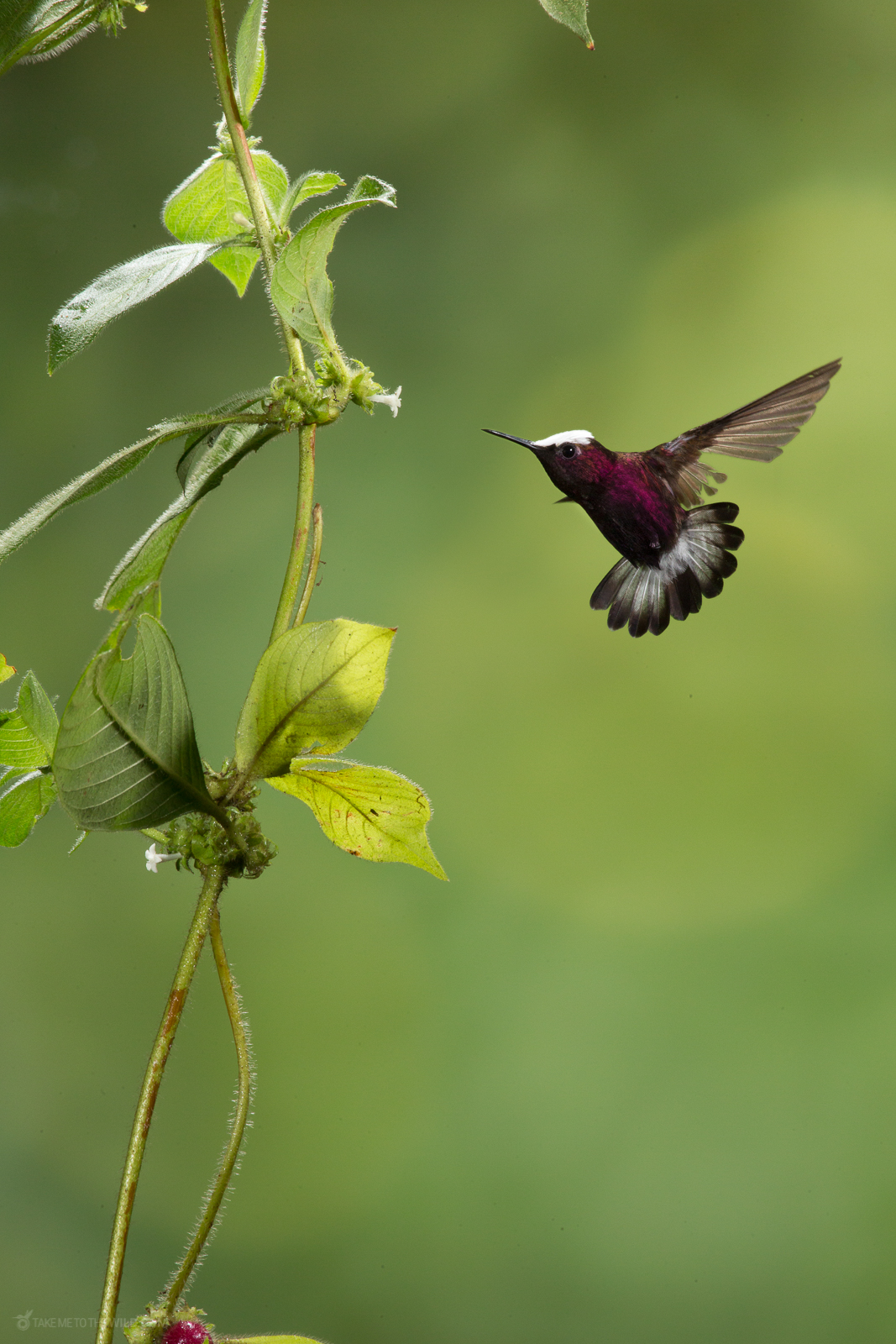
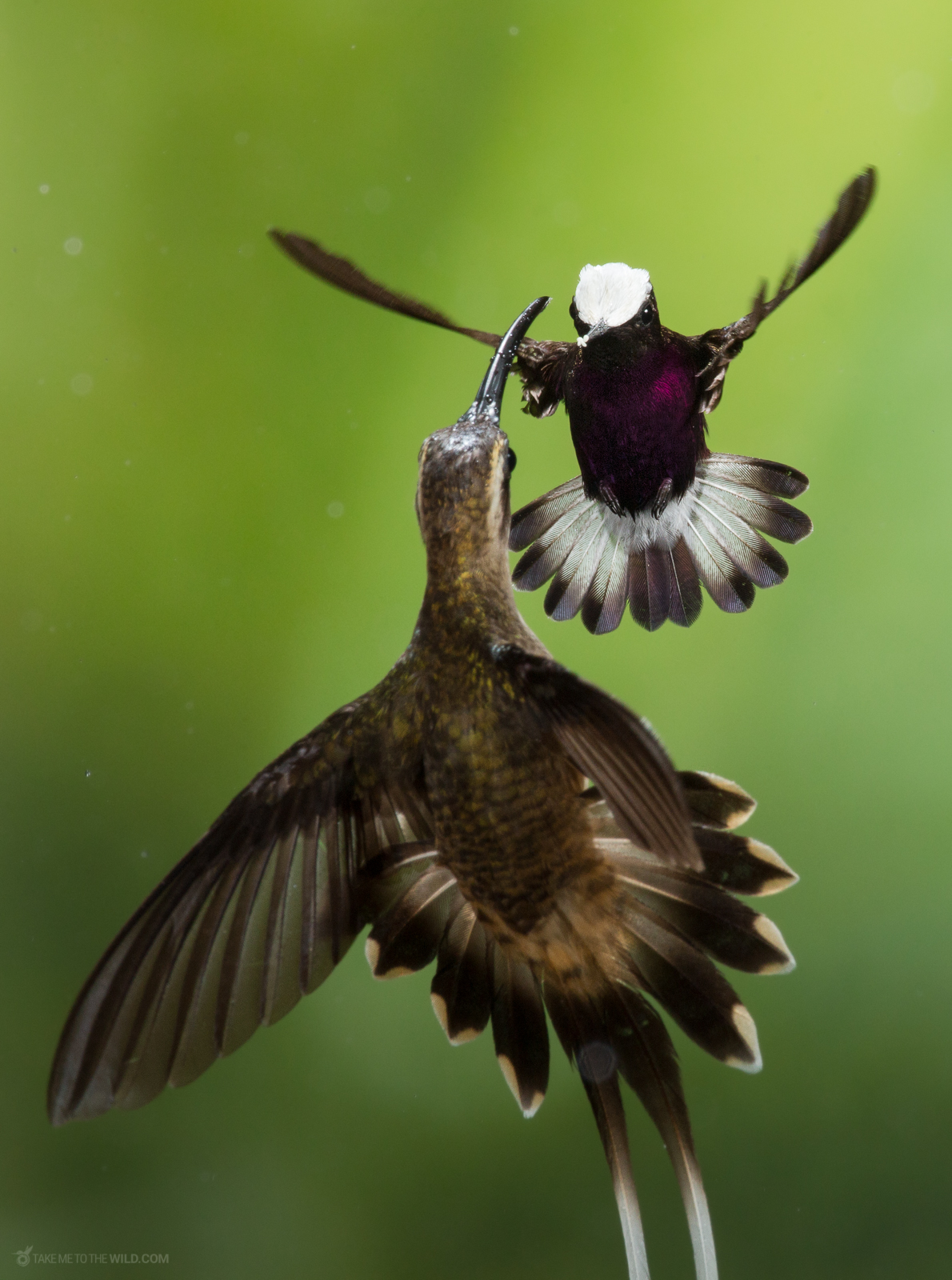
The Snowcap is one of the smallest hummingbirds in Costa Rica, and one of the most striking. The male is deep purple with a brilliant white cap that glows in the forest light. It weighs about 2.5 grams. It is found only in the Caribbean slope foothills, in a narrow band of elevation between 300 and 900 meters, and it is not easy to find.
I photographed Snowcaps near the Sarapiqui area, in a patch of forest where they come to feed on small flowers in the understory. The challenge with Snowcaps is the light. They live in the dark understory, and their purple plumage absorbs light rather than reflecting it. Getting a well-lit image of a Snowcap in flight required multiple flash units and a lot of patience.
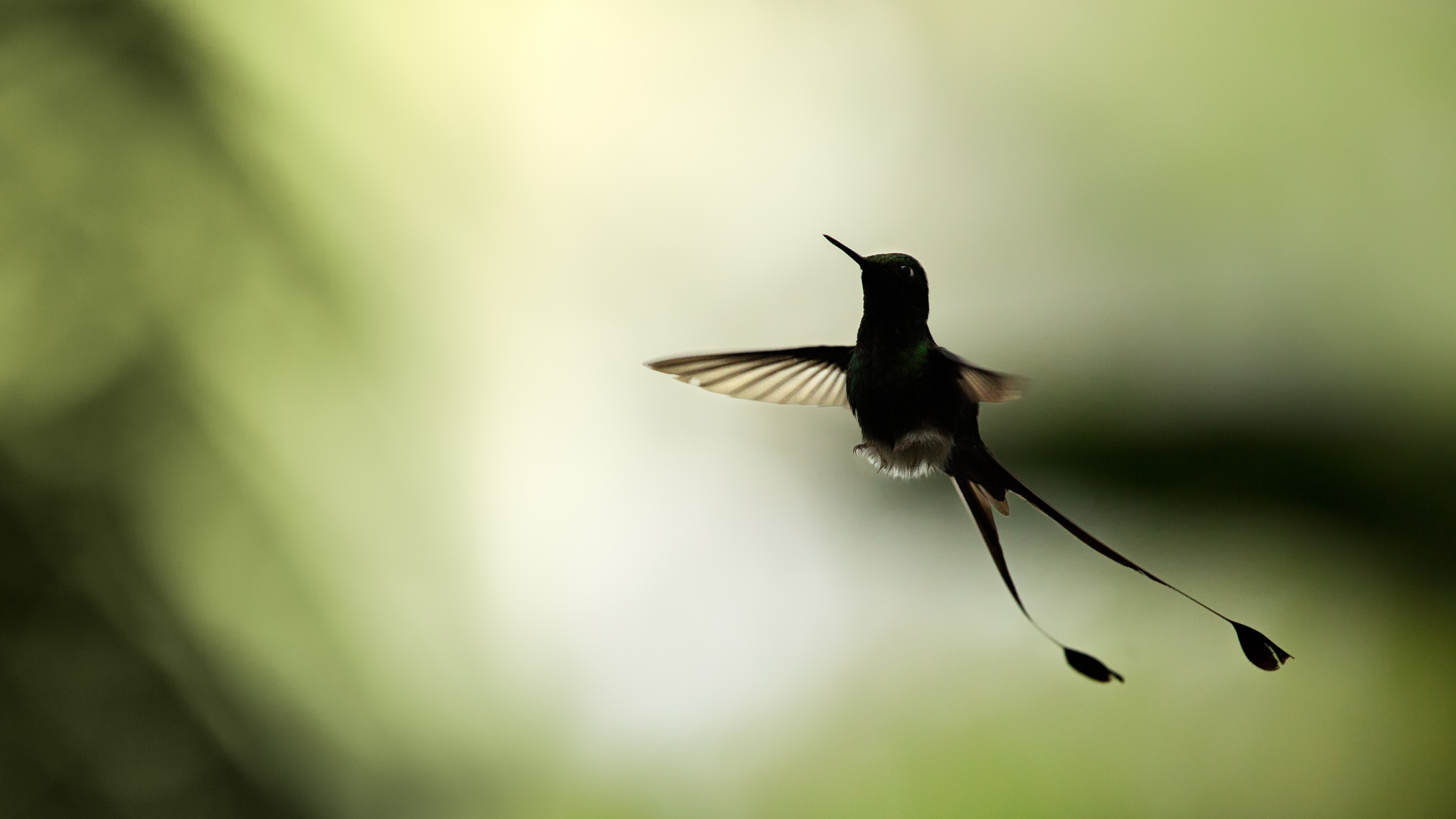
The Green Thorntail
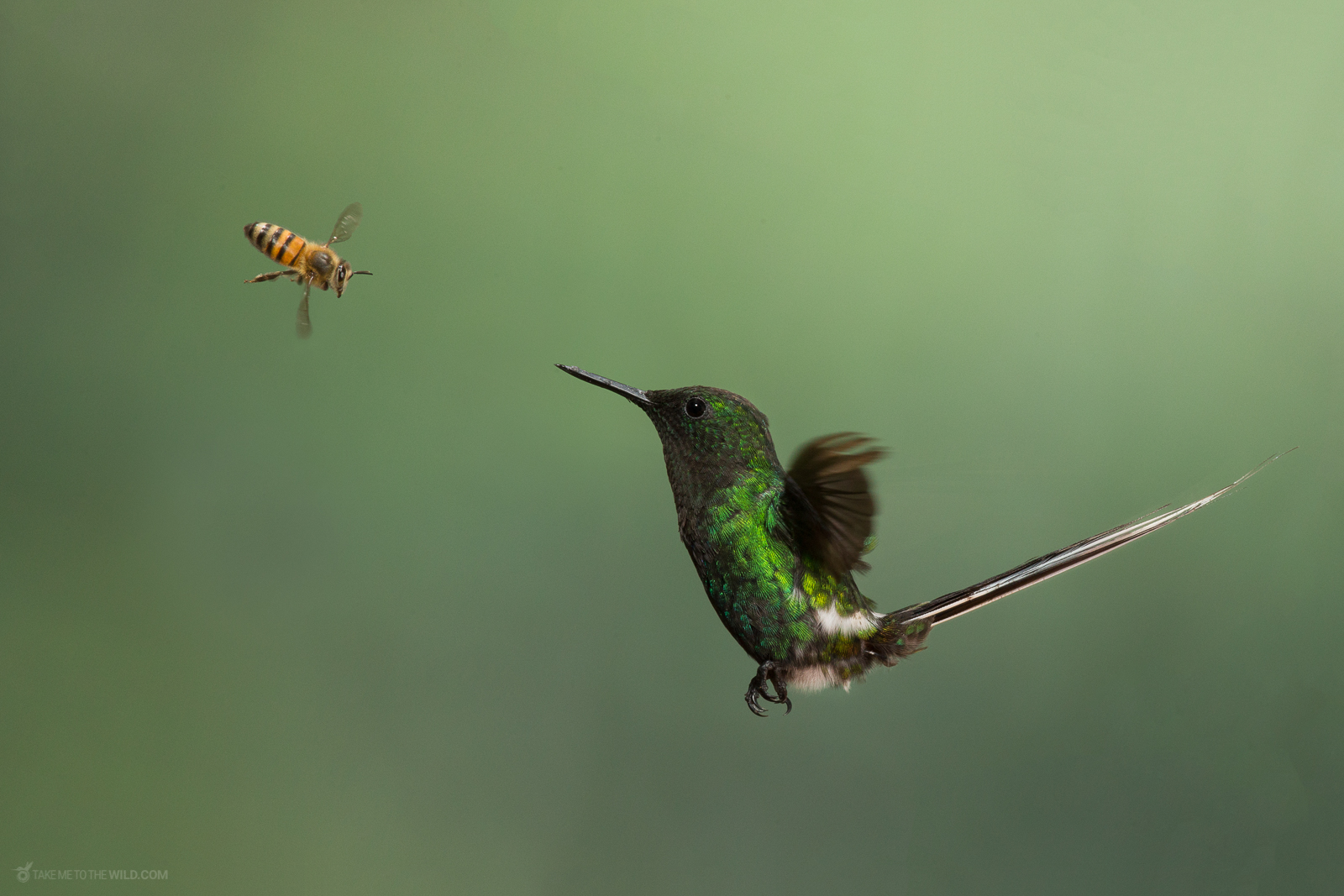
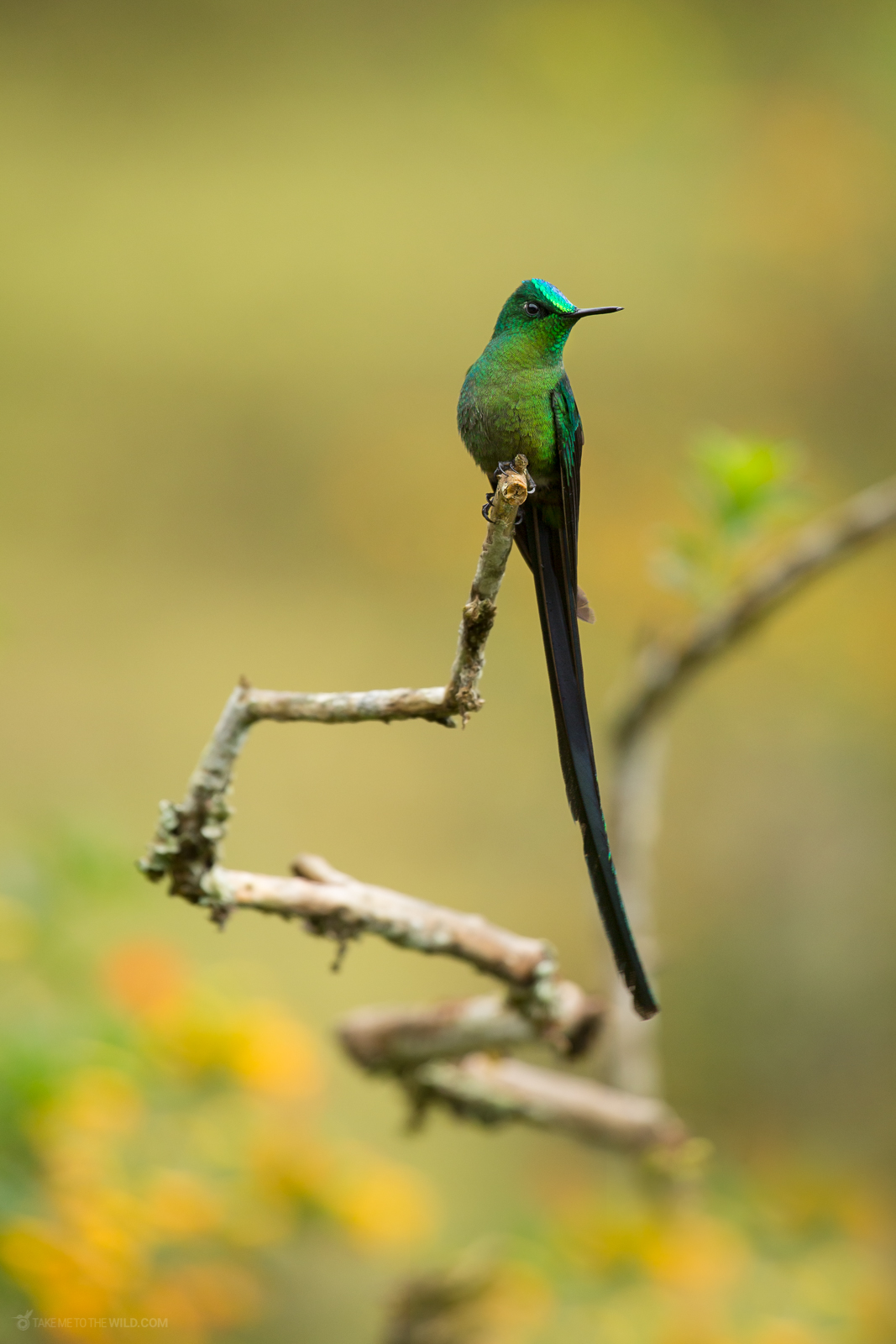
The Green Thorntail is another tiny species with an outsized personality. The male has a long, wire-like tail and iridescent green plumage. I photographed one in a dogfight with a bee. They were spiraling around each other in the air, both competing for the same flower, and I managed to freeze the moment with a fast shutter and flash. The hummingbird won.
The Mid-Elevations
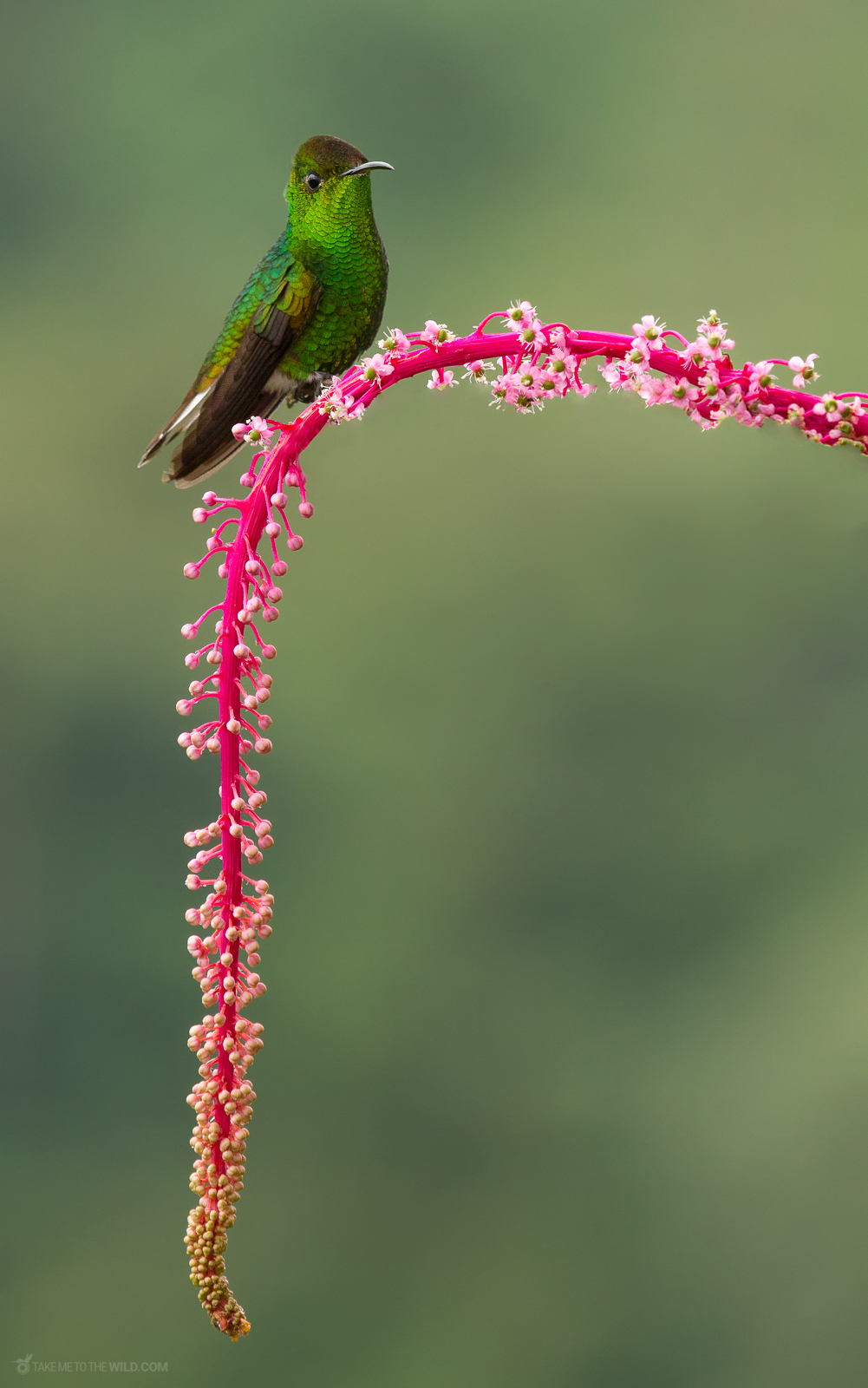
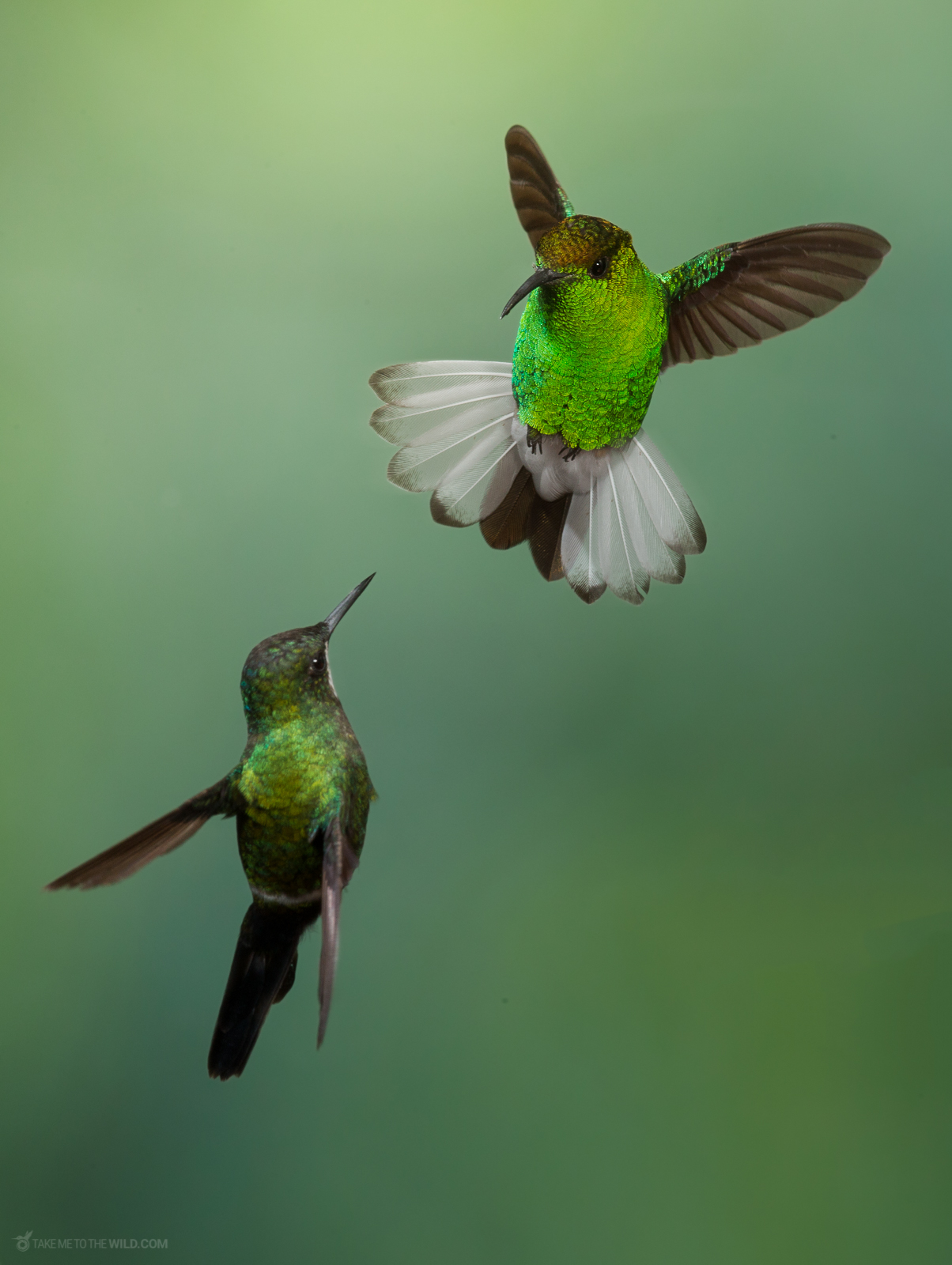
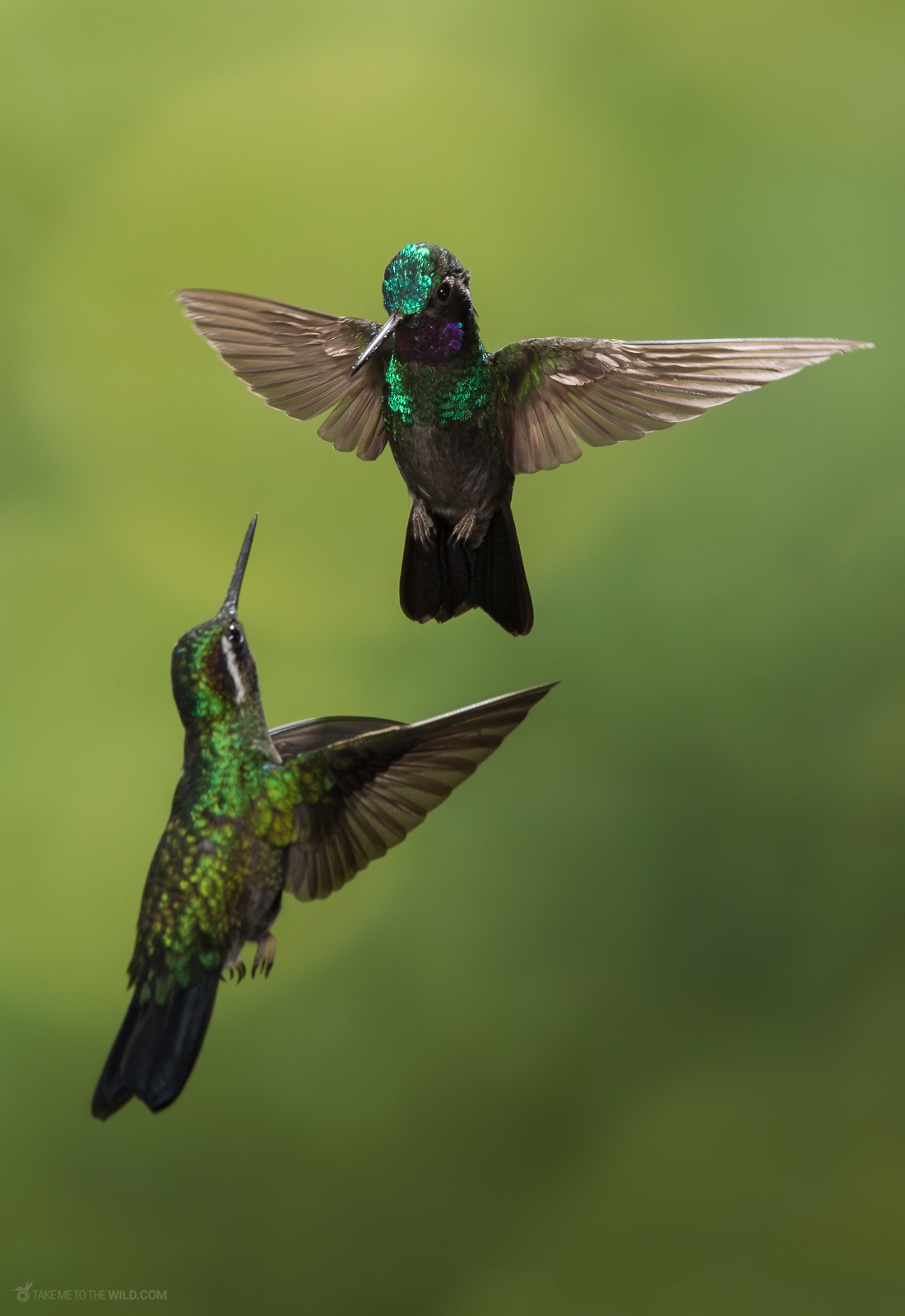
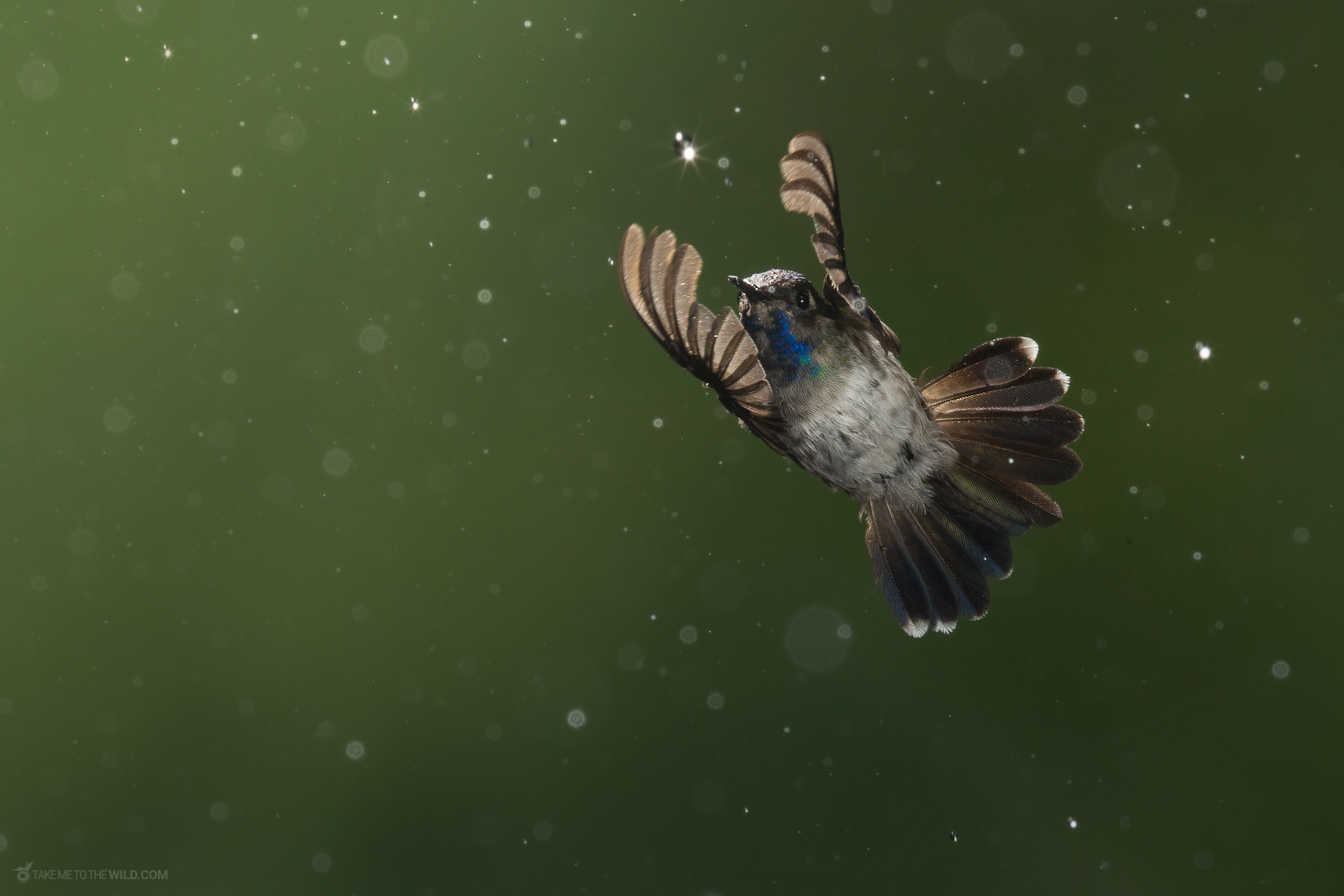
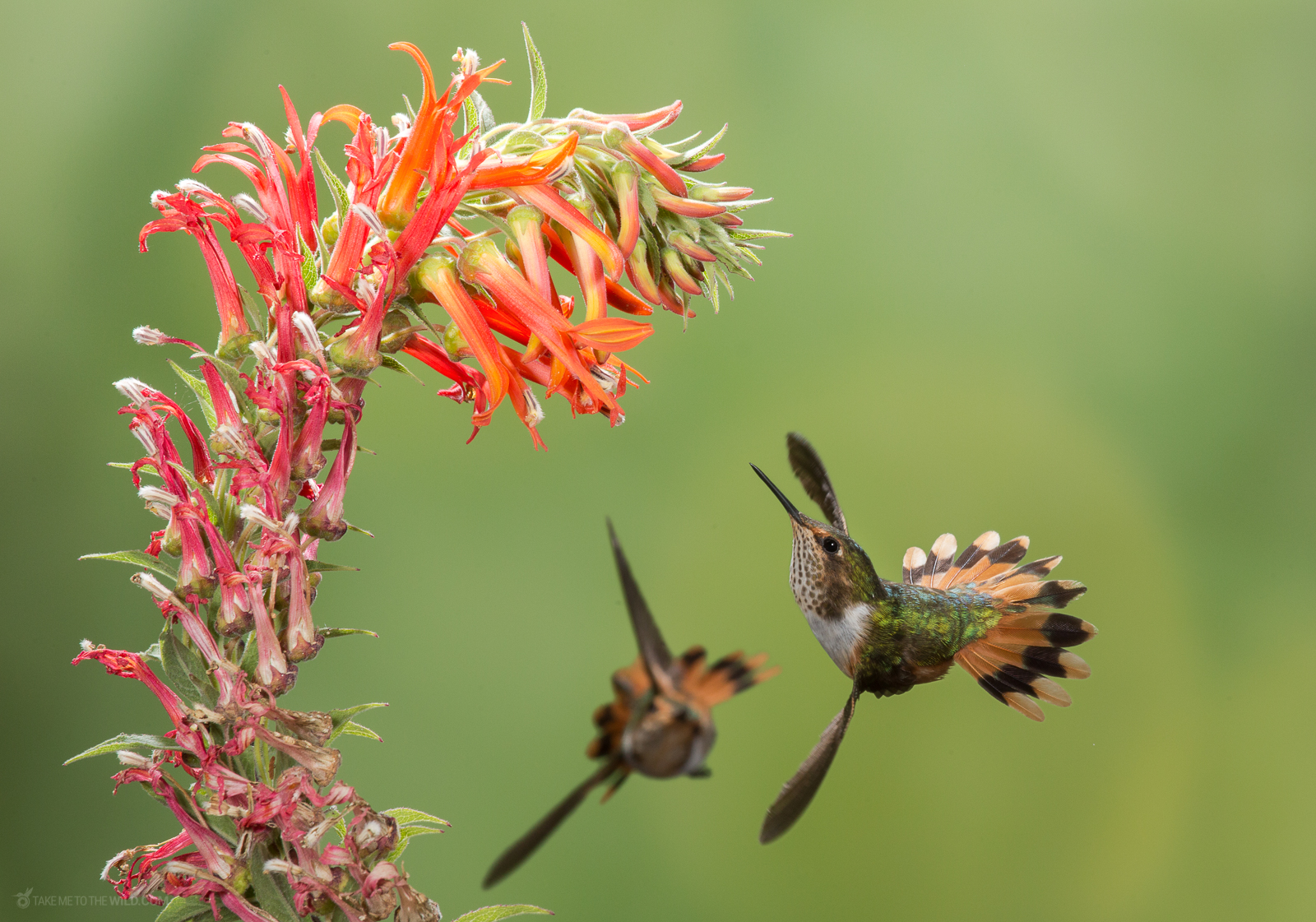
Between 1,000 and 2,000 meters, the diversity peaks. The Coppery-headed Emerald is endemic to Costa Rica. The Purple-throated Mountaingem defends its territory with aerial displays that look more like fighter jet maneuvers than birdwatching. The Violet-headed Hummingbird, tiny and jewel-like, feeds in the rain without slowing down.
In the Rain
Hummingbirds do not stop for rain. Their feathers are water-resistant, and they shake off droplets mid-flight with a motion so fast it is invisible to the naked eye. Photographing hummingbirds in the rain produces some of the most beautiful images, with water droplets frozen in the air around the bird like tiny jewels.
The Highlands
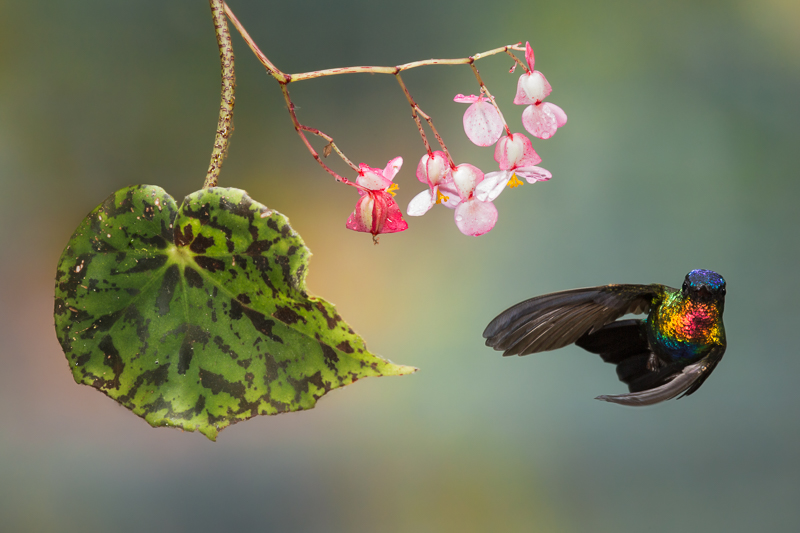
Above 2,500 meters, in the cold cloud forests and páramo of the Talamanca range, the hummingbirds change. They are tougher, adapted to thin air and freezing temperatures. The Fiery-throated Hummingbird is the star of the highlands. Its throat catches the light and explodes in every color at once, orange, red, blue, green, shifting with every angle. It is the single most colorful bird I have ever seen.
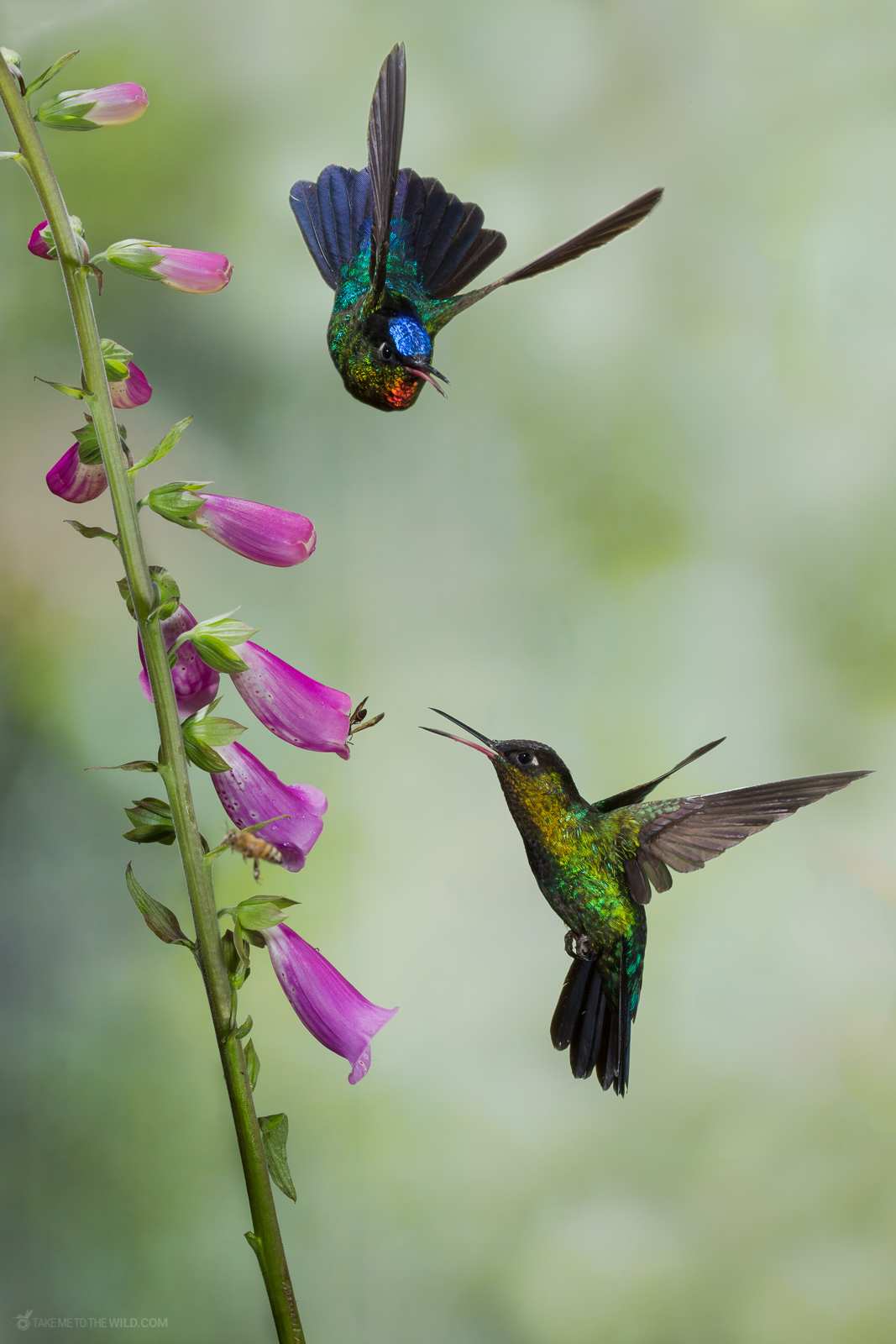
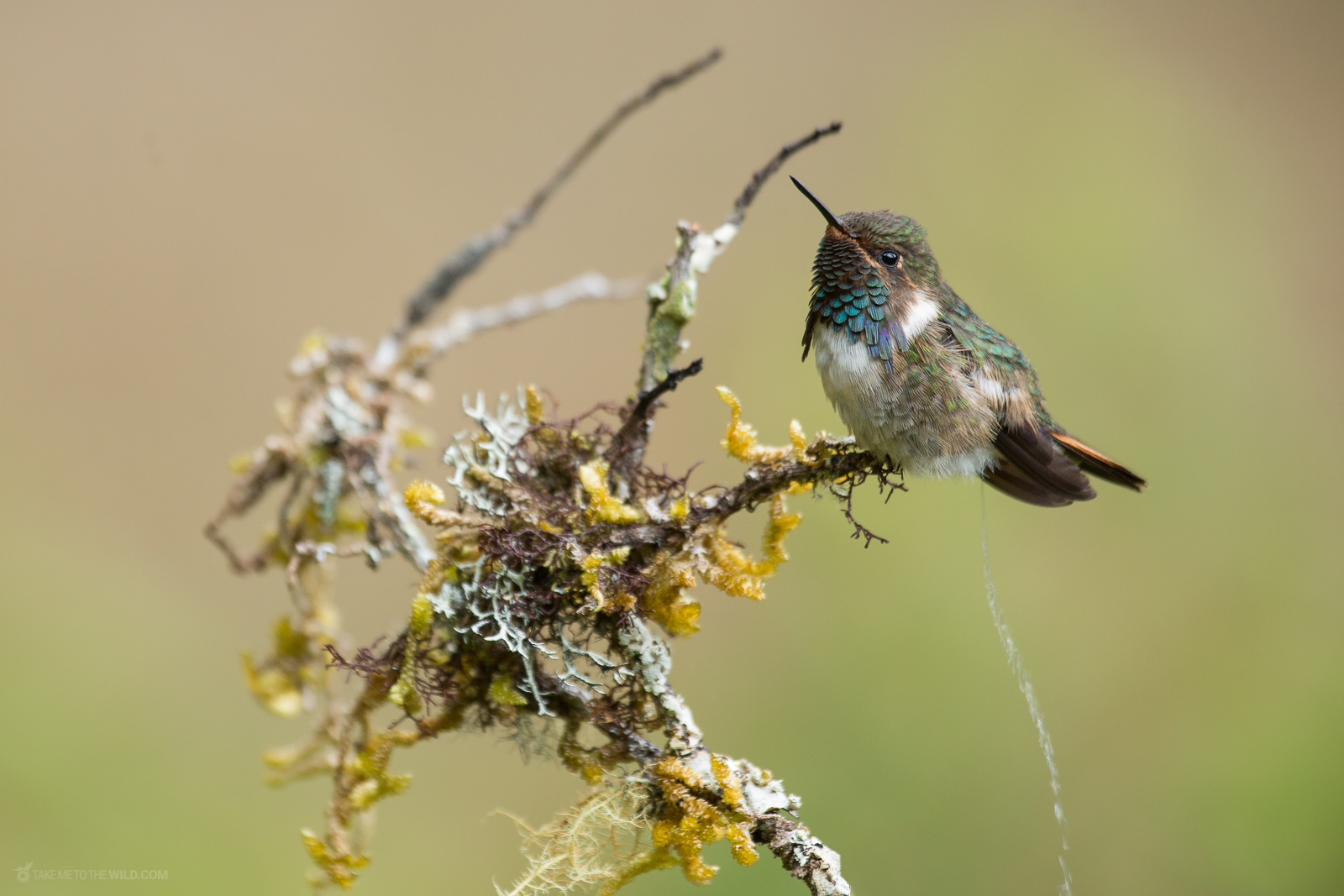
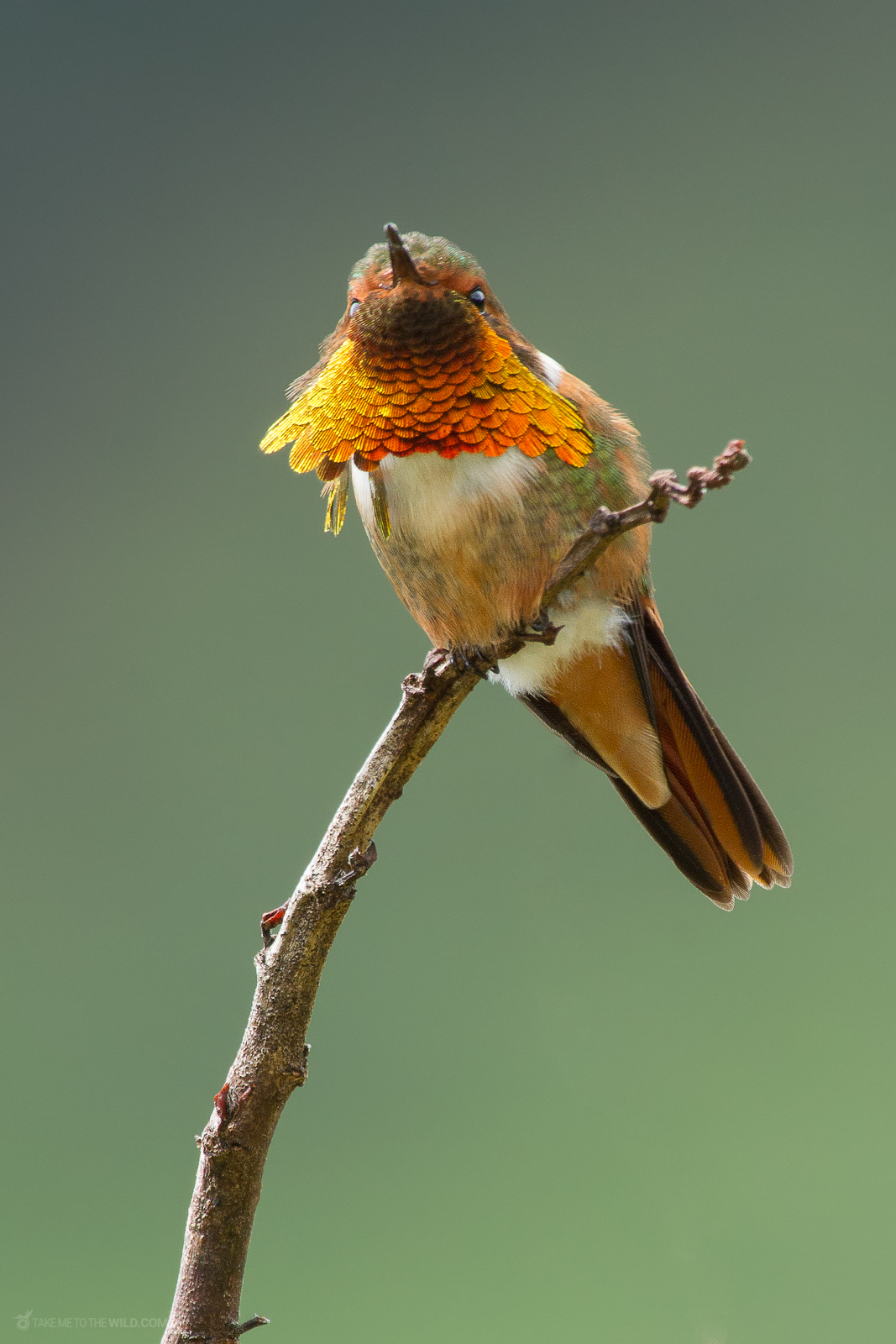
The Volcano Hummingbird is tiny, even by hummingbird standards, and found only near the summits of the highest volcanoes. The Scintillant Hummingbird, barely bigger than a large bee, feeds from the small flowers that grow in the highland gardens. The Magenta-throated Woodstar, with its forked tail and brilliant magenta gorget, is another highland specialty.
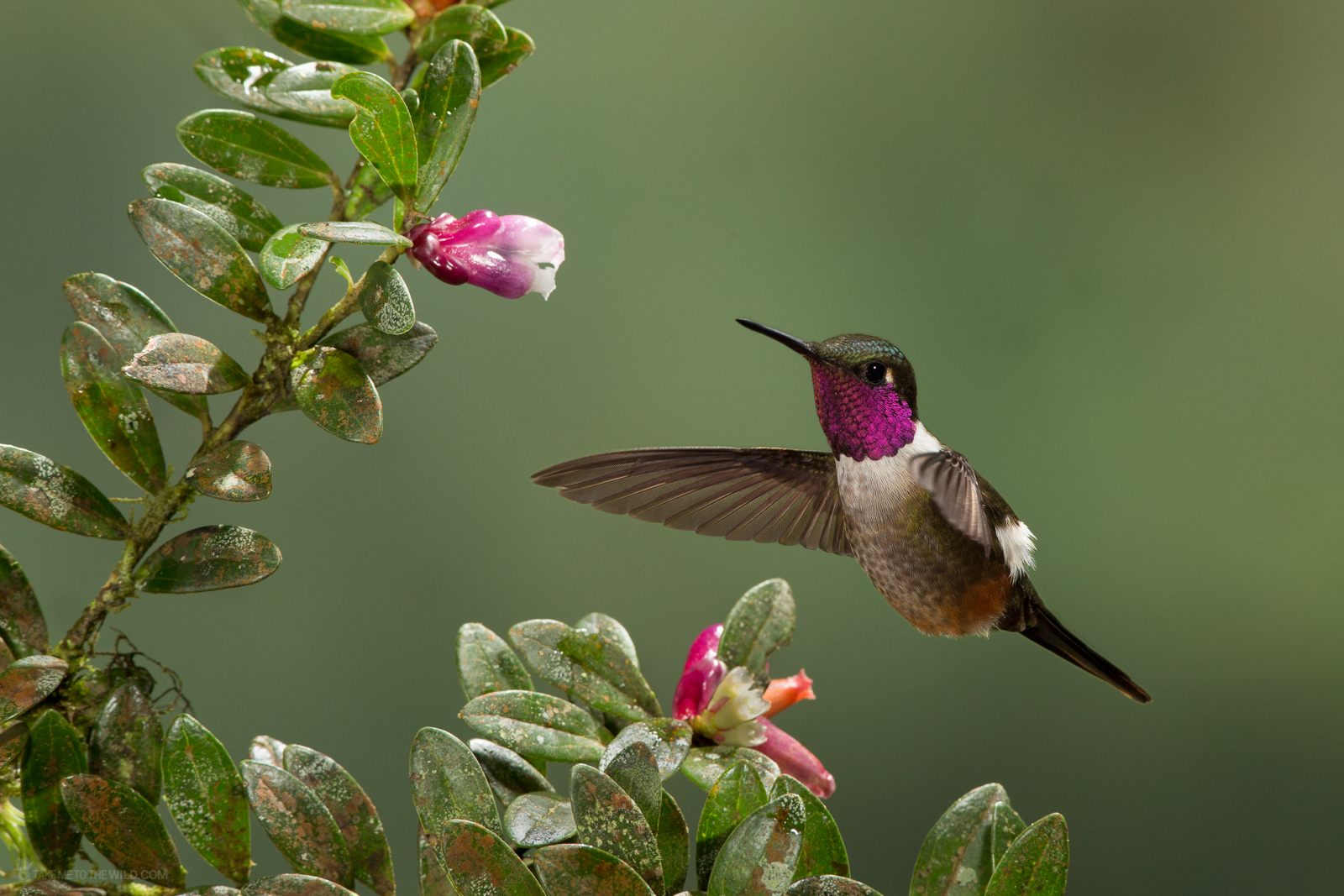
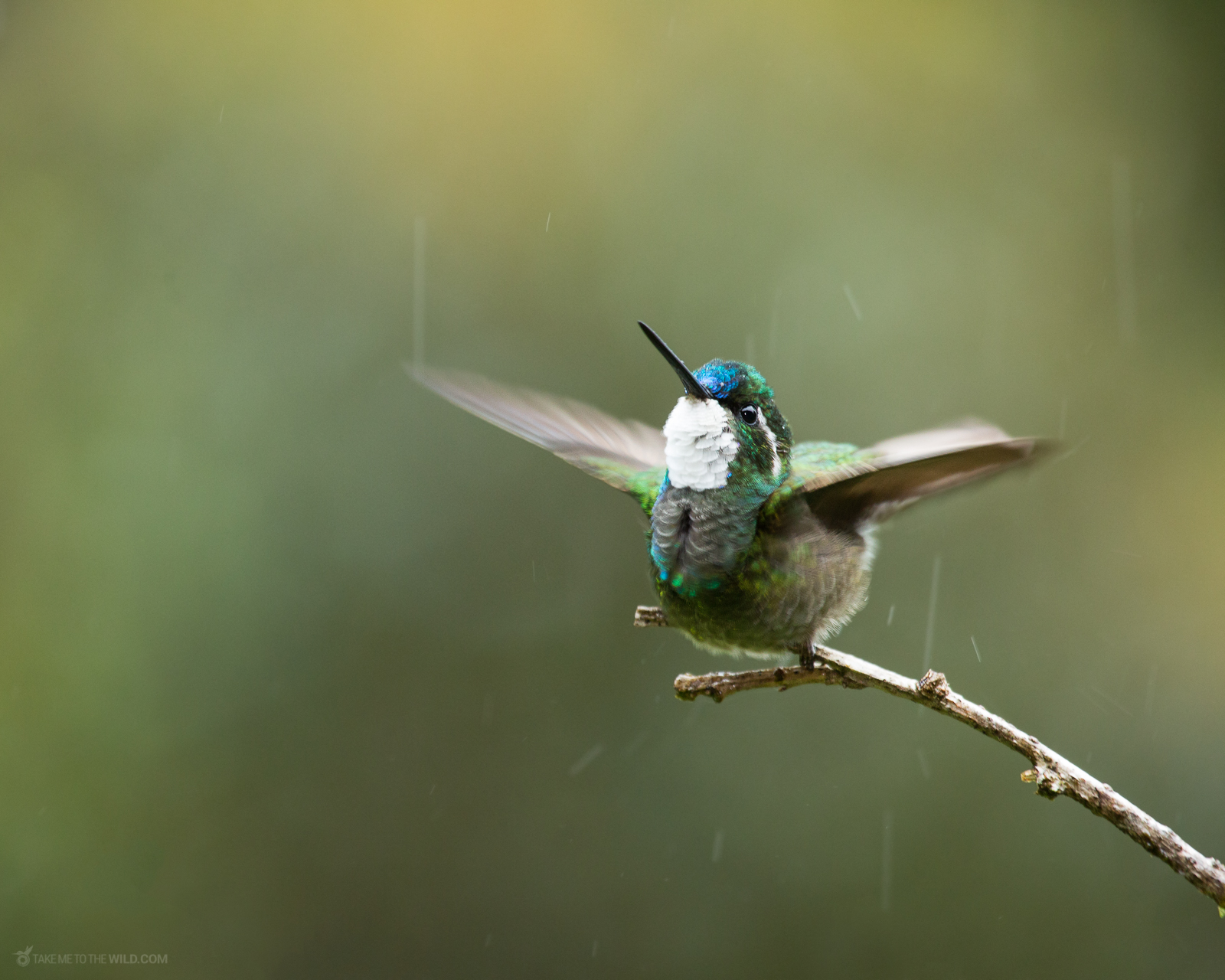
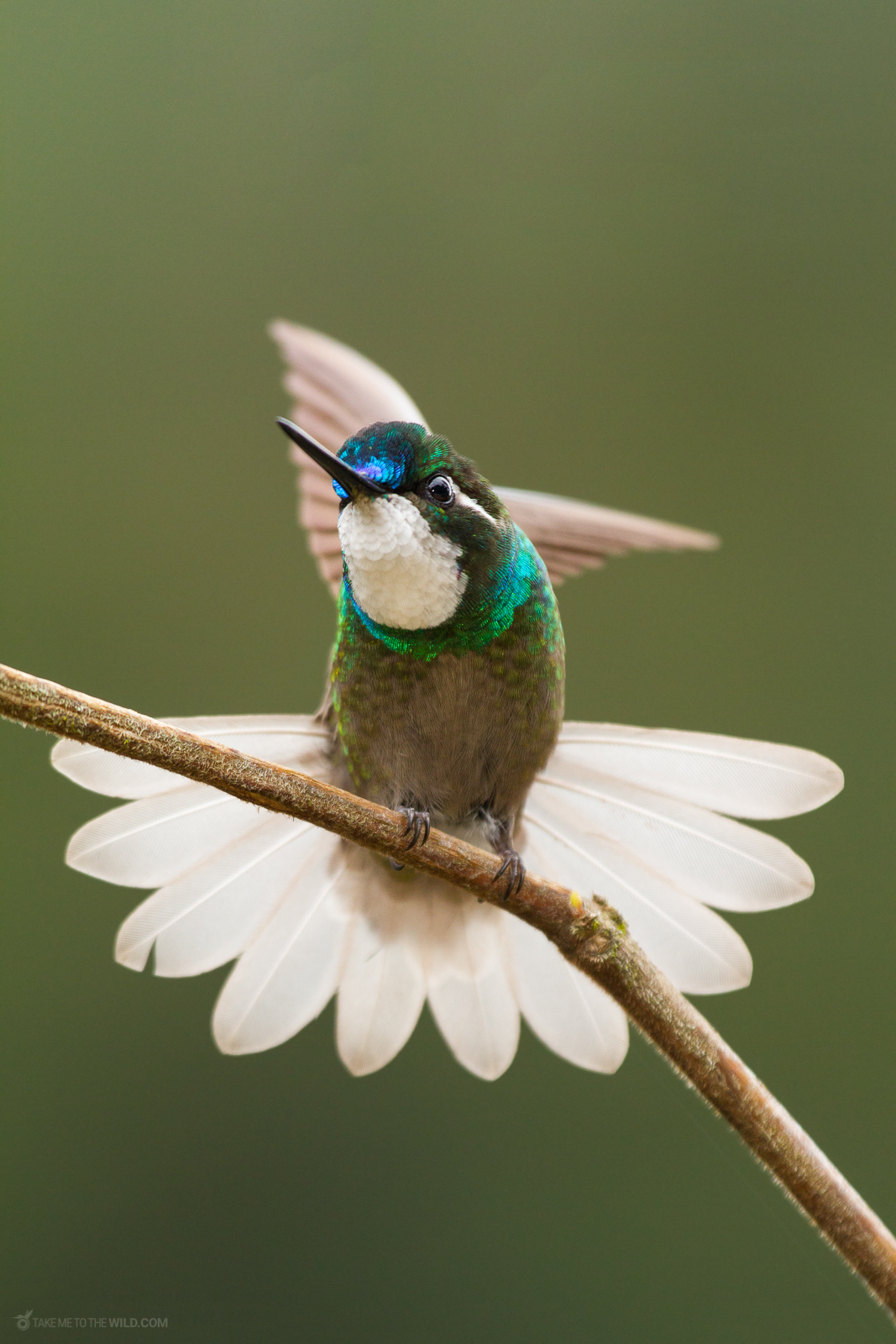
The White-throated Mountaingem is one of the most common highland species, but no less beautiful for it. I photographed one doing a tail display, fanning its white outer tail feathers while perched on a mossy branch. It sat there for several seconds, perfectly still, as if posing. Those moments are rare. Most of the time, you are photographing a blur.
The Jacobin and the Thorntail
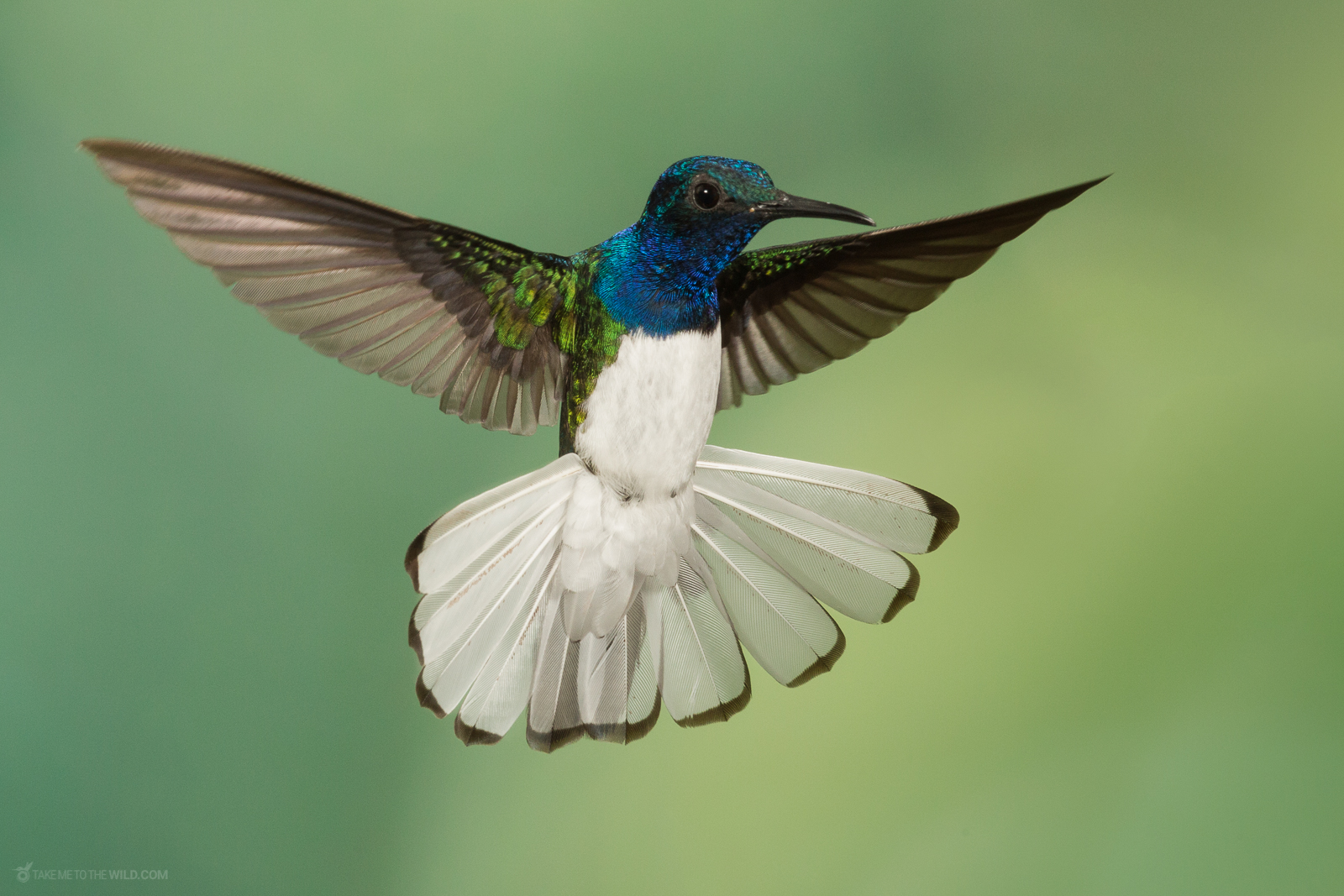
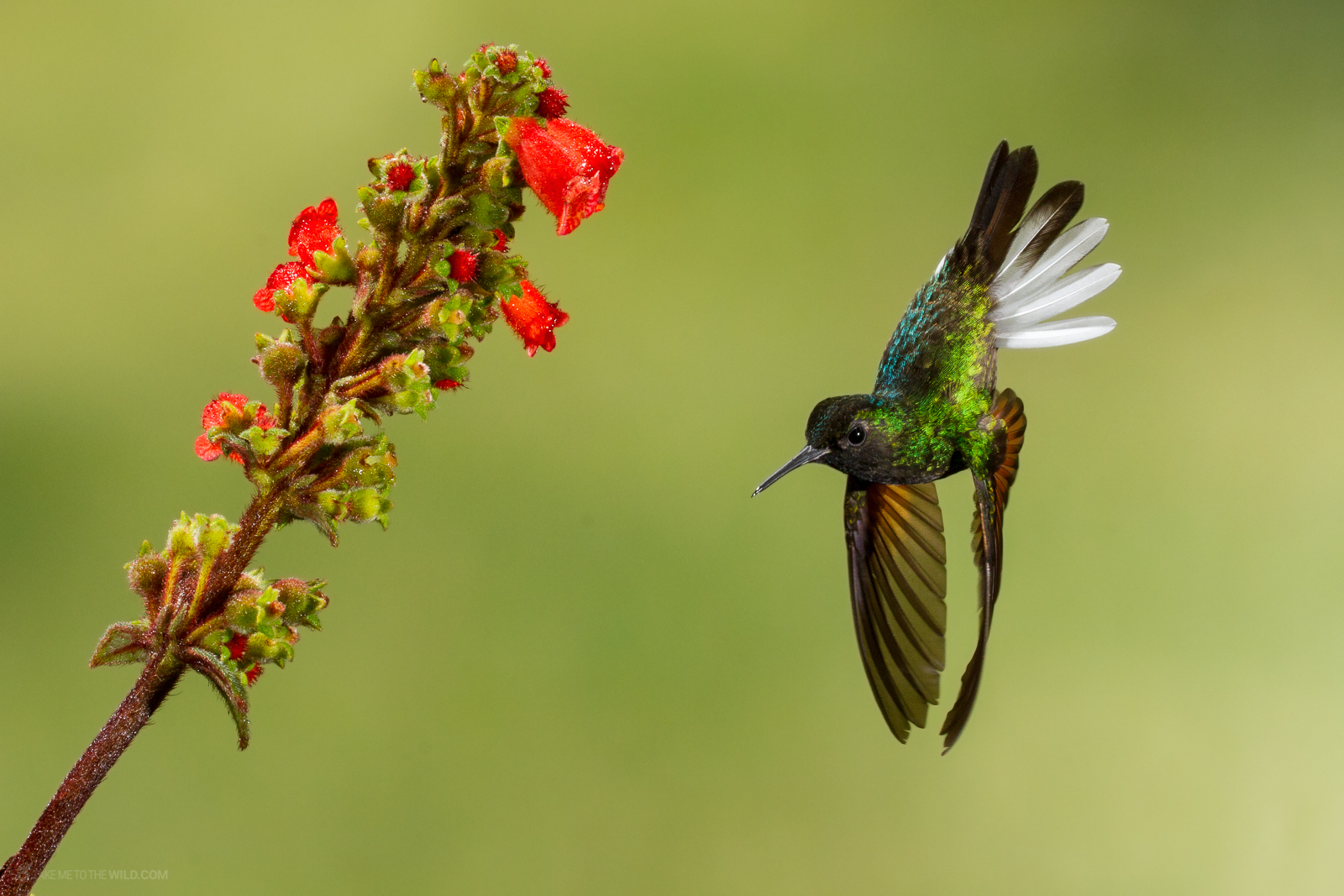
Some of the most dramatic flight shots come from the larger species. The White-necked Jacobin is one of the most aggressive hummingbirds in Costa Rica. It dominates feeding areas and chases away everything, including birds twice its size. Photographing one in full flight, with its white tail fanned and its blue throat catching the light, is one of those images that makes the hours of waiting worthwhile.
What Stillness Teaches
After years of sitting in forests, waiting for something that weighs less than a coin to come close enough to photograph, I have learned something about patience that applies far beyond photography. The world moves fast. We move fast. We are trained to react, to respond, to keep up. But some things only reveal themselves when you stop.
The hummingbird will come. It always does. But only if you are still enough, quiet enough, and patient enough to let it.
Gear
The photography gear used in this story.
Lenses
- Canon EF 100-400mm f/4.5-5.6L IS
- Sony FE 100-400mm f/4.5-5.6 GM
Related Topics